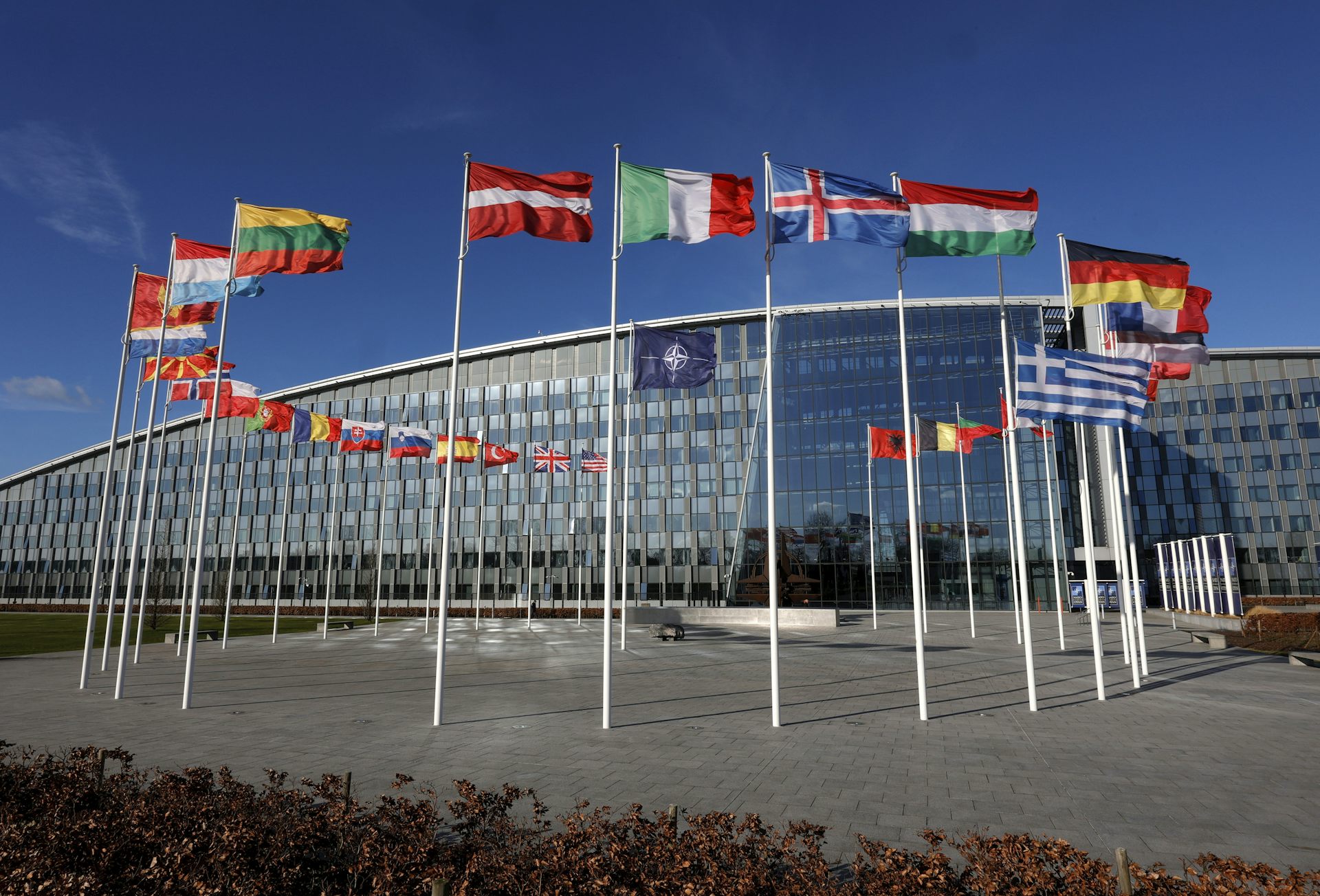
سيبقى الناتو قائمًا رغم انسحاب أمريكي. ولكن ما هو نوع التحالف الذي سيصبح عليه؟
NATO would survive a US withdrawal. But what kind of alliance would it become?
The ‘new NATO’ is caught between competing visions and many unresolved questions.
“الناتو الجديد” محاصر بين رؤى متنافسة والعديد من الأسئلة العالقة.
As NATO counts down to its annual summit in Turkey in July, the alliance is facing perhaps the biggest challenge in its history – what a potential future without the United States, or US security guarantees, would look like.
مع اقتراب حلف الناتو من قمة سنوية في تركيا في يوليو، يواجه التحالف ربما أكبر تحدٍ في تاريخه – وهو ما قد يبدو عليه مستقبل محتمل بدون الولايات المتحدة، أو ضمانات الأمن الأمريكية.
In recent weeks, the Trump administration has taken a series of steps widely interpreted in European capitals as retaliation for allies’ reluctance to more strongly support the US position in the Iran war. It has announced the withdrawal of 5,000 troops out of Germany, halted the deployment of 4,000 troops to Poland and even reportedly considered moves to suspend Spain from the alliance.
في الأسابيع الأخيرة، اتخذت إدارة ترامب سلسلة من الخطوات فُسِّرَت على نطاق واسع في العواصم الأوروبية على أنها انتقام لتردد الحلفاء في دعم الموقف الأمريكي بقوة أكبر في الحرب الإيرانية. فقد أعلنت سحب 5000 جندي من ألمانيا، ووقفت نشر 4000 جندي في بولندا، بل وقيل إنها نظرت في إجراءات تعليق عضوية إسبانيا من التحالف.
Europe was already uneasy about Washington’s broader strategic intentions. Increasingly, NATO allies are realising they can no longer depend on the United States for their security and will have to shoulder far greater responsibility themselves.
كانت أوروبا بالفعل قلقة بشأن النوايا الاستراتيجية الأوسع لواشنطن. ويتزايد وعي حلفاء الناتو بأنهم لم يعودوا قادرين على الاعتماد على الولايات المتحدة لأمنهم، وسيتعين عليهم تحمل مسؤولية أكبر بكثير بأنفسهم.
NATO 3.0
الناتو 3.0
US President Donald Trump’s narrow understanding of the value of alliances has long been known. Now, his vision for a new NATO is coming into view.
لطالما عُرف فهم الرئيس الأمريكي دونالد ترامب الضيق لقيمة التحالفات. والآن، بدأت رؤيته لناتو جديد بالظهور.
At a NATO defence minister meeting in February, the US under secretary of defence for policy, Elbridge Colby, introduced the idea of “NATO 3.0”. This would entail Europeans assuming a much larger role in conventional deterrence. The US, meanwhile, would prioritise strategic competition with China and supporting European security more selectively and from greater distance.
في اجتماع لوزراء الدفاع التابعين للناتو في فبراير، طرح وكيل وزارة الدفاع الأمريكي للسياسة، إلبريدج كولبي، فكرة “الناتو 3.0.” وهذا يتطلب من الأوروبيين تحمل دور أكبر بكثير في الردع التقليدي. وفي الوقت نفسه، ستمنح الولايات المتحدة الأولوية للمنافسة الاستراتيجية مع الصين ودعم الأمن الأوروبي بشكل أكثر انتقائية ومن مسافة أبعد.
At the same time, the White House has reportedly been pushing to roll back decades of NATO’s mission expansion and keep Ukraine and NATO’s four Indo-Pacific partners (Japan, South Korea, Australia and New Zealand) out of the annual summit in July.
وفي الوقت نفسه، أفادت تقارير بأن البيت الأبيض يضغط للتراجع عن عقود من توسيع مهام الناتو وإبقاء أوكرانيا والشركاء الأربعة للناتو في منطقة المحيطين الهندي والهادئ (اليابان، وكوريا الجنوبية، وأستراليا، ونيوزيلندا) خارج القمة السنوية في يوليو.
This reflects a broader transformation in US strategic thinking. NATO is no longer viewed as a political community and a pillar of the liberal international order. Increasingly, it is seen as a narrower military arrangement whose value depends on whether Europeans can shoulder more of the burden themselves and remain compliant with Trump’s agenda.
يعكس هذا تحولاً أوسع في التفكير الاستراتيجي الأمريكي. لم يعد يُنظر إلى الناتو على أنه مجتمع سياسي وركن من أركان النظام الدولي الليبرالي. بل أصبح يُنظر إليه بشكل متزايد على أنه ترتيب عسكري أضيق، تتوقف قيمته على ما إذا كان بإمكان الأوروبيين تحمل المزيد من العبء بأنفسهم والبقاء متوافقين مع أجندة ترامب.
In this new paradigm, the United States is not simply asking European allies to spend more. It is telling Europe to do more with less American hardware, a looser political alignment, and fewer guarantees.
في هذا النموذج الجديد، لا تطلب الولايات المتحدة من حلفائها الأوروبيين ببساطة إنفاق المزيد. بل تخبر أوروبا بأن تفعل المزيد بأقل من العتاد الأمريكي، وتنسيق سياسي أكثر مرونة، وضمانات أقل.
Plus, there’s a deeper problem: the erosion of trust within the alliance and the assumptions that have underpinned NATO’s deterrence posture for decades.
بالإضافة إلى ذلك، هناك مشكلة أعمق: تآكل الثقة داخل التحالف والافتراضات التي دعمت وضع الردع للناتو لعقود.
The result is a “Europeanised NATO” emerging by necessity rather than design. What such an alliance would actually look like remains unclear.
والنتيجة هي “ناتو أوروبي” ينبثق بالضرورة وليس بالتصميم. وما سيبدو عليه هذا التحالف فعلياً لا يزال غير واضح.
A focus on collective defence
التركيز على الدفاع الجماعي
One thing is certain: one single country won’t simply replace the United States as alliance leader. No European power possesses the capabilities, resources or political legitimacy to fill that role alone. Instead, leadership will likely come from the most capable states acting together.
من المؤكد أن دولة واحدة لن تحل محل الولايات المتحدة كقائد للتحالف ببساطة. لا تملك أي قوة أوروبية القدرات أو الموارد أو الشرعية السياسية لتضطلع بهذا الدور بمفردها. بدلاً من ذلك، من المرجح أن تأتي القيادة من الدول الأكثر قدرة التي تعمل معاً.
That trend is already visible in “Europe’s minilateral moment”. The E3 group (Britain, France and Germany) and newer E5 coalition (with Italy and Poland) , for example, have begun accelerating coordination among Europe’s leading military powers.
هذا التوجه مرئي بالفعل في “لحظة التعددية الصغرى الأوروبية.” فقد بدأت مجموعة الدول الثلاث (بريطانيا وفرنسا وألمانيا) وتحالف الدول الخمسة الأحدث (مع إيطاليا وبولندا) ، على سبيل المثال، في تسريع التنسيق بين القوى العسكرية الرائدة في أوروبا.
These arrangements are not alternatives to NATO. Rather, they may become the mechanisms through which a stronger European focus inside NATO is organised.
هذه الترتيبات ليست بدائل لحلف الناتو. بل قد تصبح الآليات التي يتم من خلالها تنظيم تركيز أوروبي أقوى داخل الناتو.
But this is where the uncertainties begin. A more Europeanised NATO is far from guaranteed to become a more cohesive NATO. The alliance has long struggled with the strategic cacophony of its 32 members, driven by divergent threat perceptions, regional priorities and strategic cultures. As American leadership recedes, those differences may become even sharper and harder to manage.
ولكن هنا تبدأ نقاط عدم اليقين. فمن المستبعد أن يؤدي الناتو الأكثر أوروبية إلى ناتو أكثر تماسكاً. لطالما عانى التحالف من التنافر الاستراتيجي لأعضائه الـ 32، مدفوعاً بتصورات متباينة للتهديدات، والأولويات الإقليمية، والثقافات الاستراتيجية. ومع تراجع القيادة الأمريكية، قد تصبح هذه الاختلافات أكثر حدة وأصعب في الإدارة.
A more Europeanised alliance is, at least initially, likely to narrow its focus on collective defence and deterrence to counter Russia’s militarism and its ongoing war against Ukraine.
من المرجح أن يضيق التحالف الأكثر أوروبية، على الأقل في البداية، تركيزه على الدفاع الجماعي والردع لمواجهة العسكرة الروسية وحربها المستمرة ضد أوكرانيا.
The broader agenda that expanded after the Cold War to include crisis management and cooperative security may increasingly become secondary. This included efforts to address global security challenges (such as supporting capacity building in countries affected by violent conflict) , counter-terrorism operations, and enhancing energy and maritime security.
قد يصبح جدول الأعمال الأوسع الذي توسع بعد الحرب الباردة ليشمل إدارة الأزمات والأمن التعاوني ثانوياً بشكل متزايد. وشمل ذلك جهوداً لمعالجة التحديات الأمنية العالمية (مثل دعم بناء القدرات في البلدان المتأثرة بالصراعات العنيفة) ، وعمليات مكافحة الإرهاب، وتعزيز الأمن الطاقي والبحرية.
Yet, many NATO allies, particularly those on NATO’s southern flank, continue to argue that crisis management and cooperative security must remain core alliance functions. For countries facing instability across North Africa and the Middle East, migration pressures, terrorism and maritime insecurity, NATO cannot be concerned only with Russia.
ومع ذلك، لا يزال العديد من حلفاء الناتو، وخاصة أولئك الموجودون على الجناح الجنوبي للناتو، يجادلون بأن إدارة الأزمات والأمن التعاوني يجب أن تظل وظائف أساسية للتحالف. وبالنسبة للبلدان التي تواجه عدم الاستقرار في جميع أنحاء شمال إفريقيا والشرق الأوسط، وضغوط الهجرة، والإرهاب، وانعدام الأمن البحري، لا يمكن للناتو أن يهتم بالروسيا فقط.
NATO’s cooperative security partnerships in the Indo-Pacific are also increasingly important, even though they are no longer openly supported by the US administration.
تزداد أهمية الشراكات الأمنية التعاونية للناتو في منطقة المحيطين الهندي والهادئ أيضاً، على الرغم من أنها لم تعد مدعومة علناً من قبل الإدارة الأمريكية.
Cooperation with Japan, South Korea, Australia and New Zealand (known as the IP4) has emerged as perhaps NATO’s most promising cooperative-security framework, precisely because it strengthens the alliance’s core deterrence mission.
برز التعاون مع اليابان وكوريا الجنوبية وأستراليا ونيوزيلندا (المعروف باسم IP4) باعتباره ربما الإطار الأكثر واعدة للأمن التعاوني للناتو، تحديداً لأنه يعزز مهمة الردع الأساسية للتحالف.
Unlike many earlier partnership initiatives, this is tied directly to defence-industrial cooperation, technological resilience, security of supply chains for defence-critical materials, and strategic signalling.
على عكس العديد من مبادرات الشراكة السابقة، يرتبط هذا مباشرة بالتعاون الصناعي الدفاعي، والمرونة التكنولوجية، وأمن سلاسل الإمداد للمواد الحيوية للدفاع، والإشارات الاستراتيجية.
The new reality
الواقع الجديد
The “new NATO” is by no means a settled compact. It is an alliance caught between competing visions, profoundly uncertain political commitments from erstwhile supporters, and unresolved strategic questions.
إن “حلف الناتو الجديد” ليس بالمرة ميثاقاً مستقراً. إنه تحالف عالق بين رؤى متنافسة، والتزامات سياسية غير مؤكدة من الداعمين السابقين، وتساؤلات استراتيجية لم تُحل.
Europe is moving towards greater responsibility for its security, but without a clear consensus on what greater strategic autonomy ultimately means.
تتجه أوروبا نحو تحمل مسؤولية أكبر لأمنها، ولكن دون توافق واضح حول ما تعنيه الاستقلالية الاستراتيجية الأكبر في نهاية المطاف.
The central question facing NATO today is not whether the alliance survives. It almost certainly will in some form, as one should never underestimate the binding power of bureaucracies.
السؤال المحوري الذي يواجه الناتو اليوم ليس ما إذا كان التحالف سيبقى على قيد الحياة. فمن المؤكد تقريباً أنه سيبقى بأي شكل، لأنه لا ينبغي أبداً التقليل من القوة الملزمة للبيروقراطيات.
The real question is what kind of alliance emerges and how credible it remains. Will it be a narrower military pact laser-focused on continental defence? Or a broader political-security community capable of managing the full spectrum of crises affecting Europe?
السؤال الحقيقي هو ما هو نوع التحالف الذي سينبثق وكيف سيبقى موثوقاً. هل سيكون ميثاقاً عسكرياً أضيق يركز بشكل مكثف على الدفاع القاري؟ أم مجتمعاً سياسياً وأمنياً أوسع قادراً على إدارة الطيف الكامل للأزمات التي تؤثر على أوروبا؟
Gorana Grgić was previously a recipient of research and teaching funding from NATO.
كان غورانا غرجيش سابقاً متلقياً لتمويل بحثي وتدريسي من الناتو.
Read more
-
بعد أن توقع إيران والولايات المتحدة صفقة سلام، ما هو موقف بنيامين نتنياهو؟
With Iran and the US signing a peace deal, where does that leave Benjamin Netanyahu?
-
لماذا تقوم المملكة المتحدة بتغيير رئيس وزرائها كل بضع سنوات؟
Why is the UK now changing prime minister every few years?