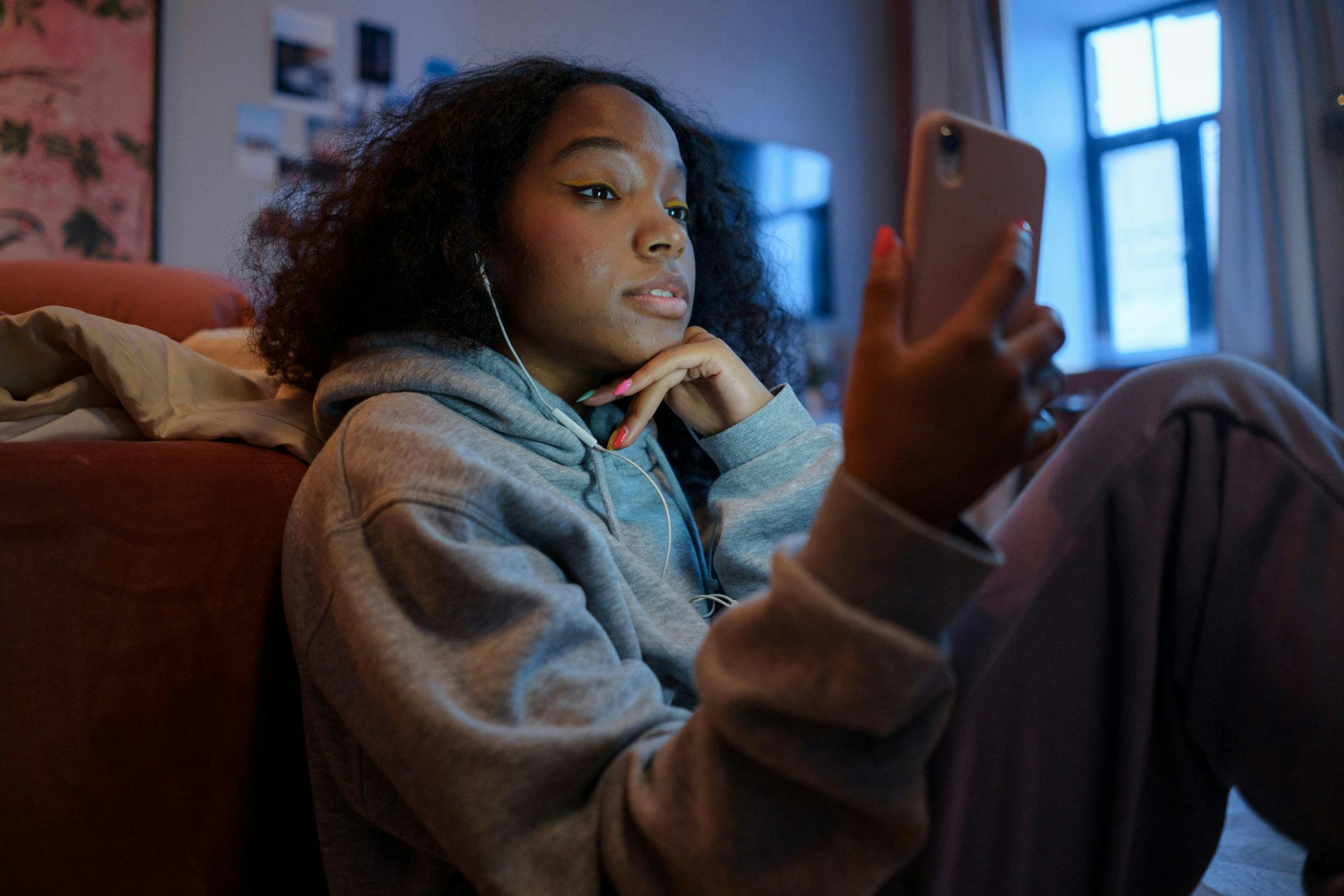
मेटा के नए उपकरण माता-पिता को अपने बच्चों के सोशल मीडिया खातों की बेहतर निगरानी करने देते हैं। क्या वे काम करेंगे?
Meta’s new tools allow parents to better supervise their kids’ social media accounts. Will they work?
Success will rely significantly on parents’ abilities – and children’s willingness – to engage with these new tools.
सफलता काफी हद तक माता-पिता की क्षमताओं – और बच्चों की इच्छा – इन नए उपकरणों का उपयोग करने पर निर्भर करेगी।
Tech giant Meta recently announced a set of new features to give parents greater oversight of how their children use Facebook, Instagram, Messenger and Horizon.
टेक दिग्गज मेटा ने हाल ही में माता-पिता को यह निगरानी करने के लिए नए फीचर्स का एक सेट घोषित किया है कि उनके बच्चे फेसबुक, इंस्टाग्राम, मैसेंजर और होराइजन का उपयोग कैसे करते हैं।
This follows the company’s announcement earlier this month that it is expanding age assurance checks to filter 13-to-17-year-old users into teen accounts in the United States and other countries, following Australia’s rollout in 2025. Meta is also implementing new age checks and easier reporting of underage users to support account removals.
यह कंपनी की इस महीने की शुरुआत में की गई घोषणा के बाद आया है कि वह संयुक्त राज्य अमेरिका और अन्य देशों में 13 से 17 वर्ष के उपयोगकर्ताओं को टीन अकाउंट्स में फ़िल्टर करने के लिए आयु आश्वासन जांच का विस्तार कर रही है, जो ऑस्ट्रेलिया द्वारा 2025 में रोलआउट किए जाने के बाद किया जा रहा है। मेटा अकाउंट हटाने का समर्थन करने के लिए नई आयु जांच और नाबालिग उपयोगकर्ताओं की आसान रिपोर्टिंग भी लागू कर रहा है।
These changes come as Meta faces increasing pressure internationally to do more to keep kids safe on its platforms.
ये बदलाव ऐसे समय में आ रहे हैं जब मेटा को अपने प्लेटफॉर्म पर बच्चों को सुरक्षित रखने के लिए अंतरराष्ट्रीय स्तर पर अधिक प्रयास करने का लगातार दबाव झेलना पड़ रहा है।
So what exactly are the changes? And will they likely work to reduce online harm?
तो वास्तव में ये बदलाव क्या हैं? और क्या ये ऑनलाइन नुकसान को कम करने में सफल होने की संभावना रखते हैं?
Enlisting AI to search for clues
सुराग खोजने के लिए एआई का उपयोग करना
Meta’s new age checks will use “visual clues” about a user’s age, such as height and bone structure, alongside analysis of social media posts and interactions, to estimate a person’s age.
मेटा की नई आयु जाँचें किसी व्यक्ति की आयु का अनुमान लगाने के लिए उपयोगकर्ता की आयु के बारे में “दृश्य सुराग” का उपयोग करेंगी, जैसे कि ऊँचाई और हड्डी की संरचना, साथ ही सोशल मीडिया पोस्ट और इंटरैक्शन का विश्लेषण भी करेंगी।
Using new techniques powered by artificial intelligence (AI) , the company will scan photos, videos and content on users’ profiles – including bios, captions, and comments – to estimate their age. By looking for clues such as mentions of birthday parties or school grades, Meta plans to deactivate accounts for those believed to be under 13.
आर्टिफिशियल इंटेलिजेंस (एआई) द्वारा संचालित नई तकनीकों का उपयोग करते हुए, कंपनी उपयोगकर्ताओं की आयु का अनुमान लगाने के लिए उनकी प्रोफाइल पर मौजूद फ़ोटो, वीडियो और सामग्री – जिसमें बायो, कैप्शन और टिप्पणियाँ शामिल हैं – को स्कैन करेगी। जन्मदिन की पार्टियों या स्कूल ग्रेड के उल्लेख जैसे सुराग खोजकर, मेटा का उन खातों को निष्क्रिय करने की योजना है जो 13 वर्ष से कम माने जाते हैं।
However, given the known limitations of age assurance technologies, and the compliance concerns raised with Australia’s social media ban, many underage children remain active on social media platforms. What is unclear about these new “clues” is whether and how teens may be able to circumvent these new controls by ensuring their platform content gives the appearance of older, adult material.
हालांकि, आयु आश्वासन तकनीकों की ज्ञात सीमाओं और ऑस्ट्रेलिया के सोशल मीडिया प्रतिबंध के साथ उठाई गई अनुपालन संबंधी चिंताओं को देखते हुए, कई नाबालिग बच्चे सोशल मीडिया प्लेटफॉर्म पर सक्रिय बने हुए हैं। इन नए “सुरागों” के बारे में जो बात स्पष्ट नहीं है, वह यह है कि क्या और कैसे किशोर अपने प्लेटफॉर्म की सामग्री को अधिक उम्र, वयस्क सामग्री का रूप देकर इन नए नियंत्रणों को दरकिनार कर पाएंगे।
Meta’s new process for reporting underage accounts is likely intended to address this concern.
नाबालिग खातों की रिपोर्ट करने के लिए मेटा की नई प्रक्रिया संभवतः इस चिंता को दूर करने के उद्देश्य से है।
Easier reporting of underage accounts will augment content scanning, providing another avenue to identify underage accounts. This will also use AI, alongside human reviewers. Meta says this will ensure reports are “addressed with more speed and reliability”.
नाबालिग खातों की आसान रिपोर्टिंग सामग्री स्कैनिंग को बढ़ाएगी, जिससे नाबालिग खातों की पहचान करने का एक और माध्यम मिलेगा। इसमें मानव समीक्षकों के साथ एआई का भी उपयोग किया जाएगा। मेटा का कहना है कि यह सुनिश्चित करेगा कि रिपोर्टों को “अधिक गति और विश्वसनीयता के साथ संबोधित किया जाए”।
Meta explains that users who are reported to be underage, inaccurately, will be able to undergo age checks to retain their accounts.
मेटा समझाता है कि जिन उपयोगकर्ताओं को गलत तरीके से नाबालिग बताया जाता है, वे अपने खातों को बनाए रखने के लिए आयु जाँच से गुजर सकेंगे।
A consolidated ‘Family Centre’
एक समेकित ‘फैमिली सेंटर’
Meta’s new “Family Centre” will consolidate parental supervision tools for Facebook, Instagram, Horizon, and Messenger in one place.
मेटा का नया “फैमिली सेंटर” फेसबुक, इंस्टाग्राम, होराइजन और मैसेंजर के लिए माता-पिता के पर्यवेक्षण उपकरणों को एक ही स्थान पर समेकित करेगा।
Through the “Family Centre”, Meta will start sending parents notifications when their teens add new topics and interests across platforms – such as photography, sports, or beauty.
“फैमिली सेंटर” के माध्यम से, मेटा माता-पिता को सूचनाएं भेजना शुरू कर देगा जब उनके किशोर विभिन्न प्लेटफॉर्मों पर नए विषय और रुचियां जोड़ते हैं – जैसे कि फोटोग्राफी, खेल या सौंदर्य।
Meta says this will enable parents to “stay informed” and have “meaningful conversations” with their children about the general topics they follow.
मेटा का कहना है कि इससे माता-पिता को “सूचित रहने” और उन सामान्य विषयों पर अपने बच्चों के साथ “सार्थक बातचीत” करने में मदद मिलेगी जिनका वे अनुसरण करते हैं।
However, under Australia’s social media restrictions, children under 16 are not allowed to hold social media accounts.
हालांकि, ऑस्ट्रेलिया के सोशल मीडिया प्रतिबंधों के तहत, 16 वर्ष से कम उम्र के बच्चों को सोशल मीडिया खाते रखने की अनुमति नहीं है।
This means, in Australia, topic access will only be available to parents of teens aged 16 and 17 on Instagram and Facebook. But this access will not be automatic. Parents will need to send an invitation to their teens, asking to supervise their accounts, which teens must accept.
इसका मतलब है कि, ऑस्ट्रेलिया में, इंस्टाग्राम और फेसबुक पर 16 और 17 वर्ष के किशोरों के माता-पिता को ही विषय तक पहुंच मिलेगी। लेकिन यह पहुंच स्वचालित नहीं होगी। माता-पिता को अपने किशोरों को एक निमंत्रण भेजना होगा, जिसमें उनके खातों की निगरानी करने का अनुरोध किया जाएगा, जिसे किशोरों को स्वीकार करना होगा।
This means children can refuse to provide access and not provide topic visibility to their parents.
इसका मतलब है कि बच्चे पहुंच प्रदान करने से मना कर सकते हैं और अपने माता-पिता को विषय की दृश्यता (visibility) प्रदान नहीं कर सकते हैं।
This is an important limitation. It means children can retain privacy for their account content if they choose. Under article 16 of the United Nations’ Convention on the Rights of the Child, every child has the right to privacy and the right to get information from the internet and other sources.
यह एक महत्वपूर्ण सीमा है। इसका मतलब है कि बच्चे यदि चाहें तो अपने खाते की सामग्री के लिए गोपनीयता बनाए रख सकते हैं। संयुक्त राष्ट्र बाल अधिकार कन्वेंशन के अनुच्छेद 16 के तहत, हर बच्चे को निजता का अधिकार और इंटरनेट तथा अन्य स्रोतों से जानकारी प्राप्त करने का अधिकार है।
For those who accept a parent’s invitation, Meta’s changes may introduce some privacy risks. But limiting access to general topics does preserve some privacy, as specific conversations and materials cannot be accessed.
जिन लोगों ने माता-पिता का निमंत्रण स्वीकार किया है, उनके लिए मेटा के बदलाव कुछ गोपनीयता जोखिम ला सकते हैं। लेकिन सामान्य विषयों तक पहुंच को सीमित करना कुछ गोपनीयता बनाए रखता है, क्योंकि विशिष्ट बातचीत और सामग्री तक पहुंचा नहीं जा सकता है।
Parents will need to be proactive
माता-पिता को सक्रिय रहने की आवश्यकता होगी
This new parental supervision feature will only be successful if parents and teens choose to use it. Parents will need to be proactive, to request access and (if approved by the teen) review the topics. Parents will also need to start conversations with their children to determine the nature of the content within those general topics.
यह नई अभिभावकीय निगरानी सुविधा तभी सफल होगी जब माता-पिता और किशोर इसका उपयोग करने का चुनाव करेंगे। माता-पिता को सक्रिय रहने की आवश्यकता होगी, ताकि वे पहुँच का अनुरोध कर सकें और (यदि किशोर द्वारा अनुमोदित हो) विषयों की समीक्षा कर सकें। माता-पिता को अपने बच्चों के साथ बातचीत शुरू करने की भी आवश्यकता होगी ताकि इन सामान्य विषयों के भीतर सामग्री की प्रकृति का पता लगाया जा सके।
For example, a 2025 study showed a link between frequent social media use and negative body image. It highlighted the need for “support from parents […] to mitigate these effects”.
उदाहरण के लिए, एक 2025 के अध्ययन में बार-बार सोशल मीडिया के उपयोग और नकारात्मक शारीरिक छवि के बीच संबंध दिखाया गया था। इसमें “इन प्रभावों को कम करने के लिए माता-पिता के समर्थन” की आवश्यकता पर प्रकाश डाला गया था।
But a general topic such as “beauty” cannot distinguish between helpful makeup tips and content promoting unrealistic beauty ideals. Similarly, a general topic such as “sports” cannot discern potentially harmful gender stereotypes affecting young athletes.
लेकिन “सौंदर्य” जैसे सामान्य विषय उपयोगी मेकअप सुझावों और अवास्तविक सौंदर्य आदर्शों को बढ़ावा देने वाली सामग्री के बीच अंतर नहीं कर सकता। इसी तरह, “खेल” जैसे सामान्य विषय युवा एथलीटों को प्रभावित करने वाले संभावित हानिकारक लिंग रूढ़िवादिता (gender stereotypes) को पहचान नहीं सकता।
Understanding the potential risks and harms of social media content requires parents to actively view – and discuss – that content with their teens.
सोशल मीडिया सामग्री के संभावित जोखिमों और नुकसान को समझने के लिए माता-पिता को सक्रिय रूप से – और अपने किशोरों के साथ चर्चा करते हुए – उस सामग्री को देखना होगा।
In 2024, Meta’s then global affairs chief Nick Clegg explained that “even when we build these controls, parents don’t use them”.
2024 में, मेटा के तत्कालीन वैश्विक मामले प्रमुख निक क्लेग ने समझाया था कि “भले ही हम ये नियंत्रण बनाते हैं, माता-पिता उनका उपयोग नहीं करते हैं”।
A 2023 evidence review showed that while parents with higher levels of digital literacy are more likely to use safety controls, the results of doing so are mixed. While some studies show beneficial outcomes when safety controls are used (for example, reducing risks such as cyberbullying) , others show no positive outcomes, or even adverse effects (for example, increasing family conflict) .
एक 2023 की साक्ष्य समीक्षा में दिखाया गया था कि हालांकि उच्च स्तर की डिजिटल साक्षरता वाले माता-पिता सुरक्षा नियंत्रणों का उपयोग करने की अधिक संभावना रखते हैं, लेकिन इसके परिणाम मिश्रित हैं। जबकि कुछ अध्ययन दिखाते हैं कि सुरक्षा नियंत्रणों का उपयोग करने पर लाभकारी परिणाम होते हैं (उदाहरण के लिए, साइबरबुलिंग जैसे जोखिमों को कम करना) , अन्य कोई सकारात्मक परिणाम नहीं दिखाते, या यहाँ तक कि प्रतिकूल प्रभाव भी दिखाते हैं (उदाहरण के लिए, पारिवारिक संघर्ष में वृद्धि) ।
Given Australia’s eSafety Commissioner has put several social media companies on notice for compliance concerns with Australia’s social media ban, it may come as no surprise Meta is introducing these changes.
ऑस्ट्रेलिया के ईसेफ्टी कमिश्नर द्वारा ऑस्ट्रेलिया के सोशल मीडिया प्रतिबंध के साथ अनुपालन संबंधी चिंताओं के कारण कई सोशल मीडिया कंपनियों को चेतावनी दिए जाने के कारण, यह कोई आश्चर्य नहीं हो सकता कि मेटा ये बदलाव पेश कर रहा है।
Yet, their success relies significantly on parents’ abilities – and children’s willingness – to engage with these controls. Given the technical limitations of age assurance technologies, and teens’ determination to remain on social media platforms, these are likely not foolproof solutions.
फिर भी, इनकी सफलता काफी हद तक माता-पिता की क्षमताओं – और बच्चों की इच्छा – के इन नियंत्रणों के साथ जुड़ने पर निर्भर करती है। आयु आश्वासन प्रौद्योगिकियों की तकनीकी सीमाओं और सोशल मीडिया प्लेटफॉर्म पर बने रहने के किशोरों के दृढ़ संकल्प को देखते हुए, ये शायद त्रुटिहीन समाधान नहीं हैं।
Lisa M. Given receives funding from the Australian Research Council and the eSafety Commissioner. She is a Fellow of the Academy of the Social Sciences in Australia and a Fellow of the Association for Information Science and Technology.
लिसा एम. गिवन को ऑस्ट्रेलियाई रिसर्च काउंसिल और ईसेफ्टी कमिश्नर से फंडिंग प्राप्त होती है। वह ऑस्ट्रेलिया में एकेडमी ऑफ द सोशल साइंसेज और एसोसिएशन फॉर इंफॉर्मेशन साइंस एंड टेक्नोलॉजी की फीलो हैं।
Read more
-

‘यह एक कलंक है’: अमेरिका ने फिर से कुर्दों को छोड़ दिया – और इस बार, ट्रम्प उनका अपमान भी कर रहे हैं।
‘It’s a disgrace’: the US has abandoned the Kurds again – and this time, Trump is insulting them to boot
-

फीफा विश्व कप में भाग लेने वाले देशों के लिए, आकार हमेशा लक्ष्य और गौरव का मतलब नहीं होता।
For countries contesting the FIFA World Cup, size doesn’t always mean goals and glory