非法采金导致亚马逊地区疟疾激增,这种关联比我们预想的更严重
Illegal gold mining causes surges in malaria in the Ama…
An increase of just 0.03% in illegal gold mining is associated with a 20 to 46% increase in the local incidence of malaria in Yanomami lands in the Brazilian Amazon.
非法采金每增加0.03%,巴西亚马逊雅诺马米地区当地疟疾发病率就会增加20%至46%。
Gold prices are at an all-time high, and we are very worried. As disease ecologists, it’s not the economic instability that concerns us, but the fact that a surge in gold mining could have a devastating impact on human health.
黄金价格处于历史最高点,我们非常担忧。作为疾病生态学家,我们关注的不是经济不稳定,而是黄金开采激增可能会对人类健康造成毁灭性影响的事实。
Our team of researchers from Stanford University, Universidade Federal de Mato Grosso, and Universidade Federal de Minas Gerais, Brazil, established and quantified the effects of illegal gold mining on a recent surge in malaria in the Yanomami territory in the Brazilian Amazon that plunged this isolated Indigenous population into a devastating health crisis in the early 2020s.
我们来自斯坦福大学、马托格罗索州联邦大学和米纳斯吉拉斯州联邦大学(巴西)的研究团队,确定并量化了非法采金对巴西亚马逊亚诺马米地区近期疟疾激增的影响。这种激增使这个孤立的原住民群体在2020年代初陷入了毁灭性的健康危机。
An executive push towards extraction
行政层推动开采
When Jair Bolsonaro became Brazil’s president in 2019, he made environmental deregulation a central tenet of his platform, claiming that environmental and Indigenous land protections hindered the country’s economic development. He also transferred the authority of Indigenous land demarcation from the National Indigenous Foundation (FUNAI) to the Agriculture Ministry.
当雅伊尔·博索纳罗于2019年当选巴西总统时,他将环境放松管制作为其纲领的核心,声称环境和原住民土地保护阻碍了国家的经济发展。他还将原住民土地划界权从国家原住民基金会(FUNAI)转移到了农业部。
Furthermore, he issued decrees aimed at deregulating small-scale mining activities in the Amazon region. The decrees made no distinction between regulated (therefore, legal) mining outside of Indigenous territory and mining within Indigenous land, which is universally illegal. Illegal miners flooded the Yanomami territory.
此外,他还发布了旨在放松亚马逊地区小规模采矿活动的法令。这些法令没有区分原住民领地外的受监管(因此是合法的)采矿和原住民领地内的采矿,而后者在任何情况下都是非法的。非法矿工涌入了亚诺马米领地。
By January 2023, when Lula da Silva secured the Presidency as Bolsonaro successor, the number of illegal gold miners in Yanomami territory — the largest Indigenous territory in the Amazon — had surged to 20,000, roughly two-thirds the number of the local Yanomami population.
到2023年1月,卢拉·达席尔瓦接替博索纳罗成为总统后,亚诺马米领地(亚马逊最大的原住民领地)的非法黄金矿工数量激增至20,000人,约占当地亚诺马米人口的三分之二。
Malaria and the Yanomami health crisis
疟疾与亚诺马米人的健康危机
Weeks after Lula da Silva took office, independent news outlet Sumaúma released a dispatch citing shocking disease and malnutrition figures among the Yanomami. Threaded with images of suffering Yanomami people, the report motivated the president to declare a humanitarian crisis.
在卢拉·达席尔瓦上任几周后,独立新闻媒体《苏马乌马》发布了一篇报道,援引了亚诺马米人令人震惊的疾病和营养不良数据。该报道配有遭受苦难的亚诺马米人的图片,促使总统宣布进入人道主义危机状态。
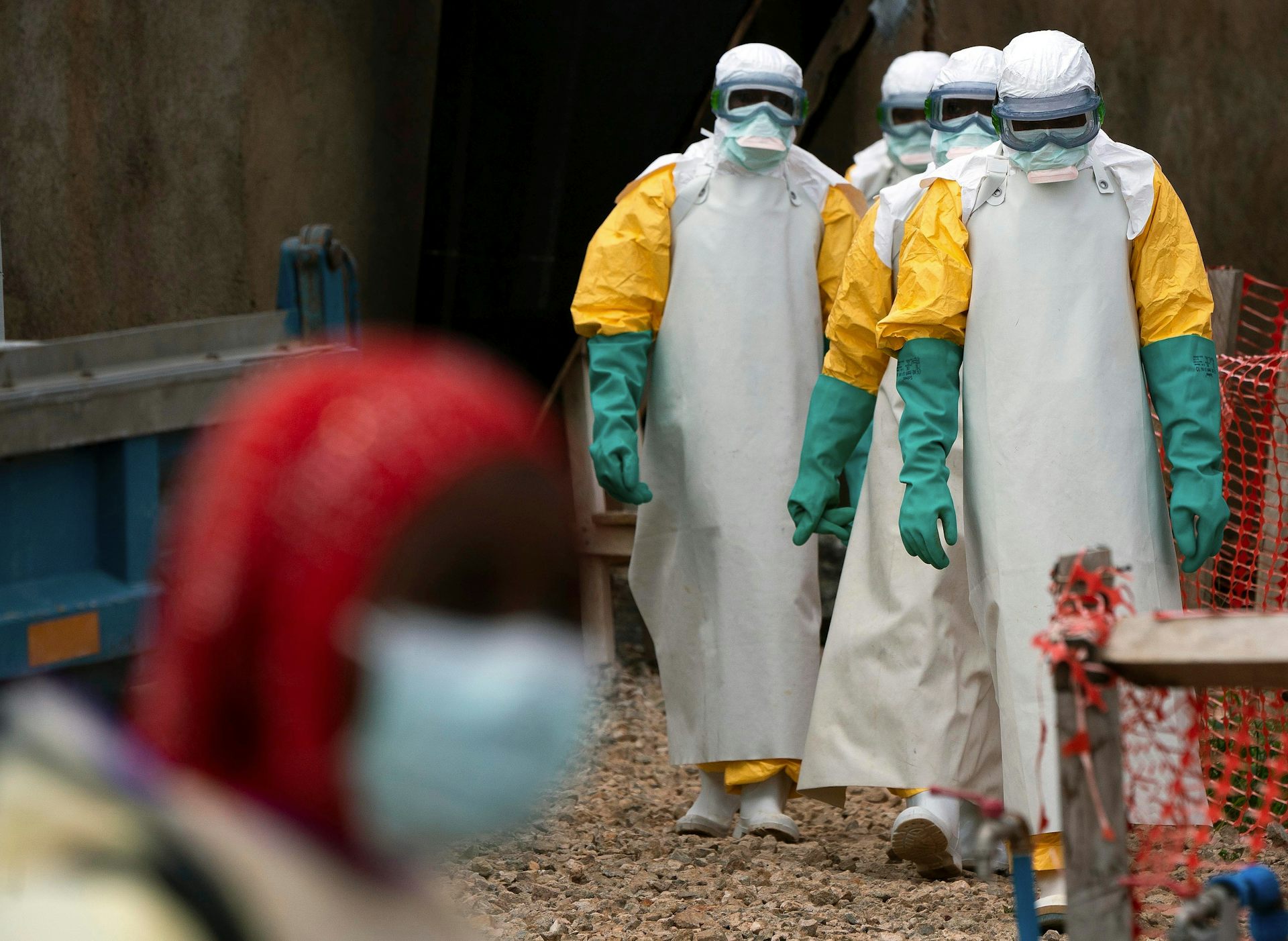
Dr. Andre Siqueira, a researcher from the Oswaldo Cruz research institute (Fiocruz) and a member of the team of doctors sent into the territory upon declaration of the crisis recounted: “The conditions of the population were devastating.” Nearly every person they tested was positive for malaria.
来自奥斯瓦尔多·克鲁斯研究所(Fiocruz)的研究人员,也是在危机宣布后被派往该地区的医生团队成员安德烈·西凯拉博士回忆道:“当地人口的状况是毁灭性的。”他们测试的几乎每个人都感染了疟疾。
Even small increases in mining can cause a surge in malaria cases
即使采矿增加一点点,也可能导致疟疾病例激增。
The Sumaúma dispatch, and the Instituto Sociaombiental report upon which it was based, linked the influx of illegal gold miners during the Bolsonaro administration to the Yanomami health crisis and the proliferation of malaria.
《苏马乌马快讯》以及其所依据的社会环境研究所报告将博索纳罗政府时期非法淘金者的涌入与亚诺马米人的健康危机和疟疾的蔓延联系起来。
As researchers who focus on how trends in land use contribute to the spread of parasites, we suspected that gold mining and malaria were not separate contributors to the same crisis, but part of one system of cause and effect devastating the territory and its people.
作为研究土地利用趋势如何促成寄生虫传播的研究人员,我们怀疑淘金和疟疾并非对同一危机的独立贡献因素,而是共同构成了一个摧毁该地区及其人民的因果系统的一部分。
Illegal gold mining can drive malaria in multiple ways. First, when miners tear down forests and open gashes along the edges of rivers to access gold deposits, they create the ideal breeding grounds for the mosquito species that transmits malaria in the Amazon.
非法淘金可以通过多种方式引发疟疾。首先,当矿工砍伐森林并在河岸开凿缺口以获取金矿时,他们为在亚马逊传播疟疾的蚊子物种创造了理想的繁殖地。
Second, when miners travel to the territory, potentially from malaria hotspots across South America, they can carry the parasite into the territory and increase its transmission.
其次,当矿工前往该地区时,他们可能从南美洲的疟疾热点地区携带寄生虫进入该地区,从而增加其传播。
Finally, small-scale gold miners often use mercury to cheaply and easily extract gold particles. This mercury is dumped into waterways across the region, poisoning the people who rely on the rivers for water and for fish, weakening their immune systems and making them more susceptible to malaria infection.
最后,小规模淘金者经常使用汞来廉价且容易地提取金颗粒。这些汞被倾倒入该地区的水道,毒害了那些依赖河流获取饮用水和鱼类的人们,削弱了他们的免疫系统,使他们更容易感染疟疾。
Thorough data on health and environmental conditions in the Amazon collected by the Brazilian Ministry of Health enabled us not only to confidently establish the link Indigenous people had long suspected, but to assign numbers to the relationship, making it concrete and actionable.
巴西卫生部收集的关于亚马逊健康和环境状况的全面数据,不仅使我们能够确凿地证实土著人民长期以来怀疑的联系,还能够为这种关系量化,使其具体化和可操作化。
We were shocked by the results. The relationship was far stronger than we suspected. We found that every 0.03% increase in mining led to a 20-46% increase in malaria one to two years later, resulting in a 300% increase in malaria in the Yanomami territory between 2016-2023.
我们对结果感到震惊。这种关联比我们预想的要强得多。我们发现,采矿每增加0.03%,就会导致一到两年后疟疾增加20-46%,导致2016年至2023年间亚诺马米地区疟疾激增了300%。
Understanding the association between gold mining and malaria underpinning the Yanomami health crisis is only one part of the puzzle. We hope that this research can serve as a tool to empower Indigenous communities with information about their health and inform policies that protect both human health and the environment. Our data indicates that by preventing illegal mining within Indigenous lands can protect their health and other important natural and cultural heritage.
了解支撑亚诺马米健康危机的淘金和疟疾之间的关联只是拼图的一部分。我们希望这项研究能成为一种工具,为土著社区提供关于其健康的知识,并为保护人类健康和环境制定政策提供信息。我们的数据显示,通过防止在土著土地内进行非法采矿,可以保护他们的健康以及其他重要的自然和文化遗产。
Improving healthcare access
改善医疗卫生服务可及性
The Lula government is engaging in important efforts to expel illegal gold miners and establish health centers in the Yanomami territory. Though hospitalizations for malaria have decreased slightly since 2023, malaria rates among Yanomami remain high due to the lagged effect we identified in our research and the difficulty of access to timely diagnoses and treatment in remote regions.
卢拉政府正在采取重要措施驱逐非法采金者,并在亚诺马米地区建立卫生中心。尽管自2023年以来,疟疾住院人数略有下降,但由于我们在研究中发现的滞后效应,以及偏远地区难以获得及时诊断和治疗的困难,亚诺马米人的疟疾发病率仍然很高。
Researchers are making strides to close this accessibility gap. An international team has developed “malakits”, which empower community members without formal medical training to diagnose and treat malaria on site. Such efforts are of critical importance given that the lagged effects of illegal gold mining will continue to cause elevated malaria incidence unless communities have broad access to treatment.
研究人员正在努力缩小这一可及性差距。一个国际团队开发了“malakits”,使没有正规医疗培训的社区成员能够在现场诊断和治疗疟疾。鉴于非法采金的滞后效应,除非社区能够广泛获得治疗,否则疟疾发病率仍将居高不下,因此这些努力至关重要。
It is also important to ensure full land rights of Indigenous populations and empower them to defend their land. This is proven to be one of the most effective ways to fight deforestation and protect ecosystems.
确保原住民拥有完整的土地权利并赋予他们捍卫土地的能力也至关重要。这已被证明是打击森林砍伐和保护生态系统最有效的方法之一。
Addressing the malaria crisis requires diversifying the rural Amazonian economy with an eye toward sustainability, such that people have options beyond mining and logging. Brazil is making strides toward this goal with the recent launch of a national bioeconomy development plan.
解决疟疾危机需要从可持续发展的角度实现亚马逊农村经济多元化,让人们拥有超越采矿和伐木的更多选择。巴西通过最近启动的国家生物经济发展计划,正在朝着这一目标迈进。
Informed consumers can prioritize purchasing recycled gold or refrain from purchasing gold at all to send a signal that further illegal gold extraction is not worth the human toll. As with the Blood Diamonds campaign in the early 2000s, real change can come from spreading the word about the human and environmental cost of illegal mining and demanding ethical supply chains.
知情的消费者可以优先购买回收金,或者完全不购买黄金,以此发出信号,表明进一步的非法采金不值得付出的人类代价。就像21世纪初的“血钻运动”一样,真正的改变可以来自于传播关于非法采矿的人类和环境成本的认知,并要求建立道德供应链。
Appeals to protect the Amazon region are often made on environmental terms. We want to make the case that saving the people in Amazon is also a global health imperative. Protecting the forest, investing in Indigenous land rights, fostering healthy economic opportunities for rural communities, and interrogating the role of gold in our global economy are all part of preventing the continued spread of one of the world’s deadliest infectious diseases.
保护亚马逊地区的呼吁通常是以环境为前提的。我们希望提出一个论点,即拯救亚马逊的人们也是一项全球卫生任务。保护森林、投资原住民土地权利、为农村社区培育健康的经济机会,以及审视黄金在我们全球经济中的作用,都是防止世界上最致命传染病持续传播的一部分。
Daniela de Angeli Dutra was funded by a grant from the National Institutes of Health (USA) awarded to Professor Erin Mordecai.
Daniela de Angeli Dutra 获得了美国国立卫生研究院(National Institutes of Health)授予 Erin Mordecai 教授的资助。
Riley Casagrande não presta consultoria, trabalha, possui ações ou recebe financiamento de qualquer empresa ou organização que poderia se beneficiar com a publicação deste artigo e não revelou nenhum vínculo relevante além de seu cargo acadêmico.
Riley Casagrande 不为任何可能从发表本文中受益的公司或组织提供咨询、工作、持有股票或接受资金,并且除了其学术职位外,未披露任何相关关联。