黑死病幸存者的名单揭示了人们如何从瘟疫中恢复
What a list of Black Death survivors reveals about the …
Despite the deadliness of the disease, it was possible to recover from plague, and medieval chroniclers mention the possibility – however unlikely – of survival.
尽管这种疾病极其致命,人们仍然有可能从瘟疫中恢复,中世纪的编年史家们提到了这种生存的可能性——尽管可能性很渺茫。
In our research in the British Library’s medieval collections, we have identified a previously unnoticed document that provides fresh insights into the survivors of the outbreak of plague known as the Black Death (1346–53) .
在我们对大英图书馆中中世纪藏品的研究所发现中,我们识别出了一份先前未被注意到的文件,它为我们提供了关于黑死病(1346–53)幸存者的最新见解。
The document – a scrap of parchment inserted into an account of the Ramsey Abbey manor of Warboys in Huntingdonshire – records how much time peasants were absent from work when struck down by the plague. It also reveals the names of those who survived and how long their employers believed recovery could take.
这份文件——一块插入亨廷顿郡沃博伊斯(Warboys)拉姆西修道院庄园记录中的羊皮纸碎片——记录了农民在被瘟疫击倒时缺席工作了多长时间。它还揭示了幸存者的姓名以及他们的雇主认为康复需要多长时间。
In our recent paper with Barney Sloane we shed new light on a group of 22 tenants who probably contracted plague, languished on their sickbeds for several weeks, and then recovered.
在我们与巴尼·斯洛恩(Barney Sloane)的最新论文中,我们为22名可能感染瘟疫的租户提供了新的光线:他们躺在病床上数周,然后康复了。
As one of the deadliest pandemics in recorded history, it has been estimated that between a third and two-thirds of the population of medieval Europe died during the Black Death.
作为有记载历史中最致命的流行病之一,据估计,中世纪欧洲人口的三分之一到三分之二在黑死病期间死亡。
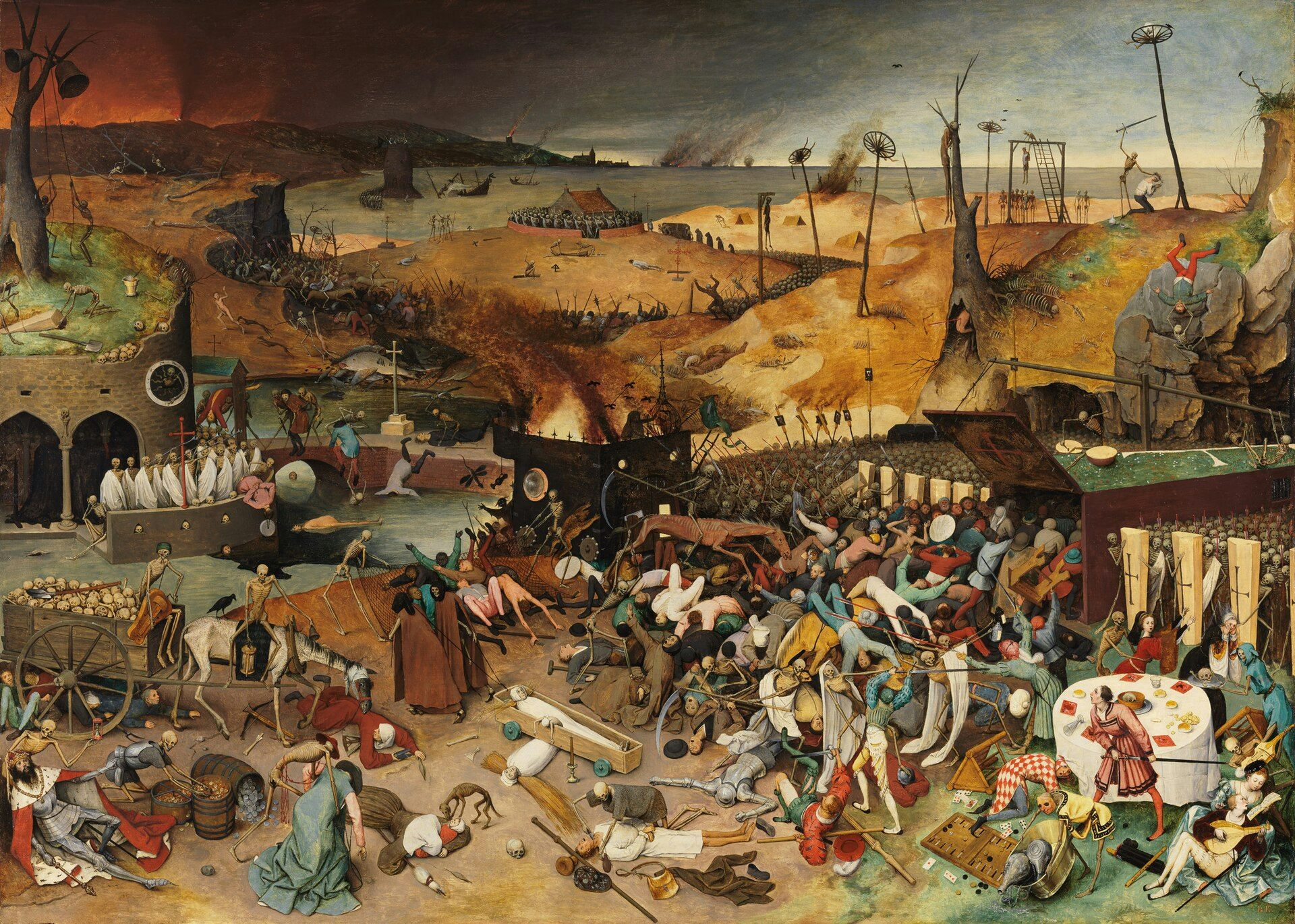
Given the sheer scale, many historians have focused on discovering details about those who died. Yet this has left the histories of those who contracted plague and recovered largely untold.
鉴于其巨大的规模,许多历史学家专注于发现有关死者细节。然而,这使得那些感染瘟疫并康复者的历史在很大程度上仍未被记载。
Despite the deadliness of the disease, it was possible to recover from plague, and medieval chroniclers mention the possibility – however unlikely – of survival. For example, Geoffrey le Baker, a clerk of Swinbrook in Oxfordshire, wrote in the following decade that he thought recovery depended on people’s symptoms:
尽管这种疾病极其致命,但人们仍有可能从瘟疫中康复,中世纪的编年史家们提到了生存的可能性——尽管这种可能性微乎其微。例如,奥克塞登郡斯温布鲁克(Swinbrook)的一名书记官杰弗里·勒·贝克尔(Geoffrey le Baker)在接下来的十年里写道,他认为康复取决于人们的症状:
People who one day had been full of happiness, on the next were found dead. Some were tormented by boils which broke out suddenly in various parts of the body, and were so hard and dry that when they were lanced hardly any liquid flowed out. Many of these people escaped, by lancing the boils or by long suffering. Other victims had little black pustules scattered over the skin of the whole body. Of these people very few, indeed hardly any, recovered life and health.
那些曾经充满幸福的人,第二天就发现死了。有些人被脓疱折磨,脓疱突然在身体各处爆开,它们非常坚硬和干燥,当用刀割开时几乎没有液体流出。这些人通过割开脓疱或长期的忍耐得以逃脱。其他受害者身上散布着一些黑色的脓疱。这些人中,确实很少,甚至几乎没有,能够恢复生命和健康。
But who recovered? Why did so many succumb to the disease when others survived? And just how long was this “long suffering”? Unfortunately, there is remarkably little documentary evidence because most medieval sources record information about mortality rather than ill health.
但谁康复了呢?为什么当其他人幸存时,如此多的人都屈服于这种疾病?而这种“长期忍耐”究竟持续了多久?不幸的是,文献证据非常少,因为大多数中世纪的资料记录的是死亡率而非疾病的健康状况。
Unique list of plague survivors
瘟疫幸存者的独特名单
A unique inclusion in the account of the manor of Warboys details a group of people who fell ill between the end of April and the start of August 1349. The monks of Ramsey Abbey wrote a list of their tenants who had fallen sufficiently sick that they could not work on the lord’s lands and detailed the length of time that they were absent.
在沃博伊斯庄园的记录中,这是一个独特的包含,详细记录了一群人在1349年4月底至8月初期间生病。拉姆西修道院的僧侣们写了一份名单,列出了那些病得足够重以无法在领主的土地上工作的佃户,并详细说明了他们缺席的时间长度。
People were clearly affected differently by their experience of plague.
人们对瘟疫的经历产生了明显不同的影响。
The quickest recovery was that of Henry Broun who missed just a single week of work. By contrast, John Derworth and Agnes Mold had much more protracted illnesses and were both absent for nine weeks.
恢复得最快的是亨利·布伦,他只缺席了一周的工作。相比之下,约翰·德尔沃斯和阿格尼丝·莫尔的病症要更长,他们都缺席了九周。
The average length of illness was between three and four weeks, with three-quarters of people returning to work in under a month. The speed of their recoveries is all the more surprising given that they were entitled to up to a year and a day of sick leave from work.
疾病的平均持续时间在三到四周之间,四分之三的人在一个月内恢复了工作。考虑到他们有权从工作中休病假长达一年零一天,他们恢复的速度更令人惊讶。
This list of survivors includes a preponderance of tenants who occupied larger holdings on the manor. It has long been debated by historians and archaeologists whether the plague killed indiscriminately, with no regard to status, sex or age, or whether the poor and elderly were more vulnerable.
这份幸存者名单包括了在庄园上拥有更大地产的佃户。历史学家和考古学家长期以来一直在争论瘟疫是否无差别地杀死了人,不分地位、性别或年龄,或者贫穷的老年人是否更脆弱。
The survival of so many wealthier tenants could indicate that their higher living standards enabled them to recover more readily than their poorer neighbours, perhaps because they were able to stave off secondary infections and complications. We should not read any significance into the fact that 19 out of the 22 people were men: this reflects the gender bias of manorial landholding rather than any sex-selectivity of plague.
如此多富裕佃户的生存可以表明,他们更高的生活水平使他们比贫穷的邻居更容易恢复,也许是因为他们能够避免继发感染和并发症。我们不应从19名中的22人是男性这一事实中读出任何意义:这反映了庄园土地所有权中的性别偏见,而不是瘟疫的性别选择性。
Although 22 people may not seem like many, in a regular year during the 1340s, only two or three absences were recorded during the summer months. It, therefore, represents a tenfold increase in regular illnesses on the manor. Put another way, these sick tenants were absent for 91 weeks’ worth of labour services during just a 13-week period.
尽管22个人可能看起来不多,但在1340年代的常年生活中,夏季只有两到三次缺席被记录。因此,这代表着庄园上常规疾病的十倍增加。换句话说,这些病患佃户在短短13周的时间里缺席了91周的劳役服务。
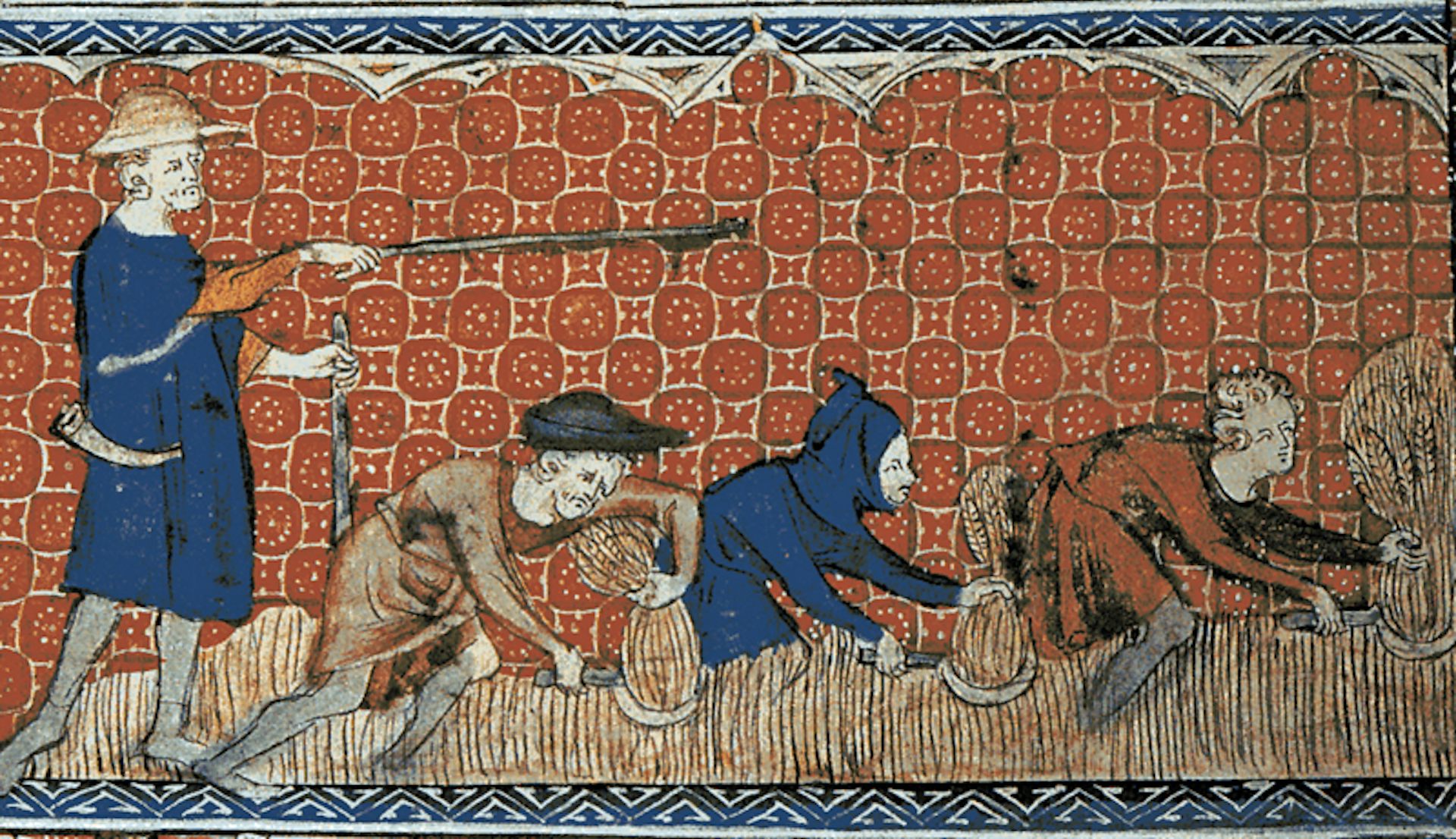
Our understanding of the impact of the Black Death has been influenced by the appalling scale of death. Yet it is only when we add those who fell ill and recovered back into the picture that we can truly understand the seismic shock the pandemic had on society. The dead, dying and sick must have considerably outnumbered the living in villages and cities across Europe.
我们对黑死病影响的理解受到了死亡的惊人规模的影响。然而,只有当我们把那些生病和康复的人也纳入考量时,我们才能真正理解这场大流行对社会的巨大冲击。在欧洲的村庄和城市中,死者、垂死者和病者一定远远多于在世的人。
The consequences of this can be seen in medieval accounts and chronicles, one of which records that “there was so great a shortage of servants and labourers that there was no one who knew what needed to be done”. As a result of this combination of high mortality, unprecedented illness and abysmal weather, the two harvests of 1349 and 1350 have been described as the worst experienced in medieval England, worse even than those that caused the great famine of 1315-17.
这些后果可以在中世纪的记述和编年史中看到,其中一篇记录道:“仆人和劳工如此短缺,以至于没有人知道该怎么做。”由于这种高死亡率、前所未有的疾病和糟糕的天气相结合,1349年和1350年的两次收成被描述为中世纪英格兰经历过的最糟糕的,甚至比1315-17年的大饥荒更糟。
This archival discovery allows us to write the history of sickness and recovery back into the Black Death, demonstrating that recovery was possible even during one of the worst pandemics in recorded history.
这项档案发现使我们能够将疾病和康复的历史重新写入黑死病之中,证明即使在有记录的史上最糟糕的流行病期间,恢复也是可能的。
This new evidence reveals the remarkable resilience of medieval peasants. Many of them lay languishing on their sickbeds, exhibiting buboes (the painful, swollen and inflamed lymph nodes on the groin and neck that were typical of the Black Death) , vomiting blood and wracked by fevers and not only survived but returned to work in just a few short weeks.
这一新证据揭示了中世纪农民非凡的韧性。他们中的许多人在病床上呻吟,表现出淋巴结肿大(黑死病典型的腹股沟和颈部的疼痛、肿胀和炎症淋巴结),呕血,并被发烧折磨,不仅幸存下来,还仅在几周内就重返工作岗位。
Research for this article was conducted thanks to funding from a Leverhulme Trust research project grant, ‘Modelling the Black Death and Social Connectivity in Medieval England’.
撰写本文的研究得益于对“模拟中世纪英格兰的黑死病和社会联系”这一Leverhulme信托研究项目的资助。
Dr Grace Owen is a postdoctoral research associate on the Leverhulme-Trust funded project, ‘Modelling the Black Death and Social Connectivity in Medieval England’.
格蕾丝·欧文博士是该Leverhulme-Trust资助项目的博士后研究员,“模拟中世纪英格兰的黑死病和社会联系”。