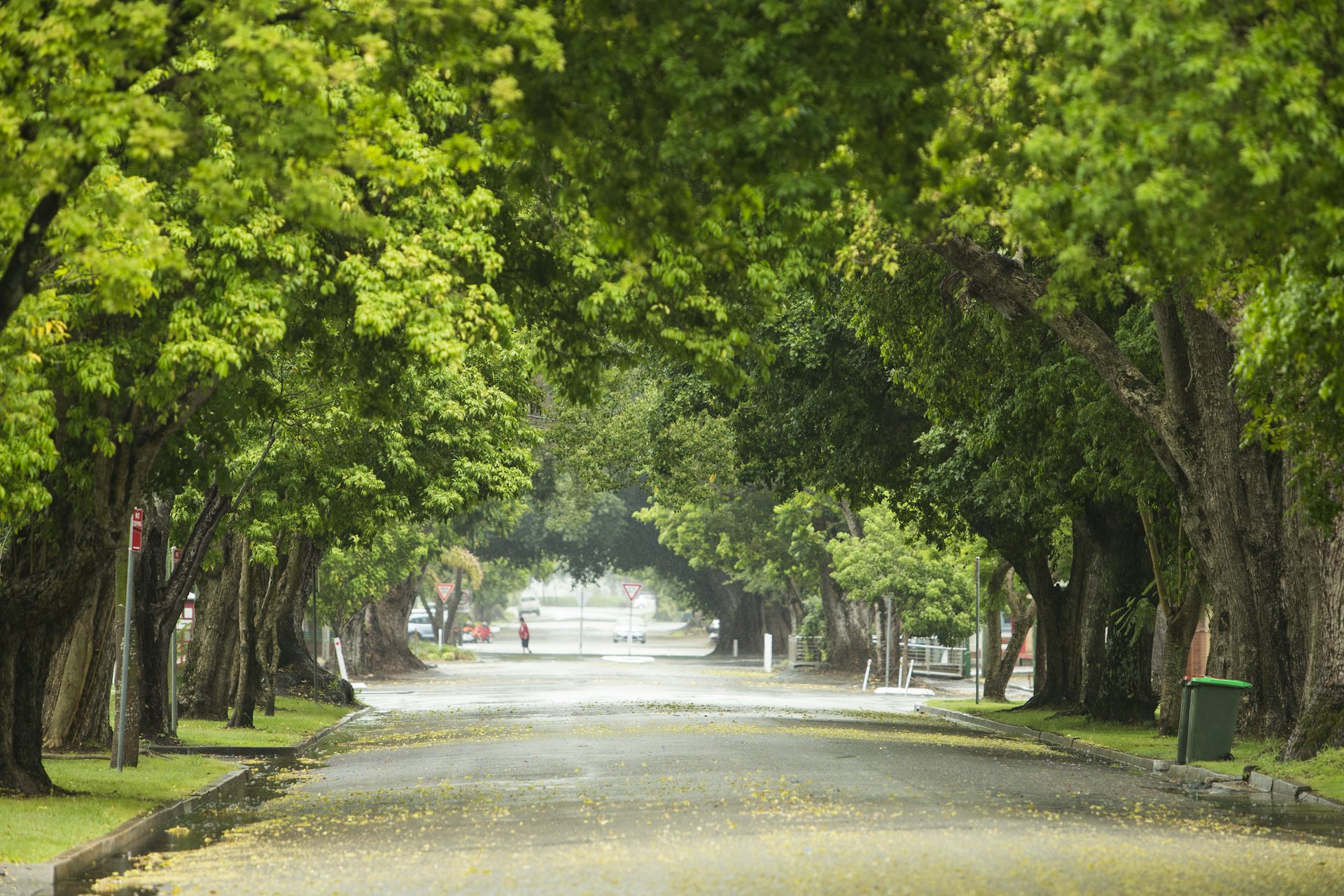
शहरी पेड़ दुनिया के शहरों को जितना हमने सोचा था उससे अधिक ठंडा करते हैं – लेकिन हम केवल उन पर निर्भर नहीं रह सकते
Urban trees cool the world’s cities more than we thought – but we can’t rely on them alone
Cities around the world rely on trees to keep temperatures lower. New research shows trees are remarkably effective – but can’t do it all
दुनिया भर के शहर तापमान को कम रखने के लिए पेड़ों पर निर्भर हैं। नए शोध से पता चलता है कि पेड़ उल्लेखनीय रूप से प्रभावी हैं – लेकिन सब कुछ नहीं कर सकते
Cities and towns are usually 1–3°C hotter than the surrounding countryside, because asphalt, concrete and brick absorb heat from the sun and radiate it slowly. Some cities can be as much as 7°C hotter. This effect is known as the urban heat island.
शहर और कस्बे आमतौर पर आसपास के ग्रामीण इलाकों की तुलना में 1–3°C अधिक गर्म होते हैं, क्योंकि डामर, कंक्रीट और ईंट सूरज से गर्मी अवशोषित करते हैं और इसे धीरे-धीरे विकीर्ण करते हैं। कुछ शहर 7°C तक अधिक गर्म हो सकते हैं। इस प्रभाव को शहरी ऊष्मा द्वीप (urban heat island) के रूप में जाना जाता है।
This can be dangerous, especially in hot countries. In very hot conditions, dehydration and heat exhaustion become real risks. If it gets too hot, it can be lethal.
यह खतरनाक हो सकता है, खासकर गर्म देशों में। बहुत गर्म परिस्थितियों में, निर्जलीकरण और गर्मी से थकावट वास्तविक खतरे बन जाते हैं। अगर बहुत अधिक गर्मी हो जाए, तो यह घातक हो सकता है।
There’s one simple antidote: urban trees. Authorities around the world have planted more trees to counteract the heat.
एक सरल उपाय है: शहरी पेड़। दुनिया भर के अधिकारियों ने गर्मी का मुकाबला करने के लिए अधिक पेड़ लगाए हैं।
But how effective is this? How much hotter would our cities be without trees?
लेकिन यह कितना प्रभावी है? पेड़ों के बिना हमारे शहर कितने अधिक गर्म होंगे?
To find out, we analysed data from nearly 9,000 cities around the world, home to about 3.6 billion people. As our new research shows, trees almost halve how much heat is trapped by the urban heat island effect.
यह पता लगाने के लिए, हमने दुनिया भर के लगभग 9,000 शहरों से डेटा का विश्लेषण किया, जहाँ लगभग 3.6 अरब लोग रहते हैं। जैसा कि हमारे नए शोध से पता चलता है, पेड़ शहरी ऊष्मा द्वीप प्रभाव द्वारा फंसी हुई गर्मी को लगभग आधा कर देते हैं।
This cooling is welcome. But it is far from even. Wealthier, suburban and humid cities have more trees on average.
यह शीतलन स्वागत योग्य है। लेकिन यह समान नहीं है। अधिक समृद्ध, उपशहरी और आर्द्र शहरों में औसतन अधिक पेड़ हैं।
Why focus on trees?
पेड़ों पर ध्यान क्यों दें?
Trees act like natural air conditioners. They shade the ground and stop asphalt and buildings from heating up in the first place. They also cool the air by releasing water vapour from their leaves in a process called transpiration, lowering surrounding temperatures. They can make a noticeable temperature difference, especially on sizzling summer days.
पेड़ प्राकृतिक एयर कंडीशनर की तरह काम करते हैं। वे ज़मीन को छाया देते हैं और शुरुआत में ही डामर और इमारतों को गर्म होने से रोकते हैं। वे वाष्पोत्सर्जन नामक प्रक्रिया द्वारा अपनी पत्तियों से जल वाष्प छोड़कर हवा को भी ठंडा करते हैं, जिससे आसपास का तापमान कम होता है। वे एक ध्यान देने योग्य तापमान अंतर पैदा कर सकते हैं, खासकर तपते गर्मी के दिनों में।
Trees offer a simple way to counteract urban heat. This matters. More than half the world’s population (55%) now live in urban areas according to the United Nations. By 2050, that figure is expected to rise to 68%. Cities are facing a hotter future, as climate change drives more intense and more frequent heatwaves. The urban heat island effect makes cities hotter still.
पेड़ शहरी गर्मी का मुकाबला करने का एक सरल तरीका प्रदान करते हैं। यह महत्वपूर्ण है। संयुक्त राष्ट्र के अनुसार, दुनिया की आधी से अधिक आबादी (55%) अब शहरी क्षेत्रों में रहती है। 2050 तक, यह आंकड़ा बढ़कर 68% होने की उम्मीद है। जलवायु परिवर्तन के कारण अधिक तीव्र और अधिक बार पड़ने वाली लू के कारण शहर एक गर्म भविष्य का सामना कर रहे हैं। शहरी ताप द्वीप प्रभाव शहरों को और भी गर्म बना देता है।
What did we do?
हमने क्या किया?
We wanted to know the answer to a simple question: how much hotter would cities be without trees?
हम एक साधारण प्रश्न का उत्तर जानना चाहते थे: पेड़ों के बिना शहर कितने गर्म होंगे?
To find out, we analysed global datasets of air temperature and fine-scale tree cover across almost 9,000 cities. Then we modelled a “what if” scenario, where all tree cover was removed, and compared it to current conditions.
यह पता लगाने के लिए, हमने लगभग 9,000 शहरों में हवा के तापमान और बारीक स्तर के वृक्ष आवरण के वैश्विक डेटासेट का विश्लेषण किया। फिर हमने एक “क्या होगा” परिदृश्य का मॉडल बनाया, जिसमें सभी वृक्ष आवरण को हटा दिया गया, और इसकी तुलना वर्तमान स्थितियों से की।
This allowed us to estimate the real-world cooling effect trees provide for air temperature, which is the main way we perceive heat.
इससे हमें हवा के तापमान के लिए पेड़ों द्वारा प्रदान किए जाने वाले वास्तविक दुनिया के शीतलन प्रभाव का अनुमान लगाने में मदद मिली, जो गर्मी महसूस करने का मुख्य तरीका है।
Most previous global studies have used surface temperatures, often from satellite data. But surfaces like roads and rooftops can become much hotter than the surrounding air above them, especially in direct sunlight. That can give an overestimate of how much cooling trees provide. Air temperature, by contrast, better reflects what people actually feel, making it a more reliable measure of heat.
अधिकांश पिछले वैश्विक अध्ययनों में सतह के तापमान का उपयोग किया गया है, जो अक्सर उपग्रह डेटा से होता है। लेकिन सड़कें और छतें जैसी सतहें अपने ऊपर की आसपास की हवा की तुलना में बहुत अधिक गर्म हो सकती हैं, खासकर सीधी धूप में। इससे यह अधिक अनुमान लग सकता है कि पेड़ कितना शीतलन प्रदान करते हैं। इसके विपरीत, हवा का तापमान इस बात को बेहतर ढंग से दर्शाता है कि लोग वास्तव में कैसा महसूस करते हैं, जिससे यह गर्मी का अधिक विश्वसनीय माप बन जाता है।
So what effect do trees really have?
पेड़ों का वास्तव में क्या प्रभाव होता है?
The effect was much larger than we had anticipated.
प्रभाव हमारी अपेक्षा से कहीं अधिक था।
Globally, trees cut the urban heat island effect by almost 50%. Since the average urban heat island effect typically adds around 1–3°C, this translates into cooling of roughly 0.5–1.5°C in many cities.
वैश्विक स्तर पर, पेड़ शहरी ऊष्मा द्वीप प्रभाव को लगभग 50% कम करते हैं। चूंकि औसत शहरी ऊष्मा द्वीप प्रभाव आमतौर पर 1–3°C जोड़ता है, इसलिए यह कई शहरों में लगभग 0.5–1.5°C की शीतलन में तब्दील होता है।
For more than 200 million people, trees reduce local air temperatures by at least 0.5°C, enough to make a meaningful difference during extreme heat.
200 मिलियन से अधिक लोगों के लिए, पेड़ स्थानीय हवा के तापमान को कम से कम 0.5°C तक घटाते हैं, जो अत्यधिक गर्मी के दौरान एक महत्वपूर्ण अंतर पैदा करने के लिए पर्याप्त है।
Cooling can vary a lot from place to place.
शीतलन स्थान-स्थान पर बहुत भिन्न हो सकता है।
In hot, dry cities such as Phoenix in the United States, differences in tree cover can create clear differences in air temperatures. In more temperate cities like Lisbon in Portugal or Gothenburg in Sweden, the overall cooling is still significant, but generally smaller and more consistent across the city.
संयुक्त राज्य अमेरिका के फीनिक्स जैसे गर्म, शुष्क शहरों में, पेड़ के आवरण में अंतर हवा के तापमान में स्पष्ट अंतर पैदा कर सकते हैं। पुर्तगाल के लिस्बन या स्वीडन के गॉथेनबर्ग जैसे अधिक समशीतोष्ण शहरों में, समग्र शीतलन अभी भी महत्वपूर्ण है, लेकिन आम तौर पर पूरे शहर में छोटा और अधिक सुसंगत होता है।
Trees are not evenly distributed
पेड़ समान रूप से वितरित नहीं होते
A city’s trees are not spread evenly. They’re often concentrated in wealthier neighbourhoods and suburban areas. Cities in cooler or more humid climates tend to have more.
किसी शहर के पेड़ समान रूप से फैले नहीं होते। वे अक्सर अमीर पड़ोस और उपनगरीय क्षेत्रों में केंद्रित होते हैं। ठंडे या अधिक आर्द्र जलवायु वाले शहरों में अधिक पेड़ होने की प्रवृत्ति होती है।
Trees are scarcer in lower-income cities or in rapidly growing regions. This inequality is also visible in many cities. Leafy suburbs are usually several degrees cooler than nearby neighbourhoods with little vegetation.
कम आय वाले शहरों या तेजी से बढ़ते क्षेत्रों में पेड़ कम होते हैं। यह असमानता कई शहरों में भी दिखाई देती है। घने पत्तों वाले उपनगर आमतौर पर कम वनस्पति वाले आस-पास के पड़ोस की तुलना में कई डिग्री ठंडे होते हैं।
There’s a strong link with wealth. In the United States, lower-income areas average 15% fewer trees than wealthier areas – and are 1.5°C hotter. This means the people who need free cooling from trees the most are often the least likely to receive it.
धन के साथ एक मजबूत संबंध है। संयुक्त राज्य अमेरिका में, कम आय वाले क्षेत्रों में अमीर क्षेत्रों की तुलना में औसतन 15% कम पेड़ होते हैं – और वे 1.5°C अधिक गर्म होते हैं। इसका मतलब है कि जिन लोगों को पेड़ों से मुफ्त शीतलन की सबसे अधिक आवश्यकता होती है, उन्हें अक्सर यह प्राप्त करने की सबसे कम संभावना होती है।
Planting more trees isn’t enough
अधिक पेड़ लगाना पर्याप्त नहीं है
Planting trees is often promoted as a simple solution to city heat. Trees are visible, relatively low cost and come with other benefits such as cleaner air and better mental health.
पेड़ों को अक्सर शहर की गर्मी के लिए एक सरल समाधान के रूप में प्रचारित किया जाता है। पेड़ दिखाई देते हैं, अपेक्षाकृत कम लागत वाले होते हैं और स्वच्छ हवा तथा बेहतर मानसिक स्वास्थ्य जैसे अन्य लाभ भी प्रदान करते हैं।
It’s no wonder authorities look to urban trees as a way to counteract the heat from escalating climate change. When you stand under a tree on a sweltering day, the cooling feels immediate and powerful.
यह कोई आश्चर्य की बात नहीं है कि अधिकारी बढ़ते जलवायु परिवर्तन से गर्मी का मुकाबला करने के तरीके के रूप में शहरी पेड़ों को देखते हैं। जब आप एक तपते दिन पेड़ के नीचे खड़े होते हैं, तो ठंडक तत्काल और शक्तिशाली महसूस होती है।
But our study shows their effect is more limited in the face of climate change. The world’s current urban trees would, we estimate, offset just 10% of the extra heat expected by mid-century under moderate climate change scenarios. With ambitious planting, this could rise to around 20%.
लेकिन हमारा अध्ययन दिखाता है कि जलवायु परिवर्तन के सामने उनका प्रभाव अधिक सीमित है। हमारा अनुमान है कि वर्तमान शहरी पेड़ मध्य शताब्दी तक मध्यम जलवायु परिवर्तन परिदृश्यों के तहत अपेक्षित अतिरिक्त गर्मी का केवल 10% ही कम कर पाएंगे। महत्वाकांक्षी रोपण के साथ, यह बढ़कर लगभग 20% हो सकता है।
While important, it’s not enough. A large majority of the extra heat will go unaddressed.
महत्वपूर्ण होते हुए भी, यह पर्याप्त नहीं है। अतिरिक्त गर्मी का एक बड़ा बहुमत अनसुलझा रहेगा।
What else can be done?
और क्या किया जा सकता है?
If the world’s cities are to cope with rising temperatures, trees have to be seen as part of a broader strategy – not the whole answer.
यदि दुनिया के शहरों को बढ़ते तापमान का सामना करना है, तो पेड़ों को एक व्यापक रणनीति के हिस्से के रूप में देखा जाना चाहिए – न कि संपूर्ण समाधान के रूप में।
Clever urban design can cut heat by using reflective materials, increasing green spaces and improving airflow between buildings. Green roofs and shaded streets can also make a difference.
चतुर शहरी डिज़ाइन परावर्तक सामग्री का उपयोग करके, हरित स्थानों को बढ़ाकर और इमारतों के बीच वायु प्रवाह में सुधार करके गर्मी को कम कर सकता है। हरी छतें और छायादार सड़कें भी अंतर ला सकती हैं।
New tree plantings should target hotter neighbourhoods with less existing tree canopy, as these will deliver the greatest benefits.
नए पेड़ लगाने को उन पड़ोस को लक्षित करना चाहिए जहाँ मौजूदा पेड़ आवरण कम है और जो अधिक गर्म होते हैं, क्योंकि ये सबसे अधिक लाभ देंगे।
Of course, these measures don’t replace the need to tackle climate change directly by cutting greenhouse gas emissions.
बेशक, ये उपाय ग्रीनहाउस गैस उत्सर्जन में कटौती करके जलवायु परिवर्तन से सीधे निपटने की आवश्यकता का स्थान नहीं लेते हैं।
Using trees wisely
पेड़ों का बुद्धिमानी से उपयोग करना
Billions of trees grow in the world’s cities. They are hugely valuable, acting to cool cities, support biodiversity and making urban areas more liveable.
दुनिया के शहरों में अरबों पेड़ उगते हैं। वे बहुत मूल्यवान हैं, क्योंकि वे शहरों को ठंडा करने, जैव विविधता का समर्थन करने और शहरी क्षेत्रों को अधिक रहने योग्य बनाने का काम करते हैं।
The challenge for city residents and authorities is to use trees wisely. Plant them where they’re needed most and combine them with other methods of reducing heat. Trees are remarkable. But they can’t do it all.
शहर के निवासियों और अधिकारियों के लिए चुनौती है कि वे पेड़ों का बुद्धिमानी से उपयोग करें। उन्हें वहाँ लगाएं जहाँ सबसे अधिक ज़रूरत है और उन्हें गर्मी कम करने के अन्य तरीकों के साथ मिलाएं। पेड़ अद्भुत होते हैं। लेकिन वे सब कुछ नहीं कर सकते।
Rob McDonald works for The Nature Conservancy, an environmental nonprofit.
रॉप मैकडॉनल्ड द नेचर कंज़र्वेंसी के लिए काम करते हैं, जो एक पर्यावरण गैर-लाभकारी संस्था है।
Tirthankar Chakraborty has received funding from DOE, NASA, and NIH to study urban environments, including impacts of vegetation on urban heat.
तीर्थंकर चक्रवर्ती को शहरी वातावरण का अध्ययन करने के लिए, जिसमें शहरी गर्मी पर वनस्पति का प्रभाव शामिल है, डीओई, नासा और एनआईएच से फंडिंग मिली है।
Manuel Esperon-Rodriguez does not work for, consult, own shares in or receive funding from any company or organisation that would benefit from this article, and has disclosed no relevant affiliations beyond their academic appointment.
मैनुअल एस्पेरोन-रोड्रिगेज किसी भी कंपनी या संगठन के लिए काम नहीं करते हैं, न ही वे उनसे सलाह लेते हैं, न ही उनमें हिस्सेदारी रखते हैं या उनसे फंडिंग प्राप्त करते हैं जिससे इस लेख को लाभ होगा, और उन्होंने अपनी शैक्षणिक नियुक्ति से परे कोई प्रासंगिक जुड़ाव नहीं बताया है।
Read more
-
मध्य पूर्व संघर्ष: इस युद्धविराम ने ईरान को और मजबूत बना दिया होगा
Middle East conflict: this ceasefire may have made Iran stronger
-

यूक्रेन युद्ध अब प्रथम विश्व युद्ध से भी अधिक लंबा हो गया है – लेकिन इसकी समानताएँ चिंताजनक हैं।
Ukraine war now longer than the first world war – but the similarities are unsettling