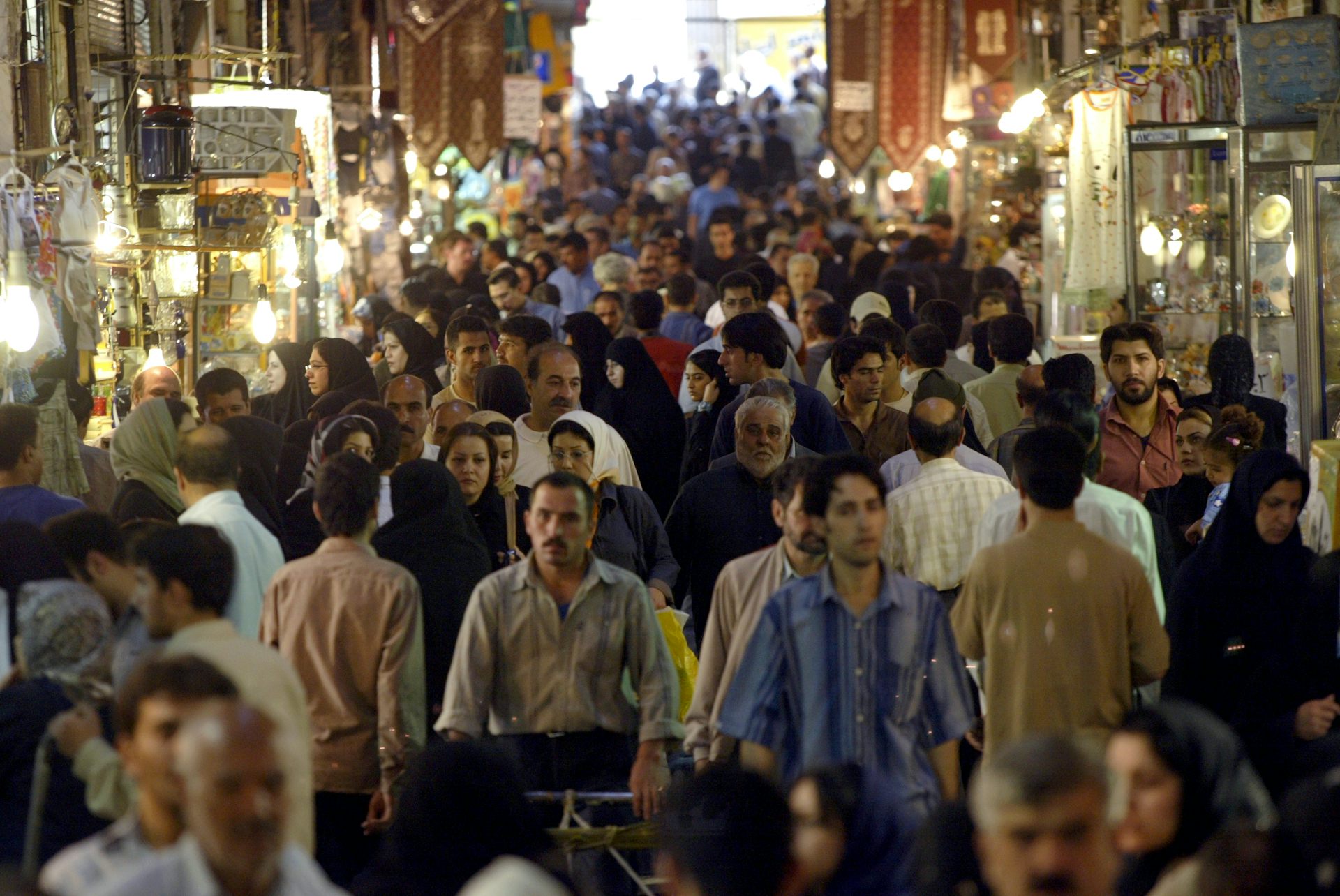
“لا خوف من الأسود الهادرة”: لإيران تاريخ طويل من الصمود في وجه المعتدين الخارجيين
‘No fear of roaring lions’: Iran has a long history of standing firm against outside aggressors
At every difficult moment in their long history, the Persian people have fought to preserve what is theirs. The Trump administration may have underestimated this.
في كل لحظة عصيبة في تاريخها الطويل، قاتل الشعب الفارسي للحفاظ على ما يخصه. وربما قللت إدارة ترامب من شأن ذلك.
US President Donald Trump’s threats against Iran since the war began have targeted not just the country’s military capabilities, but its entire civilisation.
إن تهديدات الرئيس الأمريكي دونالد ترامب ضد إيران منذ بدء الحرب استهدفت ليس فقط القدرات العسكرية للبلاد، بل حضارتها بأكملها.
In recent days, he has threatened that Iran would be “blown off the face of the earth” if it attacks US ships trying to reopen the Strait of Hormuz.
في الأيام الأخيرة، هدد بأن إيران “سيتم نفخها من وجه الأرض” إذا هاجمت سفن أمريكية تحاول إعادة فتح مضيق هرمز.
He’s previously pledged to send Iran back to the “Stone Age”, and warned that “a whole civilisation will die tonight, never to be brought back again”.
وقد تعهد سابقاً بإعادة إيران إلى “العصر الحجري”، وحذر من أن “حضارة بأكملها ستموت الليلة، ولن يُعاد إليها أبداً.”
These statements show not only extreme belligerence, but Trump’s complete lack of understanding of Iran’s long, resilient culture and civilisation and the fortitude of its people.
تُظهر هذه التصريحات ليس فقط العدوانية الشديدة، بل أيضاً افتقار ترامب التام لفهم الثقافة والحضارة الإيرانية الطويلة والصامدة، وقوة شعبها.
Iran has been subjected to much internal strife and foreign power intervention, but it has never been colonised or subjugated. At every difficult moment in their history, Iranians have fought to preserve what is theirs.
تعرضت إيران للكثير من الصراعات الداخلية وتدخلات القوى الأجنبية، لكنها لم تُستعمَر أو تُخضَع قط. وفي كل لحظة عصيبة في تاريخها، حارب الإيرانيون للحفاظ على ما يملكونه.
Persian influence in ancient Greece and Rome
التأثير الفارسي في اليونان وروما القديمة
Since the Greco-Persian Wars (499 BCE) , Persia has served as the West’s ultimate “other”: a dark and despotic oriental villain menacing an enlightened West.
منذ الحروب اليونانية الفارسية (499 قبل الميلاد) ، مثلت بلاد فارس “الآخر” المطلق للغرب: شرير شرقي مظلم واستبدادي يهدد غرباً مستنيراً.
This is despite Persia’s return of exiled Jews in Babylon to Jerusalem to rebuild their temple in 538 BCE, and its tolerance of diversity in the world’s first truly multicultural empire.
ويأتي هذا على الرغم من عودة بلاد فارس لليهود المنفيين في بابل إلى القدس لإعادة بناء معبدهم في عام 538 قبل الميلاد، وتسامحها مع التنوع في أول إمبراطورية متعددة الثقافات في العالم.
The victories of a coalition of Greek city-states over the Achaemenid Persian imperial forces at Salamis (480 BCE) and Marathon (490 BCE) are considered pivotal moments in the history of Western civilisation.
تُعتبر انتصارات تحالف من المدن اليونانية على القوات الإمبراطورية الفارسية الأخمينية في سالامي (480 قبل الميلاد) وماراثون (490 قبل الميلاد) لحظات محورية في تاريخ الحضارة الغربية.
Yet this was just a minor setback for Persia. In fact, Persia continued to play a decisive role in Greek affairs. Persian gold helped Sparta defeat Athens in the Peloponnesian War (431–404 BCE) , and Persia was often the most important mediator in Greek affairs.
ومع ذلك، لم يكن هذا سوى نكسة بسيطة بالنسبة لبلاد فارس. في الواقع، استمرت بلاد فارس في لعب دور حاسم في الشؤون اليونانية. ساعد الذهب الفارسي إسبرطة على هزيمة أثينا في الحرب البيلوبونيزية (431-404 قبل الميلاد) ، وكانت بلاد فارس غالباً أهم وسيط في الشؤون اليونانية.
The Parthian and Sasanian Empires that followed the Achaemenids in Persia then challenged the Romans.
ثم تحدت الإمبراطوريات البارثية والساسانية التي تلت الأخمينيين في بلاد فارس الرومان.
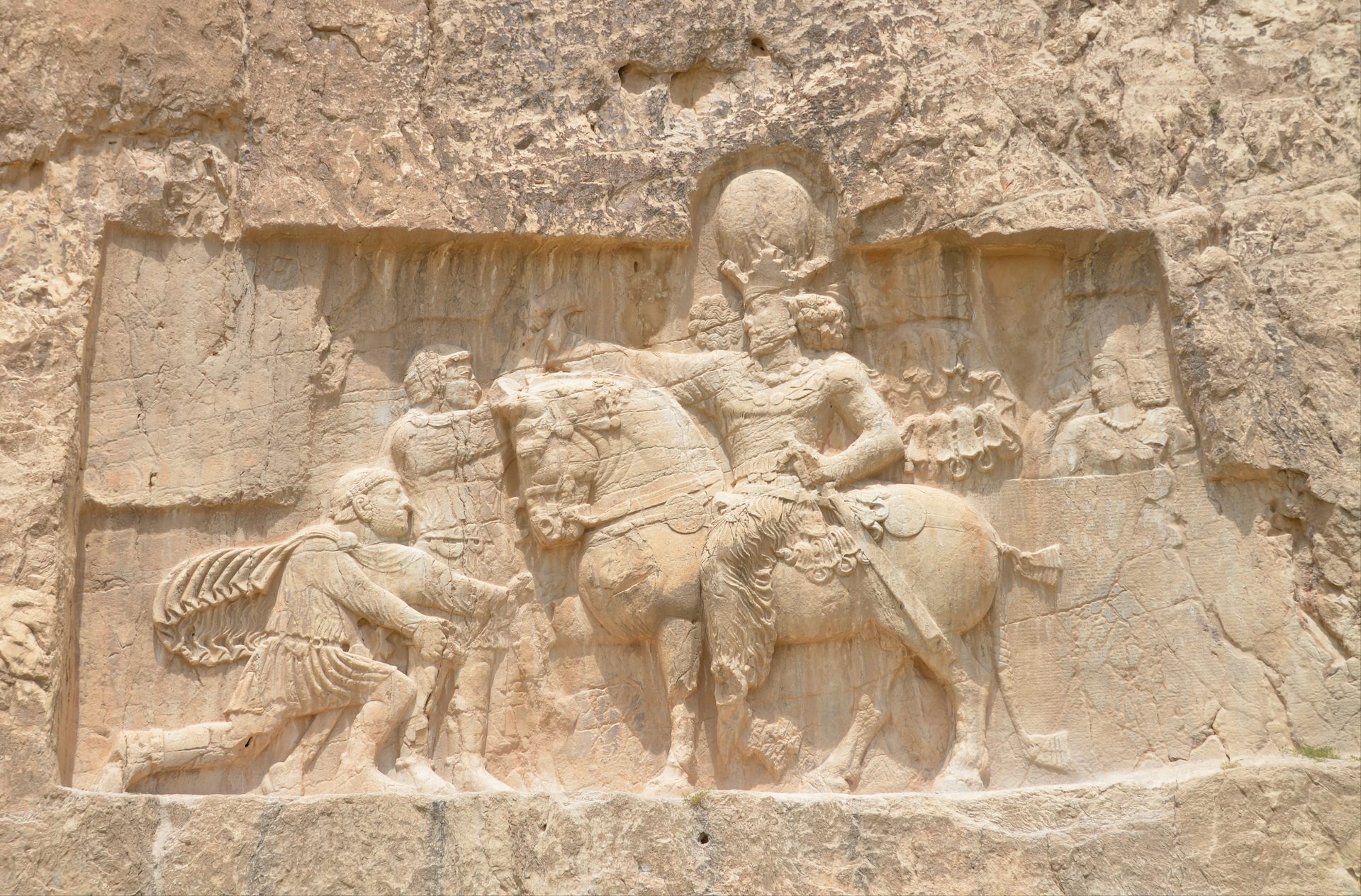
In 260 CE, Sasanian Emperor Shapur I captured Roman Emperor Valerian in battle – an unprecedented act. A century later, Shapur II’s army fought off an attempted invasion by Emperor Julian, killing him in the process.
في عام 260 ميلادية، أسر الإمبراطور الساساني شاپور الأول الإمبراطور الروماني فاليريان في المعركة – وهو عمل غير مسبوق. وبعد قرن، صد جيش شاپور الثاني غزوًا محاولًا من قبل الإمبراطور يوليان، وقتله في هذه العملية.
Western triumphal narratives tend to forget that Persia repeatedly humbled the greatest Western empire in ancient times.
تميل السرديات الغربية الظافرة إلى نسيان أن بلاد فارس أذلت أعظم إمبراطورية غربية في العصور القديمة مراراً وتكراراً.
Surviving invasions from the east and west
نجاة من الغزوات من الشرق والغرب
Alexander the Great conquered Persia militarily. However, he embraced Persian culture, which outlasted Greek influence in the region.
غزا الإسكندر الأكبر بلاد فارس عسكرياً. ومع ذلك، تبنى الثقافة الفارسية، التي تجاوزت تأثير اليونان في المنطقة.
The advent of Islam did not extinguish Persia’s civilisation or resilience, either. Islamic leaders preserved Persian language and culture, kept pre-Islamic festivals such as Nowruz (the 3,000-year-old Persian New Year) , and adapted Zoroastrian concepts into Shiite Islam’s emphasis on resistance to tyranny.
لم يقم ظهور الإسلام بإطفاء حضارة فارس أو صمودها أيضاً. فقد حافظ القادة الإسلاميون على اللغة والثقافة الفارسية، واحتفظوا بالمهرجانات ما قبل الإسلام مثل النوروز (العيد الفارسي الجديد الذي يعود إلى 3000 عام) ، وكيّفوا المفاهيم الزرادشتية لتتلاءم مع تركيز الإسلام الشيعي على مقاومة الطغيان.
The Mongols’ multiple invasions (between 1219 and 1258) devastated Iran, yet core elements of Persian civilisation survived. Persian power flourished again, especially under the Safavid dynasty (1501–1736) .
دمر الغزو المتعدد الذي قام به المغول (بين عامي 1219 و 1258) إيران، ومع ذلك، نجت العناصر الأساسية للحضارة الفارسية. ازدهرت القوة الفارسية مرة أخرى، خاصة في عهد السلالة الصفوية (1501–1736) .
During the Qajar dynasty (1789–1925) , Persia was squeezed by the Anglo-Russian rivalry of Great Game era, but was not subdued.
خلال سلالة القاجار (1789–1925) ، ضُغطت بلاد فارس بسبب التنافس الأنجلو-روسي في حقبة “اللعبة الكبرى”، لكنها لم تُخضَع.
During the second world war, Iran was occupied by the British in the oil-rich south and the Soviets in the north. However, both powers pledged, along with the United States, to respect Iran’s sovereignty and withdraw at the end of the war.
خلال الحرب العالمية الثانية، احتلت بريطانيا إيران في الجنوب الغني بالنفط والاتحاد السوفيتي في الشمال. ومع ذلك، تعهدت كلتا القوتين، إلى جانب الولايات المتحدة، باحترام سيادة إيران والانسحاب في نهاية الحرب.
A turbulent 20th century
القرن العشرون المضطرب
This episode rejuvenated Iranian nationalism and prompted a movement to free Iran from traditional major power rivalries and gain control over its own resources. This especially pertained to oil, since the British had controlled Iran’s oil reserves through the Anglo-Iranian Oil Company (AIOC) from the early 19th century.
أدت هذه المرحلة إلى تجديد القومية الإيرانية وحفزت حركة لتحرير إيران من تنافس القوى الكبرى التقليدي واكتساب السيطرة على مواردها الخاصة. وقد تعلق هذا بشكل خاص بالنفط، حيث كانت بريطانيا قد سيطرت على احتياطيات النفط الإيرانية عبر شركة النفط الأنجلو-إيرانية (AIOC) منذ أوائل القرن التاسع عشر.
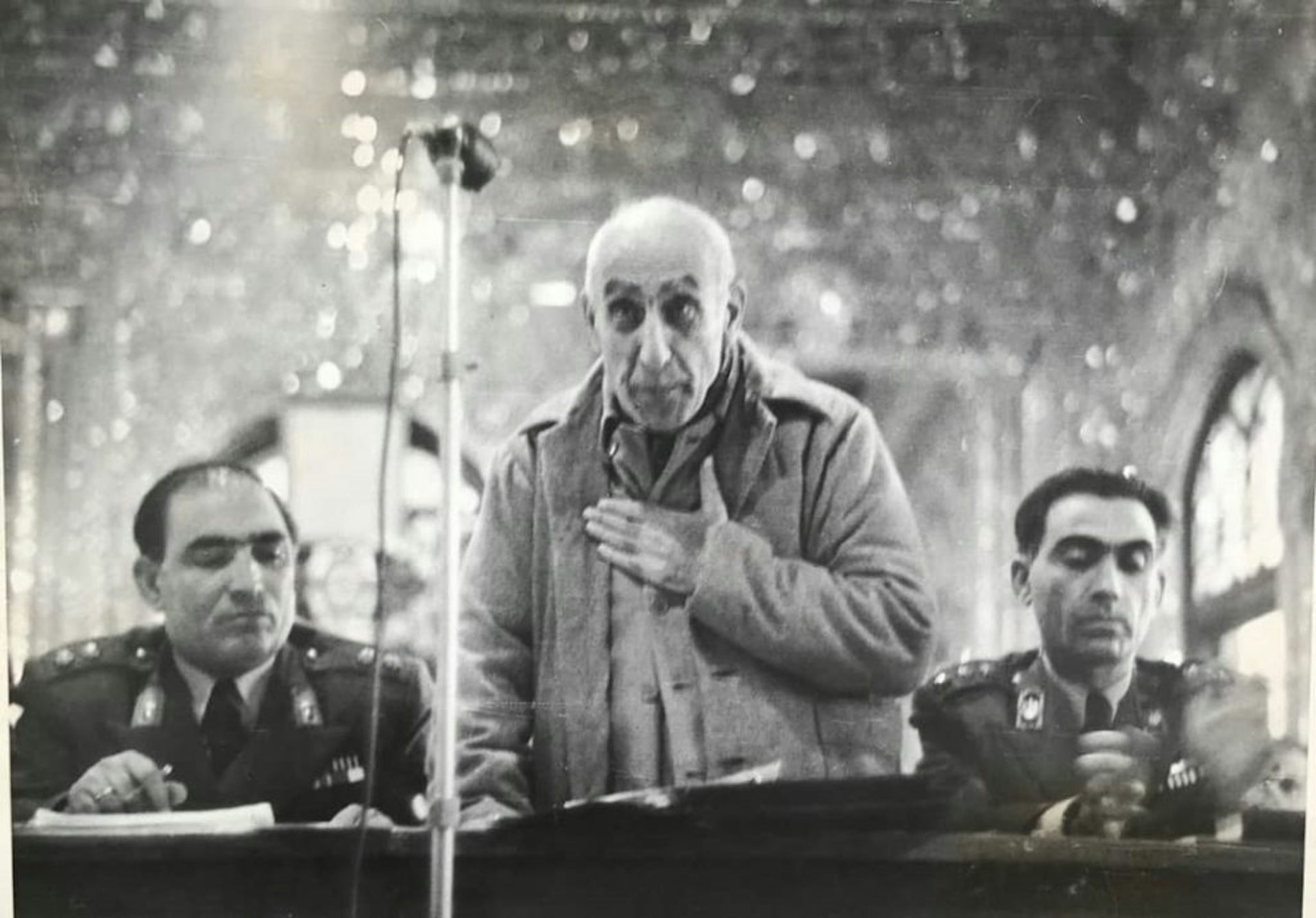
In 1951, a long-time nationalist-reformist, Mohammad Mossadegh, was elected prime minister and promptly nationalised the AIOC, sparking a major dispute with London.
في عام 1951، انتُخب محمد مصدق، القومي الإصلاحي القدير، رئيسًا للوزراء، وأمم الشركة الأنجلو-إيرانية على الفور، مما أثار نزاعًا كبيرًا مع لندن.
Mossadegh also sought to limit the power of Iran’s monarchy in favour of democratic reforms, causing a conflict with the young, pro-Western Mohammad Reza Shah, who was still the country’s reigning monarch.
كما سعى مصدق إلى الحد من سلطة ملكية إيران لصالح الإصلاحات الديمقراطية، مما تسبب في صراع مع محمد رضا شاه الشاب والمؤيد للغرب، الذي كان لا يزال الملك الحاكم للبلاد.
The shah was forced into exile in 1953, only to be returned to the throne days later when Mossadegh was overthrown in a covert operation by the US Central Intelligence Agency, with MI6’s help. (Fifty years later, US President Barack Obama acknowledged the CIA’s role in the coup.)
أُجبر الشاه على المنفى في عام 1953، ليُعاد إلى العرش بعد أيام عندما أطيح بمصدق في عملية سرية نفذتها وكالة المخابرات المركزية الأمريكية بمساعدة جهاز المخابرات البريطاني (MI6) . (بعد خمسين عامًا، اعترف الرئيس الأمريكي باراك أوباما بدور وكالة المخابرات المركزية في الانقلاب.)
The US backed the shah as a pillar of American hegemony in the Middle East. In return, US oil companies received a 40% share of Iran’s oil industry.
دعمت الولايات المتحدة الشاه باعتباره ركيزة للهيمنة الأمريكية في الشرق الأوسط. وفي المقابل، حصلت شركات النفط الأمريكية على حصة قدرها 40% من صناعة النفط الإيرانية.
Yet the shah was able to transform his dependent relationship with the US into one of interdependence. Iran became a pivotal player in the Organisation of Petroleum Exporting Countries (OPEC) , and in the region.
ومع ذلك، تمكن الشاه من تحويل علاقته التابعة بالولايات المتحدة إلى علاقة اعتماد متبادل. وأصبحت إيران لاعبًا محوريًا في منظمة البلدان المصدرة للنفط (أوبك) ، وفي المنطقة.
In the wake of the 1973–74 energy crisis, then-US Secretary of State Henry Kissinger warned the United States would react with force if it was “strangled” by a cut in oil deliveries – a veiled message to the shah.
في أعقاب أزمة الطاقة عام 1973-1974، حذر وزير الخارجية الأمريكي آنذاك هنري كيسنجر من أن الولايات المتحدة سترد بقوة إذا “خُنقت” بتخفيض إمدادات النفط – وهي رسالة مبطنة موجهة إلى الشاه.
The Iranian revolution of 1978–79 then toppled the shah and enabled his chief religious and political opponent, Ayatollah Ruhollah Khomeini, to assume power. Khomeini declared Iran an Islamic Republic with an anti-US and anti-Israel posture.
ثم أطاحت الثورة الإيرانية عام 1978-1979 بالشاه ومكّنت خصمه الديني والسياسي الرئيسي، آية الله روح الله الخميني، من تولي السلطة. وأعلنت الخميني إيران جمهورية إسلامية ذات توجه مناهض للولايات المتحدة ومناهض لإسرائيل.
He essentially based his rule in the historic pride Iranians held as a people in charge of their destiny.
وقد أسس حكمه بشكل أساسي على الفخر التاريخي الذي يحمله الإيرانيون كشعب مسؤول عن مصيره.
Khomeini and his successor, Ayatollah Ali Khamenei sought to entrench Shia political Islamism as the ideological guide and legitimate foundation of the state. But they sought to blend this with the Iranians’ sense of civilisational, cultural and nationalist identity, especially in the face of outside aggression.
سعى الخميني وخليفته، آية الله علي الخامنئي، إلى ترسيخ الإسلام السياسي الشيعي كمرشد أيديولوجي وأساس شرعي للدولة. لكنهما سعيا إلى مزج هذا بالهوية الحضارية والثقافية والقومية الإيرانية، خاصة في مواجهة العدوان الخارجي.
‘Iran is my land’
“إيران بلادي”
The celebrated Persian-speaking poet Abul-Qasim Ferdowsi (940–1020 CE) once said:
قال الشاعر الفارسي الشهير أبو القاسم فردوسي (940–1020 م) ذات مرة:
Iran is my land, and the whole world is under my feet. The people of this land are the possessors of virtue, art and bravery. They have no fear of roaring lions.
إيران بلادي، والعالم كله تحت قدمي. إن أهل هذه الأرض يمتلكون الفضيلة والفن والشجاعة. وليس لديهم خوف من الأسود الزّارخة.
As Iran’s standoff with the US continues, it appears the regime is prepared for the long haul against yet another military foe.
ومع استمرار المواجهة الإيرانية مع الولايات المتحدة، يبدو أن النظام مستعد للمدى الطويل ضد عدو عسكري آخر.
But there is no military solution to the conflict. Diplomacy within the framework of mutual respect and trust is the best way forward. Otherwise, the region and the world may remain captive to an energy and economic crisis that could have been resolved through negotiations, rather than war.
لكن لا يوجد حل عسكري للصراع. فالدبلوماسية ضمن إطار الاحترام المتبادل والثقة هي أفضل طريقة للمضي قدمًا. وإلا، فقد يظل الإقليم والعالم أسيرين لأزمة طاقة واقتصاد كان من الممكن حلها من خلال المفاوضات، بدلاً من الحرب.
As for the future of the Islamic government, that needs to be determined by the Iranian people.
أما مستقبل الحكومة الإسلامية، فيجب أن يحدده الشعب الإيراني.
The authors do not work for, consult, own shares in or receive funding from any company or organisation that would benefit from this article, and have disclosed no relevant affiliations beyond their academic appointment.
لا يعمل المؤلفون لدى، أو يستشيرون، أو يملكون حصصًا في، أو يتلقون تمويلاً من أي شركة أو منظمة تستفيد من هذه المقالة، ولم يفصحوا عن أي انتماءات ذات صلة تتجاوز تعيينهم الأكاديمي.
Read more
-
تشير ملفات الستاسي السرية إلى مدى حملة التضليل السوفييتي حول الكارثة النووية في تشيرنوبل بعد 40 عاماً
Chernobyl at 40: Secret Stasi files reveal extent of Soviet misinformation campaign over nuclear disaster
-
تُظهر اضطرابات بلفاست قوة وسائل التواصل الاجتماعي مع دخول آراء اليمين المتطرف حول الهجرة إلى التيار السائد
Belfast unrest shows the power of social media as far‑right views on immigration enter the mainstream