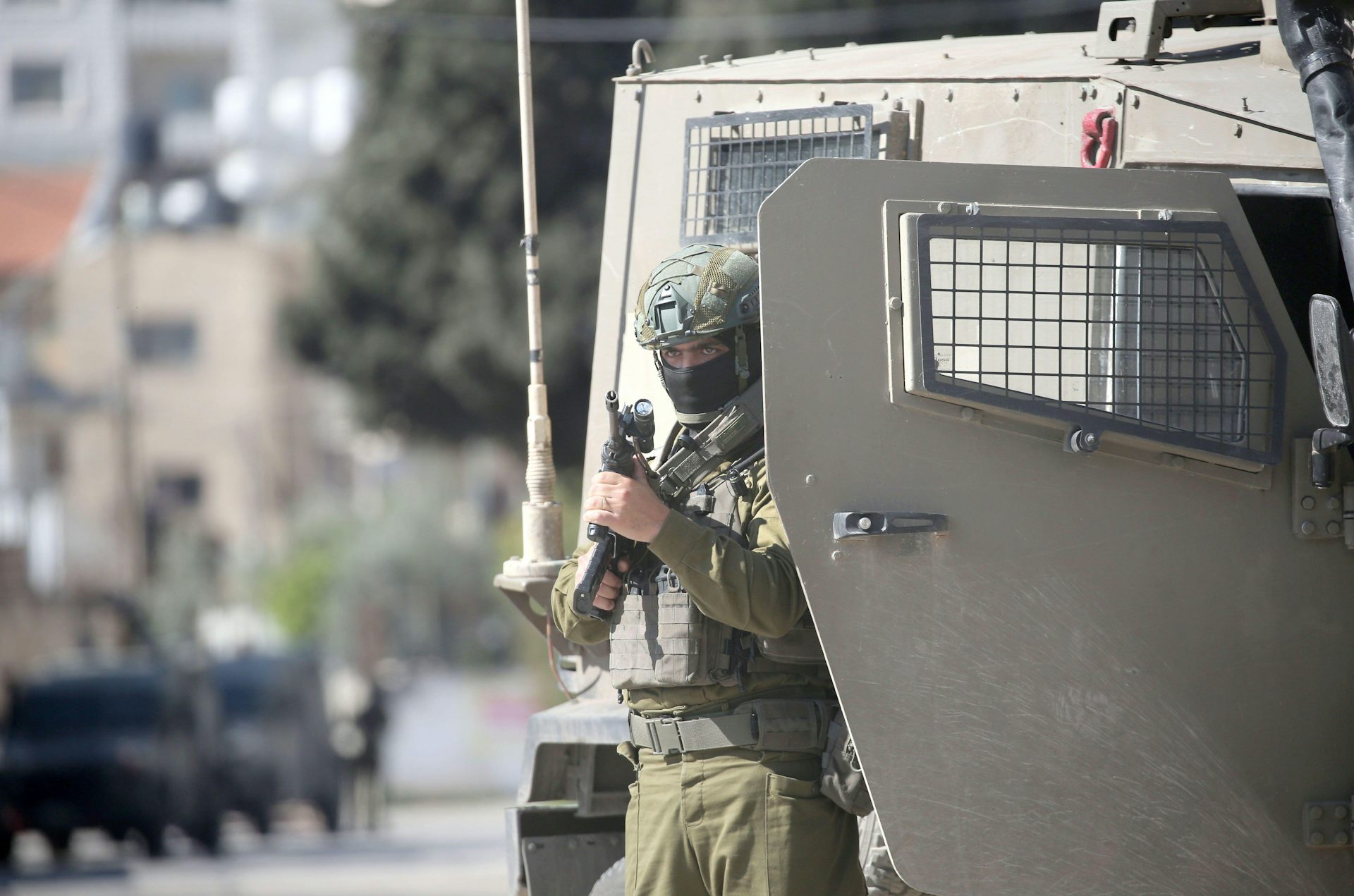
كيف شكّل تاريخ إسرائيل طريقة خوضها للحرب
How Israel’s history has shaped the way it wages war
Hebrew studies expert Yaron Peleg tells The Conversation Weekly how Israel’s self‑image change from self‑reliance to aggressive militarism.
يخبر خبير الدراسات العبرية يارون بيليغ مجلة “ذا كونفرسيشن ويكلي” كيف تغيرت صورة إسرائيل الذاتية من الاعتماد على الذات إلى العسكرة العدوانية.
A little after 2pm on April 8, the Israeli military hit more than 100 targets in Lebanon in just ten minutes. Israel called the attack Operation Eternal Darkness and said it struck Hezbollah command and control centres across Lebanon. The Lebanese government said at least 300 people were killed and 1,000 injured.
بعد الساعة الثانية ظهرًا بقليل من يوم 8 أبريل، ضرب الجيش الإسرائيلي أكثر من 100 هدف في لبنان في غضون عشر دقائق فقط. أطلقت إسرائيل على الهجوم اسم “عملية الظلام الأبدي” وقالت إنه ضرب مراكز قيادة وسيطرة حزب الله في جميع أنحاء لبنان. وذكرت الحكومة اللبنانية مقتل ما لا يقل عن 300 شخص وإصابة 1000 آخرين.
The scale of the attack on Lebanon was reminiscent of the early days of the Gaza war in 2023 when Israel retaliated for the October 7 attacks, which killed more more than 1,200 people, with waves of aerial bombardment of Gaza.
كان حجم الهجوم على لبنان يذكرنا بالأيام الأولى لحرب غزة في عام 2023 عندما ردت إسرائيل على هجمات 7 أكتوبر، التي أسفرت عن مقتل أكثر من 1200 شخص، بموجات من القصف الجوي لغزة.
Israel has a powerful and lethal army, and it’s been defending itself against attacks from Hamas, Hezbollah and Iran.
تمتلك إسرائيل جيشًا قويًا ومميتًا، وقد دافعت عن نفسها ضد هجمات من حماس وحزب الله وإيران.
But why has it chosen such brutal military aggression?
ولكن لماذا اختارت مثل هذا العدوان العسكري الوحشي؟
One historian, Yaron Peleg, believes the answer to this question lies in the early days of Zionism in the 19th century when many Jews who arrived in Palestine were fleeing antisemitism in Europe. In defiance, they began a cultural revolution, emphasising military strength and honouring Biblical Jewish heroes.
يعتقد مؤرخ، يارون بيليغ، أن الإجابة على هذا السؤال تكمن في الأيام الأولى للصهيونية في القرن التاسع عشر، عندما كان العديد من اليهود الذين وصلوا إلى فلسطين يفرون من معاداة السامية في أوروبا. وتحديًا لذلك، بدأوا ثورة ثقافية، أكدوا فيها على القوة العسكرية وأكرموا فيها الأبطال اليهود التوراتيين.
Peleg, who is a professor of modern Hebrew studies at the University of Cambridge in the UK and author of the book New Hebrews: Making National Culture in Zion, thinks Israel’s view of itself began to change in the wake of the Holocaust. “There started a really problematic combination of defiance, aggression, and a sense of victimhood and it’s a very explosive and lethal combination,” he says.
يعتقد بيليغ، وهو أستاذ دراسات العبرية الحديثة في جامعة كامبريدج بالمملكة المتحدة ومؤلف كتاب “اليهود الجدد: صناعة الثقافة الوطنية في صهيون”، أن نظرة إسرائيل لنفسها بدأت تتغير في أعقاب الهولوكوست. ويقول: “بدأ مزيج إشكالي حقًا من التحدي والعدوان والشعور بالضحية، وهو مزيج متفجر ومميت للغاية.”
In this week’s episode of The Conversation Weekly podcast, Peleg tracks how he sees Israel’s self‑image changed from self‑reliance to aggressive militarism, and how that history helps to explain the way it wages war today.
في حلقة هذا الأسبوع من بودكاست “The Conversation Weekly”، يتتبع بيليغ كيف يرى أن صورة إسرائيل الذاتية تغيرت من الاعتماد على الذات إلى العسكرة العدوانية، وكيف يساعد هذا التاريخ في تفسير الطريقة التي تخوض بها الحرب اليوم.
This episode of The Conversation Weekly was written and produced by Gemma Ware and Mend Mariwany. Mixing by Eleanor Brezzi and theme music by Neeta Sarl.
تمت كتابة وإنتاج حلقة “The Conversation Weekly” هذه بواسطة جيما وير وميند ماريواني. والمزج الصوتي بواسطة إليانور بريزي والموسيقى التصويرية بواسطة نيتا سارل.
Newsclips in this episode from Sky News.
مقاطع إخبارية في هذه الحلقة من سكاي نيوز.
Listen to The Conversation Weekly via any of the apps listed above, download it directly via our RSS feed or find out how else to listen here. A transcript of this episode is available via the Apple Podcasts or Spotify apps.
استمع إلى “The Conversation Weekly” عبر أي من التطبيقات المدرجة أعلاه، أو قم بتنزيله مباشرة عبر موجز RSS الخاص بنا، أو اكتشف كيف يمكنك الاستماع إليه بطرق أخرى هنا. يتوفر نص هذه الحلقة عبر تطبيقات آبل بودكاست أو سبوتيفاي.
Yaron Peleg does not work for, consult, own shares in or receive funding from any company or organisation that would benefit from this article, and has disclosed no relevant affiliations beyond their academic appointment.
لا يعمل يارون بيليغ أو يستشير أو يمتلك حصصًا أو يتلقى تمويلاً من أي شركة أو منظمة يمكن أن تستفيد من هذه المقالة، ولم يفصح عن أي انتماءات ذات صلة تتجاوز منصبه الأكاديمي.
Read more
-
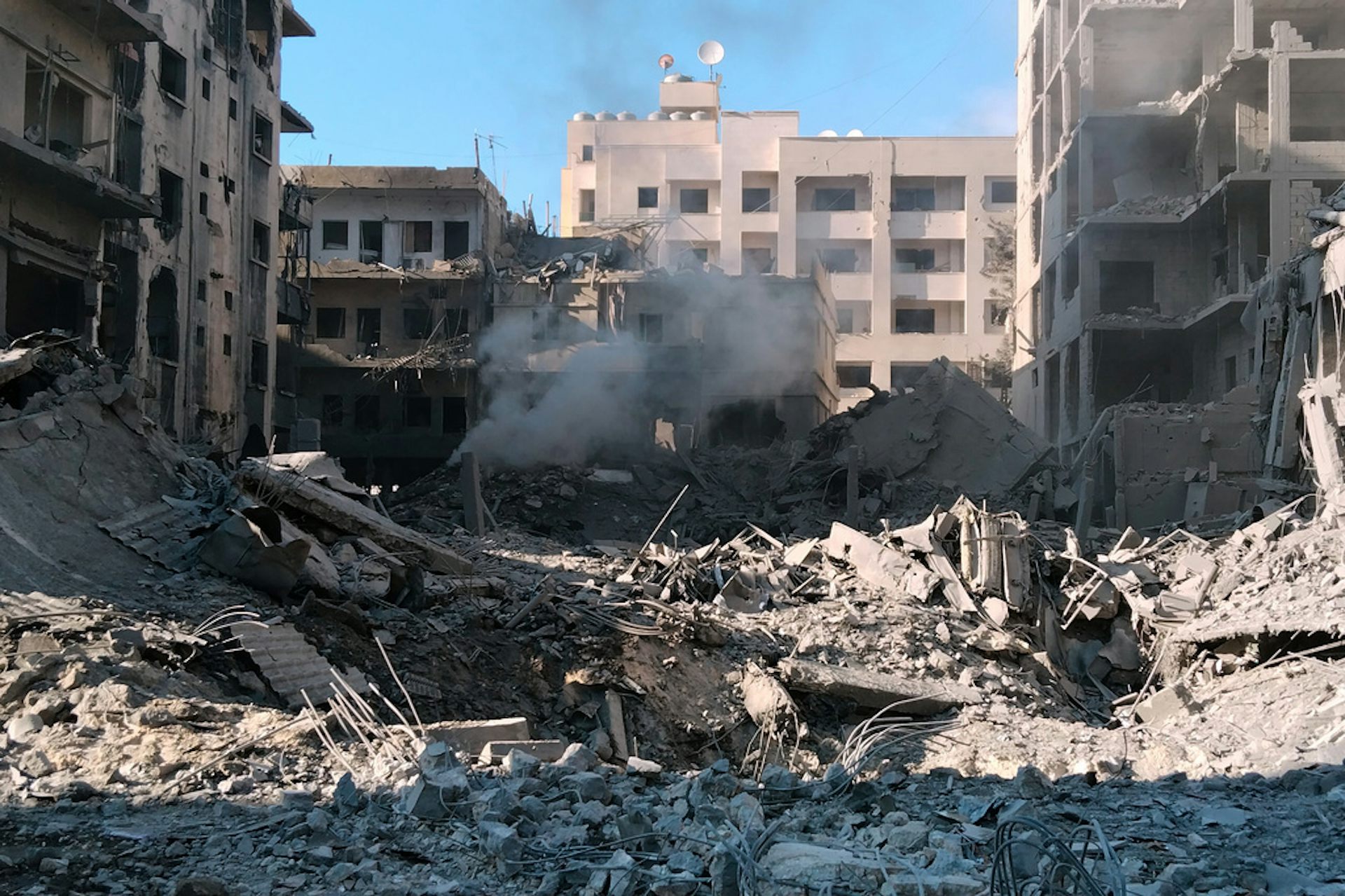
في ظل حرب إيران، تخاطر حملة إسرائيل المتجددة في لبنان بتكرار الدروس – والاحتلالات – الفاشلة للماضي.
In Iran war’s shadow, Israel’s renewed Lebanon campaign risks repeating failed lessons – and occupations – of the past
-
هل تفضل كأس العالم الدول الديمقراطية أم الاستبدادية؟ أجريت بعض الحسابات لمعرفة ذلك
Does the World Cup favor democratic or autocratic nations? I did some number crunching to find out