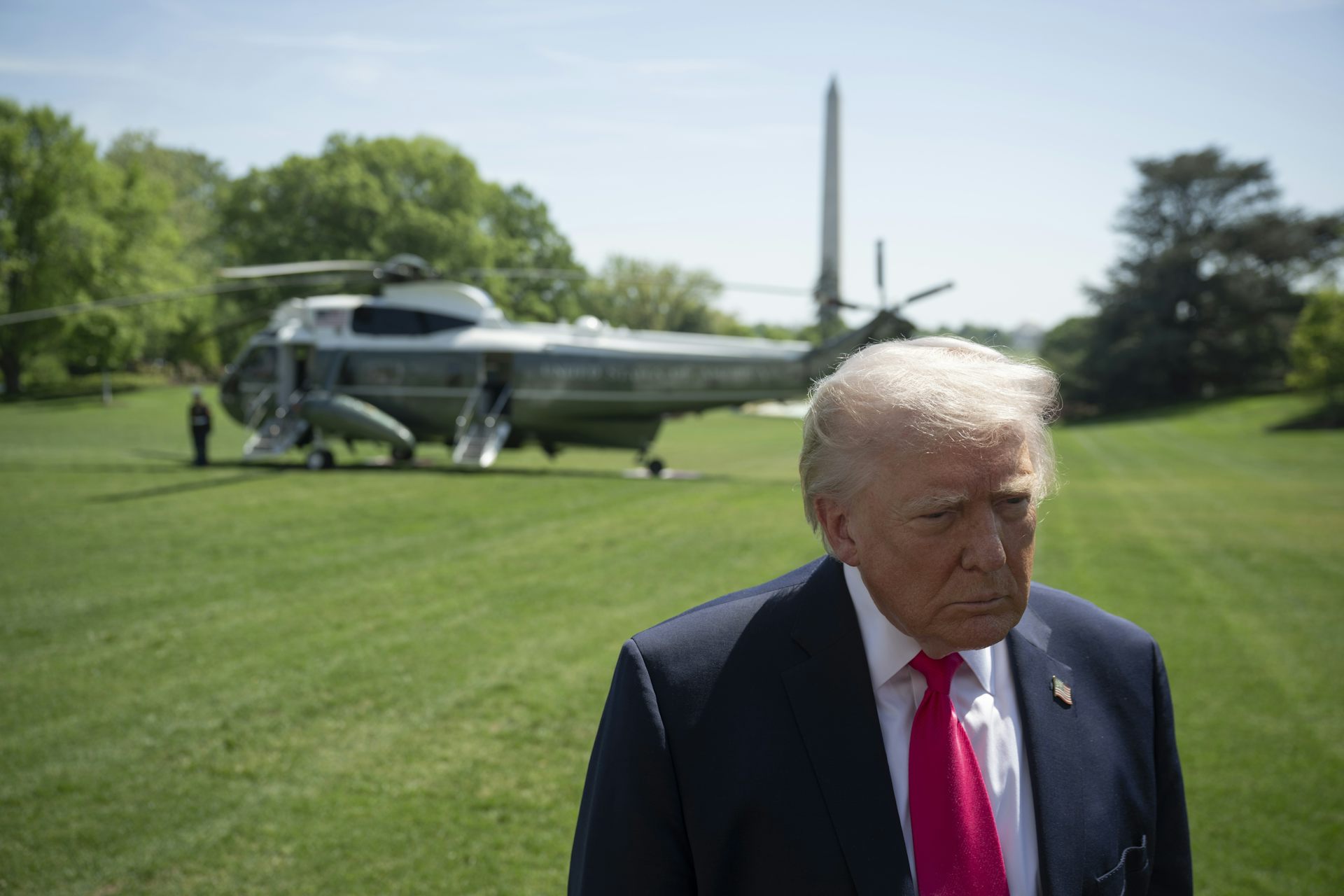
Trump está caminhando para uma vitória pírrica no Irã?
Is Trump heading to a Pyrrhic victory in Iran?
Pyrrhus was said to have remarked that one more victory would leave his kingdom ‘utterly ruined.’ Some see echoes in US interventions in the Middle East.
Dizem que Pirro havia comentado que mais uma vitória deixaria seu reino ‘completamente arruinado’. Alguns veem ecos nas intervenções dos EUA no Oriente Médio.
President Donald Trump has claimed victory in the war in Iran even before the conflict is over. But despite killing the country’s leader and seriously degrading its military, there is an argument being made that the Islamic Republic has emerged all the stronger for having simply survived.
O presidente Donald Trump declarou vitória na guerra no Irã mesmo antes do conflito acabar. Mas, apesar de matar o líder do país e degradar seriamente seu exército, há um argumento de que a República Islâmica emergiu ainda mais forte por ter simplesmente sobrevivido.
Indeed, a phrase that has repeatedly cropped up as the U.S. has sunk more and more military hardware and credibility into Operation Epic Fury is “Pyrrhic victory.”
De fato, uma frase que apareceu repetidamente à medida que os EUA investiram mais e mais equipamento militar e credibilidade na Operação Epic Fury é “vitória pírrica”.
That term also shows up in Iraq War retrospectives, in postmortems of U.S. operations in Libya and in just about every serious attempt to make sense of the past two decades of Western intervention in the Middle East.
Esse termo também aparece em retrospectivas da Guerra do Iraque, em análises pós-morte das operações dos EUA na Líbia e em quase todas as tentativas sérias de dar sentido às últimas duas décadas de intervenção ocidental no Oriente Médio.
But what exactly is a Pyrrhic victory? And is the U.S. really heading toward one in Iran?
Mas o que exatamente é uma vitória pírrica? E os EUA realmente estão caminhando para uma no Irã?
1 king, 2 battles and a rueful remark
1 rei, 2 batalhas e um comentário melancólico
Most people use the phrase “Pyrrhic victory” to mean a win that costs more than it was worth to obtain it. That’s close enough – but it leaves out a crucial part of the story that makes the concept worth using.
A maioria das pessoas usa a expressão “vitória pírrica” para significar uma vitória que custa mais do que vale obter. Isso é o suficiente – mas deixa de fora uma parte crucial da história que torna o conceito útil.
Let’s go back to the beginning. In 280 B.C., Pyrrhus, the king of the ancient Greek kingdom Epirus, crossed into what is now southern Italy to fight Rome. He won major battles at Heraclea and then again at Asculum the following year.
Vamos voltar ao começo. Em 280 a.C., Pirro, rei do antigo reino grego da Epirus, cruzou para o que hoje é o sul da Itália para lutar contra Roma. Ele venceu grandes batalhas em Heraclea e depois novamente em Asculum no ano seguinte.
But both victories hurt Pyrrhus. His officer corps was getting chewed up, and his best troops came from a small kingdom far from the fighting. They could not be replaced on anything like Rome’s scale.
Mas ambas as vitórias prejudicaram Pirro. Seu corpo de oficiais estava sendo consumido, e suas melhores tropas vinham de um pequeno reino longe dos combates. Elas não podiam ser substituídas em uma escala como a de Roma.
After Asculum, he is said to have uttered, “If we are victorious in one more battle with the Romans, we shall be utterly ruined.” Plutarch wrote it down for posterity, and the line outlived everything else known about the campaign.
Após Asculum, dizem que ele proferiu: “Se vencermos mais uma batalha contra os romanos, estaremos completamente arruinados.” Plutarco escreveu isso para a posteridade, e a frase sobreviveu a tudo o mais conhecido sobre a campanha.
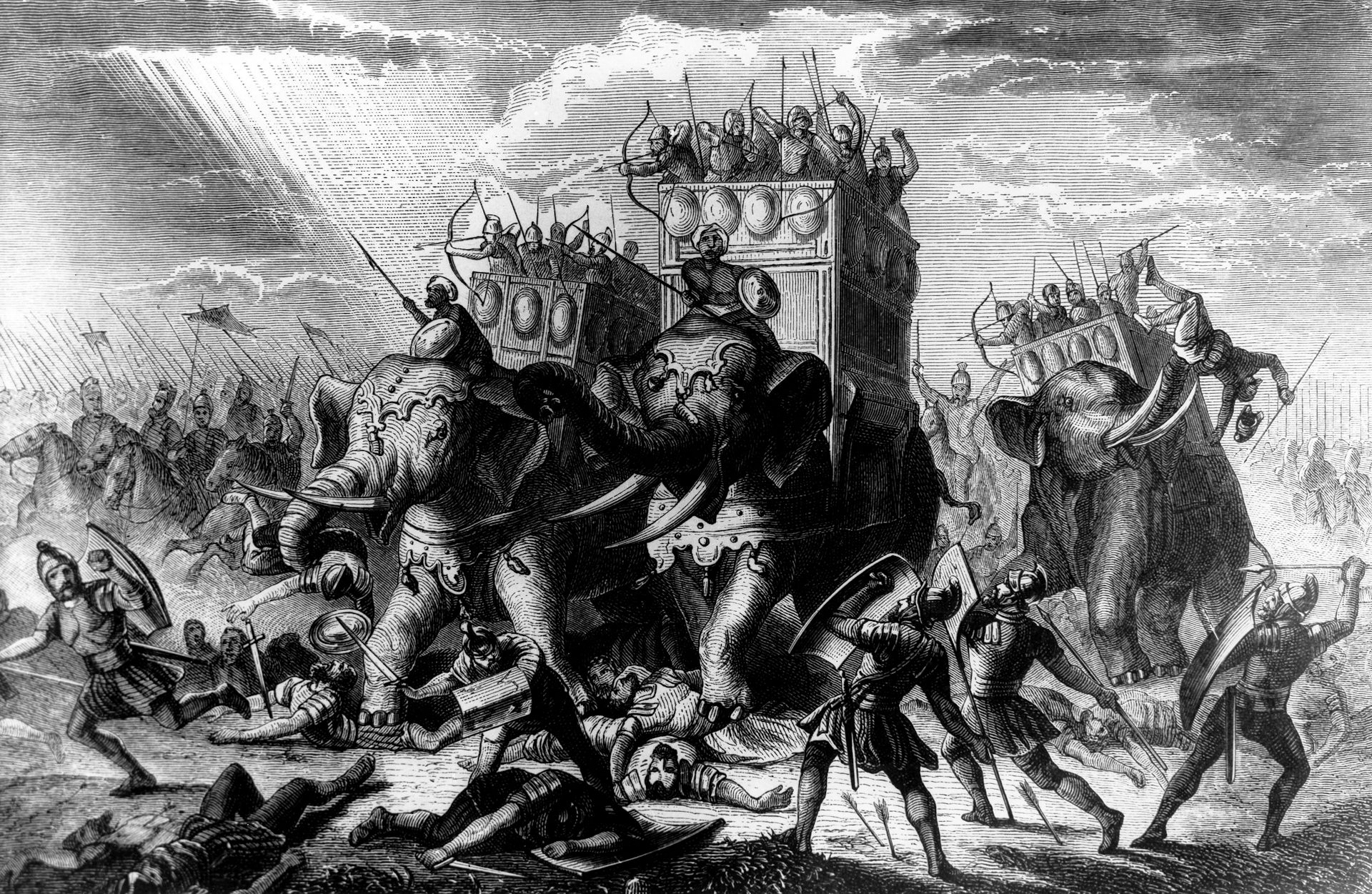
The problem wasn’t that Pyrrhus paid a high price for victory. Rather, it was that every victory shifted the balance against him.
O problema não era que Pirro pagou um preço alto pela vitória. Pelo contrário, era que cada vitória alterava o equilíbrio contra ele.
A war can be costly without being “Pyrrhic.” If you come out of a battle clearly stronger than the opponent, then whatever the bill, something real was gained. The Pyrrhic case is when the side that claims victory is, in fact, in a weaker position than when the fighting started.
Uma guerra pode ser custosa sem ser “pírrica”. Se você sair de uma batalha claramente mais forte que o oponente, então, independentemente do custo, algo real foi ganho. O caso pírrico é quando o lado que reivindica a vitória está, na verdade, em uma posição mais fraca do que quando os combates começaram.
From Baghdad to Tripoli …
De Bagdá a Trípoli…
So how does that all relate to U.S. conflicts in the 21st century?
Então, como tudo isso se relaciona com os conflitos dos EUA no século XXI?
Iraq in 2003 is the obvious starting point. U.S. and coalition forces dismantled Saddam Hussein’s regime in just three weeks. On its own terms, the operation worked. But it also collapsed the Iraqi state in the process: army gone, ministries hollowed out and police absent.
O Iraque em 2003 é o ponto de partida óbvio. As forças dos EUA e da coalizão desmantelaram o regime de Saddam Hussein em apenas três semanas. Em seus próprios termos, a operação funcionou. Mas também colapsou o estado iraquiano no processo: o exército desapareceu, os ministérios foram esvaziados e a polícia esteve ausente.
What followed, in broad terms, was insurgency, sectarian war and then the rise of the Islamic State group.
O que se seguiu, em termos gerais, foi a insurgência, a guerra sectária e, depois, o surgimento do grupo Estado Islâmico.
Saddam’s Iraq also functioned as one of the main checks on Iranian power in the Persian Gulf. Not by design, and not in any cooperative sense, but as a rival that kept Tehran boxed in. Removing Saddam cleared space for Iran to exert regional influence not enjoyed since 1979.
O Iraque de Saddam também funcionou como um dos principais freios ao poder iraniano no Golfo Pérsico. Não por design, nem em qualquer sentido cooperativo, mas como um rival que mantinha Teerã encurralado. A remoção de Saddam abriu espaço para o Irã exercer uma influência regional não desfrutada desde 1979.
The current war in Iran does not make sense without that shift. The U.S. went into Iraq to eliminate one purported threat – and ended up amplifying another.
A guerra atual no Irã não faz sentido sem essa mudança. Os EUA foram para o Iraque para eliminar uma suposta ameaça – e acabaram por amplificar outra.
The U.S. intervention in Libya in 2011, as part of a NATO force, looked cleaner. The air campaign was short, Libyan leader and longtime thorn in the side of Washington Moammar Gadhafi was dead within eight months – killed by his own countrymen. NATO had set out to protect civilians and remove a regime, and it did both.
A intervenção dos EUA na Líbia em 2011, como parte de uma força da OTAN, pareceu mais limpa. A campanha aérea foi curta, o líder líbio e antigo espinho na lateral de Washington, Muammar Gaddafi, estava morto em oito meses – morto por seus próprios compatriotas. A OTAN tinha como objetivo proteger civis e remover um regime, e fez ambos.
The problem was what came next. Libya was Gadhafi’s state, and there was no real plan for a post-Gadhafi Libya. After he fell, what was left was division: militias, competing governments and an arms stockpile that flooded south into the Sahel region of North Africa and fueled conflicts that rage to this day.
O problema foi o que veio depois. A Líbia era o estado de Gaddafi, e não havia um plano real para uma Líbia pós-Gaddafi. Depois que ele caiu, o que restou foi divisão: milícias, governos concorrentes e um estoque de armas que inundou para o sul, na região do Sahel no Norte da África, alimentando conflitos que ainda hoje rugem.
Elsewhere, governments drew a blunt conclusion: Complying with demands to dismantle weapons of mass destruction programs, as Gadhafi had done, does not enhance security. In fact, it may have the opposite effect.
Em outros lugares, os governos chegaram a uma conclusão contundente: Cumprir as exigências para desmantelar programas de armas de destruição em massa, como Gaddafi fez, não aumenta a segurança. Na verdade, pode ter o efeito oposto.
Both Libya and Iraq were, in this sense, “Pyrrhic victories” – battlefield triumphs that left the U.S. in a worse overall strategic situation than before.
Tanto a Líbia quanto o Iraque foram, neste sentido, “vitórias pírricas” – triunfos de campo de batalha que deixaram os EUA em uma situação estratégica geral pior do que antes.
… and on to Iran?
… e em direção ao Irã?
It is too soon to confidently pass judgment on where the war in Iran sits among these other wars.
É muito cedo para julgar com confiança onde a guerra no Irã se encaixa entre estas outras guerras.
But the outlines are visible. Iran’s Supreme Leader Ali Khamenei is gone, and the country’s missile forces and naval assets have taken heavy damage.
Mas os contornos são visíveis. O Líder Supremo do Irã, Ali Khamenei, foi embora, e as forças de mísseis e os ativos navais do país sofreram grandes danos.
Washington has declared victory, and by its own metrics there is an argument for that.
Washington declarou vitória, e por seus próprios critérios há um argumento para isso.
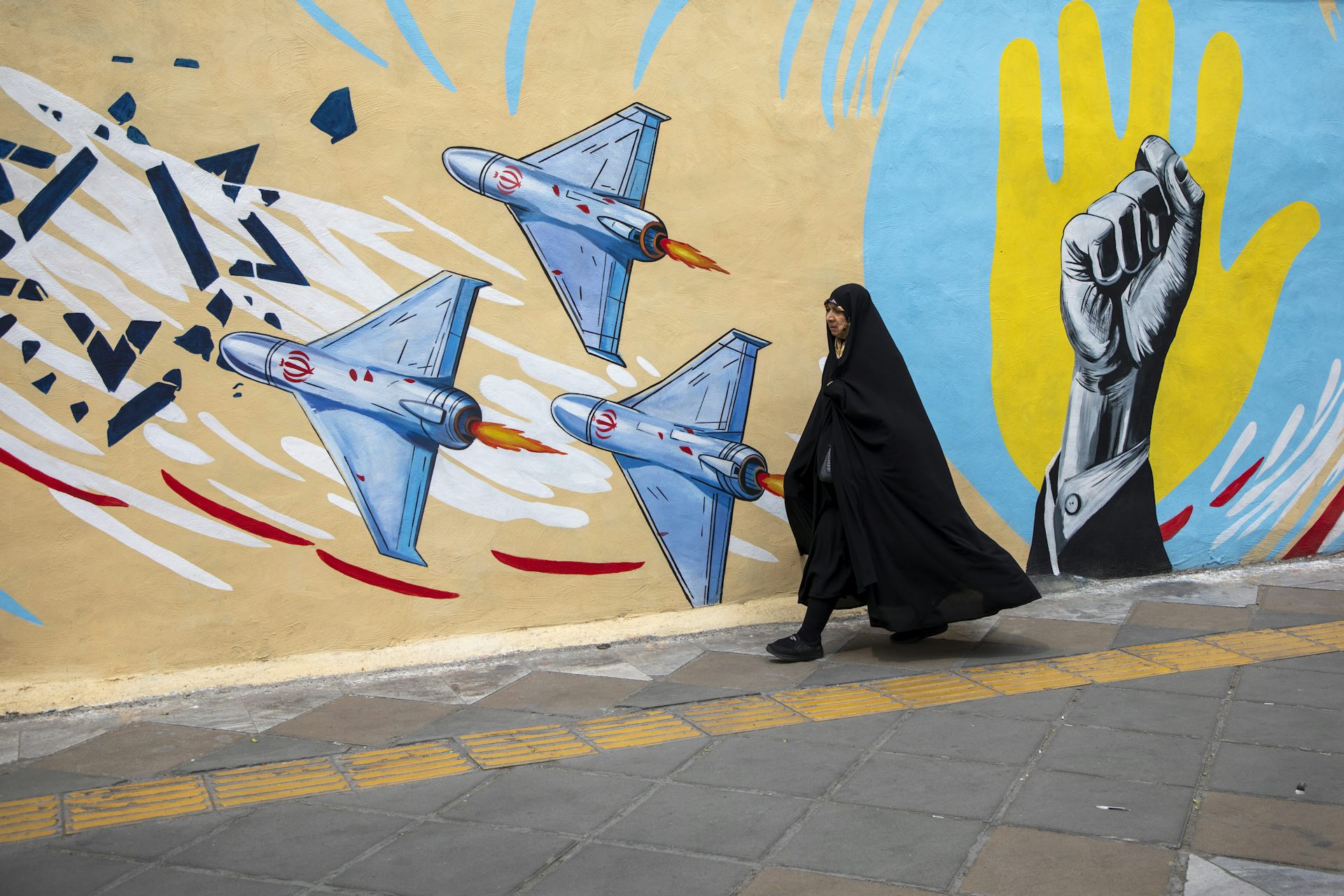
But on the other side of the ledger, Iran still largely holds the Strait of Hormuz – with leverage it did not exercise before the war.
Mas, no outro lado do balanço, o Irã ainda detém em grande parte o Estreito de Ormuz – com uma alavancagem que não exercia antes da guerra.
Meanwhile, oil prices of nearly US$100 a barrel have rippled through the global economy, and Russia, without firing a shot, is positioned to reap the windfall.
Enquanto isso, os preços do petróleo, perto de US$ 100 o barril, repercutiram na economia global, e a Rússia, sem disparar um tiro, está posicionada para colher o lucro inesperado.
The issue of Iran’s nuclear program – one of the many stated drivers of the U.S. campaign – now seems less likely to be resolved than before: A state that has absorbed this level of punishment has stronger reasons to want a deterrent, not weaker ones.
A questão do programa nuclear do Irã – um dos muitos fatores declarados da campanha dos EUA – agora parece menos provável de ser resolvida do que antes: um estado que absorveu este nível de punição tem razões mais fortes para querer um dissuasor, e não mais fracas.
Getting the concept right
Acertando o conceito
So, is Trump following the route of Pyrrhus? A Pyrrhic victory is not just a painful one – it is a victory that leaves one worse off against the same opponent. The question that tends to get skipped when the fighting stops is what, exactly, winning changed.
Então, Trump está seguindo a rota de Pirro? Uma vitória pírrica não é apenas dolorosa – é uma vitória que deixa-se em pior situação contra o mesmo oponente. A questão que tende a ser ignorada quando os combates param é o que, exatamente, a vitória mudou.
Pyrrhus had his answer after Asculum. Looking at the Strait of Hormuz, the oil markets, the stalled talks in Islamabad, and an Iran with even more reason to pursue a nuclear deterrent, perhaps Trump will soon have his.
Pirro teve sua resposta após Asculum. Olhando para o Estreito de Ormuz, os mercados de petróleo, as negociações paralisadas em Islamabad e um Irã com ainda mais motivos para buscar um dissuasor nuclear, talvez Trump tenha o seu em breve.
This article is part of a series explaining foreign policy terms commonly used but rarely explained.
Este artigo faz parte de uma série que explica termos de política externa comumente usados, mas raramente explicados.
Andrew Latham does not work for, consult, own shares in or receive funding from any company or organization that would benefit from this article, and has disclosed no relevant affiliations beyond their academic appointment.
Andrew Latham não trabalha, não é consultor, não possui ações nem recebe financiamento de nenhuma empresa ou organização que se beneficiaria deste artigo, e não divulgou afiliações relevantes além de seu cargo acadêmico.
Read more
-
Trump dá as boas-vindas a Colombo à Casa Branca – e reacende as guerras históricas da América
Trump welcomes Columbus to the White House – and reignites America’s history wars
-

Como encorajar uma criança a tentar coisas novas e assustadoras (sem traumatizá-la no processo)
How to encourage a child to try new, scary things (without traumatising them in the process)