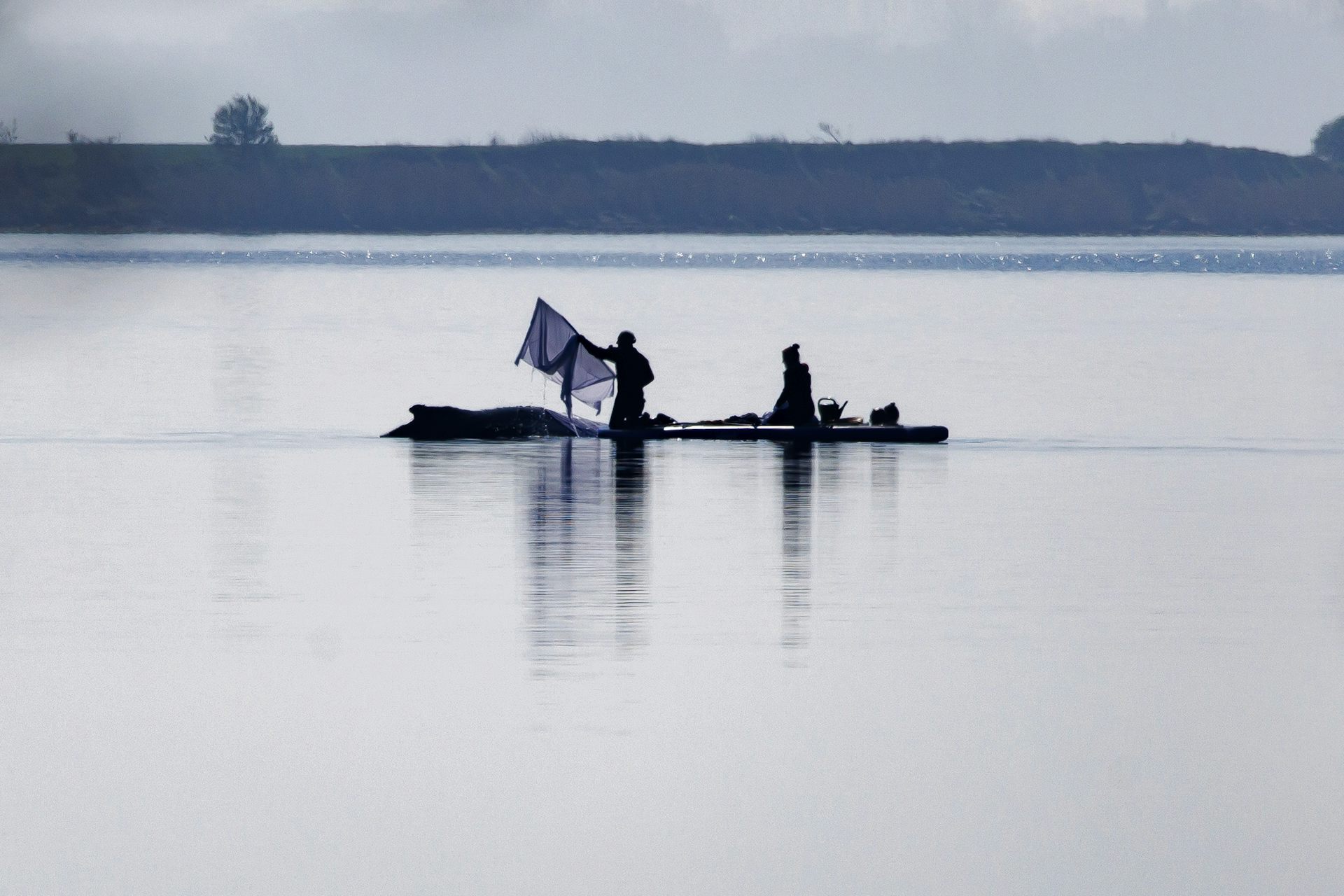
व्हेल का किनारे पर आ जाना भावनात्मक प्रतिक्रियाएँ उत्पन्न करता है। लेकिन बार-बार बचाव कार्य अधिक नुकसान पहुंचा सकते हैं।
Whale strandings draw emotional responses. But repeated rescues can cause more harm
Timmy, the humpback whale repeatedly restranding in shallow waters in the Baltic Sea, has reignited a heated debate about when to intervene, and when not to.
बाल्टिक सागर के उथले पानी में बार-बार किनारे पर फंसने वाली हंपबैक व्हेल टिम्मी ने यह बहस फिर से शुरू कर दी है कि कब हस्तक्षेप करना चाहिए और कब नहीं करना चाहिए।
A humpback whale repeatedly restranding in shallow waters in the Baltic Sea for more than three weeks has become the focus of a complex debate about reconciling compassion for animals with ethical, evidence-based decision making.
बाल्टिक सागर के उथले पानी में तीन सप्ताह से अधिक समय तक बार-बार फंसने वाली एक हंपबैक व्हेल, जानवरों के प्रति करुणा को नैतिक, साक्ष्य-आधारित निर्णय लेने के साथ सामंजस्य बिठाने पर एक जटिल बहस का केंद्र बन गई है।
Affectionately known as Timmy, the whale restranded several times and has been growing weaker, failing to recover despite multiple rescue attempts.
जिसे प्यार से टिम्मी के नाम से जाना जाता है, व्हेल कई बार फंस चुकी है और कई बचाव प्रयासों के बावजूद कमजोर होती जा रही है, ठीक नहीं हो पा रही है।
Its struggle attracted global attention and triggered debates between experts and the public regarding intervention versus allowing a natural end.
इसके संघर्ष ने वैश्विक ध्यान आकर्षित किया और विशेषज्ञों तथा आम जनता के बीच हस्तक्षेप बनाम प्राकृतिक अंत की अनुमति देने को लेकर बहस छेड़ दी।
Marine biologists and veterinarians observing the whale made a clear and evidence-based assessment earlier this month: further intervention was unlikely to succeed and would risk prolonging the animal’s suffering.
व्हेल का निरीक्षण करने वाले समुद्री जीवविज्ञानी और पशु चिकित्सक इस महीने की शुरुआत में एक स्पष्ट और साक्ष्य-आधारित मूल्यांकन कर चुके थे: आगे का हस्तक्षेप सफल होने की संभावना नहीं थी और इससे जानवर के कष्ट को लंबा करने का खतरा था।
Yet public pressure – driven by empathy amplified by social media and sharpened into outrage – led German state authorities to permit renewed rescue efforts this week, framed as a “last ditch” effort.
फिर भी, सार्वजनिक दबाव – जो सोशल मीडिया द्वारा बढ़ी हुई सहानुभूति से प्रेरित था और आक्रोश में बदल गया – ने जर्मन राज्य अधिकारियों को इस सप्ताह नए बचाव प्रयास करने की अनुमति देने के लिए मजबूर किया, जिसे एक “अंतिम प्रयास” के रूप में प्रस्तुत किया गया।
At first glance, it seems an act of compassion. But beneath the surface lies a more difficult truth. As our research shows, when scientific advice is sidelined in favour of public sentiment, outcomes for the very animals we aim to protect can worsen.
पहली नज़र में, यह करुणा का कार्य लगता है। लेकिन सतह के नीचे एक अधिक कठिन सच्चाई छिपी है। जैसा कि हमारे शोध से पता चलता है, जब वैज्ञानिक सलाह को सार्वजनिक भावना के पक्ष में दरकिनार किया जाता है, तो उन जानवरों के लिए परिणाम बिगड़ सकते हैं जिनकी हम रक्षा करना चाहते हैं।
The emotional pull of “doing something”
“कुछ करने” का भावनात्मक खिंचाव
Large, charismatic animals like whales evoke powerful emotional responses. They are intelligent, expressive and visibly vulnerable when stranded.
व्हेल जैसे बड़े, करिश्माई जानवर शक्तिशाली भावनात्मक प्रतिक्रियाएँ उत्पन्न करते हैं। वे बुद्धिमान, अभिव्यंजक और किनारे पर फंसे होने पर स्पष्ट रूप से कमजोर दिखाई देते हैं।
For many people, choosing not to intervene feels morally unacceptable, with inaction often perceived as neglect.
कई लोगों के लिए, हस्तक्षेप न करना नैतिक रूप से अस्वीकार्य लगता है, और निष्क्रियता को अक्सर उपेक्षा के रूप में देखा जाता है।
Wildlife medicine, however, does not operate on instinct or optics. It relies on probabilities, welfare assessments and the recognition that intervention is not always beneficial.
हालांकि, वन्यजीव चिकित्सा सहज ज्ञान या दिखावे पर काम नहीं करती है। यह संभावनाओं, कल्याण मूल्यांकन और इस पहचान पर निर्भर करती है कि हस्तक्षेप हमेशा फायदेमंद नहीं होता है।
In Timmy’s case, experts from the German Oceanographic Museum and the Institute for Terrestrial and Aquatic Wildlife Research, as well as international organisations, reached a consistent conclusion that the whale was unlikely to survive.
टिम्मी के मामले में, जर्मन ओशनोग्राफिक म्यूजियम और इंस्टीट्यूट फॉर टेरेस्ट्रियल एंड एक्वाटिक वाइल्डलाइफ रिसर्च के विशेषज्ञ, साथ ही अंतर्राष्ट्रीय संगठनों ने, यह सुसंगत निष्कर्ष निकाला कि व्हेल का जीवित रहना असंभव था।
After repeated failed rescues, the environment minister for Germany’s state of Mecklenburg-Western Pomerania determined that continued intervention would likely worsen the whale’s condition. By then, Timmy was showing clear signs of trauma and exhaustion.
बार-बार असफल बचाव के बाद, जर्मनी के मेक्लेनबर्ग-वेस्टर्न पोमेरानिया राज्य के पर्यावरण मंत्री ने निर्धारित किया कि निरंतर हस्तक्षेप से व्हेल की स्थिति और खराब होने की संभावना है। तब तक, टिम्मी आघात और थकावट के स्पष्ट संकेत दिखा रहा था।
The decision was not made in isolation. In early April, the International Whaling Commission’s stranding expert panel publicly supported the German authorities. It outlined that further rescue attempts would likely increase suffering without improving survival chances.
यह निर्णय अकेले नहीं लिया गया था। अप्रैल की शुरुआत में, इंटरनेशनल व्हैलिंग कमीशन के स्ट्रैंडिंग विशेषज्ञ पैनल ने सार्वजनिक रूप से जर्मन अधिकारियों का समर्थन किया। इसमें बताया गया कि आगे के बचाव प्रयास जीवित रहने की संभावनाओं में सुधार किए बिना पीड़ा बढ़ा सकते हैं।
Euthanasia, frequently suggested as an alternative, was deemed impractical, however. The whale’s partial buoyancy, combined with logistical, safety and personnel challenges meant this was not a viable option.
हालांकि, इच्छामृत्यु (Euthanasia) , जिसे अक्सर एक विकल्प के रूप में सुझाया गया, अव्यावहारिक माना गया। व्हेल की आंशिक उत्प्लावकता, रसद (logistical) , सुरक्षा और कर्मियों की चुनौतियों के साथ मिलकर, यह एक व्यवहार्य विकल्प नहीं था।
New Zealand’s experience
न्यूजीलैंड का अनुभव
In 2021, New Zealand experienced a similar situation with Toa, a stranded orca calf.
2021 में, न्यूजीलैंड को टोआ नामक एक फंसे हुए याकूब (orca) के बच्चे के साथ एक समान स्थिति का सामना करना पड़ा।
The response was extraordinary, mobilising national and international expertise. Veterinarians, marine mammal scientists and stranding specialists contributed to an unprecedented rescue effort.
प्रतिक्रिया असाधारण थी, जिसमें राष्ट्रीय और अंतर्राष्ट्रीय विशेषज्ञता को जुटाया गया। पशु चिकित्सकों, समुद्री स्तनपायी वैज्ञानिकों और फंसे हुए जानवरों के विशेषज्ञों ने एक अभूतपूर्व बचाव प्रयास में योगदान दिया।
The scientific consensus, however, was sobering. Given Toa’s young age (unweaned) , prolonged separation from his pod, and the challenges of reintegration, his chances of survival were extremely low.
हालांकि, वैज्ञानिक सहमति निराशाजनक थी। टोआ की कम उम्र (स्तनपान न करने वाला) , अपने समूह से लंबे समय तक अलग रहना, और पुन: एकीकरण की चुनौतियों को देखते हुए, उसके जीवित रहने की संभावना बहुत कम थी।
Over time, his welfare declined during extended human care. Many experts ultimately supported euthanasia as the most humane option.
समय के साथ, विस्तारित मानवीय देखभाल के दौरान उसका कल्याण कम होता गया। कई विशेषज्ञों ने अंततः इच्छामृत्यु को सबसे मानवीय विकल्प के रूप में समर्थन दिया।
That path was not taken. Driven by public hope and attention, efforts continued. Toa died after weeks in care. In retrospect, the case raised a difficult but necessary question: when expert consensus and public sentiment diverge, which should guide decisions?
वह रास्ता नहीं अपनाया गया। जनता की आशा और ध्यान से प्रेरित होकर, प्रयास जारी रहे। देखभाल में हफ्तों रहने के बाद टोआ की मृत्यु हो गई। पीछे मुड़कर देखने पर, इस मामले ने एक कठिन लेकिन आवश्यक प्रश्न उठाया: जब विशेषज्ञ सहमति और जन भावना अलग होती है, तो किसे निर्णयों का मार्गदर्शन करना चाहिए?
When perception overrides expertise
जब धारणा विशेषज्ञता पर हावी हो जाती है
This tension is not anecdotal; it is well documented. Research shows that human perceptions and emotional investment can significantly shape responses to cetacean strandings, sometimes directly conflicting with recommendations based on the animal’s wefare.
यह तनाव केवल किस्सों पर आधारित नहीं है; यह अच्छी तरह से प्रलेखित है। शोध से पता चलता है कि मानव धारणाएं और भावनात्मक निवेश समुद्री स्तनधारियों के किनारे पर आने पर प्रतिक्रियाओं को महत्वपूर्ण रूप से आकार दे सकते हैं, जो कभी-कभी जानवर के कल्याण पर आधारित सिफारिशों के सीधे विपरीत होते हैं।
In high-profile cases, decision making can shift from expert-led processes to outcomes shaped by public pressure. The patterns observed in Germany – repeated strandings, declining condition and cumulative stress – are strong predictors of poor outcomes, regardless of continued intervention.
उच्च-प्रोफ़ाइल मामलों में, निर्णय लेना विशेषज्ञों द्वारा संचालित प्रक्रियाओं से हटकर जन दबाव से आकार लेने वाले परिणामों की ओर स्थानांतरित हो सकता है। जर्मनी में देखे गए पैटर्न – बार-बार किनारे पर आना, बिगड़ती स्थिति और संचयी तनाव – खराब परिणामों के मजबूत भविष्यवक्ता हैं, भले ही हस्तक्षेप जारी रखा जाए।
The disconnect is clear. Experts assess welfare through measurable physiological, behavioural and environmental markers to infer the mental state of an animal. The public often evaluates it through effort, visibility and intent. The result is a compelling but flawed assumption: that doing more means doing better.
विसंगति स्पष्ट है। विशेषज्ञ किसी जानवर की मानसिक स्थिति का अनुमान लगाने के लिए मापने योग्य शारीरिक, व्यवहार संबंधी और पर्यावरणीय मार्करों के माध्यम से कल्याण का मूल्यांकन करते हैं। आम जनता अक्सर इसे प्रयास, दृश्यता और इरादे के माध्यम से आंकती है। परिणाम एक आकर्षक लेकिन त्रुटिपूर्ण धारणा है: कि अधिक करना बेहतर करने का मतलब है।
A common principle in veterinary ethics is that the ability to intervene does not justify doing so. Every rescue attempt carries risks: handling stress, injury, prolonged suffering and the diversion of limited resources.
पशु चिकित्सा नैतिकता में एक सामान्य सिद्धांत यह है कि हस्तक्षेप करने की क्षमता इसे उचित नहीं ठहराती। हर बचाव प्रयास जोखिम लेकर आता है: हैंडलिंग तनाव, चोट, लंबा कष्ट और सीमित संसाधनों का विचलन।
While financial cost is often highlighted, the more critical issue is animal welfare. In repeated stranding cases, the ethical balance becomes increasingly stark.
हालांकि वित्तीय लागत पर अक्सर जोर दिया जाता है, अधिक महत्वपूर्ण मुद्दा पशु कल्याण है। बार-बार किनारे पर आने के मामलों में, नैतिक संतुलन तेजी से स्पष्ट होता जाता है।
When recovery is highly unlikely, continued intervention can shift from care to harm. In repeated stranding cases, the ethical calculus becomes sharper. Yet this is precisely the moment when public pressure tends to intensify.
जब रिकवरी की संभावना बहुत कम होती है, तो निरंतर हस्तक्षेप देखभाल से नुकसान की ओर स्थानांतरित हो सकता है। बार-बार किनारे पर आने के मामलों में, नैतिक गणना अधिक तीक्ष्ण हो जाती है। फिर भी, यह ठीक वही क्षण है जब जन दबाव बढ़ने लगता है।
A more difficult kind of care
देखभाल का एक अधिक कठिन प्रकार
Compassion is not the problem; it is fundamental to conservation. But compassion without evidence can mislead.
करुणा कोई समस्या नहीं है; यह संरक्षण के लिए मौलिक है। लेकिन साक्ष्य के बिना करुणा भटका सकती है।
What’s at stake is trust in scientific expertise, veterinary judgement and the difficult reality that the most humane decision is not always the most emotionally satisfying one.
दांव पर वैज्ञानिक विशेषज्ञता, पशु चिकित्सा निर्णय और इस कठिन वास्तविकता पर विश्वास है कि सबसे मानवीय निर्णय हमेशा सबसे भावनात्मक रूप से संतोषजनक नहीं होता है।
If every high-profile stranding becomes a referendum driven by public pressure, we risk creating a system where decisions are shaped less by animal welfare and more by public visibility.
यदि हर प्रमुख स्थान पर व्हेल का फंसना जन दबाव से प्रेरित एक जनमत संग्रह बन जाता है, तो हम एक ऐसी प्रणाली बनाने का जोखिम उठाते हैं जहाँ निर्णय पशु कल्याण से कम और सार्वजनिक दृश्यता से अधिक प्रभावित होते हैं।
The instinct to rally around a stranded whale reflects the best of human empathy. But real care in wildlife conservation is not always about action. Sometimes, it requires restraint.
एक फंसी हुई व्हेल के इर्द-गिर्द एकजुट होने की प्रवृत्ति मानवीय सहानुभूति की सर्वोत्तम अभिव्यक्ति को दर्शाती है। लेकिन वन्यजीव संरक्षण में वास्तविक देखभाल हमेशा कार्रवाई के बारे में नहीं होती है। कभी-कभी, इसके लिए संयम की आवश्यकता होती है।
In Toa’s case, official documents later revealed most experts had recommended euthanasia to prevent prolonged suffering.
टोआ के मामले में, आधिकारिक दस्तावेजों ने बाद में खुलासा किया कि अधिकांश विशेषज्ञों ने लंबे समय तक पीड़ा को रोकने के लिए यूथेनेशिया की सिफारिश की थी।
Timmy’s situation raises a similar question. Not whether people care enough, but whether we are willing to accept that caring also means listening to science, to experience and to the difficult truths they bring.
टिम्मी की स्थिति एक समान प्रश्न उठाती है। यह नहीं कि लोग पर्याप्त देखभाल करते हैं, बल्कि यह कि क्या हम यह स्वीकार करने को तैयार हैं कि देखभाल का मतलब विज्ञान, अनुभव और उन कठिन सत्यों को सुनना भी है जो वे लाते हैं।
Karen Stockin is the ethics chair for the Society for Marine Mammalogy and a member of the IWC strandings expert panel.
करें स्टॉकिन सोसाइटी फॉर मरीन मैमैलोजी की एथिक्स चेयर हैं और आईडब्ल्यूसी स्ट्रैंडिंग्स एक्सपर्ट पैनल की सदस्य हैं।
Read more
-

शुक्रवार का निबंध: कैसे मर्डोक मीडिया की इज़राइल के प्रति वफादारी से पाखंड, हमले और ‘विफल पत्रकारिता’ को जन्म मिलता है।
Friday essay: how the Murdoch media’s loyalty to Israel births hypocrisy, attacks and ‘failed journalism’
-

राजनीतिक नेता राष्ट्रीय शक्ति और उद्देश्य का प्रतीक बनाने के लिए युद्ध प्रदर्शनों का उपयोग कैसे करते हैं
How political leaders use combat spectacles to symbolize national power and purpose