“الاتصال الأول” الذي ربما أدى إلى الحياة المعقدة على الأرض، شاهده العلماء أخيرًا
‘First contact’ that may have led to complex life on Earth finally witnessed by scientists
Stromatolites might look like rocks. But they are living relics of ancient systems that thrived on Earth billions of years ago.
قد تبدو السترومايتوليتات كالصخور. لكنها في الواقع بقايا حية لأنظمة قديمة ازدهرت على الأرض قبل مليارات السنين.
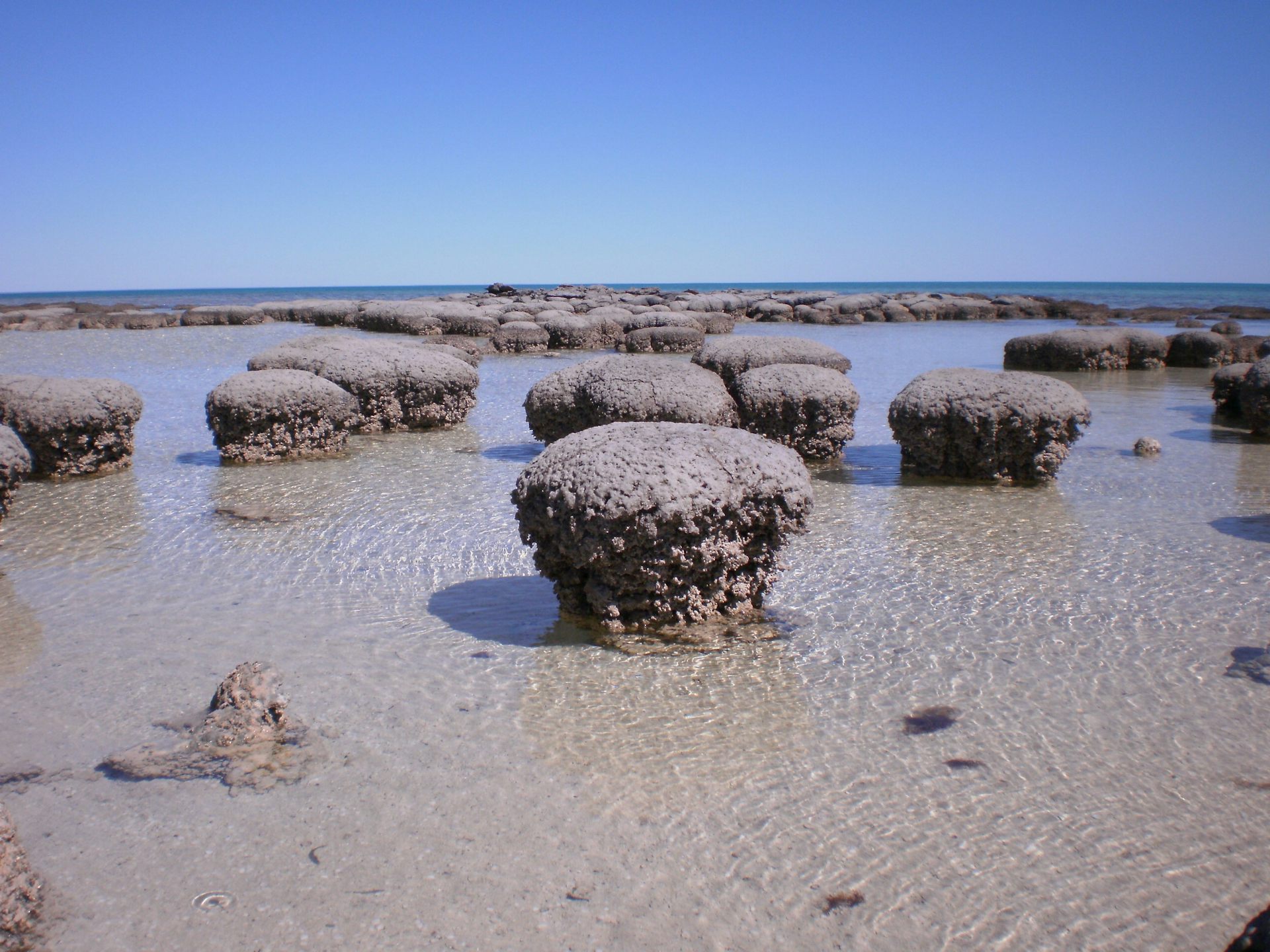
On the shores of the west coast of Australia lies a window to our past: the stromatolites and microbial mats of Gathaagudu (Shark Bay) .
على شواطئ الساحل الغربي لأستراليا تكمن نافذة على ماضينا: وهي التراكيب الحجرية (السترومايتوليت) والحصائر الميكروبية في غاتاغودو (خليج القرش) .
To the untrained eye they look like a collection of rocks and slime – but they are in fact teeming with microbial life. And these stromatolites are living “relics” of ancient ecosystems that thrived on Earth billions of years ago.
للعين غير المدربة، تبدو وكأنها مجموعة من الصخور والمخاط – لكنها في الواقع تعج بالحياة الميكروبية. وهذه التراكيب الحجرية هي “بقايا” حية لأنظمة بيئية قديمة ازدهرت على الأرض قبل مليارات السنين.
If you wade past, it feels like you’re walking back through time. In fact, the first bubbles of oxygen that filled the atmosphere on early Earth likely came from ancient stromatolites. You could say we owe our very existence to these piles of rocks.
إذا مشيت بجوارها، تشعر وكأنك تسير عبر الزمن. في الواقع، من المحتمل أن تكون فقاعات الأكسجين الأولى التي ملأت الغلاف الجوي للأرض المبكرة قد أتت من التراكيب الحجرية القديمة. يمكن القول إن وجودنا بالكامل مدين لهذه الكتل الصخرية.
So, what other secrets of our past could these ecosystems tell us? Through decades of research, we know how early life has woven its path through these “living rocks”. But most recently our team embarked on the greatest genealogy search of them all: searching for our great microbial ancestors, the Asgard archaea.
فما هي الأسرار الأخرى لماضينا التي يمكن أن تخبرنا بها هذه النظم البيئية؟ على مدى عقود من البحث، عرفنا كيف نسجت الحياة المبكرة مسارها عبر هذه “الصخور الحية.” ولكن مؤخراً، شرع فريقنا في أعظم بحث في علم الأنساب على الإطلاق: البحث عن أسلافنا الميكروبيين العظماء، وهي عتائق أسغارد (Asgard archaea) .
And in a new paper, published today in the journal Current Biology, we report how this search led to the discovery of a key clue that could help explain how complex life evolved on Earth.
وفي ورقة بحثية جديدة، نُشرت اليوم في مجلة “Current Biology”، نُفيد كيف أدى هذا البحث إلى اكتشاف دليل رئيسي يمكن أن يساعد في تفسير كيفية تطور الحياة المعقدة على الأرض.
The cells that comprise complex life
الخلايا التي تشكل الحياة المعقدة
Asgard archaea were originally named after Norse gods. This fascinating group of microbes sits on the cusp of one of the most significant events in the evolution of life: the origin of the complex cells that make up plants and animals, known as eukaryotes.
سُميت العتائق الأسغاردية في الأصل على اسم آلهة النورديين. وتقع مجموعة الميكروبات الرائعة هذه على أعتاب أحد أهم الأحداث في تطور الحياة: وهو أصل الخلايا المعقدة التي تتكون منها النباتات والحيوانات، والمعروفة باسم حقيقيات النوى.
Evidence suggests Asgard archaea are the closest relatives of eukaryotes. And that on an early Earth it was the “marriage” of an ancient Asgard archaeon and a bacterium that led to the first eukaryotes.
تشير الأدلة إلى أن العتائق الأسغاردية هي الأقرب إلى حقيقيات النوى. وأن ما أدى إلى ظهور أول حقيقيات النوى على الأرض المبكرة كان “زواج” عتائقي أسغارد قديم وبكتيريا.
They formed an ancient partnership. They shared resources and physically interacted, leading to the first complex cells. Like a Romeo and Juliet tale of two distant families coming together, Asgard archaea and bacteria decided it was time to break from traditional family values.
لقد شكلوا شراكة قديمة. وتبادلوا الموارد وتفاعلوا جسديًا، مما أدى إلى ظهور أول الخلايا المعقدة. وكقصة روميو وجولييت عن عائلتين بعيدتين تلتقيان، قررت العتائق الأسغاردية والبكتيريا أنه قد حان الوقت للانفصال عن القيم العائلية التقليدية.
But we have never seen a model of how this may have occurred. Until now.
لكننا لم نرَ قط نموذجًا لكيفية حدوث ذلك. حتى الآن.
Holding up a mirror to the ancient past
رفع مرآة تعكس الماضي القديم
Our team used the mats of Shark Bay as a “seed” to establish cultures of these ancient microbes. We are one of only four groups worldwide to achieve this, through years of research with a dedicated team of graduate students nurturing the Asgards like offspring.
استخدم فريقنا حصير خليج شارك كـ “بذرة” لإنشاء مزارع لهذه الميكروبات القديمة. نحن واحدة من أربع مجموعات فقط في العالم حققت ذلك، من خلال سنوات من البحث مع فريق متخصص من طلاب الدراسات العليا يربون “الأسغاردز” كأنهم صغار.
But the Asgards were not alone. We found them together with a sulphate-loving bacterium. Could this be a model of how complex life may have started on a primitive Earth?
لكن الأسغاردز لم يكونوا وحدهم. وجدناهم مع بكتيريا محبة للكبريتات. هل يمكن أن يكون هذا نموذجاً لكيفية بدء الحياة المعقدة على أرض بدائية؟
We began by sequencing the Asgards’ DNA to decipher exactly how these microbes tick at the genetic level. We also used artificial intelligence to model how proteins could have behaved in a world before eukaryotes. Evidence suggested these two microbes were sharing nutrients. In other words, they were cooperating.
بدأنا بتسلسل الحمض النووي للأسغاردز لفك شفرة كيفية عمل هذه الميكروبات بالضبط على المستوى الجيني. استخدمنا أيضاً الذكاء الاصطناعي لنمذجة كيفية تصرف البروتينات في عالم قبل حقيقيات النوى. أشارت الأدلة إلى أن هاتين الميكروبين كانا يتبادلان المغذيات. بعبارة أخرى، كانا يتعاونان.
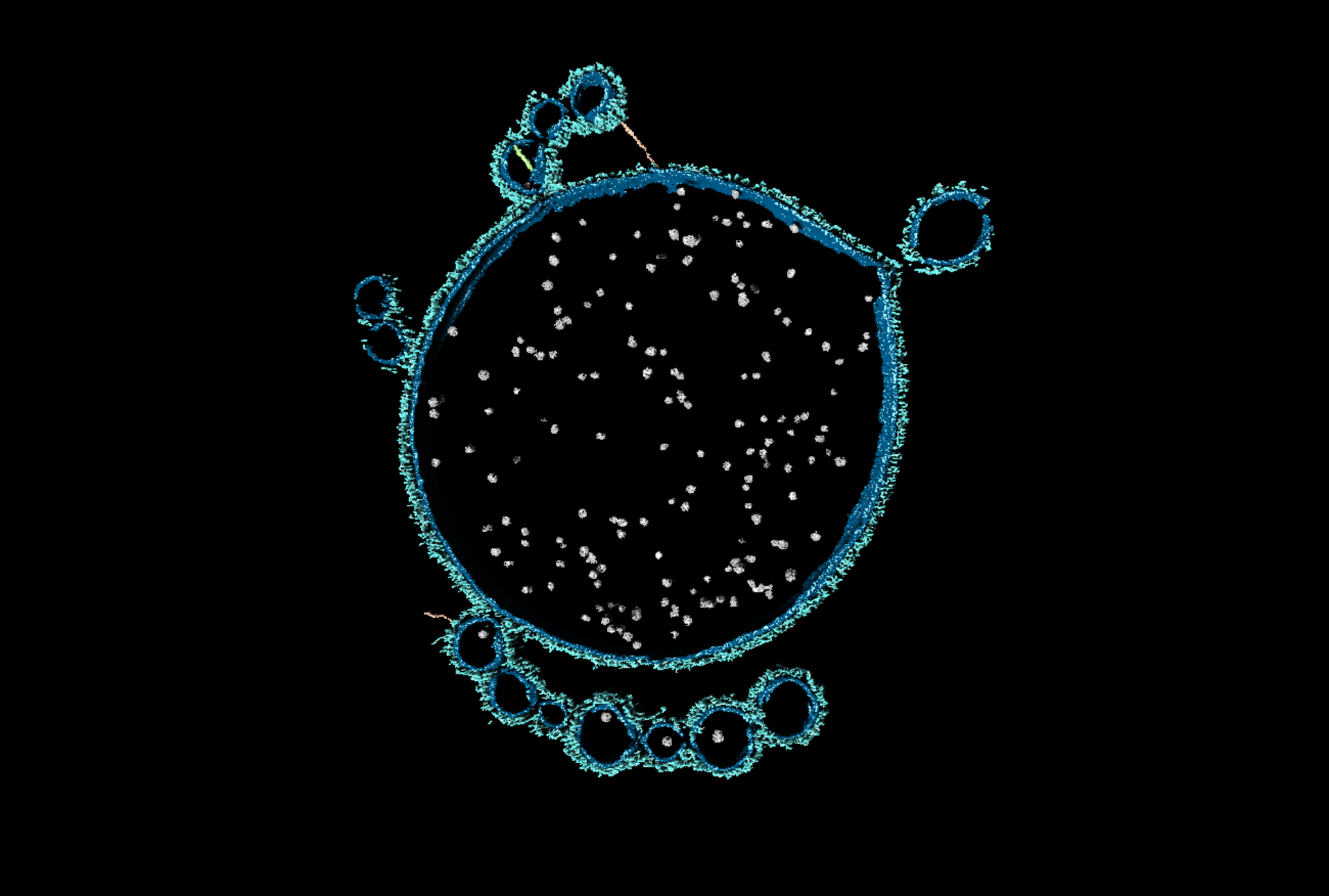
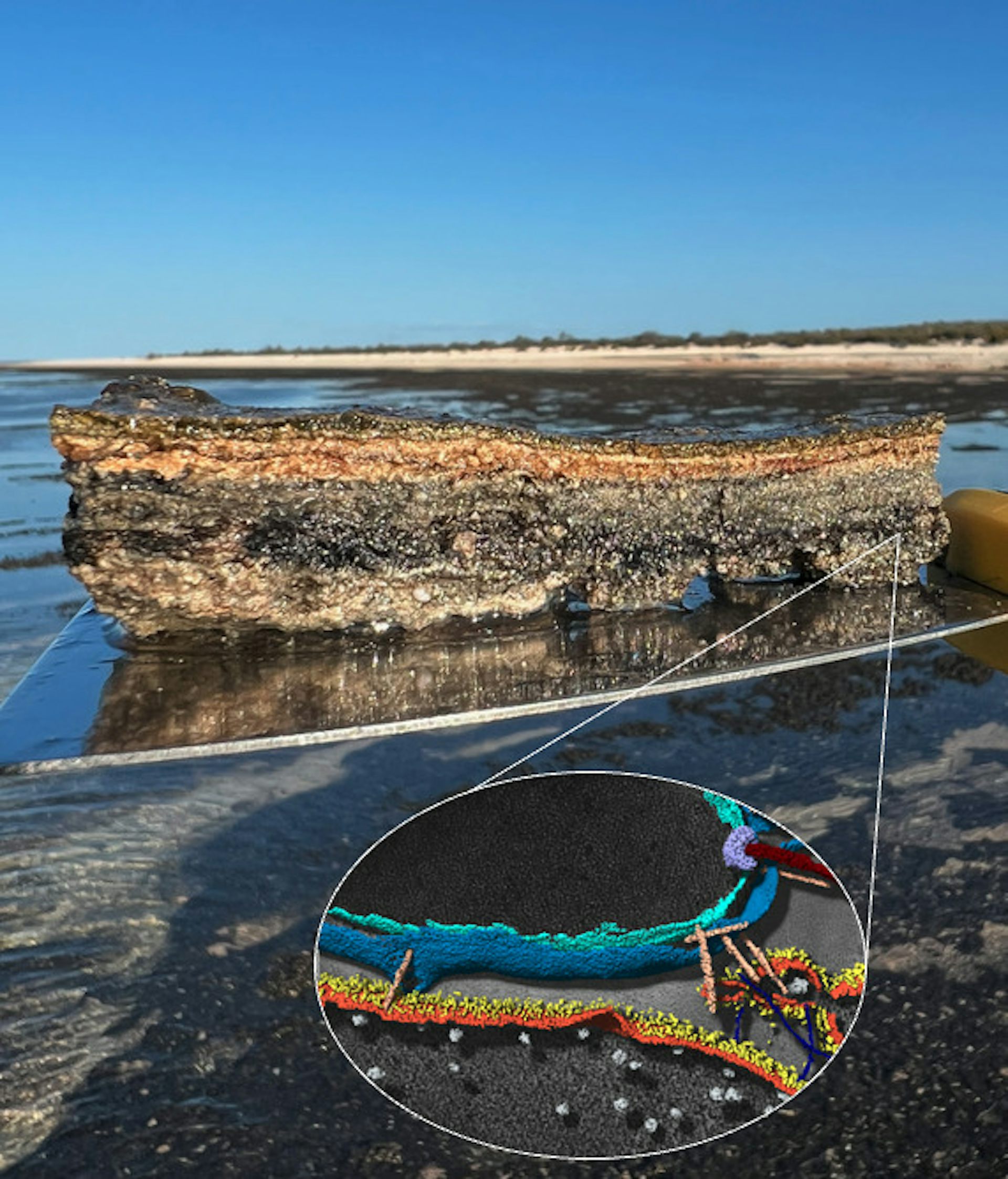
But we wanted to delve deeper. What do our great microbial ancestors look like? Here we turned to electron cryotomography, a high-resolution imaging approach that allowed us to observe cells and structures at a nanometre scale.
لكننا أردنا التعمق أكثر. كيف تبدو أسلافنا الميكروبية العظيمة؟ هنا لجأنا إلى التصوير بالتبريد الإلكتروني (electron cryotomography) ، وهو نهج تصوير عالي الدقة سمح لنا بمراقبة الخلايا والتراكيب على مقياس النانومتر.
And here we showed – for the first time – an Asgard archaeon and a bacterium directly interacting. Tiny nanotubes were connecting the two organisms – perhaps reflecting what their great-ancestors did on an early Earth that ultimately led to the explosion of complex life as we know it.
وهنا أظهرنا – لأول مرة – تفاعلاً مباشراً بين أرخيهون أسغارد وبكتيريا. كانت أنابيب نانوية صغيرة تصل بين الكائنين – ربما تعكس ما فعله أسلافهما العظماء على الأرض المبكرة، الأمر الذي أدى في النهاية إلى انفجار الحياة المعقدة كما نعرفها.
Weaving western science with Indigenous knowledge
نسج العلوم الغربية مع المعرفة الأصلية
This was a major discovery – one that originated in Gathaagudu, a World Heritage Site with significant environmental and cultural values.
كان هذا اكتشافاً رئيسياً – نشأ في غاتاغودو، وهو موقع تراث عالمي ذو قيم بيئية وثقافية كبيرة.
Aboriginal people first inhabited Gathaagudu over 30,000 years ago. We wanted to recognise and celebrate the language of the Malgana people, one of the traditional language groups of Gathaagudu. We also wanted to connect western science with Indigenous Knowledge in a meaningful way.
سكن السكان الأصليون غاتاغودو لأول مرة منذ أكثر من 30,000 عام. أردنا أن نُعترف بلغة شعب المالغانا ونحتفل بها، وهي إحدى المجموعات اللغوية التقليدية في غاتاغودو. وأردنا أيضاً ربط العلوم الغربية بالمعرفة الأصلية بطريقة ذات مغزى.
To this end and working closely with the world’s foremost Malgana language expert, Kymberley Oakley, and Aboriginal elders, a name was granted for our novel Asgard archaeon from the language of the Malgana people: Nerearchaeum marumarumayae. The species name – marumarumayae – is derived from the Aboriginal language of the Malgana people, meaning “ancient home”, a reference to stromatolites being of ancient origin in Earth’s history.
لهذا الغرض، وبالعمل عن كثب مع الخبير الأول في لغة المالغانا على مستوى العالم، كيمبرلي أوكلي، وشيوخ السكان الأصليين، مُنح اسم لآركياون أسغارد الجديد الخاص بنا من لغة شعب المالغانا: Nerearchaeum marumarumayae. ويُشتق اسم النوع – marumarumayae – من اللغة الأصلية لشعب المالغانا، ويعني “المنزل القديم”، وهو إشارة إلى أن التراكيب الطبقية (stromatolites) ذات أصل قديم في تاريخ الأرض.
Weaving Aboriginal language into the naming of our new microbe represents a fitting connection between unique Aboriginal culture in Australia and the ancient microbe discovered that calls the mats of Gathaagudu “home”.
يمثل نسج اللغة الأصلية في تسمية الميكروب الجديد لدينا رابطاً مناسباً بين الثقافة الأصلية الفريدة في أستراليا والميكروب القديم المكتشف الذي يطلق على حصير غاتاغودو اسم “المنزل.”
Gathaagudu is under threat from global change, from increased heatwaves, cyclonic events and human activity. And among the values to preserve and conserve are the significant Aboriginal connections as well as the trails of life going back through evolutionary time.
تتعرض غاتاغودو للخطر بسبب التغيرات العالمية، وزيادة موجات الحر، والأحداث الإعصارية، والأنشطة البشرية. ومن بين القيم التي يجب الحفاظ عليها وصونها هي الروابط الأصلية الهامة بالإضافة إلى مسارات الحياة التي تعود عبر الزمن التطوري.
With our study we have peered into our past. And maybe like the Montagues and Capulets of Shakespeare, we see distant families of microbes coming together to bridge the divide and ultimately form the early eukaryotes that eventually led to us: a fragile branch on the evolutionary tree of life.
من خلال دراستنا، ألقينا نظرة على ماضينا. وربما مثل مونتاغيو وكابوليت لشيكسبير، نرى عائلات بعيدة من الميكروبات تتجمع لسد الفجوة وتُشكل في نهاية المطاف حقيقيات النواة المبكرة التي أدت إلينا: فرع هش على الشجرة التطورية للحياة.
Brendan Paul Burns receives funding from the Australian Research Council.
يتلقى بريندان بول بيرنز التمويل من المجلس الأسترالي للبحوث.
Kymberley Oakley does not work for, consult, own shares in or receive funding from any company or organisation that would benefit from this article, and has disclosed no relevant affiliations beyond their academic appointment.
لا تعمل كيمبرلي أوكلي، ولا تستشير، ولا تمتلك حصصاً في، أو تتلقى تمويلاً من أي شركة أو منظمة يمكن أن تستفيد من هذه المقالة، ولم تكشف عن أي انتماءات ذات صلة تتجاوز منصبها الأكاديمي.
Read more
-
لقد أعيد تشكيل درب التبانة بفعل اصطدام كارثي قبل مليارات السنين. والآن هو في مسار لاصطدام آخر.
The Milky Way was rewired by a cataclysmic collision billions of years ago. Now it is on course for another
-
لقد حللنا سجل تيك توك لـ 142 رجلاً. إليك ما علّمنا إياه عالم الذكورة (المانوسفير).
We analysed the TikTok history of 142 men. Here’s what it taught us about the manosphere