灭绝物种复活公司称其制造了人造蛋——如果属实,这可能有助于拯救现存物种
De-extinction company says it’s made an artificial egg …
Colossal Biosciences’ artificial egg technology would deliver a useful tool for the conservation of threatened birds, but only if it’s made publicly available.
Colossal Biosciences 的人造蛋技术将为濒危鸟类的保护提供有用的工具,但前提是必须公开。
Today’s announcement by Texas-based de-extinction company Colossal Biosciences about a successful hatching of chicks from an artificial egg would represent a major innovation, if the claims can be verified.
德州一家名为科洛萨生物科学公司的公司今日宣布,成功从人工蛋中孵化出雏鸡,如果这些说法能够得到证实,这将代表一项重大创新。
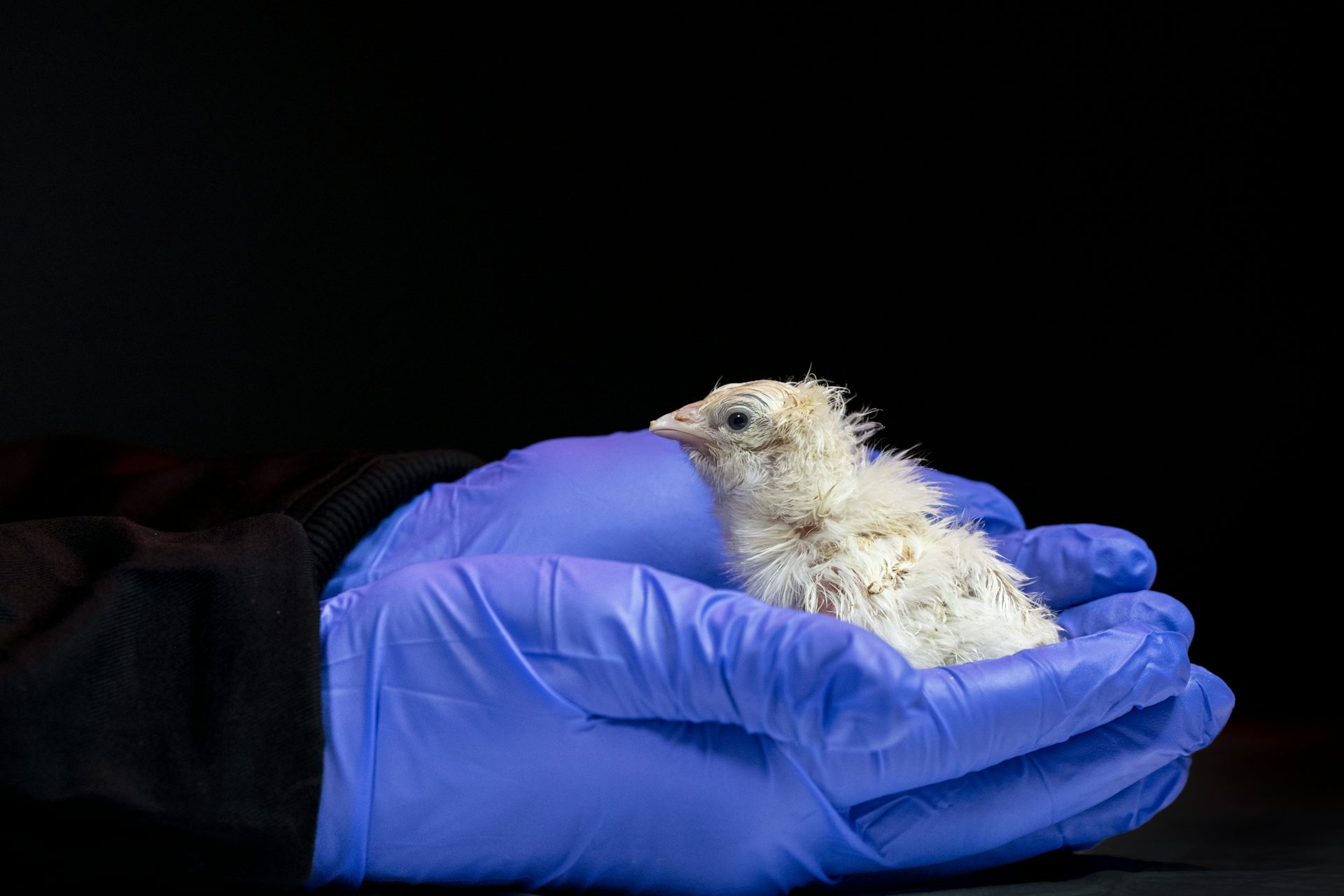
The company says its artificial egg supports the full development of bird embryos outside a biological eggshell, without the requirement for supplemental oxygen. The work is part of its plan to “de-extinct” birds, including the giant moa and dodo.
该公司表示,其人造蛋支持鸟类胚胎在生物蛋壳外完全发育,且无需补充氧气。 这项工作是其“复活”鸟类计划的一部分,包括巨型莫阿和渡渡鸟。
Colossal’s artificial egg could be groundbreaking science and deliver a useful tool for conservation. But its announcement and slick video include no data or peer-reviewed scientific publications, making it difficult to independently assess the claim.
Colossal的人工卵可能是一项突破性的科学,并能为保护事业提供有用的工具。但其发布和精良的视频中既没有提供任何数据,也没有包含同行评审的科学出版物,使得独立评估这一说法变得十分困难。
Artificial egg technology, which involves transferring and growing a developing chick embryo outside a natural eggshell, has been around since the 1980s. Live birds have been hatched from these systems before and grown to adulthood.
人工蛋技术涉及在天然蛋壳外转移和培养正在发育的雏鸡胚胎,该技术自20世纪80年代以来就存在了。 之前,活体鸟类已从这些系统中孵化并成长到成年。
The technology is currently used for research purposes such as studying how embryos develop, how tumours grow, and to create genetically modified chickens. It also has applications for drug and vaccine development.
该技术目前用于研究目的,例如研究胚胎如何发育、肿瘤如何生长,以及培育转基因鸡。它在药物和疫苗开发方面也有应用。
But several stumbling blocks to the widespread use of artificial eggs persist. To improve hatching efficiency, pure oxygen needs to be directly supplied to the developing embryo. This is a double-edged sword because it can also affect chick viability.
但人工蛋的广泛应用仍存在一些障碍。为了提高孵化效率,需要直接向发育中的胚胎供应纯氧。这是一个双刃剑,因为它也会影响雏鸡的存活率。
Colossal claims to have solved this problem by replacing the hard eggshell and membrane separating the yolk from the shell. Its version is based on the key innovations of an open, latticed half-shell and a transparent, silicone-based membrane that allows oxygen to freely diffuse from the air into the developing embryo.
巨大的声称声称通过替换了坚硬的蛋壳和将蛋黄与蛋壳分隔的膜来解决了这个问题。它的版本基于开孔的、格子状的半壳和一种透明的、硅酮基膜的关键创新,该膜允许氧气从空气自由扩散进入发育中的胚胎。
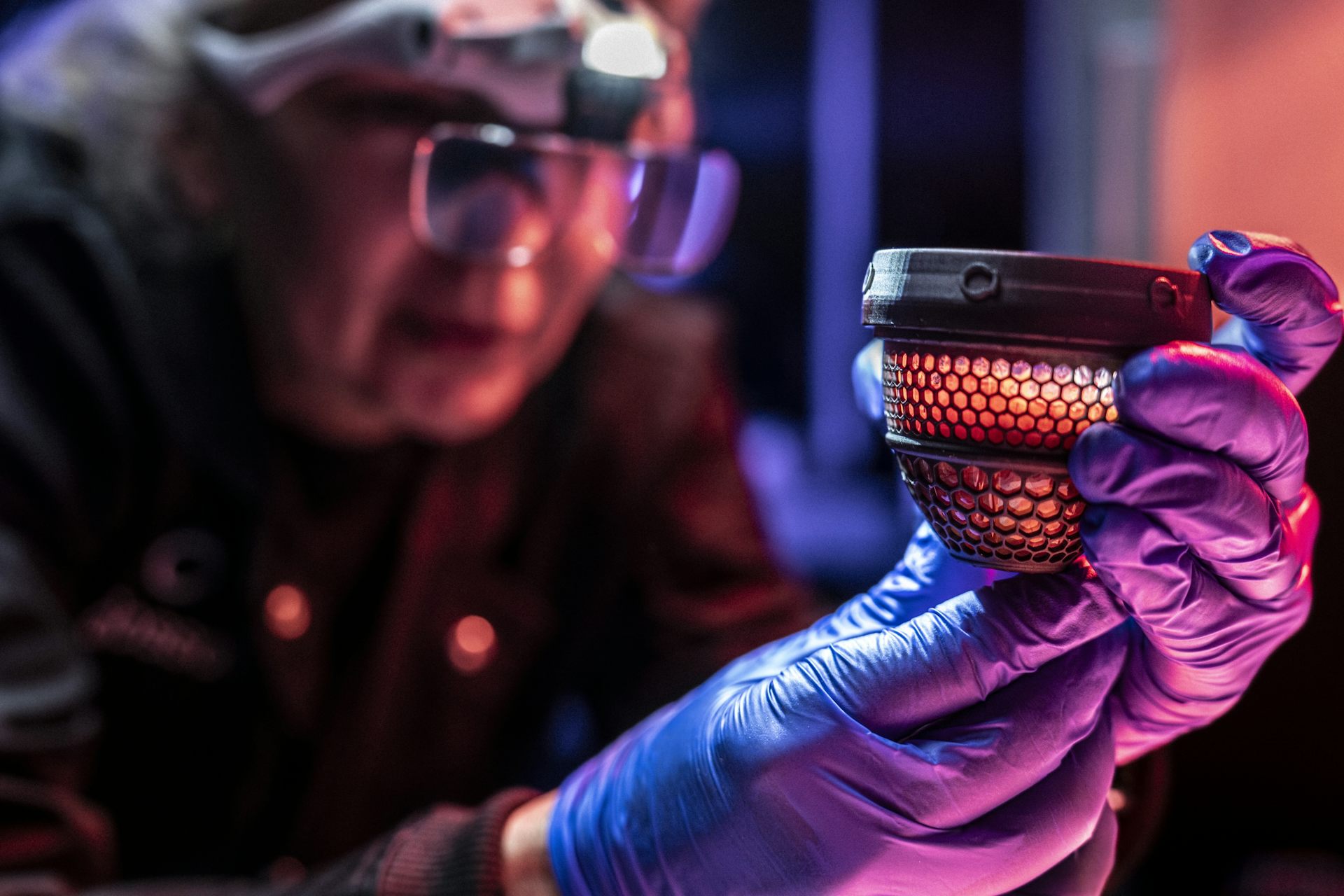
The company’s plan is to transfer a fertilised embryo and yolk from a real egg to their artificial egg, which would then be housed in incubators. Embryo development would be observed directly through the transparent membrane, as in other artificial systems.
该公司的计划是将来自天然蛋的受精胚胎和卵黄转移到其人工蛋中,然后将人工蛋放入孵化器中。胚胎发育将通过透明膜直接观察,与其它人工系统相同。
A gene-edited emu
基因编辑的鸸鹋
Colossal is planning to genetically modify an emu genome to look more like that of a moa (as they did with grey wolves and dire wolves) , create an embryo inside an emu egg, and then bring it to term using this new artificial egg.
Colossal 计划对鸸鹋基因组进行基因改造,使其更像莫阿(就像他们对灰狼和巨狼所做的那样),在鸸鹋蛋内培育胚胎,然后利用这种新型人工蛋将其养育到成熟。
The technology could also be used in Colossal’s attempts to genetically engineer a Nicobar pigeon to look more like a dodo.
该技术也可用于 Colossal 尝试基因工程改造尼科巴鸽,使其更像渡鸽。
Key to Colossal’s goal is that its artificial egg could be scaled in size.
Colossal 实现其目标的关键在于其人工蛋的尺寸是否可以放大。
However, this still requires a fertilised embryo and yolk. Given the large size differences between chicken eggs and emu (up to 12 times bigger) and giant moa (up to 80 times bigger) , there is not enough yolk and egg white in any living birds’ eggs to support the development of a giant moa chick.
然而,这仍然需要一个受精胚胎和卵黄。考虑到鸡蛋和鸸鹋蛋(大约大12倍)以及巨型莫阿(大约大80倍)之间的巨大尺寸差异,任何活鸟的蛋中都没有足够的卵黄和蛋清来支持一只巨型莫阿雏鸟的发育。
An egg yolk is a single cell. It will not be as simple as injecting extra yolk into this fragile cell to make it giant.
卵黄是一个单细胞。它不会像将额外的卵黄注入这个脆弱的细胞那样简单,就能使其变得巨大。
Bird embryo development is a complex process, unique to each species. A lot happens in an egg and only time will tell whether this new technology reflects natural processes and produces healthy individuals.
鸟类胚胎发育是一个复杂的过程,每个物种都是独特的。蛋内会发生很多事情,只有时间才能证明这项新技术是否反映了自然过程并能产生健康的个体。
But as our work on other extinct species shows, there is also widespread Māori and public opposition in New Zealand to the company’s plans to “de-extinct” the moa for an ecotourism venture.
但正如我们在其他已灭绝物种上的工作所示,在新西兰,当地原住民毛利人和公众也对该公司为生态旅游项目而“复活”莫阿的计划持广泛反对态度。
A potential conservation tool
一种潜在的保护工具
The company claims its artificial egg technology “has broad applications for the conservation of threatened species”.
该公司声称其人工蛋技术“在濒危物种保护方面具有广泛的应用”。
Artificial egg technology requires considerable amounts of funding, which Colossal has mobilised from private sources. This is funding that would not have otherwise been available for conservation.
人工蛋技术需要大量的资金,Colossal已从私人渠道筹集了这些资金。这些资金原本无法用于保护工作。
One area where it could make a significant difference is the captive breeding of critically endangered species (such as kākāpō, kakī black stilt and pukunui southern dotteral) for reintroduction into the wild. This is especially true for long-lived and slow-breeding species which tend to produce fewer eggs.
它可能发挥显著作用的领域之一是圈养繁殖极度濒危物种(例如kākāpō、kakī黑鸻和pukunui南点鸡),以便将其重新引入野外。对于寿命长、繁殖缓慢且产蛋较少的物种来说,这一点尤为突出。
For example, eggs damaged by inexperienced new parents, misadventure or adverse weather events could be rescued into artificial eggs to help developing chicks to survive.
例如,那些因经验不足的新父母、意外事故或恶劣天气事件而受损的蛋,可以被转移到人工蛋中,帮助正在发育的雏鸟存活。
When combined with genome engineering techniques, the use of artificial eggs could help to reintroduce lost genetic diversity or make birds resistant to diseases. The technology may also be able to reverse the impacts of inbreeding on low hatching success in some species.
当与基因组工程技术结合使用时,人工蛋的应用有助于重新引入丢失的遗传多样性,或使鸟类抵抗疾病。该技术还可能逆转近亲繁殖对某些物种低孵化成功率的影响。
However, for critically endangered birds with few natural eggs, the development of transgenic birds would be necessary to produce enough chicks.
然而,对于自然产蛋稀少的极度濒危鸟类,开发转基因鸟类将是产生足够雏鸟所必需的。
For example, chickens could provide sperm and egg cells containing genetically modified DNA from a different species. After mating, the fertilised embryo and yolk could be transferred to the artificial egg.
例如,鸡可以提供含有来自不同物种的基因改造DNA的精子和卵细胞。交配后,受精胚和卵黄可以转移到人工蛋中。
Ethical questions remain about whether such steps should be taken, even if technologically possible.
即使在技术上可行,关于是否应该采取此类步骤的伦理问题仍然存在。
The use of artificial egg technology in conservation, especially in combination with genome engineering and transgenic birds, would require transparent and increased levels of engagement with Indigenous communities as the kaitiaki (guardians) of endangered species.
在保护中使用人工蛋技术,特别是结合基因组工程和转基因鸟类时,需要与原住民社区(作为濒危物种的守护者kaitiaki)进行透明化和更高水平的参与。
It is also vital this technology (and conservation in general) is not privatised. If Colossal’s artificial egg technology is to make a meaningful difference to saving species from extinction, it must be available to conservation organisations in the public sector.
此外,至关重要的是,这项技术(以及保护工作本身)不能被私有化。如果Colossal的人工蛋技术要对拯救物种免于灭绝做出有意义的贡献,它必须可供公共部门的保护组织使用。
If the technology lives up to the hype, it won’t be a silver bullet or panacea to stopping species declines, but it might just help. In the short term at least, saving species from extinction will still come down to predator control and habitat restoration.
如果这项技术能达到宣传的预期,它不会是阻止物种下降的灵丹妙药或万能药,但它可能只是有所帮助。至少在短期内,拯救物种免于灭绝仍然取决于捕食者控制和栖息地恢复。
Nic Rawlence receives funding from Te Apārangi Royal Society of New Zealand Marsden Fund.
Nic Rawlence的资金来自新西兰Te Apārangi皇家学会的Marsden基金。