德国叫停旗舰FCAS战斗机——这对欧洲防务的影响令人担忧
Germany pulled the plug on flagship FCAS fighter jet – …
The programme got bogged down by disputes over leadership, workshare and intellectual property.
该项目因领导权、工作分工和知识产权的争议而陷入僵局。
The effective collapse of the Future Combat Air System (FCAS) fighter jet programme is a major setback for European defence cooperation.
未来战斗空战系统(FCAS)战斗机项目的实际崩溃,对欧洲防务合作是一个重大挫折。
France, Germany and Spain have spent nearly a decade trying to develop what was intended to become Europe’s premier next-generation combat aircraft, only for the programme to succumb to disputes over leadership, the distribution of work and intellectual property.
法国、德国和西班牙花费了近十年时间,试图开发出原本旨在成为欧洲顶级下一代战斗机,但该项目最终却屈服于关于领导权、工作分配和知识产权的争端。
Yet Europeans shouldn’t be surprised. The history of European combat aviation is littered with programmes that struggled under the weight of competing national ambitions. In this respect, FCAS looks less like an extraordinary failure than the latest chapter in a recurring story.
然而,欧洲人不应该感到惊讶。欧洲战斗航空的历史上充斥着许多在相互竞争的国家野心重压下挣扎的项目。从这个角度来看,FCAS与其说是一次非凡的失败,不如说是正在重复故事中的最新一章。
The more important question is not why FCAS has run into trouble, but rather what its collapse reveals about Europe’s ability to generate and sustain the military capabilities it will need in a more dangerous world.
更重要的问题不是FCAS为什么陷入困境,而是它的崩溃揭示了欧洲在更危险的世界中产生和维持所需军事能力的能力。
Adversaries are now investing heavily in integrated and layered air defences encompassing long-range missiles, electronic warfare capabilities and increasingly sophisticated sensors. Maintaining the ability to penetrate defended airspace in future conflicts will require a step change in capability.
敌对势力现在正大力投资于综合和分层的防空系统,这些系统涵盖了远程导弹、电子战能力以及日益复杂的传感器。在未来的冲突中,维持穿透防御空域的能力需要实现能力的飞跃式提升。
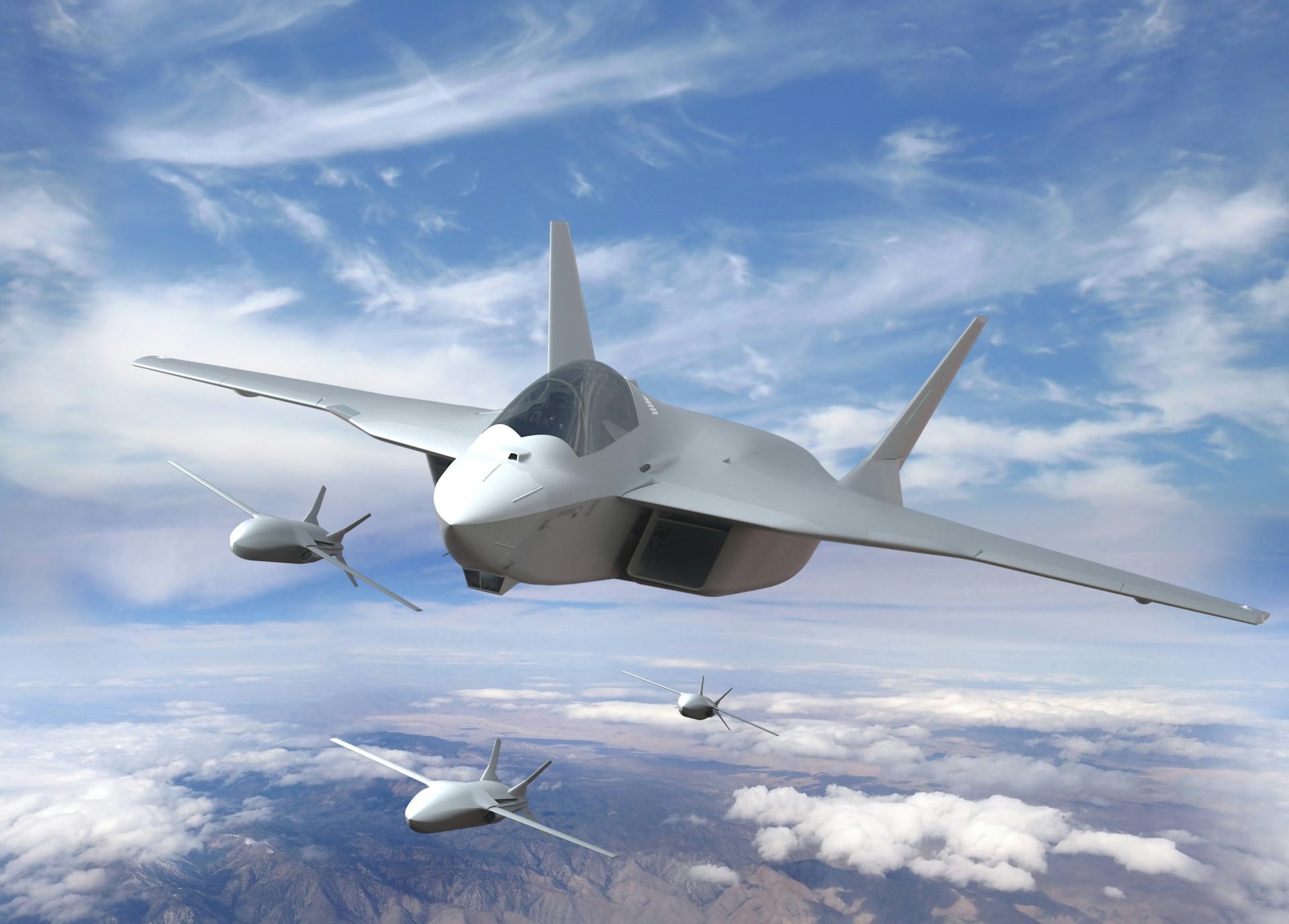
FCAS was conceived as a “sixth-generation” combat system – the latest leap in fighter jet technology – to overcome this contested air environment. At its centre would sit a new combat aircraft, supported by autonomous drones, advanced sensors, electronic warfare systems and a digital network linking everything together from the 2040s.
FCAS被构想为一个“第六代”作战系统——这是战斗机技术领域的最新飞跃——旨在克服这种争夺的空域环境。其核心将是一架新型战斗机,辅以自主无人机、先进传感器、电子战系统以及一个从2040年代连接一切的数字网络。
The challenge is that such programmes are becoming extraordinarily expensive to develop. By sharing costs, expertise and industrial capacity, European governments hope to achieve capabilities that would otherwise be beyond their reach.
挑战在于,此类项目开发成本正变得极其高昂。欧洲各国政府希望通过共享成本、专业知识和工业能力,实现原本无法企及的能力。
Reality check
现实检验
Despite the perceived commonalities, the FCAS nations – France and Germany in particular – had very different objectives.
尽管存在表面上的共同点,但参与FCAS的国家——尤其是法国和德国——的目标却截然不同。
For France, the project was never simply about replacing its Rafale fighter jet. Any successor aircraft would eventually have to support the airborne component of France’s nuclear deterrent, operate from its aircraft carrier, and preserve sovereign industrial capabilities – specifically the ability to independently design and build advanced combat aircraft. The insistence by France on design leadership for FCAS therefore reflected concerns about national autonomy, even if portrayed as industrial obstinacy.
对法国而言,这个项目从未仅仅是关于替换其“拉法尔”战斗机。任何后续飞机最终都必须支持法国核威慑力量的空基组成部分,能在其航空母舰上起降,并维护主权工业能力——特别是独立设计和制造先进作战飞机的能力。因此,法国坚持在FCAS中担任设计领导地位,反映的是对国家自主权的担忧,即使这种担忧被描绘成工业上的固执己见。
Meanwhile Germany, represented by the aerospace giant Airbus, had little interest in financing a programme that was likely to concentrate Europe’s most valuable expertise, intellectual property and design authority in Dassault, the French aerospace company, for decades to come.
与此同时,由航空巨头空客(Airbus)代表的德国,对资助一个可能让欧洲最有价值的专业知识、知识产权和设计权威在未来几十年内集中于法国航空公司的达索公司(Dassault)的项目兴趣甚微。
These tensions are hardly new. In the 1960s, Britain and France attempted to build the Anglo-French Variable Geometry aircraft. But France’s withdrawal in 1967, for similar reasons to FCAS, led to the project’s collapse.
这些紧张关系并非新鲜事。在20世纪60年代,英国和法国曾试图建造英法变距翼飞机。但由于与FCAS相似的原因,法国于1967年退出,导致该项目崩溃。
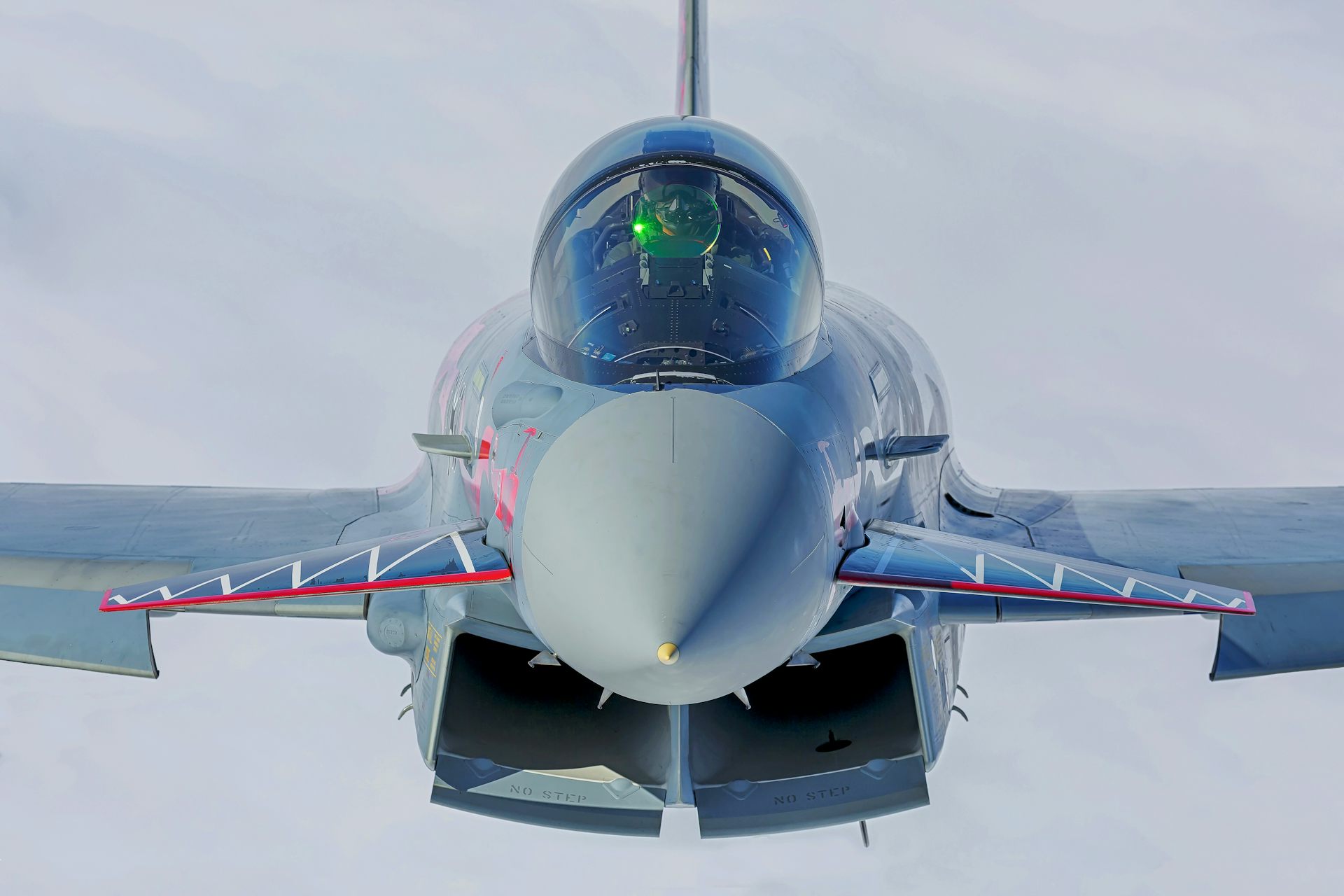
Other joint European projects have succeeded. For instance, the Panavia Tornado. And in the 1980s, the Eurofighter consortium was developed. This time, despite France withdrawing (to produce the Rafale) , the UK, Germany and Italy proceeded (with Spain later joining) with what would become the Eurofighter Typhoon.
其他联合欧洲项目是成功的。例如“帕纳维亚”风暴战机(Panavia Tornado)。而在20世纪80年代,“欧洲战斗机”(Eurofighter)联盟得以发展。这一次,尽管法国退出了(以生产拉法尔),但英国、德国和意大利继续推进了该项目(西班牙后来加入),最终形成了“欧洲战斗机‘台风’”(Eurofighter Typhoon)。
Reliance on America
依赖美国
For decades, therefore, European collaborative programmes have been expected to do several things at once: deliver military capability and sustain national industries while strengthening diplomatic relationships or at least not upsetting them.
因此,几十年来,欧洲的合作项目一直被期望同时完成几项任务:提供军事能力并维持国家产业,同时加强外交关系或至少不破坏它们。
That may have been a manageable compromise when Europe’s security was underwritten by the United States and the threat from Russian appeared contained. It is far harder to justify when European governments are warning that the continent must rearm.
当欧洲的安全由美国担保,且来自俄罗斯的威胁似乎得到控制时,这可能是一个可以管理的妥协。然而,当欧洲各国政府警告说大陆必须重新武装时,这种说法就难以为继了。
The challenge is compounded by the changing relationship between governments and industry. Unlike Airbus, which remains partly state-owned, Dassault is controlled by the family that bears its name.
挑战因政府与产业之间不断变化的关系而加剧。与部分仍由国家拥有的空客(Airbus)不同,达索(Dassault)则由其家族控制。
This reflects a broader trend of European governments often exercising less influence over major defence firms than they did during the cold war, when state ownership and greater industrial competition gave them more leverage. This is to say nothing of the tech firms increasingly fundamental to military capability.
这反映了欧洲各国政府对主要国防企业的影响力正在减弱的更广泛趋势。在冷战时期,由于国有化和更大的产业竞争赋予了他们更多的话语权。而对于日益成为军事能力基础的技术公司来说,更是如此。
That matters because armed forces are built over decades, not electoral cycles. If European governments struggle to mobilise industry to meet their defence requirements, they may find themselves confronting capability gaps at precisely the moment they are trying to deter aggression.
这一点很重要,因为武装部队是在几十年内建立起来的,而不是在选举周期内。如果欧洲政府难以动员工业来满足其国防需求,那么它们可能发现自己正试图威慑侵略行为的精确时刻,却面临着能力缺口。
Germany’s defence minister, Boris Pistorious, has already outlined three alternatives to FCAS. The first and simplest is to buy more F-35s from the US. But this would fall short of Germany’s requirements while also deepening dependence on the US – something European nations are keen to avoid.
德国国防部长博里斯·皮斯托里乌斯(Boris Pistorious)已经提出了FCAS项目的三个替代方案。第一个也是最简单的办法是从美国购买更多的F-35战机。但这无法满足德国的要求,同时也会加深对美国的依赖——这是欧洲国家们极力避免的。
The second option is to join another collaboration, most likely the UK-Italian-Japanese effort to build a sixth-generation fighter, called the Global Combat Air Programme (GCAP) . Germany’s growing defence budget could provide the project with additional funding and a larger order book. But it would also raise questions about influence.
第二个选择是加入另一个合作项目,很可能是英国、意大利和日本建立第六代战斗机的努力,该项目名为全球作战空军计划(GCAP)。德国不断增长的国防预算可以为该项目提供额外的资金和更大的订单量。但这也将引发关于影响力的质疑。
But if Berlin rejected a subordinate role within FCAS, it is unlikely to accept one within GCAP. Existing partners may therefore conclude that the benefits of expansion are outweighed by the risks of delay to a programme targeting entry into service by 2035.
但是,如果柏林拒绝在FCAS中扮演次要角色,那么它不太可能接受在GCAP中扮演的角色。因此,现有伙伴可能会得出结论:与目标在2035年投入使用的项目相比,扩张带来的益处被延误的风险所抵消了。
The third option is a German-led effort, being discussed through the proposed Team Gen 6 industrial grouping – an Airbus-led alliance of eight defence firms. This would solve industry concerns, preserve German design ambitions and might allow Berlin to build a coalition with other partners, such as Spain and Sweden.
第三个选择是德国主导的努力,目前正在通过拟议的“第6代团队”(Team Gen 6)产业集团进行讨论——这是一个由八家国防公司牵头的空客联盟。这将解决产业方面的担忧,维护德国的设计雄心,并可能允许柏林与其他伙伴(如西班牙和瑞典)建立联盟。
But it could be prohibitively expensive, risky, and by further fragmenting Europe’s already crowded combat aircraft landscape, reduce the viability of all the existing programmes. France faces similarly difficult choices. It can pursue a national successor to Rafale, preserving control over industrial, nuclear and carrier requirements but accepting substantial costs. Or it could seek a revised collaborative framework.
但它可能是过分昂贵、充满风险的,并且通过进一步碎片化欧洲本已拥挤的战斗机领域,降低了所有现有项目的可行性。法国面临着同样艰难的选择。它可以追求拉法尔(Rafale)的国家继任者,从而保留对工业、核能和航空母舰需求的控制权,但必须接受巨大的成本。或者它可以寻求一个修订后的合作框架。
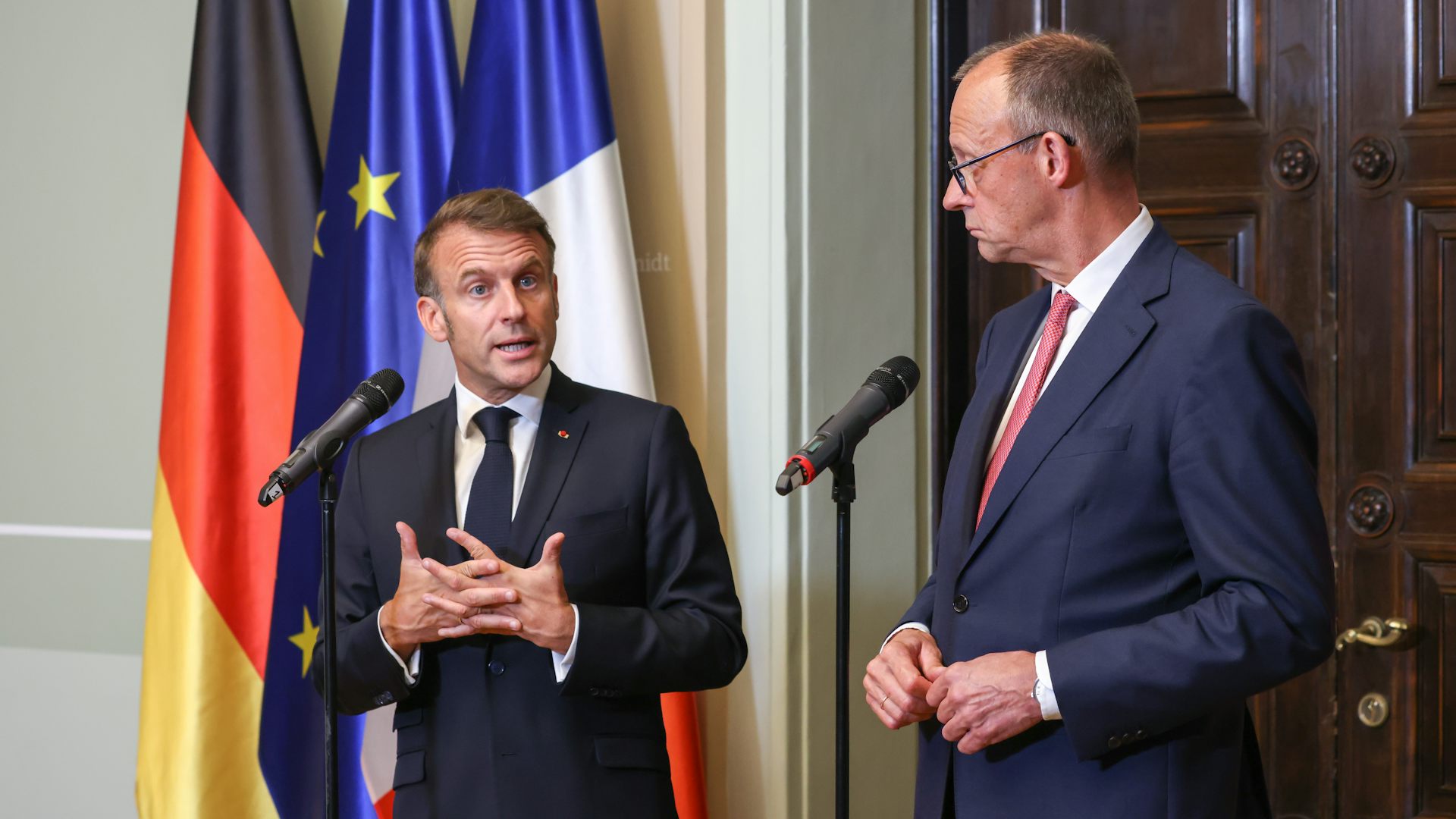
Both French president Emmanuel Macron and Germany’s chancellor Friedrich Merz have made clear that other opportunities for collaboration exist, such as the drones intended to support the FCAS fighter jet, or the main aircraft’s engine.
法国总统马克龙和德国总理梅尔茨都明确表示,存在其他合作机会,例如旨在支持FCAS战斗机的无人机,或主飞机的发动机。
The experience of FCAS is not that Europe cannot cooperate. History shows otherwise, and GCAP may yet again demonstrate that a pragmatic coalition can succeed where a more politically ambitious partnership failed.
FCAS的经验并非证明欧洲无法合作。历史表明并非如此,而GCAP可能再次证明,一个务实的联盟可以在更具政治抱负的伙伴关系失败的地方取得成功。
What FCAS does reveal, however, is a growing mismatch between Europe’s security environment, the way it continues to procure defence equipment and the costs involved. The recent resignation of Britain’s defence secretary, John Healey, amid disputes over defence funding, points to the same problem.
然而,FCAS确实揭示了欧洲的安全环境、其持续采购国防设备的方式以及涉及的成本之间日益增长的不匹配。英国国防大臣约翰·希利(John Healey)因国防资金争议而最近辞职,指出了同样的问题。
European governments increasingly agree on the threats they face, but remain “unwilling” to make the financial and political compromises required to address them. That should concern us all.
欧洲各国政府在面临的威胁上越来越达成一致,但仍然“不愿”做出解决这些问题所需的财政和政治妥协。这应该让我们所有人都感到担忧。
Arun Dawson does not work for, consult, own shares in or receive funding from any company or organisation that would benefit from this article, and has disclosed no relevant affiliations beyond their academic appointment.
作者不拥有任何可能受益于本文的公司或组织的股份,也不接受来自任何公司的资金支持。其相关隶属关系仅限于学术任命范围内的披露。