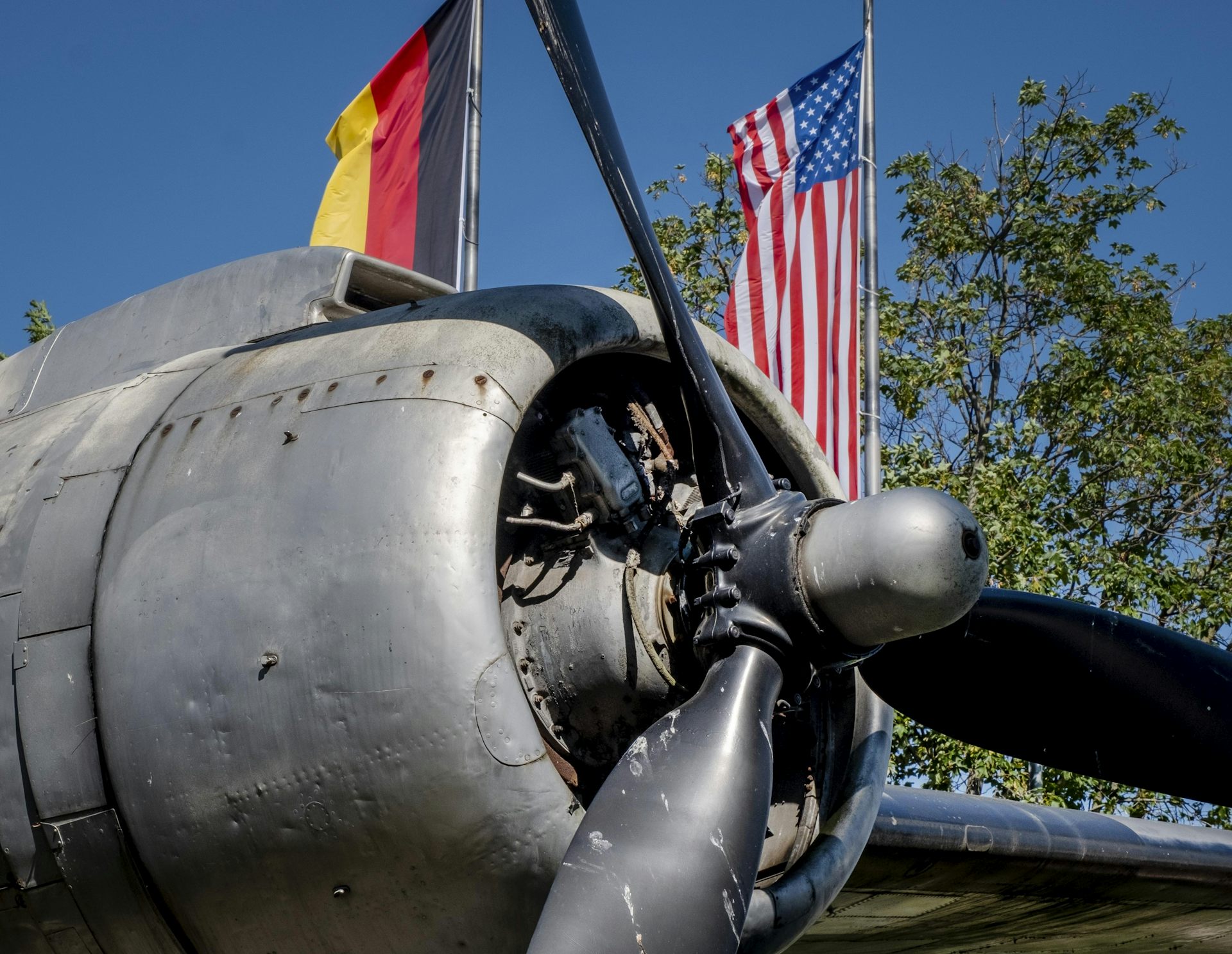
لماذا سيضر طلب ترامب بسحب 5000 جندي أمريكي من ألمانيا بأمريكا؟
Why Trump’s call to pull 5,000 US troops from Germany will hurt America
Overseas US military bases are integral to combat operations and can burnish the country’s image to advance its foreign policy goals.
تُعد القواعد العسكرية الأمريكية في الخارج جزءاً لا يتجزأ من العمليات القتالية ويمكن أن تصقل صورة البلاد لدفع أهداف سياستها الخارجية.
President Donald Trump announced on May 1, 2026, that the United States will withdraw 5,000 U.S. troops from Germany – personnel who had been deployed there as a response to Russia’s invasion of Ukraine.
أعلن الرئيس دونالد ترامب في 1 مايو 2026 أن الولايات المتحدة ستسحب 5000 من قواتها من ألمانيا – وهي أفراد تم نشرهم هناك استجابة لغزو روسيا لأوكرانيا.
Germany-U.S. tensions started after the U.S. invasion of Iran. German Chancellor Friedrich Merz refused to support Trump’s war and stated that Iran had humiliated Washington’s leadership by closing the Strait of Hormuz. Trump followed the initial U.S. troop withdrawal announcement with threats to pull more armed forces.
بدأت التوترات بين ألمانيا والولايات المتحدة بعد غزو الولايات المتحدة لإيران. رفض المستشار الألماني فريدريش مرز دعم حرب ترامب وذكر أن إيران أذلت قيادة واشنطن من خلال إغلاق مضيق هرمز. تبع ترامب إعلان الانسحاب الأولي لقوات الولايات المتحدة بتهديدات بسحب المزيد من القوات المسلحة.
U.S. troops will depart Germany over the next six to 12 months, leaving about 31,000 troops in the country.
ستغادر القوات الأمريكية ألمانيا على مدى الأشهر الستة إلى الاثني عشر المقبلة، تاركة حوالي 31000 جندي في البلاد.
The Trump administration’s decision to withdraw personnel comes after weeks of mounting tensions between the U.S. and NATO members. The United Kingdom and Portugal have restricted Washington’s ability to use its bases in those countries for certain activities related to the Iran war.
يأتي قرار إدارة ترامب بسحب الأفراد بعد أسابيع من التوترات المتصاعدة بين الولايات المتحدة والدول الأعضاء في الناتو. وقد قيدت المملكة المتحدة والبرتغال قدرة واشنطن على استخدام قواعدها في تلك البلدان لأنشطة معينة تتعلق بحرب إيران.
Trump also threatened to withdraw U.S. troops from Spain and Italy over their opposition to the war and refusal to help the U.S.
هدد ترامب أيضًا بسحب القوات الأمريكية من إسبانيا وإيطاليا بسبب معارضتهما للحرب ورفضهما المساعدة للولايات المتحدة.
“Why shouldn’t I?” Trump said on April 30, 2026, referring to possible U.S. troop withdrawal from the two European countries. “Italy has not been of any help. Spain has been horrible. Absolutely.”
“لماذا لا أفعل؟” قال ترامب في 30 أبريل 2026، مشيرًا إلى الانسحاب المحتمل للقوات الأمريكية من البلدين الأوروبيين. “لم تكن إيطاليا مفيدة على الإطلاق. كانت إسبانيا مروعة. بكل بساطة.”
These remarks suggest the Trump administration views U.S. troop withdrawal as punishment for noncompliant European allies. But the reality is more complicated. Although this proposed 5,000-troop reduction is less than 15% of current U.S. forces in Germany, its logic and consequences speak to broader issues of power projection.
تشير هذه الملاحظات إلى أن إدارة ترامب تنظر إلى سحب القوات الأمريكية كعقاب للحلفاء الأوروبيين غير الممتثلين. لكن الواقع أكثر تعقيدًا. على الرغم من أن هذا التخفيض المقترح لـ 5000 جندي يمثل أقل من 15% من القوات الأمريكية الحالية في ألمانيا، إلا أن منطقه وعواقبه تتحدثان عن قضايا أوسع تتعلق بإسقاط القوة.
As experts in international relations, foreign policy and security cooperation, we have studied the relationship between U.S. military deployments and their host countries for years. While U.S. deployments contribute to the security of the host state, having troops based in Europe and other countries provides the U.S. with significant flexibility for pursuing its own foreign policy goals.
بصفتنا خبراء في العلاقات الدولية والسياسة الخارجية والتعاون الأمني، فقد درسنا العلاقة بين عمليات النشر العسكرية الأمريكية وبلدانها المضيفة لسنوات. وفي حين تساهم عمليات النشر الأمريكية في أمن الدولة المضيفة، فإن وجود قوات مقره في أوروبا وبلدان أخرى يوفر للولايات المتحدة مرونة كبيرة لمتابعة أهدافها الخارجية الخاصة.
US deployment levels
مستويات نشر الولايات المتحدة
Europe has historically been one of the regions with the highest concentrations of U.S. military personnel deployed overseas.
لقد كانت أوروبا تاريخياً واحدة من المناطق التي لديها أعلى تركيزات من الأفراد العسكريين الأمريكيين المنتشرين في الخارج.
Since the end of the Cold War, for example, Italy has hosted between 20,000 and 40,000 personnel, and Spain between 2,000 and 7,000 personnel. Germany has regularly hosted the largest deployments. At the end of the Cold War, the U.S. maintained approximately 227,000 military personnel in Germany. Though Europe remains a significant location for basing U.S. troops, this number fell dramatically in the 1990s, hovering between 50,000 and 75,000 for most years since then.
منذ نهاية الحرب الباردة، على سبيل المثال، استضافت إيطاليا ما بين 20,000 و 40,000 فرد، وإسبانيا ما بين 2,000 و 7,000 فرد. وقد استضافت ألمانيا بانتظام أكبر عمليات النشر. وفي نهاية الحرب الباردة، حافظت الولايات المتحدة على ما يقرب من 227,000 فرد عسكري في ألمانيا. على الرغم من أن أوروبا تظل موقعاً هاماً لتوطين القوات الأمريكية، فقد انخفض هذا العدد بشكل كبير في التسعينيات، حيث تراوح بين 50,000 و 75,000 لمعظم السنوات منذ ذلك الحين.
US power projection
إسقاط القوة الأمريكية
Historians and policymakers often explained U.S. deployments to Europe as a means of deterring the Soviet Union during the Cold War.
غالبًا ما شرح المؤرخون وصناع السياسات عمليات نشر الولايات المتحدة في أوروبا كوسيلة لردع الاتحاد السوفيتي خلال الحرب الباردة.
Nobel laureate Thomas Schelling described the logic in 1966: Even a small deployment in West Berlin served as a trip wire, ensuring that Soviet incursions would trigger a much larger military response from the U.S. and its European allies.
وصف الحائز على جائزة نوبل توماس شيلينغ المنطق في عام 1966: حتى النشر الصغير في غرب برلين خدم كحبل أمان، مما ضمن أن التعديات السوفيتية ستؤدي إلى استجابة عسكرية أكبر بكثير من الولايات المتحدة وحلفائها الأوروبيين.
But a closer look at U.S. foreign policy challenges this view. While U.S. troops stationed in Europe were meant to defend Europe, their utility has extended far beyond that.
لكن نظرة أقرب إلى تحديات السياسة الخارجية الأمريكية تتحدى هذا الرأي. فبينما كانت القوات الأمريكية المتمركزة في أوروبا تهدف إلى الدفاع عن أوروبا، فإن فائدتها امتدت إلى ما هو أبعد من ذلك.
U.S. military bases and deployments provide the U.S. with greater flexibility and opportunities to pursue its foreign policy goals. By forward positioning military personnel and assets, the U.S. can reduce response times during crises, as well as the costs of moving its military resources into strategic positions.
توفر القواعد والعمليات العسكرية الأمريكية للولايات المتحدة مرونة وفرصًا أكبر لمتابعة أهدافها السياسية الخارجية. من خلال التموضع المتقدم للعسكريين والأصول، يمكن للولايات المتحدة تقليل أوقات الاستجابة أثناء الأزمات، وكذلك تكاليف نقل مواردها العسكرية إلى المواقع الاستراتيجية.
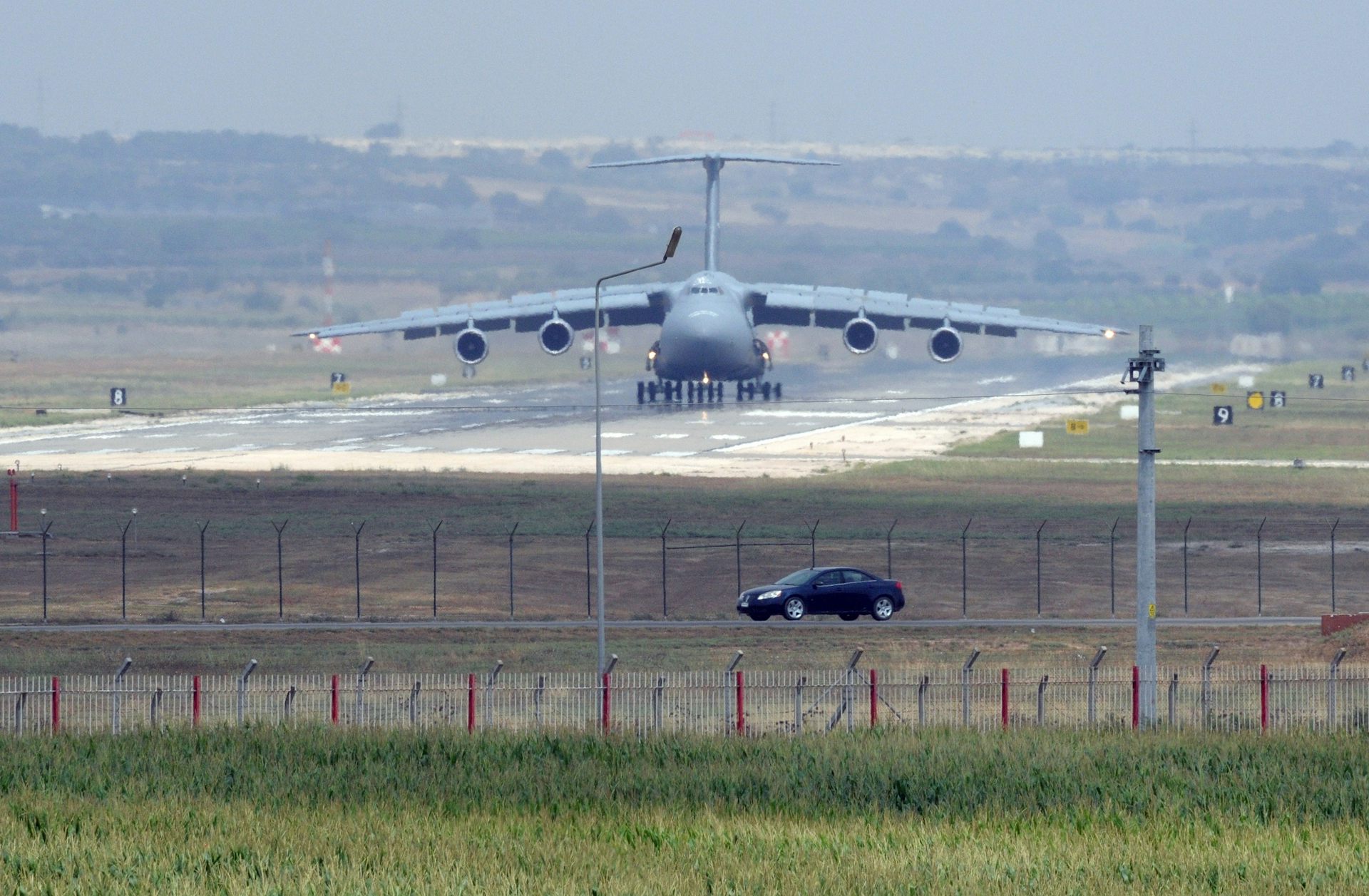
Foreign deployments can convince countries not to attack countries that host them. During the Cold War, for example, the U.S. deployed nuclear weapons to Incirlik Air Base in Turkey, a NATO ally. Turkey’s close proximity to the Soviet Union increased the U.S.’s ability to challenge its superpower rival with these weapons.
يمكن للنشر الأجنبي أن يقنع الدول بعدم مهاجمة الدول التي تستضيفها. فخلال الحرب الباردة، على سبيل المثال، نشرت الولايات المتحدة أسلحة نووية في قاعدة إنيرليخت الجوية في تركيا، وهي حليف من حلف الناتو. أدت القرب الجغرافي لتركيا من الاتحاد السوفيتي إلى زيادة قدرة الولايات المتحدة على تحدي خصمها العظمى بالقوة النووية بهذه الأسلحة.
These missiles were famously later withdrawn during the Cuban missile crisis in 1962, giving the U.S. something to bargain with in persuading the Soviets to remove their missiles from Cuba.
تم سحب هذه الصواريخ لاحقًا بشكل مشهور خلال أزمة الصواريخ الكوبية في عام 1962، مما أعطى الولايات المتحدة شيئًا للتفاوض به في إقناع السوفييت بإزالة صواريخهم من كوبا.
Larger military engagements, such as the Vietnam War or the wars in Iraq and Afghanistan, have typically relied on U.S. military facilities in allied states that are closer to the conflict. During the Vietnam War, U.S. bases in Germany, Japan and the Philippines were used as staging areas through which U.S. personnel and equipment moved on their way in or out of Southeast Asia.
اعتمدت المشاركات العسكرية الأكبر، مثل حرب فيتنام أو الحروب في العراق وأفغانستان، عادةً على المنشآت العسكرية الأمريكية في الدول الحليفة الأقرب إلى النزاع. خلال حرب فيتنام، استُخدمت القواعد الأمريكية في ألمانيا واليابان والفلبين كمناطق انطلاق تحركت من خلالها القوات والمعدات الأمريكية في طريقها إلى أو خارج جنوب شرق آسيا.
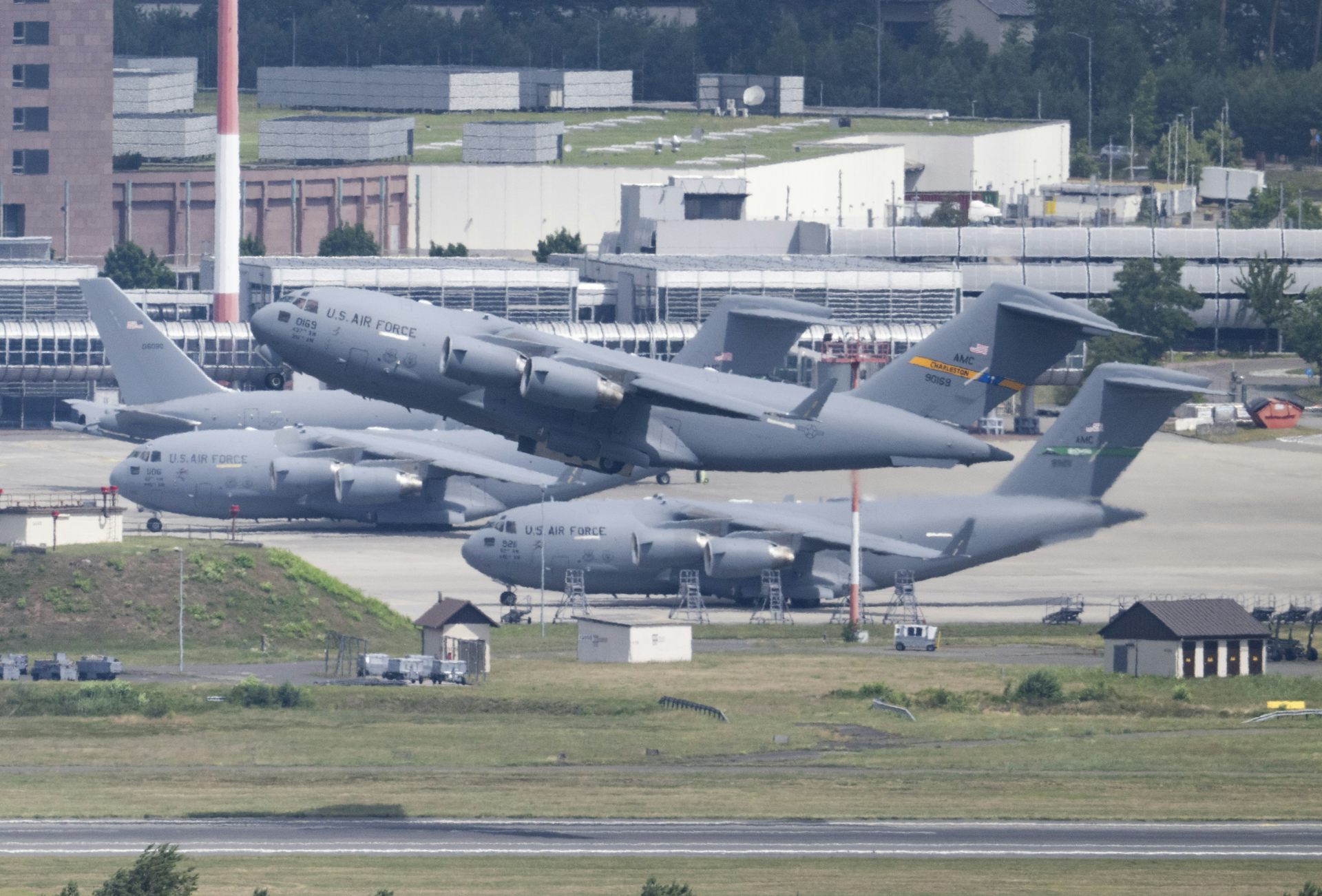
U.S. facilities in Germany, such as Ramstein Air Base and Landstuhl Regional Medical Center, have been integral to combat operations, satellite control of drones and treating U.S. personnel wounded in combat. Landstuhl has admitted over 97,000 wounded soldiers since its founding in 1953 and has already treated service members injured during the ongoing Iran war.
كانت المنشآت الأمريكية في ألمانيا، مثل قاعدة رامشتاين الجوية ومركز لاندشتول الطبي الإقليمي، جزءًا لا يتجزأ من العمليات القتالية والتحكم في الأقمار الصناعية للطائرات بدون طيار وعلاج الأفراد الأمريكيين الجرحى في القتال. اعترفت لاندشتول بأكثر من 97,000 جندي جريح منذ تأسيسها في عام 1953 وقد عالجت بالفعل أفراد الخدمة الذين أصيبوا أثناء حرب إيران المستمرة.
Further, military equipment such as radar and interceptor missiles often have limited ranges. Deploying this equipment closer to rival countries can increase the chance of successfully intercepting and destroying incoming missiles.
علاوة على ذلك، غالبًا ما تكون المعدات العسكرية مثل الرادار والصواريخ المُبَرِّدة ذات مدى محدود. يمكن لنشر هذه المعدات بالقرب من الدول المنافسة أن يزيد من فرصة الاعتراض والتدمير الناجح للصواريخ القادمة.
Humanitarian benefits
الفوائد الإنسانية
Beyond warfare, U.S. humanitarian relief and disaster response operations often benefit from U.S. bases.
بعيداً عن الحرب، غالباً ما تستفيد عمليات الإغاثة الإنسانية والاستجابة للكوارث الأمريكية من القواعد الأمريكية.
For instance, after a large earthquake struck Japan in 2011, U.S. personnel and facilities located in and around Japan enabled the rapid mobilization of relief operations.
على سبيل المثال، بعد زلزال كبير ضرب اليابان في عام 2011، مكنت الأفراد والمرافق الأمريكية الواقعة في اليابان وحولها من التعبئة السريعة لعمليات الإغاثة.
In 2004, a powerful earthquake in the Indian Ocean triggered large tsunamis, affecting millions of people in nearby countries. U.S. personnel stationed at Yokota Air Base near Tokyo provided relief and supplies to people throughout Southeast Asia and as far as eastern Africa.
في عام 2004، أدى زلزال قوي في المحيط الهندي إلى إثارة تسونامي كبير، مما أثر على ملايين الأشخاص في البلدان المجاورة. قدم الأفراد الأمريكيون المتمركزون في قاعدة يوكوتا الجوية بالقرب من طوكيو الإغاثة والمؤن للناس في جميع أنحاء جنوب شرق آسيا وحتى شرق أفريقيا.
Similarly, after an earthquake in Turkey in 2023, U.S. medical personnel relocated from Germany to Incirlik Air Base to help provide relief.
وبالمثل، بعد زلزال في تركيا في عام 2023، نقل الأفراد الطبيون الأمريكيون من ألمانيا إلى قاعدة إنشيرليخت الجوية للمساعدة في تقديم الإغاثة.
Beyond their humanitarian benefits, these missions can increase favorable views of the U.S. More positive public views of America may also make foreign governments more likely to support U.S. foreign policy goals.
إلى جانب فوائدها الإنسانية، يمكن لهذه المهام أن تزيد من الآراء المواتية تجاه الولايات المتحدة. قد تجعل الآراء العامة الأكثر إيجابية عن أمريكا الحكومات الأجنبية أكثر عرضة لدعم أهداف السياسة الخارجية الأمريكية.
Lower costs for the US
تكاليف أقل للولايات المتحدة
Host states often make direct and indirect contributions to the costs of hosting and sustaining U.S. personnel. These can range from direct financial transfers to construction, tax reductions and subsidies. Japan and South Korea increased the amount they pay to host U.S. troops after Trump demanded they do so in 2019.
غالبًا ما تقدم الدول المضيفة مساهمات مباشرة وغير مباشرة في تكاليف استضافة ودعم الأفراد الأمريكيين. يمكن أن تتراوح هذه المساهمات بين التحويلات المالية المباشرة للبناء، وتخفيضات الضرائب، والإعانات. زادت اليابان وكوريا الجنوبية من المبلغ الذي تدفعونه لاستضافة القوات الأمريكية بعد أن طالب ترامب بذلك في عام 2019.
U.S. equipment – from tanks and trucks to planes and ships – also often relies on a host country’s infrastructure to operate and move within the host country. Germany, for example, paid over US$1 billion for construction costs and the stationing of U.S. troops in Germany during the 2010s.
كما أن المعدات الأمريكية – من الدبابات والشاحنات إلى الطائرات والسفن – تعتمد غالبًا على البنية التحتية لدولة المضيف للعمل والتنقل داخل الدولة المضيفة. على سبيل المثال، دفعت ألمانيا أكثر من مليار دولار أمريكي لتكاليف البناء وتوطين القوات الأمريكية في ألمانيا خلال العقد الأول من القرن الحادي والعشرين.
Not all countries that host U.S. troops invest as much in their infrastructure as Germany does, and having those troops elsewhere could prove far more costly than having them in Germany.
ليست جميع الدول التي تستضيف القوات الأمريكية تستثمر في بنيتها التحتية بقدر ما تستثمرها ألمانيا، وقد يكون وجود تلك القوات في أماكن أخرى أكثر تكلفة بكثير من وجودها في ألمانيا.
Michael A. Allen received grant research funding from the Department of Defense’s Minerva Initiative, the US Army Research Laboratory, and the US Army Research Office from 2017 to 2021.
حصل مايكل أ. ألين على تمويل بحثي من مبادرة مينيرفا التابعة لوزارة الدفاع، ومختبر أبحاث الجيش الأمريكي، ومكتب أبحاث الجيش الأمريكي في الفترة من 2017 إلى 2021.
Carla Martinez Machain has received funding from the Department of Defense’s Minerva Initiative, the US Army Research Laboratory, and the US Army Research Office.
حصلت كارلا مارتينيز ماشاين على تمويل من مبادرة مينيرفا التابعة لوزارة الدفاع، ومختبر أبحاث الجيش الأمريكي، ومكتب أبحاث الجيش الأمريكي.
Michael E. Flynn has received funding from the Department of Defense’s Minerva Initiative, the US Army Research Laboratory, and the US Army Research Office.
حصل مايكل إي. فلين على تمويل من مبادرة مينيرفا التابعة لوزارة الدفاع، ومختبر أبحاث الجيش الأمريكي، ومكتب أبحاث الجيش الأمريكي.
Read more
-
يستقيل الرئيس التنفيذي لشركة آبل، تيم كوك، بعد 15 عامًا. ما هو التالي لعملاق التكنولوجيا هذا؟
Apple chief executive Tim Cook resigns after 15 years. What’s next for the tech giant?
-
أسئلة وأجوبة الخبراء: لماذا انهارت كل هذه المباني في الزلزال المزدوج بفنزويلا؟
Expert Q&A: why did so many buildings collapse in Venezuela’s double earthquake?