كيف تستغل إدارة ترامب الثقافة الشعبية والدين لتحقيق مكاسب سياسية
How the Trump administration co-opts pop culture and religion for political gain
From master Jedi, to a pope, to AI Jesus, Trump has a track record of using pop culture reference as propoganda.
من سيد الجيداي، إلى بابا، إلى يسوع الذكاء الاصطناعي، لدى ترامب سجل حافل باستخدام المراجع الثقافية الشعبية كدعاية.
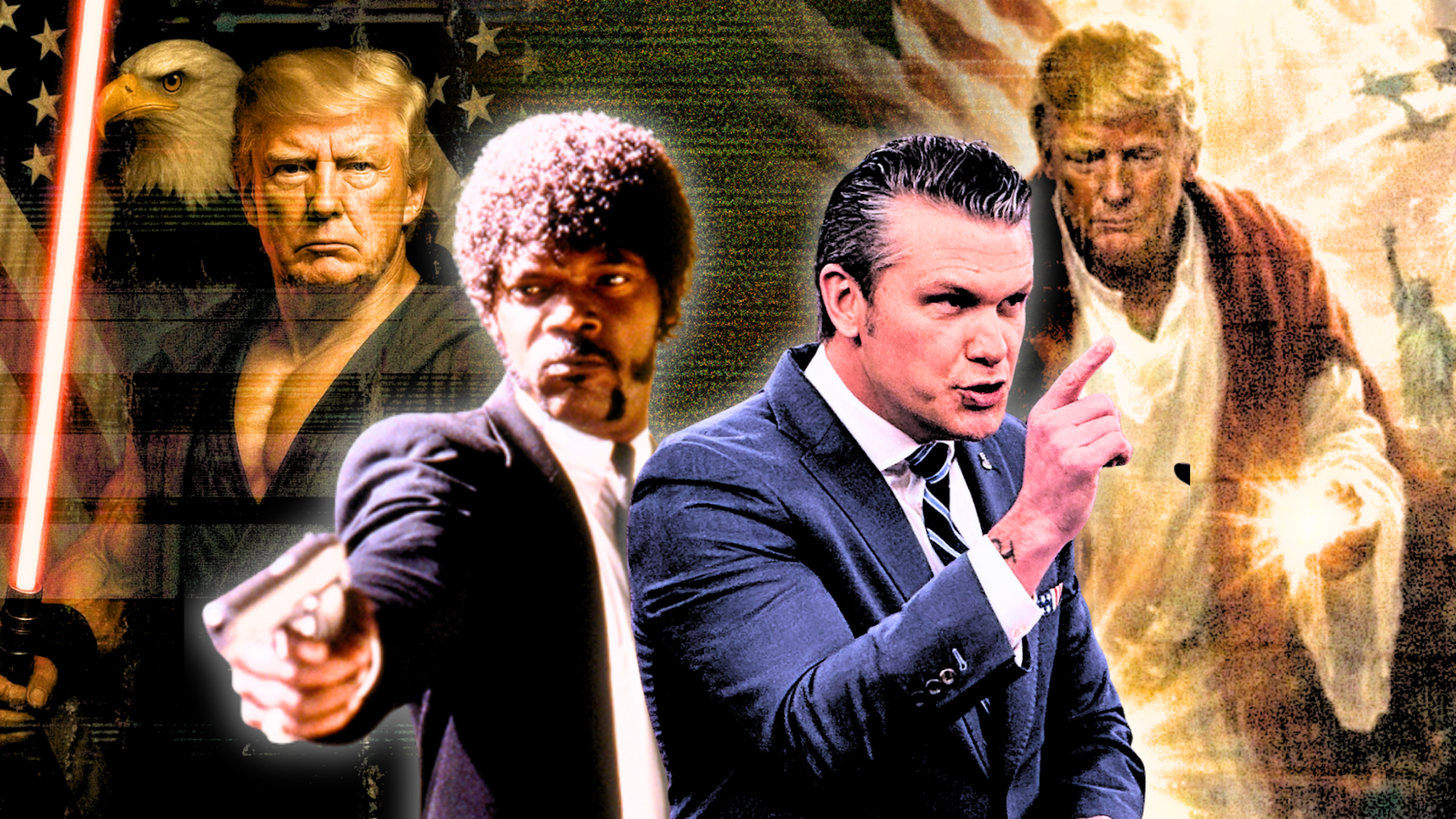
On April 15, United States Secretary of Defense Pete Hegseth led a prayer session at the Pentagon. But instead of quoting from any recognised canon of sacred scripture, Hegseth’s prayer sounded unmistakably like Samuel L. Jackson’s “Jules”, a hitman character from Quentin Tarantino’s iconic 1994 film Pulp Fiction.
في الخامس عشر من أبريل، قاد وزير الدفاع الأمريكي بيت هيجست وهجاء صلاة في البنتاغون. ولكن بدلاً من الاقتباس من أي قانون معترف به من النصوص المقدسة، بدا صلاة هيجست وكأنها مستوحاة بشكل لا لبس فيه من “جول” (Jules) الخاص بسامويل إل. جاكسون، وهو شخصية قاتل مأجور من فيلم “الخيال البورنيقي” (Pulp Fiction) الأيقوني للمخرج كوينتن تارانتينو عام 1994.
In his interrogation of white-collar criminal Brett, Jules delivers a heavily embellished monologue that draws from, and expands on, Ezekiel 25:17. The scene climaxes, in typical Tarantino style, with the brutal murder of Brett and his colleagues.
في استجوابه للمجرم المالي بريت، يلقي جول مونولوجاً مزخرفاً للغاية يستمد من، ويوسع على، إشعياء 25: 17. وتتصاعد الأحداث، بأسلوب تارانتينو النموذجي، بمذبحة وحشية لبريت وزملائه.
Hegseth’s version, which he said was recited by the Sandy 1 Combat Search and Rescue (CSAR) mission in Iran, deviates only slightly from Jackson’s monologue.
إن نسخة هيجست، التي قال إنها ألقاها فريق البحث والإنقاذ القتالي (CSAR) التابع لـ “ساندي 1” في إيران، لا تختلف إلا قليلاً عن مونولوج جاكسون.
The biggest difference in this case is the symbolism. The target here is not a bunch of college kids with a briefcase they shouldn’t have, but the nation of Iran. Hegseth is the mobster and the American military are the hitmen on a violent but “divinely sanctioned” war.
أكبر اختلاف في هذه الحالة هو الرمزية. فالهدف هنا ليس مجموعة من طلاب الجامعات يحملون حقيبة لا ينبغي لهم امتلاكها، بل هو دولة إيران. هيجست هو رجل المافيا، والجيش الأمريكي هم القتلة المأجورون في حرب عنيفة ولكن “مباركة إلهياً.”
The tone has changed, too. While Jackson’s monologue is highly dramatic, stylised, and imbued with more than just a little irony, Hegseth’s reframe renders it serious and devotional.
لقد تغير النبرة أيضاً. فبينما يتسم مونولوج جاكسون بأنه درامي للغاية ومصقول وممزوج بأكثر من مجرد سخرية، فإن إعادة صياغة هيجست تجعله جاداً وعبادياً.
Leaving aside the cognitive dissonance of an avowedly “Christian” administration conflating Tarantino with scripture, this moment speaks to a rather unsettling relationship between Trump, pop culture and religion.
وبصرف النظر عن التنافر المعرفي لإدارة تُعلن نفسها “مسيحية” وتخلط بين تارانتينو والنصوص المقدسة، فإن هذه اللحظة تتحدث عن علاقة مقلقة إلى حد ما بين ترامب، والثقافة الشعبية، والدين.
From business mogul, to Jedi, to the Pope
من قطب الأعمال، إلى جيدي، إلى البابا
Trump courted pop culture prior to his politics, most notably in cameos such as Home Alone 2 (1992) , The Little Rascals (1994) , and as the host of The Apprentice (2004-17) . He even leveraged his celebrity status to boost himself to the presidential platform.
تواصل ترامب مع الثقافة الشعبية قبل دخوله السياسة، وأبرز ذلك في ظهورات قصيرة مثل فيلم “Home Alone 2″ (1992) ، و”The Little Rascals” (1994) ، واستضافته لبرنامج “The Apprentice” (2004-17) . بل استغل شهرته لتعزيز مكانته في الساحة الرئاسية.
As president, he has continued to tap into pop culture dialogues. He uses the power of social media and AI to promote his brand and policies, while weighing in on the culture wars.
كرئيس، واصل الاستفادة من حوارات الثقافة الشعبية. إنه يستخدم قوة وسائل التواصل الاجتماعي والذكاء الاصطناعي لتعزيز علامته التجارية وسياساته، بينما يتدخل في “حروب الثقافة.”
On May 4 of last year (Star Wars Day) , Trump posted an image on X of himself as a muscular Jedi, via the official White House account. However, he seems unaware that by brandishing a red lightsaber he is actually representing himself as a Sith Lord, the epitome of evil in the Star Wars universe.
في 4 مايو من العام الماضي (يوم حرب النجوم) ، نشر ترامب صورة على منصة X يظهر فيها كجيدي مفتول العضلات، عبر الحساب الرسمي للبيت الأبيض. ومع ذلك، يبدو أنه غير مدرك أنه من خلال استعراض سيف ضوء أحمر، فإنه يمثل نفسه في الواقع كسيد سيث، الذي يمثل تجسيد الشر في عالم حرب النجوم.
In October, he posted an AI-generated video of himself in Top Gun mode, pouring what appeared to be faeces on protesters attending a No Kings rally.
في أكتوبر، نشر مقطع فيديو تم إنشاؤه بالذكاء الاصطناعي يظهر فيه وهو في نمط “توب 건”، وهو يسكب ما بدا وكأنه براز على المتظاهرين المشاركين في وقفة “لا ملوك.”
He also took advantage of the buzz surrounding the Catholic Church’s 2025 conclave, and the popular film of same name, by posting an AI image of himself as the Pope.
كما استغل الضجة المحيطة بمجمع البابوية للكنيسة الكاثوليكية عام 2025، والفيلم الشهير الذي يحمل نفس الاسم، بنشر صورة بالذكاء الاصطناعي له وهو يمثل البابا.
By using the shared texts, cultural energy and narratives of pop culture, Trump is able to slam his opponents, take advantage of a polarised political context, and whip up support from his base.
باستخدام النصوص المشتركة، والطاقة الثقافية، والسرديات الخاصة بالثقافة الشعبية، يتمكن ترامب من مهاجمة خصومه، والاستفادة من سياق سياسي مستقطب، وحشد الدعم من قاعدته الجماهيرية.
These moments allow his administration to shape public conversation and draw attention back to them, sometimes with the explicit disapproval of the content creators involved. Responding to Trump’s Star Wars post, Mark Hamill (the actor who played Luke Skywalker) said the post was: “proof this guy is full of Sith”.
تسمح هذه اللحظات لإدارته بتشكيل الحوار العام وجذب الانتباه إليهم مرة أخرى، وأحيانًا برغم الرفض الصريح من صانعي المحتوى المعنيين. ردًا على منشور ترامب الخاص بحرب النجوم، قال مارك هاميل (الممثل الذي قام بدور لوك سكاي ووكر) إن المنشور كان: “دليلاً على أن هذا الرجل مليء بالسايث”.
Bigger than Jesus?
أكبر من يسوع؟
Trump’s supporters have historically viewed his engagement with popular culture as humorous, cheering on their hero in the White House. But detractors sense a darker side. Each of these moments symbolically elevates the Trump administration, often at the expense of others.
لطالما رأى مؤيدو ترامب تفاعله مع الثقافة الشعبية على أنه أمر فكاهي، يشجعون به على بطولتهم في البيت الأبيض. لكن المنتقدين يستشعرون جانبًا أكثر قتامة. كل لحظة من هذه اللحظات ترفع إدارة ترامب رمزيًا، وغالبًا ما يكون ذلك على حساب الآخرين.
The May 4 post is a case in point. The target here is the “radical Left” and Trump is raised to the rank of Jedi master (or Sith Lord) . In the Top Gun video, Trump demonstrates his disdain for citizens exercising their democratic right to protest.
منشور الرابع من مايو هو مثال واضح. الهدف هنا هو “اليسار الراديكالي” ويُصوَّر ترامب في رتبة سيد الجيداي (أو سيد السيث) . وفي فيديو “توب 건”، يُظهر ترامب استخفافه بالمواطنين الذين يمارسون حقهم الديمقراطي في الاحتجاج.
What connects these examples is the hubris of the administration, centred around its seemingly charismatic leader. Trump’s engagement with contemporary culture has shifted from relatively harmless cameos to putting himself at the centre of a Manichaean battle of good versus evil. Using both pop culture and religious references, he frames himself as a divine figure, fighting a cosmic war for the soul of the universe.
ما يربط هذه الأمثلة هو الغطرسة التي تحيط بالإدارة، والتي تتمحور حول زعيمها الذي يبدو كاريزميًا. لقد تحول تفاعل ترامب مع الثقافة المعاصرة من ظهورات غير ضارة نسبيًا إلى وضع نفسه في مركز معركة مانيوية بين الخير والشر. باستخدام الإشارات الثقافية الشعبية والدينية على حد سواء، يصور نفسه كشخصية إلهية، تخوض حربًا كونية من أجل روح الكون.
The most recent (and most on-the-nose example) of Trump’s hubris came earlier this month. As part of his continuing war of words with Pope Leo XIV, he posted an AI photo depicting himself as Jesus.
أحدث (وأكثر مثال مباشر) مظاهر غطرسة ترامب جاء في وقت سابق من هذا الشهر. وكجزء من حرب كلماته المستمرة مع البابا ليو الرابع عشر، نشر صورة بالذكاء الاصطناعي تصور نفسه على هيئة يسوع.
Here, he elevates himself beyond the union of ecclesiastical and political power to the highest possible authority figure in Christianity.
هنا، يرفع من شأنه إلى ما يتجاوز اتحاد السلطة الكنسية والسياسية ليصل إلى أعلى شخصية سلطوية ممكنة في المسيحية.
In doing so, he parallels the Ancient Roman emperors who conceived of themselves as “sons of God” and demanded allegiance and worship from their subjects (often at the tip of a blade) .
وبذلك، يوازي الأباطرة الرومان القدماء الذين تصوروا أنفسهم “أبناء الله” وطالبوا بالولاء والعبادة من رعاياهم (غالبًا عند طرف نصل سيف) .
The emperor cult of the Roman Empire is still very much alive in Trump’s America.
لا تزال عبادة الأباطرة في الإمبراطورية الرومانية حية جدًا في أمريكا ترامب.
In these entanglements of pop culture, religion and politics, the MAGA movement sends a clear message to anyone with a ear to listen: this is our Master Jedi, our Maverick, our Messiah, even, and he will respond with “great vengeance and furious anger” against his enemies.
في هذه التشابكات بين الثقافة الشعبية والدين والسياسة، ترسل حركة “ماغا” رسالة واضحة لأي شخص لديه أذن للاستماع: هذا هو سيد الجيداي الخاص بنا، ومتمردنا، ومسيحنا، بل، وسيرد بـ “انتقام عظيم وغضب شديد” على أعدائه.
Brent Keogh does not work for, consult, own shares in or receive funding from any company or organisation that would benefit from this article, and has disclosed no relevant affiliations beyond their academic appointment.
لم يعمل برينت كيوه أو يستشِر أو يمتلك حصصًا في أو يتلقى تمويلاً من أي شركة أو منظمة تستفيد من هذا المقال، ولم يفصح عن أي انتماءات ذات صلة تتجاوز تعيينه الأكاديمي.
Read more
-
إن هوس وادي السيليكون بالذكاء الاصطناعي و”تعظيم الرموز” يواجه مشكلة كبيرة – وقد تنبأ بها الفلاسفة.
Silicon Valley’s AI ‘tokenmaxxing’ obsession has a big problem – and philosophers saw it coming
-
قصة نص البابا ليو “المفصلي” حول تقنية الذكاء الاصطناعي – بقلم عضو في لجنة إطلاقه
The story of Pope Leo’s ‘landmark’ text on AI technology – by a member of its launch panel