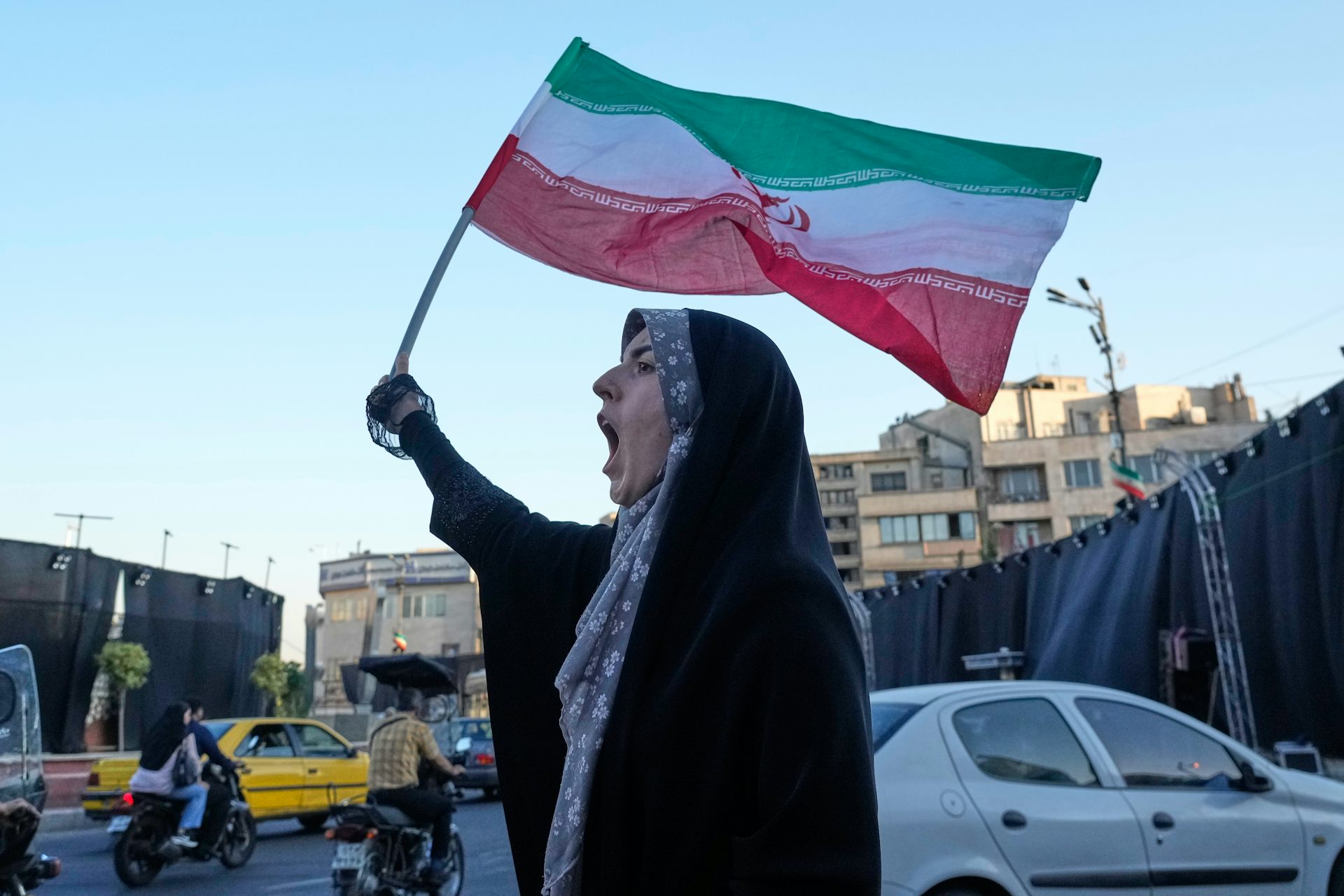
قد ينهي اتفاق سلام حرب إيران، ولكن ماذا حققت الولايات المتحدة وإسرائيل حقاً؟
A peace deal may bring an end to the Iran war, but what did the US and Israel truly achieve?
The deal will leave Iran in a stronger position than before the war, the US with far less leverage in the region, and Israel in the lurch.
سيترك الاتفاق إيران في موقع أقوى مما كانت عليه قبل الحرب، والولايات المتحدة بأقل قدر من النفوذ في المنطقة، وإسرائيل في مأزق.
After weeks of on-again, off-again negotiations, US President Donald Trump finally seems to have secured an agreement from the Iranian regime to end the war that has roiled the region – and global energy markets – since late February.
بعد أسابيع من المفاوضات المتقطعة، يبدو أن الرئيس الأمريكي دونالد ترامب قد نجح أخيرًا في تأمين اتفاق مع النظام الإيراني لإنهاء الحرب التي عصفت بالمنطقة – وأسواق الطاقة العالمية – منذ أواخر فبراير.
Just what’s been agreed to, however, will likely remain contested until the deal is expected to be signed on Friday.
ومع ذلك، فمن المحتمل أن يظل ما تم الاتفاق عليه محل خلاف حتى من المتوقع توقيع الصفقة يوم الجمعة.
Spurred on by Israeli Prime Minister Benjamin Netanyahu, Trump launched the war on February 28 with the goal of toppling the Iranian regime and making Tehran capitulate – much as he had done in Venezuela.
بتحريض من رئيس الوزراء الإسرائيلي بنيامين نتنياهو، شن ترامب الحرب في 28 فبراير بهدف الإطاحة بالنظام الإيراني وإجبار طهران على الاستسلام – تمامًا كما فعل في فنزويلا.
However, he could not achieve this goal in the face of Tehran’s robust defensive response. Under enormous domestic and international pressure, Trump ultimately decided he had to take the diplomatic resolution available to him to end the conflict as quickly as he could.
ومع ذلك، لم يتمكن من تحقيق هذا الهدف في مواجهة الرد الدفاعي القوي من طهران. وتحت ضغوط محلية ودولية هائلة، قرر ترامب في نهاية المطاف أنه يجب عليه اتخاذ الحل الدبلوماسي المتاح له لإنهاء الصراع بأسرع ما يمكن.
The “memorandum of understanding” that Washington and Tehran have just announced is a confirmation of this reality.
إن “مذكرة التفاهم” التي أعلنت عنها واشنطن وطهران للتو هي تأكيد لهذه الحقيقة.
It will leave Iran in a stronger position than before the war, the US with far less leverage in the region, and Israel in the lurch. The deal will also prompt the Arab states in the Persian Gulf to reassess their security alliances with the US and come to terms with Iran as an influential regional player.
ستترك إيران في موقع أقوى مما كانت عليه قبل الحرب، والولايات المتحدة بمصداقية أقل بكثير في المنطقة، وإسرائيل في موقف حرج. كما ستدفع الصفقة الدول العربية في الخليج الفارسي إلى إعادة تقييم تحالفاتها الأمنية مع الولايات المتحدة والتعايش مع إيران كلاعب إقليمي مؤثر.
Few apparent points of agreement
نقاط اتفاق واضحة قليلة
Iranian and US sources have provided different versions of the deal.
قدمت مصادر إيرانية وأمريكية نسخًا مختلفة من الاتفاق.
Both sides seem to have agreed to allow traffic to resume in the Strait of Hormuz and lift the US naval blockade of Iran’s ports. Negotiations will also continue over the next 60 days on Iran’s nuclear program.
يبدو أن الجانبين اتفقا على السماح باستئناف حركة المرور في مضيق هرمز ورفع الحصار البحري الأمريكي لموانئ إيران. كما ستستمر المفاوضات لمدة الستين يومًا القادمة بشأن البرنامج النووي الإيراني.
Beyond this, the two sides appear to be far apart on other issues.
علاوة على ذلك، يبدو أن الجانبين متباعدان في قضايا أخرى.
According to Iranian media, the deal would halt the fighting on all fronts, including Israel’s bombing of Lebanon, and reopen the Strait of Hormuz within 30 days “under Iranian arrangements”.
وفقًا لوسائل الإعلام الإيرانية، سيوقف الاتفاق القتال على جميع الجبهات، بما في ذلك قصف إسرائيل للبنان، وإعادة فتح مضيق هرمز في غضون 30 يومًا “بترتيبات إيرانية.”
It also calls for the release of US$24 billion in frozen Iranian assets during the 60-day negotiations, and obliges the US and its allies to deliver reconstruction plans for Iran worth at least US$300 billion.
كما يدعو إلى الإفراج عن 24 مليار دولار أمريكي من الأصول الإيرانية المجمدة خلال المفاوضات التي تستغرق 60 يومًا، ويلزم الولايات المتحدة وحلفاءها بتقديم خطط إعادة إعمار لإيران بقيمة لا تقل عن 300 مليار دولار أمريكي.
According to the US media outlet Axios, however, the deal calls for the strait to be reopened immediately without tolls. A US official told Axios that after reopening the strait, Iran would be given “temporary sanctions waivers” to allow it to sell oil.
ومع ذلك، ووفقًا لموقع الأخبار الأمريكي “أكسيوس”، يتطلب الاتفاق إعادة فتح المضيق فوراً ودون رسوم. وأخبر مسؤول أمريكي “أكسيوس” أنه بعد إعادة فتح المضيق، سيُمنح لإيران “إعفاء مؤقت من العقوبات” يسمح لها ببيع النفط.
Trump also made no reference to Lebanon in his announcement of the deal on Truth Social, though Pakistani mediators said Lebanon was included in the deal.
كما لم يشر ترامب إلى لبنان في إعلانه عن الاتفاق على منصة “تروث سوشيال”، رغم أن الوسطاء الباكستانيين قالوا إن لبنان كان مدرجًا في الاتفاق.
Many contentious issues related to Iran’s nuclear program remain to be resolved, as well. These include the future of Iran’s stockpile of highly enriched uranium and whether Iran should be allowed to enrich uranium at an agreed level for peaceful purposes.
تبقى العديد من القضايا الخلافية المتعلقة بالبرنامج النووي الإيراني بحاجة إلى حل أيضًا. وتشمل هذه مستقبل مخزون إيران من اليورانيوم عالي التخصيب وما إذا كان يجب السماح لإيران بتخصيب اليورانيوم عند مستوى متفق عليه للأغراض السلمية.
An end to a meaningless war
نهاية حرب لا معنى لها
When Trump and Netanyahu launched the war, they aimed to topple Iran’s government, destroy its nuclear program and missile capability, and sever its ties with its regional affiliates – the Lebanese Hezbollah, the Yemeni Houthis, the Iraqi Shia militias, and Palestinian Hamas and Islamic Jihad.
عندما أطلق ترامب ونتانياهو الحرب، كان هدفهما الإطاحة بحكومة إيران وتدمير برنامجها النووي وقدراتها الصاروخية، وقطع علاقاتها بجهات نفوذها الإقليمية – حزب الله اللبناني، والحوثيين اليمنيين، والميليشيات الشيعية العراقية، وحماس والجهاد الإسلامي الفلسطيني.
The overall goal was to alter the regional order to the advantage of the US and Israel. This would allow Netanyahu to achieve his long-cherished objective of turning Iran into a feeble entity and pursue his vision of a “Greater Israel” in the strategically vital and oil-rich Middle East.
كان الهدف العام هو تغيير النظام الإقليمي لصالح الولايات المتحدة وإسرائيل. وهذا سيتيح لنتانياهو تحقيق هدفه الذي طالما تطلع إليه المتمثل في تحويل إيران إلى كيان واهن ومتابعة رؤيته لـ “إسرائيل الكبرى” في الشرق الأوسط الحيوي الغني بالنفط.
However, despite its authoritarian nature and all the domestic and foreign policy challenges confronting it, the Iranian Islamic system has shown it is built to survive. It has endured the decapitation of its leadership, the massive US-Israel military bombardment and subsequent US blockade of Iranian ports.
ومع ذلك، وعلى الرغم من طبيعتها الاستبدادية وجميع التحديات الداخلية وتحديات السياسة الخارجية التي تواجهها، أظهر النظام الإيراني الإسلامي أنه مبني على البقاء. لقد صمد أمام تفكيك قيادته، والقصف العسكري الأمريكي-الإسرائيلي الهائل والحصار الأمريكي اللاحق للموانئ الإيرانية.
Iran has certainly sustained heavy damage to its infrastructure and economy – as well as civilian casualties. But the regime was able to respond in ways that has proved very costly for the US, its regional Gulf Arab allies, and Israel.
لقد تعرضت إيران بلا شك لأضرار جسيمة في بنيتها التحتية واقتصادها – بالإضافة إلى الخسائر المدنية. لكن النظام تمكن من الرد بطرق أثبت أنها باهظة الثمن للولايات المتحدة وحلفائها الخليجيين العرب وإسرائيل.
Its control over the Strait of Hormuz, which Tehran never had before the war, has triggered a global energy and fertiliser crisis and provided Tehran with massive leverage.
سيطرتها على مضيق هرمز، وهو ما لم يكن متاحاً لطهران قبل الحرب، أثار أزمة عالمية في الطاقة والأسمدة ومنح طهران نفوذاً هائلاً.
Trump, meanwhile, was dealing with increasing domestic opposition to the war, combined with diminishing air defence interceptors and a lack of support among traditional US allies. Given all this, Trump has had good reasons not to allow the conflict to go on for too long, especially in an election year.
في غضون ذلك، كان ترامب يتعامل مع تزايد المعارضة المحلية للحرب، إلى جانب تناقص لاعتراضات الدفاع الجوي ونقص الدعم بين الحلفاء الأمريكيين التقليديين. بالنظر إلى كل هذا، كان لدى ترامب أسباب وجيهة لعدم السماح باستمرار الصراع لفترة طويلة، خاصة في سنة انتخابية.
The deal must be very disheartening for Netanyahu, whose determination to fundamentally weaken Iran is potentially unravelling.
يجب أن تكون الصفقة محبطة للغاية بالنسبة لنتانياهو، الذي قد يتفكك تصميمه على إضعاف إيران بشكل جوهري.
He may still try to undermine the peace deal by continuing strikes on Lebanon and perhaps formally annexing Gaza and the West Bank. But given Netanyahu’s dependence on the US for his military operations and political survival, Trump has plenty of leverage to force him and the far-right ministers in his cabinet into line.
قد لا يزال يحاول تقويض اتفاق السلام من خلال مواصلة الضربات على لبنان وربما ضم غزة والضفة الغربية رسمياً. ولكن نظراً لاعتماد نتانياهو على الولايات المتحدة لعملياته العسكرية وبقائه السياسي، فإن ترامب لديه الكثير من النفوذ لإجباره والوزراء اليمينيين المتطرفين في مجلس وزرته على الانصياع.
If and when a final peace deal is signed, it carries the potential to open the way for some kind of rapprochement between Iran and the US as a prerequisite for a more stable and peaceful Middle East. But it is not time yet for excessive jubilation.
إذا وتم التوقيع على اتفاق سلام نهائي، فإنه يحمل إمكانية فتح الطريق لنوع من التقارب بين إيران والولايات المتحدة كشرط مسبق لشرق أوسط أكثر استقراراً وسلاماً. لكن لم يحن الوقت بعد للاحتفال المفرط.
Both sides have been here before. They had been negotiating a deal on Iran’s nuclear program for months before the US and Israel attacked Iran. According to Omani mediators, a deal was “within reach” when the bombs started falling.
لقد مر الجانبان بهذا من قبل. فقد كانوا يتفاوضون على اتفاق بشأن البرنامج النووي الإيراني لأشهر قبل أن تهاجم الولايات المتحدة وإسرائيل إيران. وفقاً للوسطاء العمانيين، كان الاتفاق “في متناول اليد” عندما بدأت القنابل في السقوط.
This means any ceasefire reached now could be very fragile. It also raises the question of what this war – waged with no concern for international law or US Congressional approval – was all about in the first place.
هذا يعني أن أي وقف لإطلاق النار يتم التوصل إليه الآن قد يكون هشاً للغاية. كما يثير السؤال حول ما كانت تدور حوله هذه الحرب – التي خاضت دون اهتمام بالقانون الدولي أو موافقة الكونغرس الأمريكي – أساساً.
Amin Saikal does not work for, consult, own shares in or receive funding from any company or organisation that would benefit from this article, and has disclosed no relevant affiliations beyond their academic appointment.
آمين سيكال لا يعمل لدى، ولا يستشير، ولا يمتلك حصصاً في، أو يتلقى تمويلاً من أي شركة أو منظمة يمكن أن تستفيد من هذه المقالة، ولم يفصح عن أي انتماءات ذات صلة تتجاوز تعيينه الأكاديمي.
Read more
-
إن قراءة ملحمة إيلياد لهومر تشبه التصفح في تطبيق “تيك توك”.
Reading Homer’s Iliad feels like scrolling through TikTok
-

اجتاز البحث المقتبس الاختبارات الآلية، واكتشفته – ولكن فقط لأنه نسخ عملي.
Plagiarised research passed automated tests, and I detected it – but only because it copied my work