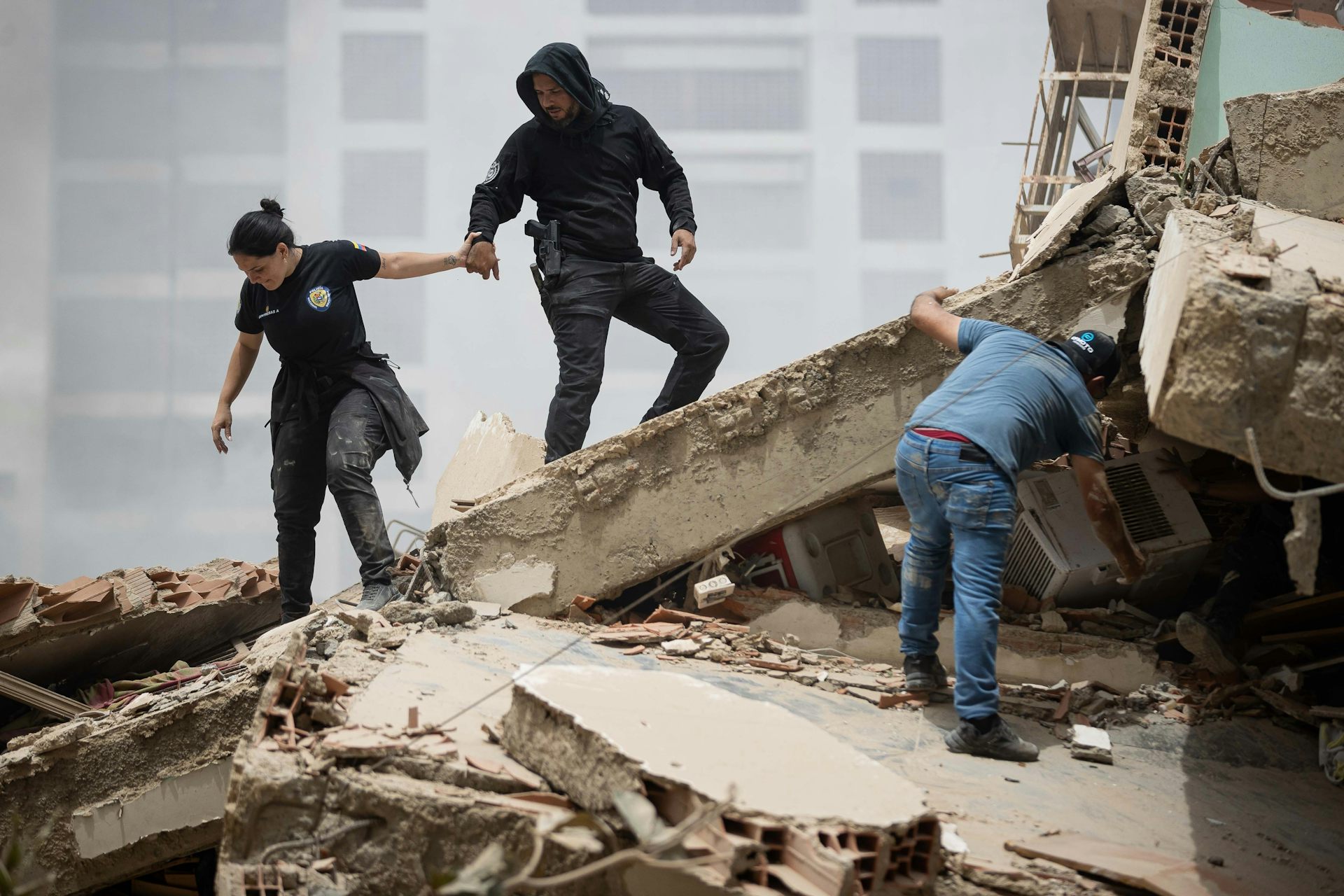
أسئلة وأجوبة الخبراء: لماذا انهارت كل هذه المباني في الزلزال المزدوج بفنزويلا؟
Expert Q&A: why did so many buildings collapse in Venezuela’s double earthquake?
Much of the world’s housing stock predates current building codes.
يعود جزء كبير من المخزون السكني العالمي إلى فترة تسبق أكواد البناء الحالية.
More than 500 people have been killed in Venezuela following powerful back-to-back earthquakes, with many more injured. Rescue teams have also been trying to locate people trapped in collapsed buildings.
لقد قُتل أكثر من 500 شخص في فنزويلا إثر زلازل قوية متتالية، وإصابة المزيدين. كما تحاول فرق الإنقاذ تحديد أماكن الأشخاص المحاصرين في المباني المنهارة.
Here, Raffaele De Risi, associate professor in civil engineering at the University of Bristol, answered our questions about the role building design may have played in the disaster.
هنا، أجاب رافائيل دي ريسي، الأستاذ المشارك في الهندسة المدنية بجامعة بريستول، على أسئلتنا حول الدور الذي ربما لعبه تصميم المباني في الكارثة.
Venezuela is in an active seismic zone. Why do you think there have been so many devastating building collapses?
تُعد فنزويلا منطقة نشطة زلزالياً. لماذا تعتقد أن هناك الكثير من انهيارات المباني المدمرة؟
Indeed, Venezuela is a seismically active country. Hazard levels can easily be checked on several websites, such as the Global Seismic Hazard Map from the Global Earthquake Model Foundation.
في الواقع، فنزويلا بلد نشط زلزالياً. يمكن بسهولة التحقق من مستويات المخاطر على العديد من المواقع الإلكترونية، مثل خريطة المخاطر الزلزالية العالمية الصادرة عن مؤسسة النموذج الزلزالي العالمي.
The number of building collapses is unfortunately linked to several factors rather than a single one: these range from the age and construction type of the buildings to their level of maintenance, to local soil amplification (when seismic waves pass from hard bedrock into softer surface soils) , and proximity to the source.
إن عدد انهيارات المباني يرتبط للأسف بالعديد من العوامل بدلاً من عامل واحد: تتراوح هذه العوامل من عمر وأنواع البناء إلى مستوى صيانتها، وصولاً إلى التضخيم المحلي للتربة (عندما تمر الموجات الزلزالية من صخور أساس صلبة إلى تربة سطحية أكثر ليونة) ، والقرب من مصدر الزلزال.
In addition, both events were shallow (the mainshock particularly so) , which further contributes to such extensive devastation. More broadly, it is not possible to identify a single cause; it is generally a combination of factors.
بالإضافة إلى ذلك، كانت كلتا الحادثتين ضحلة (وخاصة الهزة الرئيسية) ، مما يساهم بشكل أكبر في مثل هذا الدمار الواسع النطاق. وبشكل أوسع، من المستحيل تحديد سبب واحد؛ بل هو عموماً مزيج من العوامل.
How would you recommend that countries construct their buildings in a country like Venezuela with the earthquake risks that it has?
كيف تنصح الدول بتشييد مبانيها في بلد مثل فنزويلا بمخاطر الزلازل التي يواجهها؟
Modern seismic building codes are very effective at preventing this kind of catastrophic collapse, so for new construction, they are central to the answer. The crucial point is enforcement: a code only protects people if it is properly applied, and construction quality is controlled.
تُعد أكواد البناء الحديثة المقاومة للزلازل فعالة للغاية في منع هذا النوع من الانهيار الكارثي، ولذلك فهي أساسية للإجابة فيما يتعلق بالإنشاءات الجديدة. النقطة الحاسمة هي التطبيق: لا يحمي الكود الناس إلا إذا تم تطبيقه بشكل صحيح، وتم التحكم في جودة البناء.
It’s also worth remembering that much of the world’s building stock predates current codes, which have evolved as scientific understanding has advanced, often incorporating lessons directly from events like this one.
ومن الجدير أيضاً التذكر أن جزءاً كبيراً من المخزون الإنشائي العالمي يسبق الأكواد الحالية، التي تطورت مع تقدم الفهم العلمي، وغالباً ما تدمج الدروس المستفادة مباشرة من أحداث مثل هذه.
For that existing building stock, seismic retrofitting and strengthening are essential, since we cannot simply rebuild everything. And for strategic buildings such as hospitals and power plants, modern solutions like base isolation can keep them not just standing but operational, and have performed extremely well in recent earthquakes.
بالنسبة لهذا المخزون الإنشائي القائم، فإن التدعيم الزلزالي وتقوية المباني أمران ضروريان، لأننا لا نستطيع ببساطة إعادة بناء كل شيء. وبالنسبة للمباني الاستراتيجية مثل المستشفيات ومحطات الطاقة، يمكن للحلول الحديثة مثل العزل القاعدي أن تبقيها ليست قائمة فحسب، بل عاملة أيضاً، وقد أظهرت أداءً ممتازاً في الزلازل الأخيرة.
How can buildings be retrofitted to enhance their protection against earthquakes?
كيف يمكن تدعيم المباني لتعزيز حمايتها من الزلازل؟
Nowadays, there are many retrofitting techniques, and the right one depends on the building type, for example, reinforced concrete, steel or masonry.
في الوقت الحاضر، هناك العديد من تقنيات التدعيم، والأفضل منها يعتمد على نوع المبنى، على سبيل المثال، الخرسانة المسلحة أو الفولاذ أو البناء بالطوب.
Broadly, a retrofit either increases the building’s strength and stiffness or reduces the forces it has to withstand, for instance, through base isolation (an engineering technique which decouples a building from its foundations) or energy dissipation devices. What matters most is this: before any retrofitting, a bespoke assessment is essential.
بشكل عام، إما أن يزيد التدعيم من قوة المبنى وتصلبه أو يقلل من القوى التي يتعين عليه تحملها، على سبيل المثال، من خلال العزل القاعدي (وهي تقنية هندسية تفصل المبنى عن أساساته) أو أجهزة تبديد الطاقة. والأهم هو هذا: قبل أي تدعيم، التقييم المخصص ضروري.
The goal is to reduce the unknowns about the structure through detailed surveys and material testing, and to build models capable of diagnosing it, so that the intervention can target the building’s specific weaknesses rather than applying a generic fix.
الهدف هو تقليل المجهولات حول الهيكل من خلال المسوحات التفصيلية واختبار المواد، وبناء نماذج قادرة على تشخيصه، بحيث يمكن للتدخل أن يستهدف نقاط الضعف المحددة للمبنى بدلاً من تطبيق حل عام.
There have been numerous ‘pancake’ building collapses as a result of the earthquakes here, how do these happen and how can they be prevented?
لقد حدثت العديد من انهيارات المباني “الكبككية” نتيجة الزلازل هنا، كيف تحدث هذه الانهيارات وكيف يمكن منعها؟
A “pancake” collapse occurs when the vertical elements that support a building’s weight (primarily its columns) fail. The floors then lose their support and fall one on top of another. This is one of the deadliest forms of structural failure. In older buildings, pancake collapses are often caused by brittle failure.
يحدث الانهيار “الكبككي” عندما تفشل العناصر الرأسية التي تدعم وزن المبنى (وخاصة الأعمدة) . ثم تفقد الطوابق دعمها وتسقط فوق بعضها البعض. هذا هو أحد أخطر أشكال الفشل الهيكلي. في المباني القديمة، غالباً ما تسبب انهيارات الكبكك فشلاً هشاً.
Columns that were not properly designed and detailed to deform and absorb energy simply break. The problem may be made worse by an open or weak ground floor, which concentrates the damage at a single level.
الأعمدة التي لم تُصمم وتُفصل بشكل صحيح لتتشوه وتمتص الطاقة تنكسر ببساطة. وقد يزيد المشكلة سوءاً وجود طابق أرضي مفتوح أو ضعيف، مما يركز الضرر في مستوى واحد.
The engineering approach used to prevent this is known as capacity design. The principle is to determine in advance where the structure should sustain damage and to ensure that this damage occurs in a controlled, ductile manner, typically in the beams.
النهج الهندسي المستخدم لمنع ذلك يُعرف باسم تصميم القدرة (Capacity Design) . والمبدأ هو تحديد مكان تحمل الهيكل للضرر مسبقاً وضمان أن يحدث هذا الضرر بطريقة متحكم بها ومطيلية، وعادة ما يكون في الجوائز.
The columns, joints, and foundations are deliberately designed to be stronger so that they remain intact while the beams safely absorb and dissipate the earthquake’s energy. This principle is often summarised as “strong column, weak beam.” A building designed in this way can sway and dissipate energy rather than losing an entire storey and collapsing.
تُصمَّم الأعمدة القوية والعوارض الضعيفة عمداً لتكون أقوى، بحيث تظل سليمة بينما تمتص العوارض وتشتت طاقة الزلزال بأمان. يُلخَّص هذا المبدأ غالباً باسم “العمود القوي، والعارضة الضعيفة”. يمكن للمبنى المصمم بهذه الطريقة أن يتأرجح ويشتت الطاقة بدلاً من أن يفقد طابقاً كاملاً وينهار.
Combined with proper structural detailing and strong connections that prevent a local failure from spreading through the building, capacity design is a central feature of modern building codes. It is also a major reason why well designed modern buildings are far less likely to suffer pancake collapse.
بالاقتران مع التفاصيل الهيكلية المناسبة والوصلات القوية التي تمنع انتشار الفشل الموضعي عبر المبنى، يُعد تصميم القدرة (Capacity Design) ميزة مركزية في قوانين البناء الحديثة. وهو أيضاً سبب رئيسي لكون المباني الحديثة المصممة جيداً أقل عرضة بكثير للانهيار الكعكي (pancake collapse) .
It looks like there are many buildings that have been damaged but have not collapsed. Does this typically result in many other buildings having to be demolished in the aftermath of earthquakes, and how is this decided?
يبدو أن هناك العديد من المباني التي تعرضت للتلف ولكنها لم تنهار. هل يؤدي هذا عادةً إلى اضطرار مبانٍ أخرى كثيرة إلى الهدم في أعقاب الزلازل، وكيف يتم اتخاذ هذا القرار؟
Yes, and this is actually a sign that the buildings performed as intended. For ordinary structures, the goal of seismic design is not to survive undamaged, but to protect life: the building is allowed to be damaged, absorbing the earthquake’s energy, provided it does not collapse, and people can evacuate safely.
نعم، وهذه في الواقع علامة على أن المباني قد أدت وظيفتها كما هو مقصود. بالنسبة للهياكل العادية، لا يهدف تصميم مقاومة الزلازل إلى البقاء سليمًا دون ضرر، بل يهدف إلى حماية الأرواح: يُسمح للمبنى بأن يتضرر، ويمتص طاقة الزلزال، شريطة ألا ينهار، وأن يتمكن الناس من الإخلاء بأمان.
A building that is badly damaged but lets everyone out has done its job, even if it must later be demolished. Afterwards, each of these buildings has to be assessed, usually in two stages.
لقد قام المبنى الذي تعرض لتلف كبير ولكنه سمح للجميع بالخروج بوظيفته، حتى لو كان لا بد من هدمه لاحقاً. بعد ذلك، يجب تقييم كل من هذه المباني، وعادة ما يكون ذلك على مرحلتين.
First, rapid inspections tag buildings for immediate use (broadly, safe, restricted, or unsafe to enter) to keep people out of danger while aftershocks continue; an “unsafe” tag does not mean the building is condemned, only that it cannot be occupied until checked properly.
أولاً، تقوم عمليات التفتيش السريعة بوضع علامات على المباني لتحديد مدى صلاحيتها للاستخدام الفوري (بشكل عام: آمن، مقيد، أو غير آمن للدخول) لإبقاء الناس بعيداً عن الخطر أثناء استمرار الهزات الارتدادية؛ ولا تعني علامة “غير آمن” أن المبنى مُدان بالهدم، بل تعني فقط أنه لا يمكن شغله حتى يتم فحصه بشكل صحيح.
Then a detailed engineering assessment determines how much of the original capacity remains and whether repair is feasible. Whether a building is repaired or demolished depends on several factors: whether repair is technically possible, how much strength is left, whether the building is permanently leaning (which often makes repair uneconomic) , and ultimately, the cost of repair against the cost of rebuilding.
بعد ذلك، يحدد التقييم الهندسي المفصل مقدار السعة الأصلية المتبقية وما إذا كان الإصلاح ممكناً أم لا. يعتمد ما إذا كان سيتم إصلاح المبنى أو هدمه على عدة عوامل: ما إذا كان الإصلاح ممكنًا تقنيًا، ومقدار القوة المتبقية، وما إذا كان المبنى يميل بشكل دائم (مما يجعل الإصلاح غير اقتصادي في الغالب) ، وفي نهاية المطاف، تكلفة الإصلاح مقابل تكلفة إعادة البناء.
This is why major earthquakes are frequently followed by extensive demolition (as across central Christchurch, New Zealand, after 2011) , even where buildings did not collapse. Far from being a failure, it reflects the design philosophy at work: the buildings spent themselves to save the people inside.
لهذا السبب غالباً ما تتبع الزلازل الكبرى عمليات هدم واسعة النطاق (كما حدث في جميع أنحاء كرايستشيرتش، نيوزيلندا، بعد عام 2011) ، حتى في الأماكن التي لم تنهار فيها المباني. وبعيداً عن كونها فشلاً، فإن هذا يعكس فلسفة التصميم المعمول بها: فقد استهلكت المباني نفسها لإنقاذ الأشخاص بداخلها.
Raffaele De Risi does not work for, consult, own shares in or receive funding from any company or organisation that would benefit from this article, and has disclosed no relevant affiliations beyond their academic appointment.
لا يعمل رافاييلي دي ريزي لدى أو يستشير أو يمتلك حصصاً في أي شركة أو منظمة ولا يتلقى تمويلاً منها يمكن أن يستفيد من هذه المقالة، ولم يفصح عن أي انتماءات ذات صلة تتجاوز منصبه الأكاديمي.
Read more
-
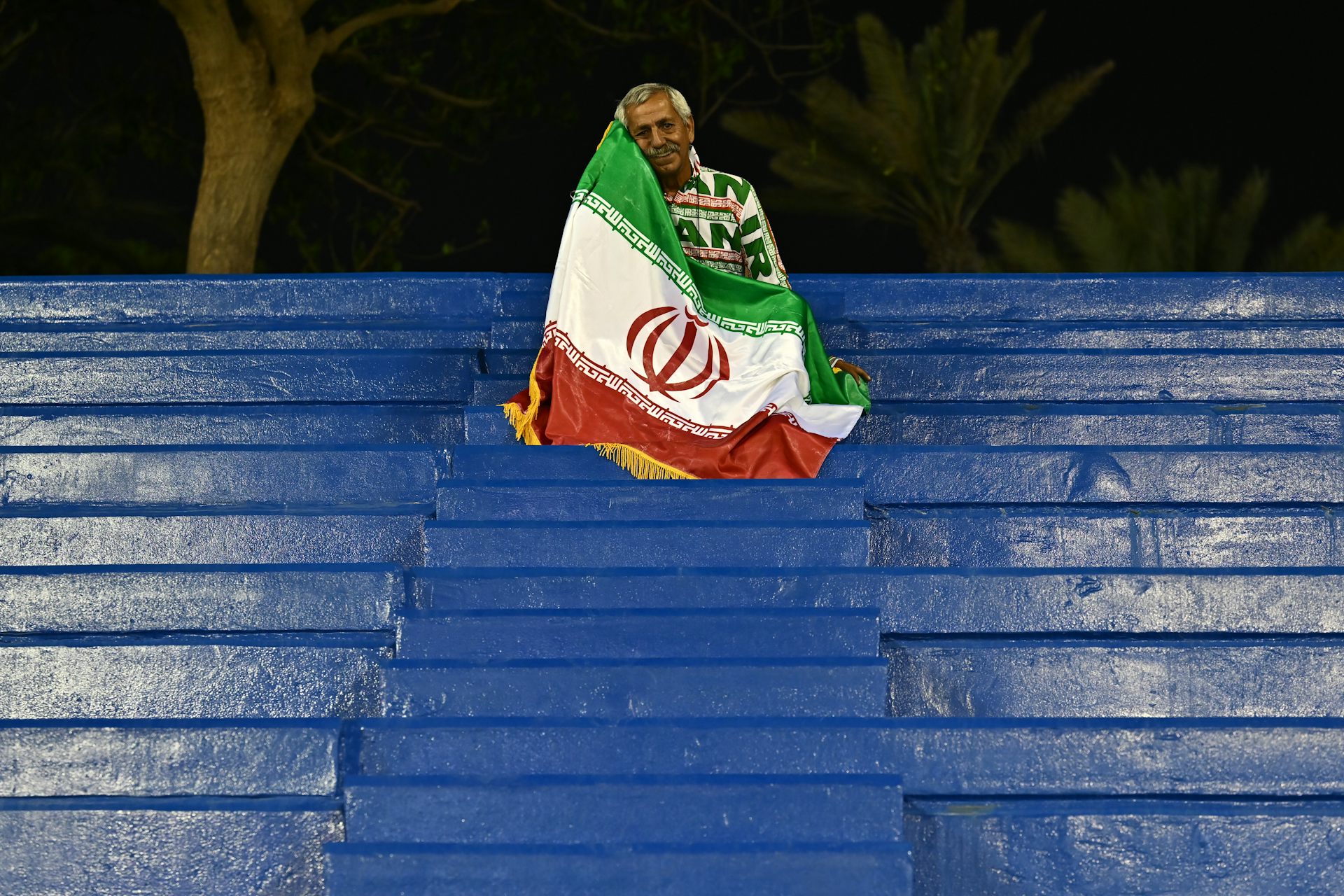
بالنسبة للجالية الإيرانية، دعوة صعبة بخصوص كأس العالم: دعم الفريق الوطني أم الاحتجاج – أم كلاهما؟
For Iran’s diaspora, a tough World Cup call: To support the national team or protest – or both?
-
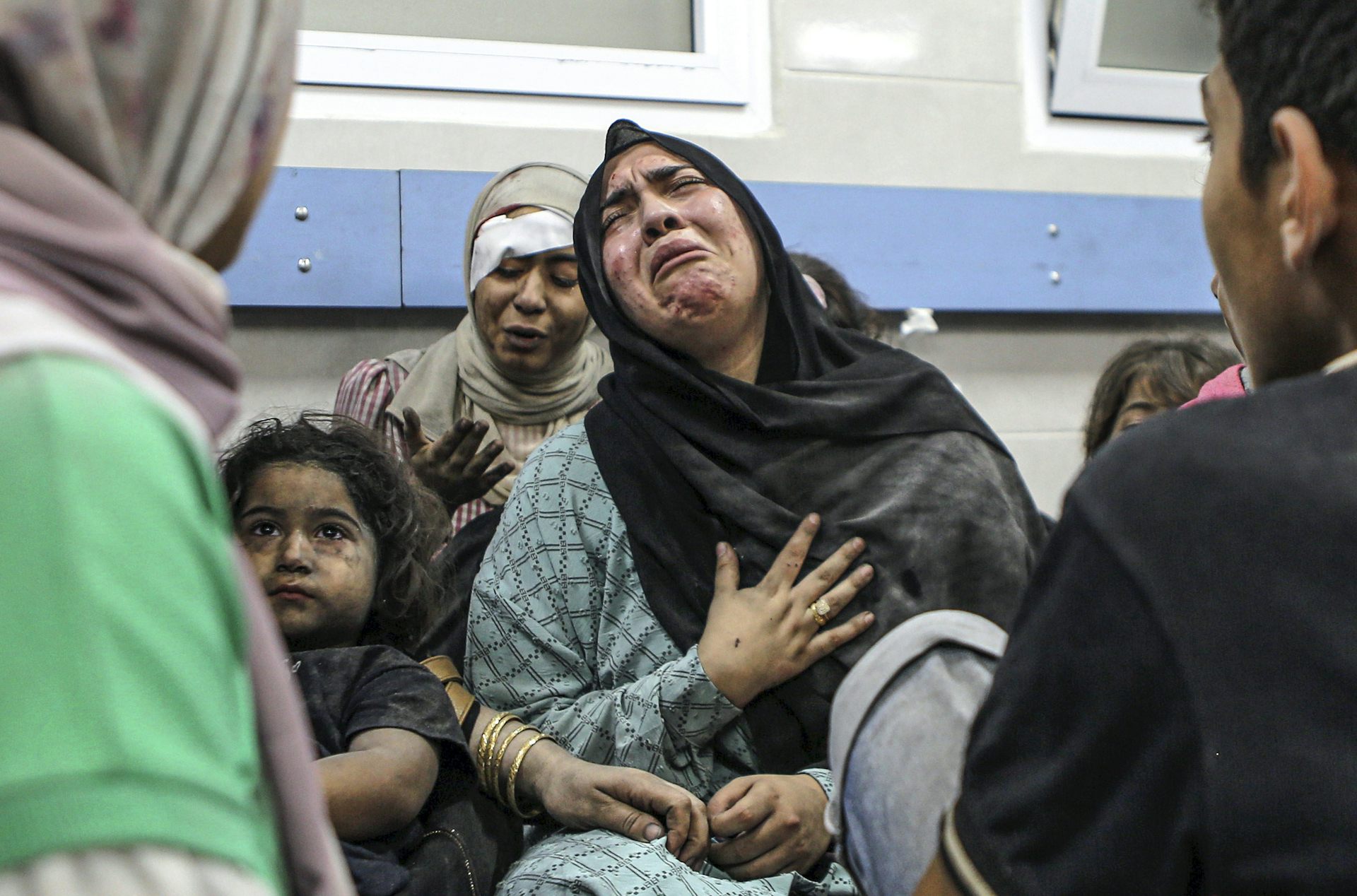
مقال الجمعة: “كيفية بيع الإبادة الجماعية” يكشف المعايير المزدوجة لتغطية غزة
Friday essay: How to Sell a Genocide exposes the double standards of reporting on Gaza