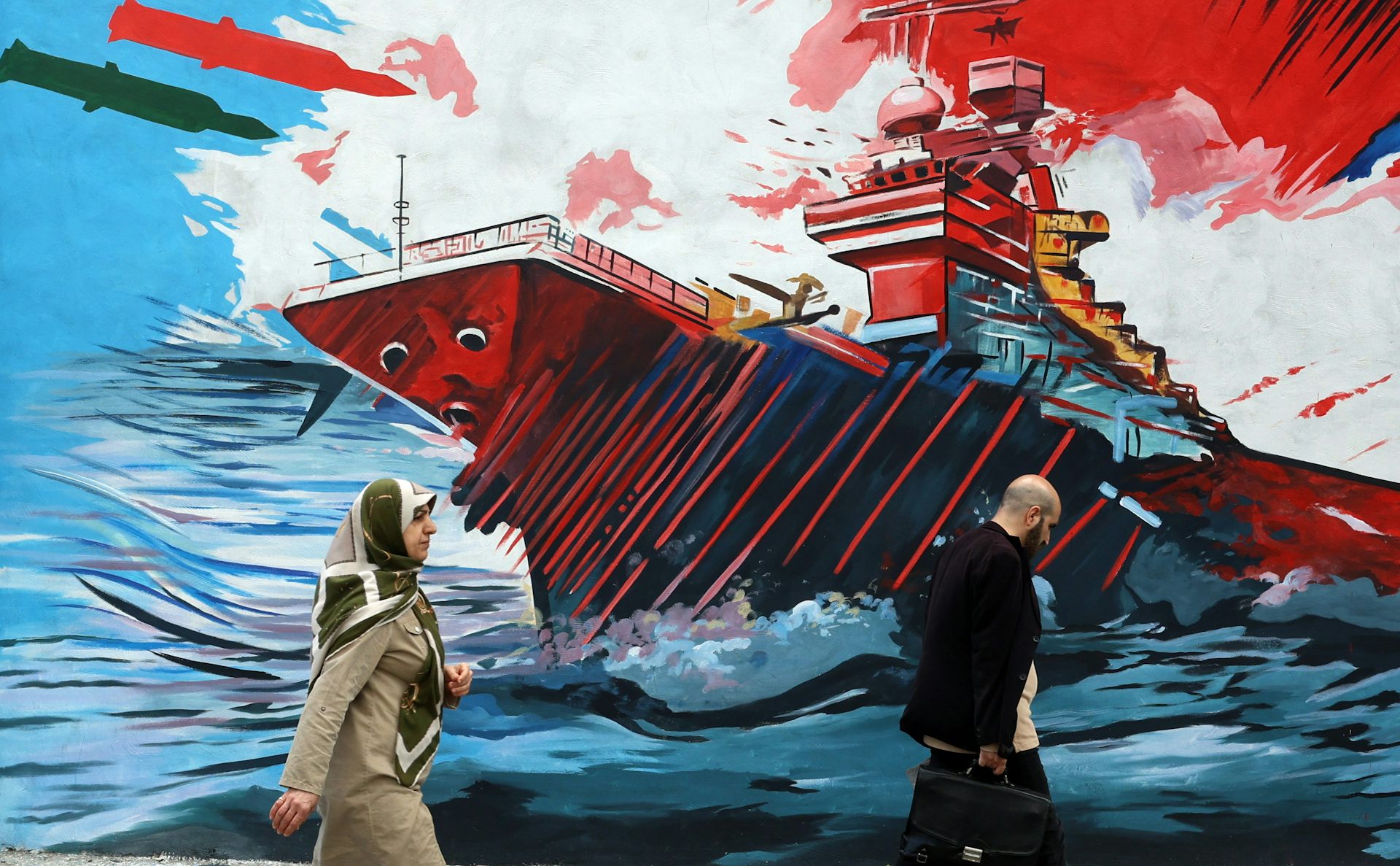
3 أسباب تشير إلى أن الحرب بين الولايات المتحدة وإسرائيل وإيران تتجه نحو صراع متجمد
3 reasons the war between the US, Israel and Iran is headed for a frozen conflict
Much like the frozen conflicts between India and Pakistan or North and South Korea, this will keep the entire world on edge.
على غرار الصراعات المتجمدة بين الهند وباكستان أو كوريا الشمالية والجنوبية، سيجعل هذا العالم بأسره في حالة تأهب دائم.
With a shaky ceasefire in place between the US, Israel and Iran – and little progress on talks to resolve the complex issues at the heart of the war – where is this conflict going?
مع وقف إطلاق نار متذبذب قائم بين الولايات المتحدة وإسرائيل وإيران – ومع قلة التقدم في المحادثات لحل القضايا المعقدة في قلب الحرب – إلى أين يتجه هذا الصراع؟
The most likely scenario is a frozen conflict.
السيناريو الأكثر ترجيحاً هو صراع متجمد.
A frozen conflict is not static, but is an unresolved war that continues at a low-level below the threshold of full-scale combat.
الصراع المتجمد ليس ساكناً، بل هو حرب غير محلولة تستمر على مستوى منخفض دون عتبة القتال واسع النطاق.
This typically occurs when a comprehensive political agreement cannot be reached, such as the fighting in eastern Ukraine from 2014 until Russia’s full-scale invasion in 2022. This conflict was considered frozen despite the deaths of some 14,000 military personnel and civilians and persistent cyber and information warfare.
يحدث هذا عادةً عندما لا يمكن التوصل إلى اتفاق سياسي شامل، مثل القتال في شرق أوكرانيا من عام 2014 حتى الغزو الشامل الروسي في عام 2022. واعتُبر هذا الصراع متجمداً على الرغم من مقتل ما يقرب من 14 ألفاً من الأفراد العسكريين والمدنيين واستمرار الحرب السيبرانية والمعلوماتية.
Even if negotiations resume this week in Pakistan and an eventual agreement is reached, there are still three reasons we believe this is headed towards a frozen conflict, not a comprehensive peace agreement.
حتى لو استؤنفت المفاوضات هذا الأسبوع في باكستان وتم التوصل إلى اتفاق في نهاية المطاف، لا تزال هناك ثلاثة أسباب تجعلنا نعتقد أن هذا يتجه نحو صراع متجمد، وليس اتفاق سلام شامل.
1) Trump equates ceasefires with an end to war
1) يربط ترامب بين وقف إطلاق النار ونهاية الحرب
US President Donald Trump’s approach to foreign policy has shown he does not treat ceasefires as pauses for negotiations to agree on substantive political issues. Rather, he declares a ceasefire as a US success, then moves on to the next global issue.
أظهر نهج الرئيس الأمريكي دونالد ترامب في السياسة الخارجية أنه لا يعتبر وقف إطلاق النار مجرد وقفات للتفاوض للاتفاق على قضايا سياسية جوهرية. بل يعلن عن وقف إطلاق النار باعتباره نجاحاً أمريكياً، ثم ينتقل إلى القضية العالمية التالية.
Trump claims to have ended ten wars, including the current conflict with Iran and Israel’s war in Lebanon. A closer look reveals that in most of these conflicts, a shaky ceasefire has held while substantive issues remain unresolved.
يزعم ترامب أنه أنهى عشر حروب، بما في ذلك النزاع الحالي مع إيران وحرب إسرائيل في لبنان. ويكشف تدقيق أقرب أن وقف إطلاق نار هش قد ساد في معظم هذه النزاعات، بينما ظلت القضايا الجوهرية دون حل.
This has left frozen conflicts in place with ongoing tensions. In India and Pakistan, which engaged in a brief armed conflict last year, for example, there is a continued risk of renewed hostilities. And a lasting peace between Thailand and Cambodia after last year’s border spats remains elusive.
وقد ترك هذا النزاعات متجمدة مع توترات مستمرة. ففي الهند وباكستان، اللتين اشتبكتا في صراع مسلح قصير العام الماضي، على سبيل المثال، لا يزال هناك خطر متجدد بالعداوات. كما أن السلام الدائم بين تايلاند وكمبوديا بعد خلافات الحدود العام الماضي لا يزال بعيد المنال.
Yet, Trump has walked away from these conflicts and claimed an end to war as soon as a cessation of major hostilities was in place.
ومع ذلك، ابتعد ترامب عن هذه النزاعات وزعم انتهاء الحرب بمجرد التوصل إلى وقف للأعمال العدائية الكبرى.
2) Asymmetric wars are difficult to resolve
2) الحروب غير المتماثلة يصعب حلها
The current war is asymmetric because of the huge difference in military strength between the US and Israel on one side, and Iran on the other.
الحرب الحالية غير متماثلة بسبب الفارق الهائل في القوة العسكرية بين الولايات المتحدة وإسرائيل من جهة، وإيران من جهة أخرى.
Iran has intentionally used asymmetric tactics to counter the US’ overwhelming military power, including targeting infrastructure in Persian Gulf countries not involved in the war and closing the Strait of Hormuz to commercial shipping traffic to disrupt the global economy.
استخدمت إيران عمداً تكتيكات غير متماثلة لمواجهة القوة العسكرية الأمريكية الساحقة، بما في ذلك استهداف البنية التحتية في دول الخليج العربي غير المشاركة في الحرب وإغلاق مضيق هرمز أمام حركة الملاحة التجارية لتعطيل الاقتصاد العالمي.
Research shows asymmetric wars are inherently protracted and often open-ended. As a result, they are more likely to end in a frozen conflict than an enduring political settlement.
تُظهر الأبحاث أن الحروب غير المتماثلة بطبيعتها مطولة وغالباً ما تكون مفتوحة. ونتيجة لذلك، فمن المرجح أن تنتهي بصراع متجمد أكثر من أن تنتهي بتسوية سياسية دائمة.
The reason for this is simple. The weaker actor cannot win a conventional military battle against the stronger actor. So, it tries to exhaust the more powerful nation with political, economic and psychological pressure, forcing a withdrawal and cessation of hostilities.
السبب بسيط. لا يمكن للطرف الأضعف أن يفوز بمعركة عسكرية تقليدية ضد الطرف الأقوى. لذلك، يحاول استنزاف الدولة الأقوى بالضغوط السياسية والاقتصادية والنفسية، مما يجبر على الانسحاب ووقف الأعمال العدائية.
This is what we are seeing now between the US and Iran. Trump is feeling these rising pressures and is pursuing a ceasefire, while trying to claim a US victory.
هذا ما نراه الآن بين الولايات المتحدة وإيران. يشعر ترامب بهذه الضغوط المتصاعدة ويسعى إلى وقف إطلاق النار، بينما يحاول الادعاء بانتصار أمريكي.
Iran, meanwhile, has agreed to a ceasefire in a bid for survival as the weaker actor, rather than a commitment to an enduring end to the conflict.
في غضون ذلك، وافقت إيران على وقف إطلاق النار في محاولة للبقاء كطرف أضعف، بدلاً من الالتزام بإنهاء دائم للصراع.
This is reminiscent of the Taliban in Afghanistan, who survived 20 years in a frozen conflict with the US before taking back control of the country when the US withdrew.
هذا يذكرنا بتلك الأوضاع التي مر بها طالبان في أفغانستان، الذين نجاوا لمدة 20 عاماً في صراع متجمد مع الولايات المتحدة قبل استعادة السيطرة على البلاد عندما انسحبت الولايات المتحدة.
3) There’s been no focus on the more complex issues
3) لم يركز الاهتمام على القضايا الأكثر تعقيداً
Neither the US nor Iran appears committed to any long-term resolution of the underlying tensions at the root of the conflict. Key among these is the question of Iran’s nuclear program.
لا تبدو الولايات المتحدة ولا إيران ملتزمتين بأي حل طويل الأمد للتوترات الكامنة في جذور الصراع. ويأتي في مقدمة هذه التوترات مسألة البرنامج النووي الإيراني.
For Washington, the first round of peace talks in Pakistan on April 11–12 were aborted because Iran refused to compromise on its nuclear program. And Iran has long argued it has an inalienable right to enrich uranium for civilian purposes.
بالنسبة لواشنطن، أُجّل الجولة الأولى من محادثات السلام في باكستان في 11-12 أبريل لأن إيران رفضت التنازل عن برنامجها النووي. وقد طالما جادلت إيران بأن لها حقاً غير قابل للتصرف في تخصيب اليورانيوم للأغراض المدنية.
The negotiations that led to the multilateral 2015 deal on Iran’s nuclear program – the Joint Comprehensive Plan of Action – took 20 months to conclude. Trump withdrew from the agreement three years later, calling it a “horrible one-sided deal”.
استغرقت المفاوضات التي أدت إلى الاتفاق متعدد الأطراف لعام 2015 بشأن البرنامج النووي الإيراني – خطة العمل الشاملة المشتركة – عشرين شهراً للانتهاء. وانسحب ترامب من الاتفاق بعد ثلاث سنوات، واصفاً إياه بأنه “صفقة مروعة أحادية الجانب.”
Given this history, a quick and clear resolution to this complex dispute is unlikely.
بالنظر إلى هذا التاريخ، من غير المرجح التوصل إلى حل سريع وواضح لهذا النزاع المعقد.
Some analysts believe the US and Iran could announce a partial agreement that would leave many of the technical aspects to be ironed out later.
يعتقد بعض المحللين أن الولايات المتحدة وإيران يمكن أن تعلنا اتفاقاً جزئياً يترك العديد من الجوانب التقنية ليتم تسويتها لاحقاً.
But Trump is now facing an opponent that is unlikely to become more accommodating with respect to its long-term “nuclear rights”. In fact, Iran has already shown its resolve by asserting a new geostrategic normal, closing the Strait of Hormuz and disrupting the global economy.
لكن ترامب يواجه الآن خصماً من غير المرجح أن يصبح أكثر تساهلاً فيما يتعلق بـ “حقوقه النووية” طويلة الأجل. في الواقع، أظهرت إيران بالفعل تصميمها من خلال تأكيد تطبيع جيواستراتيجي جديد، وإغلاق مضيق هرمز وتعطيل الاقتصاد العالمي.
What a frozen conflict means for the region
ماذا يعني الصراع المتجمد للمنطقة
The Iran-US war may conclude with a series of ceasefires, but will likely remain a frozen conflict due to these underlying tensions. This means more threats from both sides over Iran’s nuclear program and periodic flare-ups of violence between Israel and Iran, the US and Iran, or both.
قد تنتهي الحرب بين إيران والولايات المتحدة بسلسلة من الهدنات، ولكن من المرجح أن تظل صراعاً متجمداً بسبب هذه التوترات الكامنة. وهذا يعني المزيد من التهديدات من الجانبين بشأن البرنامج النووي الإيراني وتصاعد العنف الدوري بين إسرائيل وإيران، أو الولايات المتحدة وإيران، أو كليهما.
This is much like the frozen situation in Gaza. Last October, Israel and Hamas agreed to a ceasefire under Trump’s 20-point peace plan. The first phase of the plan was then largely implemented, leading to a hostage-prisoner exchange, a decrease in Israel’s heavy bombardments of Gaza and a resumption of aid into the strip.
يشبه هذا الوضع إلى حد كبير الوضع المتجمد في غزة. ففي أكتوبر الماضي، اتفقت إسرائيل وحماس على وقف إطلاق النار بموجب خطة السلام المكونة من 20 نقطة التي اقترحها ترامب. وتم تنفيذ المرحلة الأولى من الخطة إلى حد كبير، مما أدى إلى تبادل للأسرى بالرهائن، وتناقص في القصف الثقيل الإسرائيلي لغزة، واستئناف المساعدات إلى القطاع.
However, there has since been no progress on the more complex questions of the post-war governance of Gaza, redevelopment of the strip and – crucially – the disarmament of Hamas fighters. As a result, Israel has refused to completely withdraw its troops and violence has continued.
ومع ذلك، لم يحدث منذ ذلك الوقت أي تقدم في القضايا الأكثر تعقيداً المتعلقة بالحوكمة ما بعد الحرب في غزة، وإعادة تطوير القطاع، والأهم من ذلك، نزع سلاح مقاتلي حماس. ونتيجة لذلك، رفضت إسرائيل سحب قواتها بالكامل واستمر العنف.
From a historical perspective, the frozen conflict in the Koreas is also instructive. The war ended with an armistice in 1953 and no peace treaty, effectively leaving North and South Korea at war to this day. This led to the North developing an underground nuclear weapons program that continues to pose a threat to the world.
من منظور تاريخي، يعد الصراع المتجمد في شبه الجزيرة الكورية أيضاً مادة تعليمية. فقد انتهت الحرب بوقف إطلاق النار في عام 1953 ولم يتم توقيع معاهدة سلام، مما ترك كوريا الشمالية والجنوبية فعلياً في حالة حرب حتى يومنا هذا. وقد أدى هذا إلى تطوير الشمال لبرنامج نووي سري لا يزال يشكل تهديداً للعالم.
Similarly, the decades-long frozen India-Pakistan conflict has led to an arms race (including the development of nuclear weapons on both sides) , instability in South Asia and periodic flare-ups of violence.
وبالمثل، أدى الصراع المتجمد بين الهند وباكستان على مدى عقود إلى سباق تسلح (بما في ذلك تطوير الأسلحة النووية في كلا الجانبين) ، وعدم الاستقرار في جنوب آسيا، وتصاعد العنف الدوري.
A frozen conflict between the US, Israel and Iran will no doubt create similar long-term instability in the Middle East, including a possible arms race in the Middle East and more flare-ups of violence, particularly around control of the Strait of Hormuz.
ومن المؤكد أن الصراع المتجمد بين الولايات المتحدة وإسرائيل وإيران سيخلق حالة عدم استقرار طويلة الأمد مماثلة في الشرق الأوسط، بما في ذلك احتمال سباق تسلح في الشرق الأوسط والمزيد من تصاعد العنف، خاصة حول السيطرة على مضيق هرمز.
The authors do not work for, consult, own shares in or receive funding from any company or organisation that would benefit from this article, and have disclosed no relevant affiliations beyond their academic appointment.
لا يعمل المؤلفون لدى، أو يشاركون، أو يملكون حصصاً في، أو يتلقون تمويلاً من أي شركة أو منظمة يمكن أن تستفيد من هذه المقالة، ولم يفصحوا عن أي انتماءات ذات صلة تتجاوز منصبهم الأكاديمي.
Read more
-
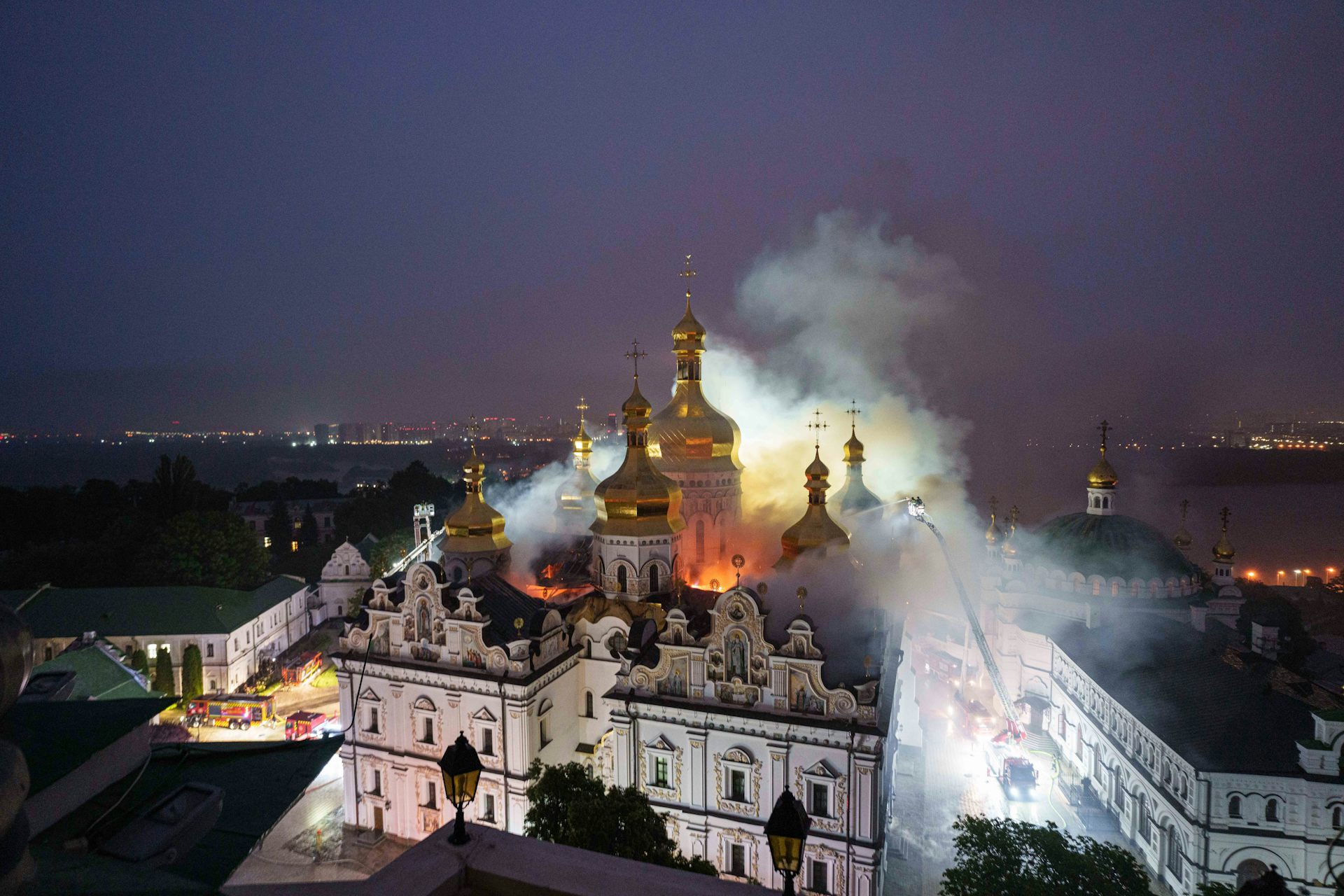
يكشف ضرب روسيا لمجمع الأديرة الأوكراني العريق عمره قرون عن يأسها المتزايد
Russia’s strike on centuries-old Ukrainian monastery complex reveals its growing desperation
-
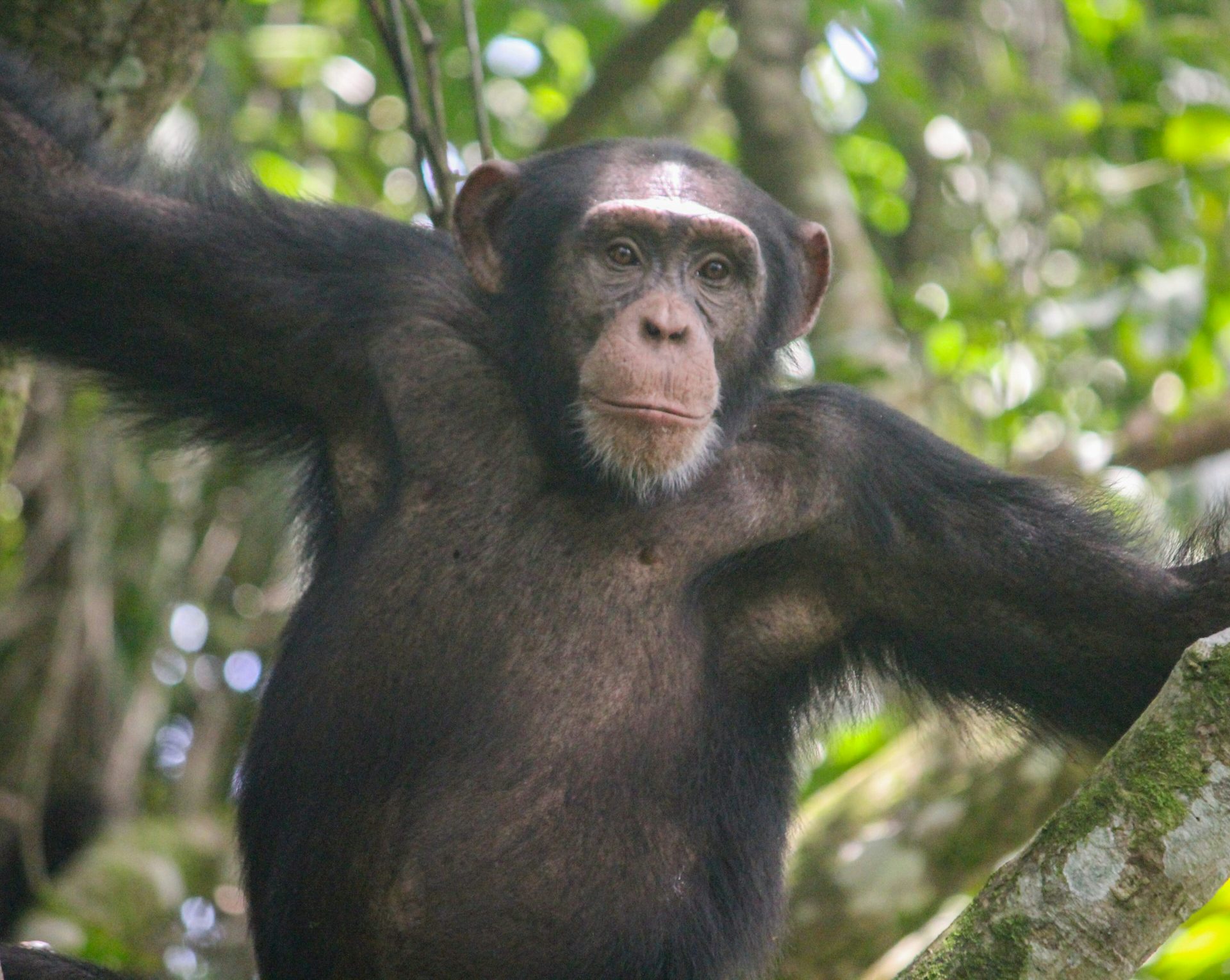
لماذا يرمي الشمبانزي الذكور الحجارة على نفس الأشجار لأكثر من عقد من الزمان؟ سافرنا إلى غينيا بيساو النائية لمعرفة السبب.
Why do male chimpanzees throw rocks at the same trees for more than a decade? We travelled to remote Guinea-Bissau to find out