أنياب العنكبوت هي إحدى أكثر سماته رعباً – تكشف أحافير جديدة عن أصولها
Spider fangs are one of their scariest features – new fossils reveal their origins
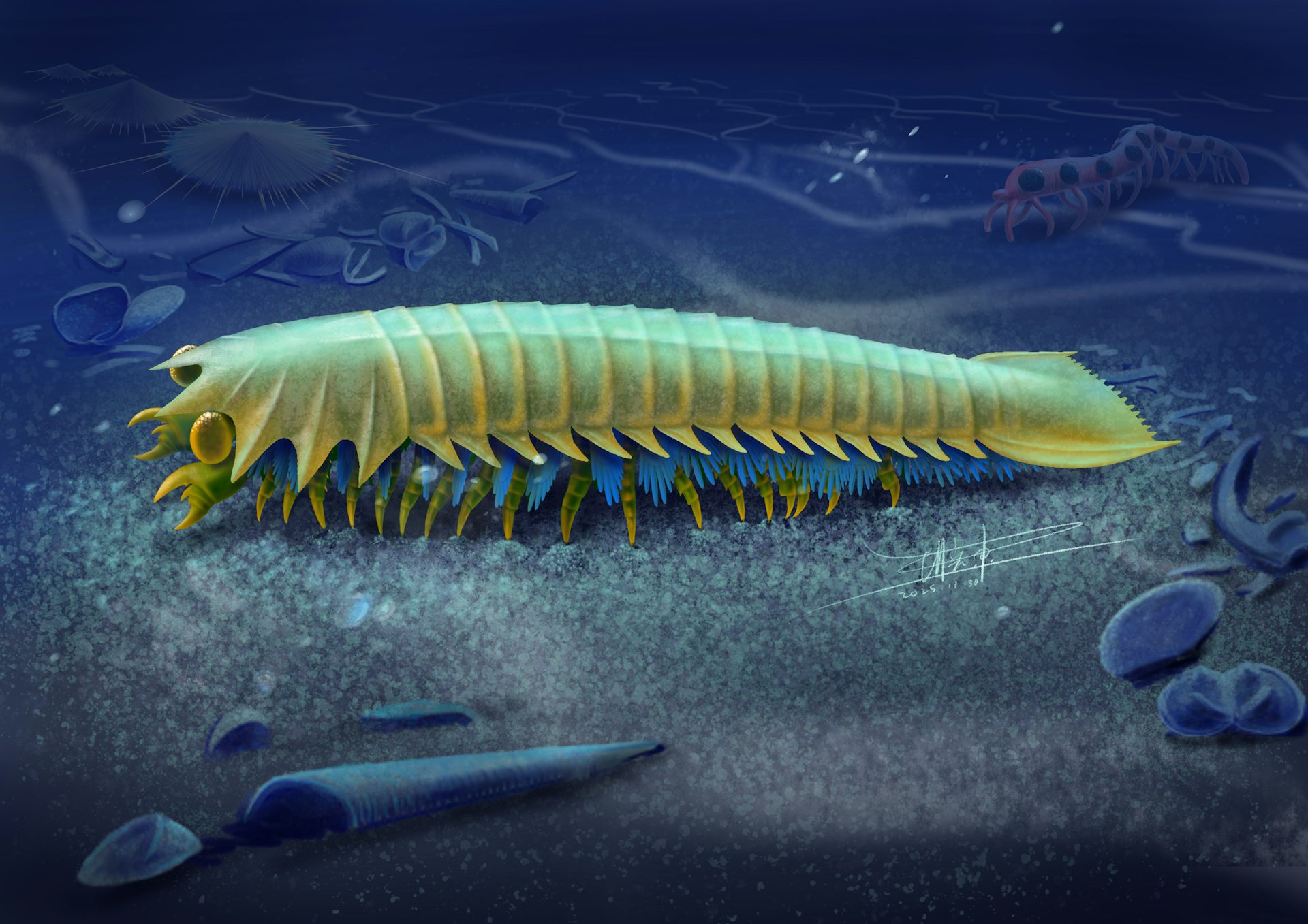
The 500 million year old shrimp-like Urokodia had pincer-like limbs emerging next to its eyes.
كان لكائن اليوروكوديا، الشبيه بالجمبري ويبلغ من العمر 500 مليون سنة، أطراف تشبه الملقط تبرز بجوار عينيه.
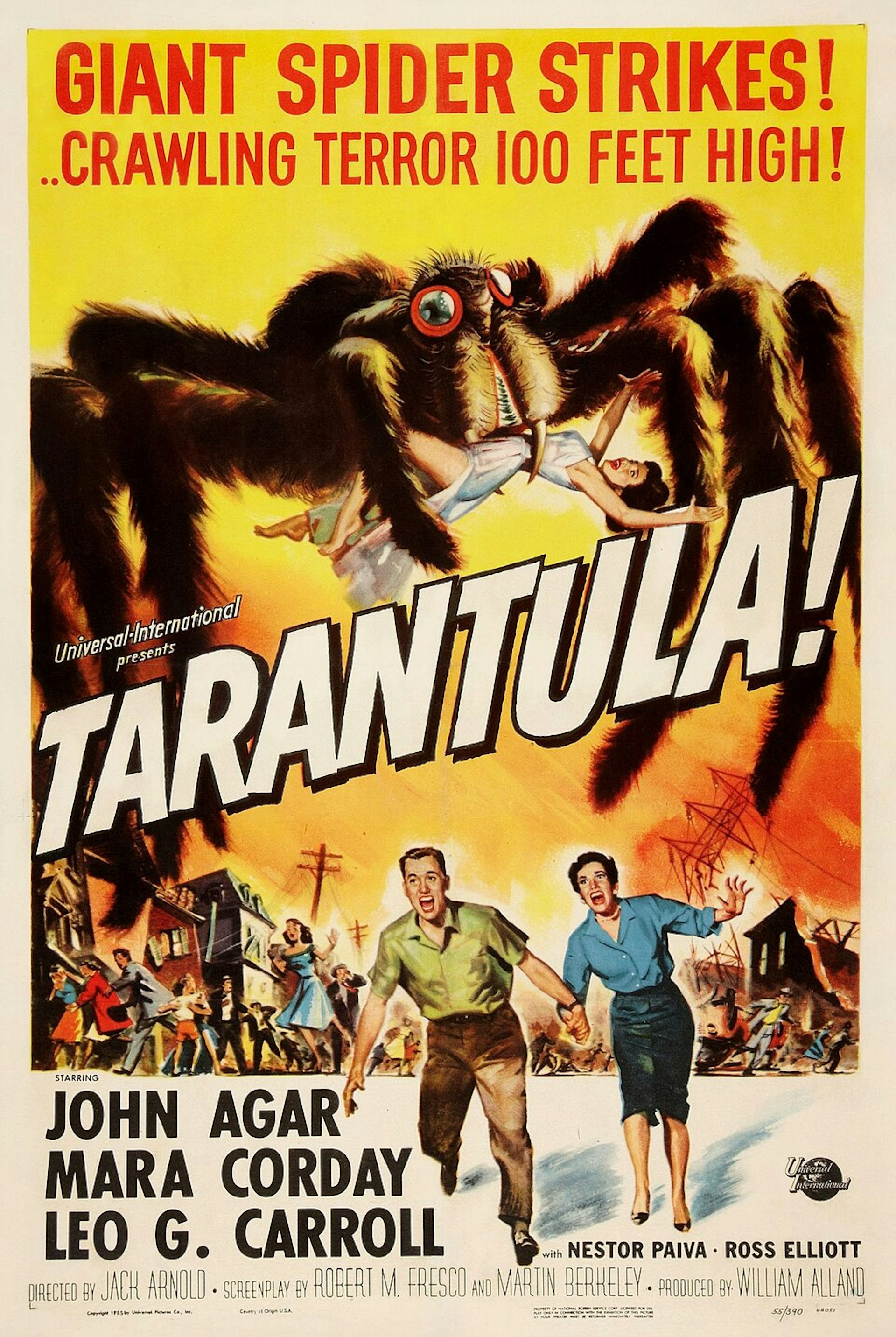
The publicity posters for the 1955 cult monster movie Tarantula! displayed a giant spider rampaging across the Arizona desert and clutching a poor human victim in its viciously long fangs. The film captured our fear of spiders, their creepy crawly motion and the hideous way they stab their prey to death, injecting a lethal venom.
عرضت الملصقات الدعائية لفيلم الوحش العبادي “التارانتيلا!” عام 1955 عن عنكبوت عملاق يهاجم في صحراء أريزونا ويقبض على ضحية بشرية مسكينة بأنيابه الطويلة والشرسة. التقط الفيلم خوفنا من العناكب، وحركتها الزاحفة المقززة، والطريقة البشعة التي تغرس بها فريستها حتى الموت، محقونةً سمًا قاتلاً.
Spiders, like their cousins the scorpions, are some of nature’s most accomplished hunters. Our new research looks at remarkable fossils excavated from Yunnan, southern China. We have found evidence that helps reveal the earliest origins of fangs.
العناكب، مثل أبناء عمومتها العقارب، هي من أكثر الصيادين براعة في الطبيعة. يبحث بحثنا الجديد في أحافير رائعة اكتُشفت من يوننان، جنوب الصين. لقد وجدنا دليلاً يساعد على الكشف عن أقدم أصول الأنياب.
Spiders and scorpions are chelicerates, part of a large group of animals called arthropods. Arthropods are characterised by their jointed limbs and skeletons that grow on the outside of their bodies. It’s that skeleton you hear scrunching if you accidentally step on one.
العناكب والعقارب هي خنافسية (Chelicerates) ، وهي جزء من مجموعة كبيرة من الحيوانات تسمى مفصليات الأرجل (Arthropods) . تتميز المفصليات بأطرافها المفصلية وهياكل عظمية تنمو في الخارج على أجسامها. إنها تلك الهياكل العظمية التي تسمع صوت قرمشتها إذا وطئ أحدها بالخطأ.
Chelicerates also include mites, ticks, horseshoe crabs and sea spiders, all with specialised limbs at the front of the animal called chelicerae. It’s the chelicerae that are used as pincers or fangs for eating or stabbing prey. If you’ve ever been bitten by a tick, it’s the saw-like chelicerae that drew blood and got stuck in your skin.
تضم الخنافسية أيضاً العث والقراد وسرطانات الحذاء وعناكب البحر، وجميعها يمتلك أطرافاً متخصصة في مقدمة الجسم تسمى المخالب (Chelicerae) . إن هذه المخالب هي التي تُستخدم كملاقط أو أنياب لأكل الفريسة أو طعنها. إذا تعرضت يوماً للعض من قرادة، فإنه المخالب القاطعة الشبيهة بالمنشار هي التي سحبت الدم وتعلقَت في جلدك.
Chelicerates are among the most successful animals to live on land and in the sea, numbering well over 100,000 species. Fossils show that their ancestors have been hunting on land for more than 400 million years.
تُعد الخنافسية من أكثر الحيوانات نجاحاً للعيش على اليابسة وفي البحر، ويتجاوز عددها 100,000 نوع بكثير. تُظهر الأحافير أن أسلافها كانت تصطاد على اليابسة لأكثر من 400 مليون سنة.
However, the earliest fossil evidence of chelicerates is not found on the land, but in the sea, in creatures that lived more than 500 million years ago during the Cambrian period. The Cambrian was a time of rapid evolution for animals that would one day lead to the amazing diversity of life in the oceans and on land. One of these Cambrian sea-creatures is called Urokodia, its name derived from the ancient Greek words for its shielded tail. It lived in the tropical seas that covered southern China about 518 million years ago.
ومع ذلك، فإن أقدم دليل أحفوري للخنافسية ليس موجوداً على اليابسة، بل في البحر، في كائنات عاشت قبل أكثر من 500 مليون سنة خلال العصر الكامبري. كان العصر الكامبري وقتاً للتطور السريع للحيوانات التي ستؤدي يوماً ما إلى التنوع المذهل للحياة في المحيطات وعلى اليابسة. أحد هذه الكائنات البحرية الكامبرية يُسمى أوروكوديا (Urokodia) ، وقد اشتق اسمه من الكلمات اليونانية القديمة التي تعني ذيلها المدرع. عاشت في البحار الاستوائية التي غطت جنوب الصين قبل حوالي 518 مليون سنة.
The beginnings of spider fangs
بدايات أنياب العنكبوت
At first sight Urokodia – pictured at the top of this article – doesn’t seem like a contender for a distant relative of spiders or scorpions. It was a small animal 2-3 cm long with large eyes protruding on stalks from the front, and an elongate shrimp-like body, with jointed limbs strung from its underside. So, while Urokodia displays the tell-tale signs of arthropods, with its skeleton on the outside and jointed limbs, it doesn’t look much like a spider or a scorpion.
في البداية، لا يبدو “أوروكوديا” (Urokodia) – المصوَّر في أعلى هذا المقال – وكأنه مرشح ليكون قريبًا بعيدًا للعناكب أو العقارب. لقد كان حيوانًا صغيرًا يبلغ طوله 2-3 سم، وله عيون كبيرة بارزة على سيقان من الأمام، وجسم مطول يشبه الروبيان، وأطراف مفصلية متدلية من بطنه. لذلك، بينما يُظهر “أوروكوديا” العلامات الواضحة للمفصليات الأرجل (arthropods) ، بوجود هيكله العظمي الخارجي وأطرافه المفصلية، فإنه لا يشبه العنكبوت أو العقرب كثيرًا.
But when we used X-rays to peer a little closer at the front end of Urokodia, we saw two pincer-like limbs emerging next to its eyes that are an ancient type of chelicerae. Some of the other legs of Urokodia bear finely layered structures that were probably used as gills for breathing in the sea. Modern aquatic chelicerates, like the horseshoe crab, have similar structures called “book gills” that literally look like the pages of a book.
ولكن عندما استخدمنا الأشعة السينية للنظر عن كثب إلى الطرف الأمامي لـ “أوروكوديا”، رأينا أطرافًا تشبه الملقط تبرز بجوار عينيه، وهي نوع قديم من القلابيات (chelicerae) . وتحمل بعض أرجل “أوروكوديا” هياكل متراصة بدقة ربما استُخدمت كخياشيم للتنفس في البحر. تمتلك الكائنات المفصلية الحديثة المائية، مثل سرطان الحذاء، تراكيب مماثلة تُسمى “الخياشيم الكتابية” (book gills) والتي تبدو حرفيًا كصفحات كتاب.
Urokodia is an important link in the evolutionary chain, connecting forward to the incredible diversity of modern chelicerates like spiders, and also to other important Cambrian fossils, like Megachelicerax. That animal lived just a few million years after Urokodia in the tropical seas of ancient North America and its name means “big claw” honouring the awesome pair of chelicerae on its head.
يُعدّ “أوروكوديا” حلقة مهمة في السلسلة التطورية، حيث يربط بين التنوع المذهل للكائنات المفصلية الحديثة مثل العناكب، وأيضًا بالحفريات الكامبرية المهمة الأخرى، مثل “ميغاكيليسيركس” (Megachelicerax) . عاش هذا الحيوان قبل بضعة ملايين السنين فقط من “أوروكوديا” في البحار الاستوائية لأمريكا الشمالية القديمة، ويشير اسمه إلى “المخلب الكبير” تكريمًا لزوج القلابيات الرائع على رأسه.
Urokodia, like Megachelicerax, was almost certainly a specialised predator. These fossils also hint at links to another group of ferocious Cambrian hunters, including the half-metre-long shrimp-like Anomalocaris, one of the planet’s first apex predators. Those animals bore formidable frontal limbs for grasping and catching prey and a circular mouth with plates that could tear apart a victim’s body.
كان “أوروكوديا”، مثل “ميغاكيليسيركس”، مفترسًا متخصصًا بكل تأكيد. تشير هذه الأحافير أيضًا إلى روابط بمجموعة أخرى من الصيادين الكامبري الغليان، بما في ذلك “أنومالوكاريس” (Anomalocaris) الشبيه بالروبيان الذي يبلغ طوله نصف متر، وهو أحد أول المفترسات العليا على الكوكب. كانت تلك الحيوانات تحمل أطرافًا أمامية هائلة للإمساك بالفريسة والقبض عليها وفمًا دائريًا بألواح يمكنها تمزيق جسد الضحية.
In Urokodia we see the beginnings of the specialised limbs that would one-day evolve into the deadly fangs of spiders. We also see the beginnings of the lineage that would eventually produce some of the most formidable predators that have ever lived – though mercifully none as large as the spider in Tarantula.
في “أوروكوديا” نرى بدايات الأطراف المتخصصة التي ستتطور يومًا ما لتصبح أنياب العناكب المميتة. ونرى أيضًا بداية السلالة التي ستنتج في نهاية المطاف بعضاً من أكثر المفترسات هيبة التي عاشت على الإطلاق – وإن لم يكن أي منها بحجم العنكبوت الموجود في جنس “تارانتولا.”
Yu Liu receives funding from the Department of Science and Technology of Yunnan Province (202401BC070012) , and is further funded by the Yunnan Revitalization Talent Support Program and the Chinese Scholarship Council to support his 1-year academic sabbatical at the University of Leicester. He works at the Yunnan Key Laboratory for Palaeobiology, Yunnan University, Kunming, China.
يتلقى يو ليو التمويل من إدارة العلوم والتكنولوجيا بمقاطعة يوننان (202401BC070012) ، ويحظى بتمويل إضافي من برنامج دعم المواهب للتنشيط في يوننان والمجلس الصيني للبعثات الدراسية لدعم فترة الابتعاد الأكاديمي لمدة عام واحد له في جامعة ليستر. ويعمل في مختبر يوننان الرئيسي لعلم الأحياء القديمة، بجامعة يوننان، كنمينغ، الصين.
Lorenzo Lustri, Mark Williams, and Tom Harvey do not work for, consult, own shares in or receive funding from any company or organisation that would benefit from this article, and have disclosed no relevant affiliations beyond their academic appointment.
لا يعمل لورنزو لوستري ومارك ويليامز وتوم هارفي أو يستشارون أو يمتلكون حصصًا أو يتلقون تمويلاً من أي شركة أو منظمة يمكن أن تستفيد من هذا المقال، ولم يفصحوا عن أي انتماءات ذات صلة تتجاوز تعيينهم الأكاديمي.
Read more
-

عندما تُطرح عمالقة الذكاء الاصطناعي للاكتتاب العام، هل سيعرف المستثمرون العاديون ما إذا كانوا يواكبون هذه الموجة؟
When AI giants go public, will ordinary investors know if they are along for the ride?
-

“إنه عار”: الولايات المتحدة تخلت عن الأكراد مجدداً – وفي هذه المرة، يضيف ترامب إليهم الإهانة
‘It’s a disgrace’: the US has abandoned the Kurds again – and this time, Trump is insulting them to boot