For both Roman gladiators and modern-day mixed martial arts participants, physical contests become moral dramas about sacrifice and human limits. That has led today’s fighters to right-wing politics.
对于罗马角斗士和现代综合格斗参与者而言,身体竞赛成为了关于牺牲和人类极限的道德剧。这使得当今的斗士们走向了右翼政治。
Throughout history, rulers and political movements have used public spectacles of combat to evoke courage, sacrifice, collective strength and national purpose. From Roman gladiator contests to modern mixed martial arts, combat spectacles have served not merely as entertainment but as public rituals through which people experience belonging to something larger than themselves.
纵观历史,统治者和政治运动曾利用公开的战斗奇观来激发勇气、牺牲精神、集体力量和民族使命感。从罗马角斗士比赛到现代综合格斗(MMA),战斗奇观不仅是娱乐,更是一种公共仪式,人们通过这些仪式体验到自身属于某个比自我更大的整体。
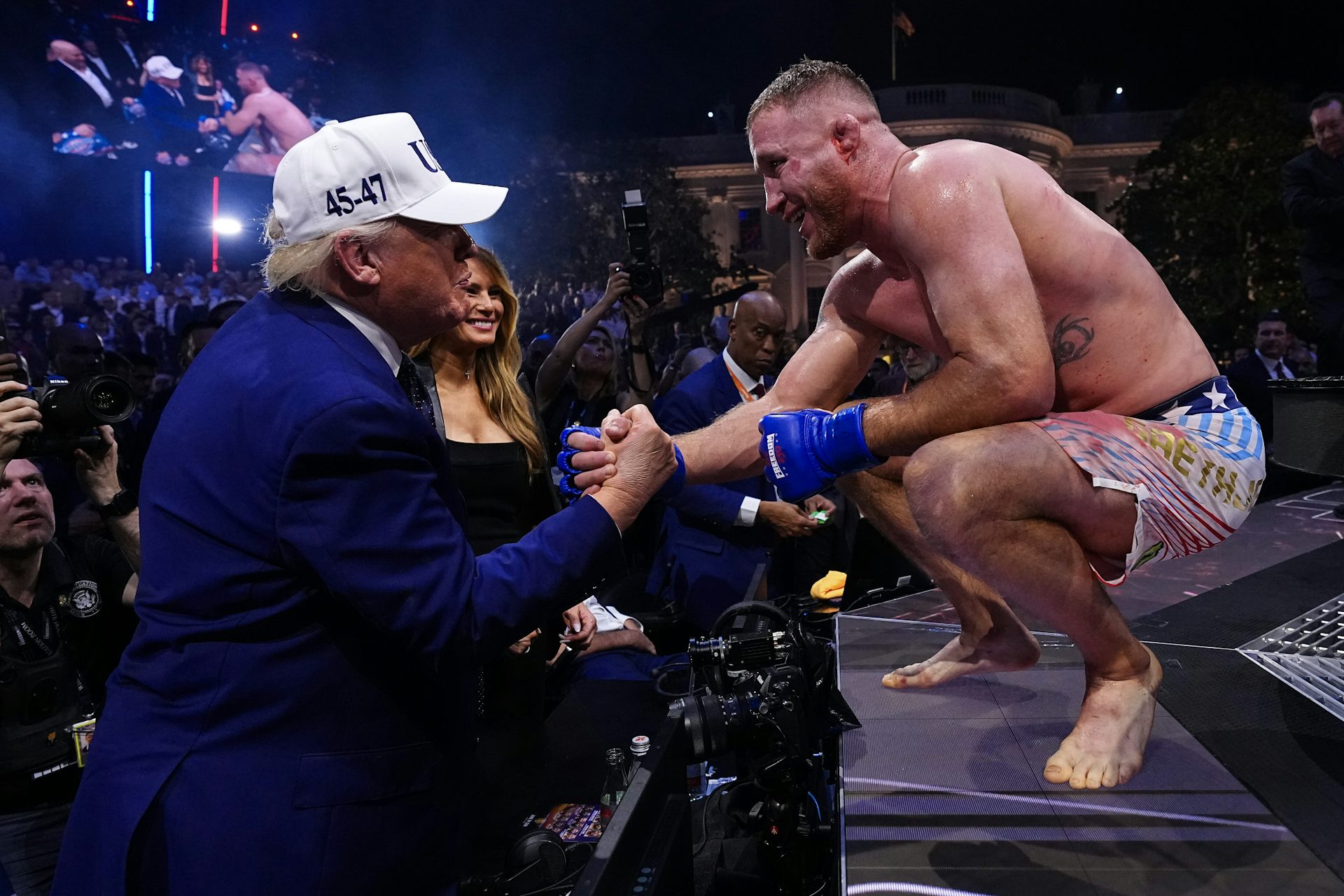
When President Donald Trump proposed staging a UFC championship event on the White House grounds as part of America’s 250th anniversary celebration, many observers treated it as another example of his affinity for spectacle and mixed martial arts, or MMA, a combat sport combining striking and grappling techniques from multiple martial arts disciplines. Yet the symbolism runs deeper than a president’s taste for theatricality and combat sports.
当唐纳德·特朗普总统提议在白宫举行一场UFC冠军赛作为美国建国250周年庆典的一部分时,许多观察家将其视为他对奇观和综合格斗(MMA)的又一次偏爱——MMA是一种结合了多种武术打击和缠斗技术的格斗运动。然而,其象征意义远超一位总统对戏剧性和格斗运动的个人品味。
I’ve spent decades studying why people are willing to fight, sacrifice and even die for causes, and I see such spectacles illuminating an important psychological process known as identity fusion.
我花了数十年时间研究人们为何愿意为了某种事业而战斗、牺牲甚至献出生命,我发现这些奇观揭示了一个重要的心理过程,即身份融合(identity fusion)。
People belong to groups: families, nations, religions, professions, political movements, sports teams. Usually, these identities remain distinct from the personal self.
人属于群体:家庭、国家、宗教、职业、政治运动、体育队伍。通常情况下,这些身份与个人自我保持着一定的独立性。
Identity fusion occurs when that boundary disappears. People do not just support a group – they experience it as an inseparable part of who they are. The group’s successes and failures become personal; threats to the group are experienced as threats to oneself.
当这种界限消失时,就会发生身份融合。人们不仅仅是支持一个群体——他们将这个群体体验为自身不可分割的一部分。群体的成功和失败会成为个人的经历;对群体的威胁会被视为对自身的威胁。
The important question isn’t just what happens inside the cage – it’s what such spectacles can do for the audience. Public displays of courage, endurance and sacrifice can strengthen emotional bonds among spectators and deepen identification with the groups, causes or leaders they associate with those displays.
重要的问题并非仅仅是笼内发生了什么——而是这些奇观能给观众带来什么。公开展示的勇气、耐力和牺牲精神,可以增强观众之间的情感纽带,并加深他们与所关联的群体、事业或领导者的认同感。
Research with soldiers and other front-line fighters in Iraq and Afghanistan, supporters of Ukraine, Palestinians in Gaza, Taiwanese concerned about a Chinese invasion, and participants in extremist movements shows that identity fusion predicts willingness to endure hardship, accept risk and make sacrifices for a collective cause.
研究在伊拉克和阿富汗的士兵和其他一线战斗人员、乌克兰的支持者、加沙的巴勒斯坦人、担忧中国入侵的台湾民众以及参与极端运动的人员表明,身份融合预测了人们为集体事业忍受艰辛、接受风险和做出牺牲的意愿。
This process does not necessarily produce violence. It can motivate volunteerism, mutual aid, military service and resistance to oppression.
这个过程不一定必然导致暴力。它可以激发志愿服务、互助、军事服役和抵抗压迫的精神。
It helps explain how public rituals that celebrate courage, sacrifice and collective strength can deepen commitment to groups, causes and leaders under conditions that appear irrational from a purely material perspective.
它有助于解释的是:在从纯粹物质角度看似乎是不理性的条件下,庆祝勇气、牺牲和集体力量的公共仪式,如何能加深人们对群体、事业和领导者的承诺。

Why shared struggle matters
共同的挣扎为何重要
One of the strongest pathways to identity fusion is shared hardship. People who endure danger, suffering or intense challenges together often emerge with unusually strong bonds.
共同经历的艰辛是实现身份融合的最有力途径之一。那些一起忍受危险、痛苦或巨大挑战的人,往往会建立起异常牢固的情谊。
Combat sports play into this dynamic. Fighters publicly test themselves against pain, exhaustion, fear and possible defeat. Spectators witness not simply athletic competition but symbolic demonstrations of courage and endurance. The attraction lies partly in how character is being revealed under pressure.
格斗运动正是利用了这种动态。运动员公开地挑战疼痛、疲惫、恐惧和可能的失败。观众目睹的不仅仅是体育竞技,更是勇气和耐力的象征性展示。其吸引力部分在于了解角色如何在压力下展现出来。
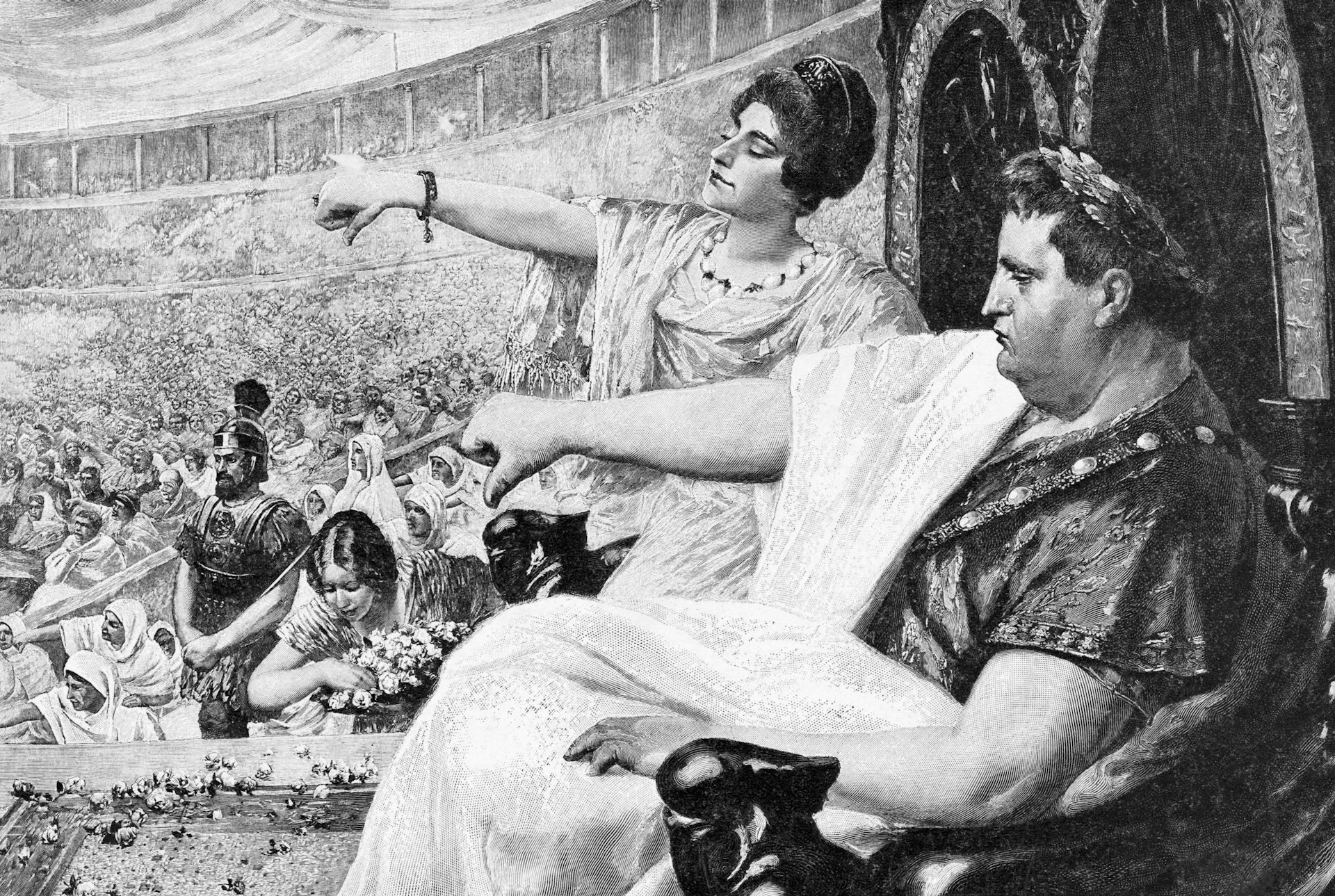
For ancient Romans, gladiators embodied “virtus” – courage, discipline, endurance and willingness to confront death. Their appeal stemmed not merely from violence but from values they represented.
对于古罗马人来说,角斗士体现了“美德”(virtus)——即勇气、纪律、耐力和直面死亡的意愿。他们的魅力并非仅仅来源于暴力,而是源于他们所代表的价值观。
Modern mixed martial arts is often celebrated in similar terms: a proving ground for toughness, resilience and self-mastery.
现代综合格斗运动(MMA)经常以类似的方式受到赞颂:它是衡量坚韧、恢复力与自我掌控力的试炼场。
In both cases, physical contests become moral dramas about sacrifice and human limits.
在这两种情况下,身体上的对抗都成为了关于牺牲和人类极限的道德剧。
MMA has become politically important
综合格斗运动已具有政治重要性
The significance of combat sports extends beyond professional competition.
搏击运动的重要性超越了职业比赛。
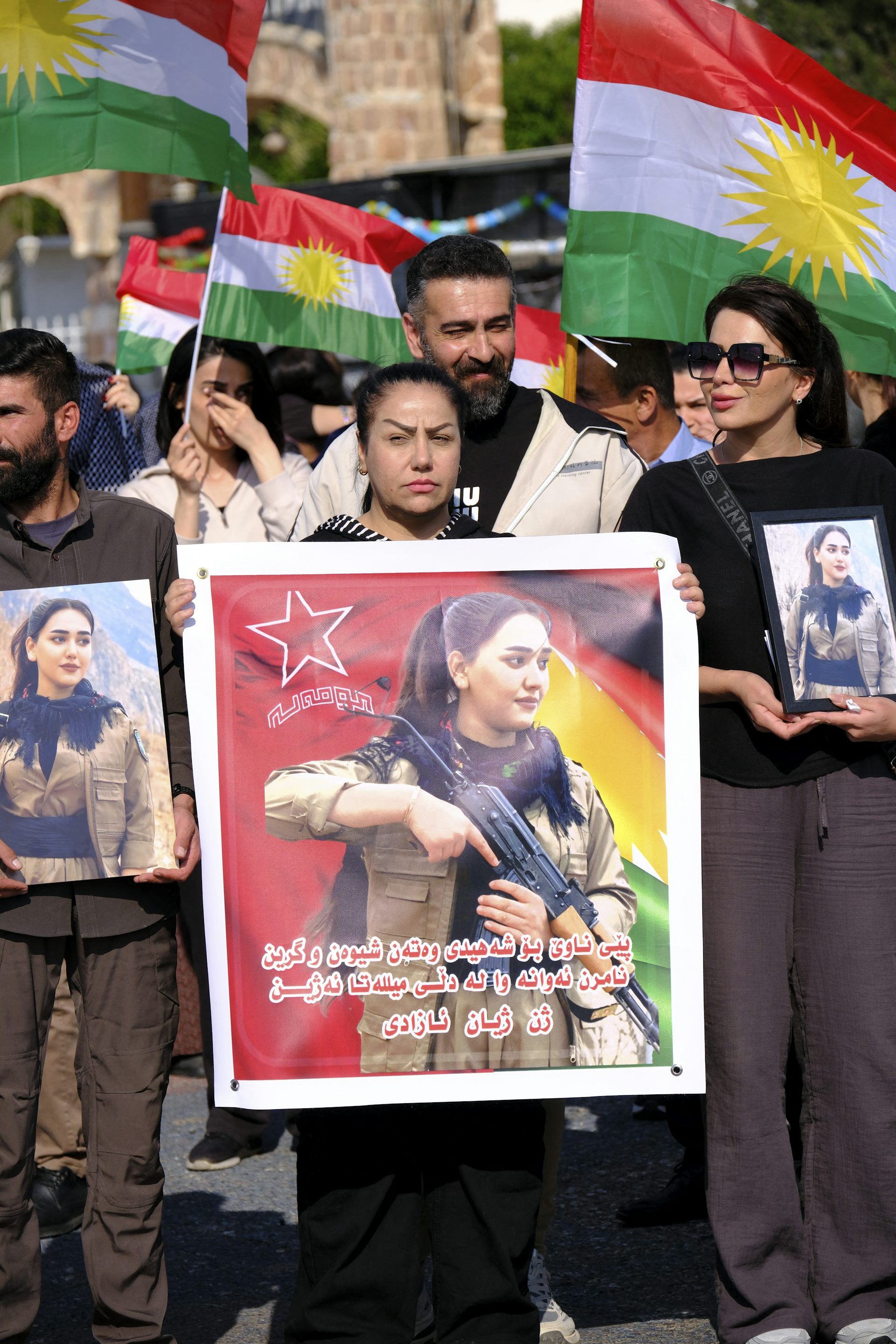
Across Europe and North America, mixed martial arts has become a focal point for segments of the contemporary far right. Organizations known as Active Clubs, now found in countries including the United States, Germany, Sweden, France and Britain, combine physical training with ethnonationalist activism, including recruitment, ideological indoctrination, public demonstrations and transnational networking among ethnic – particularly white – nationalist groups.
在欧洲和北美,综合格斗艺术已经成为当代极右翼某些群体的焦点。被称为“行动俱乐部”(Active Clubs)的组织,现在存在于包括美国、德国、瑞典、法国和英国等国家,它们将体能训练与民族主义活动相结合,这些活动包括招募、意识形态灌输、公开示威以及在族裔——特别是白人——民族主义群体之间进行跨国网络联络。
Gyms provide venues for recruitment and networking, but their deeper significance is psychological. Training and enduring hardship together and testing oneself before peers generates forms of trust and solidarity difficult to reproduce online. Political commitment becomes literal and embodied.
健身房为招募和建立人脉提供了场所,但其更深层次的意义在于心理层面。共同训练并忍受艰辛,并在同伴面前考验自己,会产生难以在线复制的信任和团结感。政治承诺变得是字面化和具身化的。
This helps explain why mixed martial arts has acquired unusual importance within transnational, ethnonationalist networks. Activists from different countries may possess distinct national identities, yet they recognize one another through a shared culture of physical discipline, masculine camaraderie and readiness for struggle. Combat sports provide a symbolic language that transcends borders, reinforcing a broader civilizational identity.
这有助于解释为什么综合格斗艺术在跨国、民族主义网络中获得了非凡的重要性。来自不同国家的活动家可能拥有独特的国家认同,但他们通过共同的体能纪律文化、男性友谊和战斗准备状态来相互识别。搏击运动提供了一种超越国界的象征性语言,强化了更广泛的文明身份。
In this respect, mixed martial arts performs a role similar to military training camps, revolutionary youth movements and fraternal organizations in earlier eras. It creates bonds simultaneously local and international.
在这方面,综合格斗艺术扮演的角色类似于早期时代的军事训练营、革命青年运动和兄弟会组织。它同时创造了地方性和国际性的纽带。
From Nero to the White House
从尼禄到白宫
The Roman emperor Nero was unusual not because he sponsored gladiatorial games – many emperors did – but because, as historian Thomas Wiedemann observed, he openly identified with the arena’s culture. Rather than maintaining aristocratic distance, Nero linked his public image to the virtues and popularity of spectacle.
罗马皇帝尼禄之所以不寻常,并非因为他赞助角斗游戏——许多皇帝都曾如此——而是因为,正如历史学家托马斯·维德曼所观察到的,他公开认同竞技场文化。尼禄没有维持贵族式的距离感,而是将自己的公众形象与奇观的优点和受欢迎程度联系起来。
Something similar occurs whenever political leaders align themselves with combat sports. The significance lies less in the sport itself than in what the spectacle symbolizes. A combat event staged as part of a national celebration transforms athletic competition into a ritual of collective identity and public values.
每当政治领导人将自己与格斗运动联系起来时,就会发生类似的情况。其意义不在于体育运动本身,而在于这种奇观象征着什么。一场作为国家庆典的一部分举行的格斗活动,将竞技比赛转化为集体身份和公共价值观的仪式。
The White House UFC event was especially revealing because it linked a combat spectacle to the commemoration of the American republic’s 250th anniversary and to Trump’s own 80th birthday. Symbolically, it joined nationhood, leadership and martial virtue in a single public performance.
白宫举办的UFC活动尤其具有启示性,因为它将一项格斗奇观与纪念美国共和国建国250周年以及特朗普本人八十岁生日联系了起来。从象征意义上讲,它在一个公开表演中结合了民族国家、领导力和武德。
The symbolism also intersects with recent calls by administration officials, including the newly dubbed “secretary of war” Pete Hegseth, to restore a “warrior ethos” to U.S. military and civic life. The warrior becomes not merely a soldier but an ideal citizen: disciplined, courageous, physically formidable and prepared for sacrifice.
这种象征意义还与行政官员近期的呼吁相交织,包括新被冠以“战争部长”头衔的皮特·赫格塞斯(Pete Hegseth),他们呼吁将一种“战士精神”恢复到美国军事和公民生活中。战士不再仅仅是士兵,而是一种理想的公民:纪律严明、勇敢无畏、体魄强健并准备做出牺牲。
Why spectators experience awe
为什么观众会体验到敬畏感
Mass rallies, military parades, religious pilgrimages, revolutionary festivals and combat spectacles can all produce moments in which individuals feel absorbed into something larger than themselves.
大规模集会、军事阅兵、宗教朝圣、革命节日和战斗场面,都能产生让个体感觉融入某种超越自身的事物时刻。
Such experiences do not automatically lead to political extremism. Most do not. But they help explain why people become deeply attached to groups and causes that provide meaning, belonging and a sense of shared destiny.
这样的经历并不会自动导致政治极端主义。大多数情况下都不是。但它们有助于解释人们为何会对提供意义、归属感和共同命运感的群体和事业深切依恋。
Spectacular public rituals – especially those involving violence and pain – often evoke what British political philosopher and politician Edmund Burke called “the sublime”: intense experiences of danger, terror and grandeur that transform fear into exaltation before overwhelming power.
壮观的公共仪式——尤其是涉及暴力和痛苦的仪式——经常唤起英国政治哲学家和政客埃德蒙·伯克所称的“崇高”:即对危险、恐惧和宏伟的强烈体验,这种体验将恐惧转化为在压倒性力量面前的狂喜。
The attraction of combat spectacles lies not merely in violence or entertainment. Their enduring power comes from transforming individual contests into collective stories of courage, sacrifice, identity and purpose. They reveal a fundamental human desire not only for security and comfort, but also for struggle, significance and belonging – as George Orwell observed in 1940 when reviewing the allure of Hitler’s autobiography, “Mein Kampf.”
战斗场面的吸引力不仅仅在于暴力或娱乐本身。它们持久的力量来自于将个体的竞争转变为关于勇气、牺牲、身份和目的的集体叙事。正如乔治·奥威尔在1940年评论希特勒自传《我的奋斗》时观察到的,这些场面揭示了人类不仅对安全和舒适的渴望,也对斗争、意义感和归属感的根本需求。
In an age when established political institutions and movements command diminishing loyalty, combat spectacles provide more than excitement. They create communities of feeling and, under the right conditions, powerful engines of political commitment.
在一个既有的政治制度和运动忠诚度日益下降的时代,战斗场面提供的不仅仅是兴奋感。它们创造了情感共同体,并在适当条件下,成为强大的政治承诺引擎。
Scott Atran previously received funding for related research from the U.S. Department of Defense, the National Science Foundation, the Carnegie Corporation.
斯科特·阿特兰曾从美国国防部、国家科学基金会、卡内基公司获得了相关研究资金。
Read more
-
伊朗的“疯狂”手段?霍尔木兹海峡的封锁,让人联想到一部几个世纪前的丹麦剧作——这对世界秩序而言,无疑是一场悲剧。
The method in Iran’s madness? Closure of Strait of Horm…