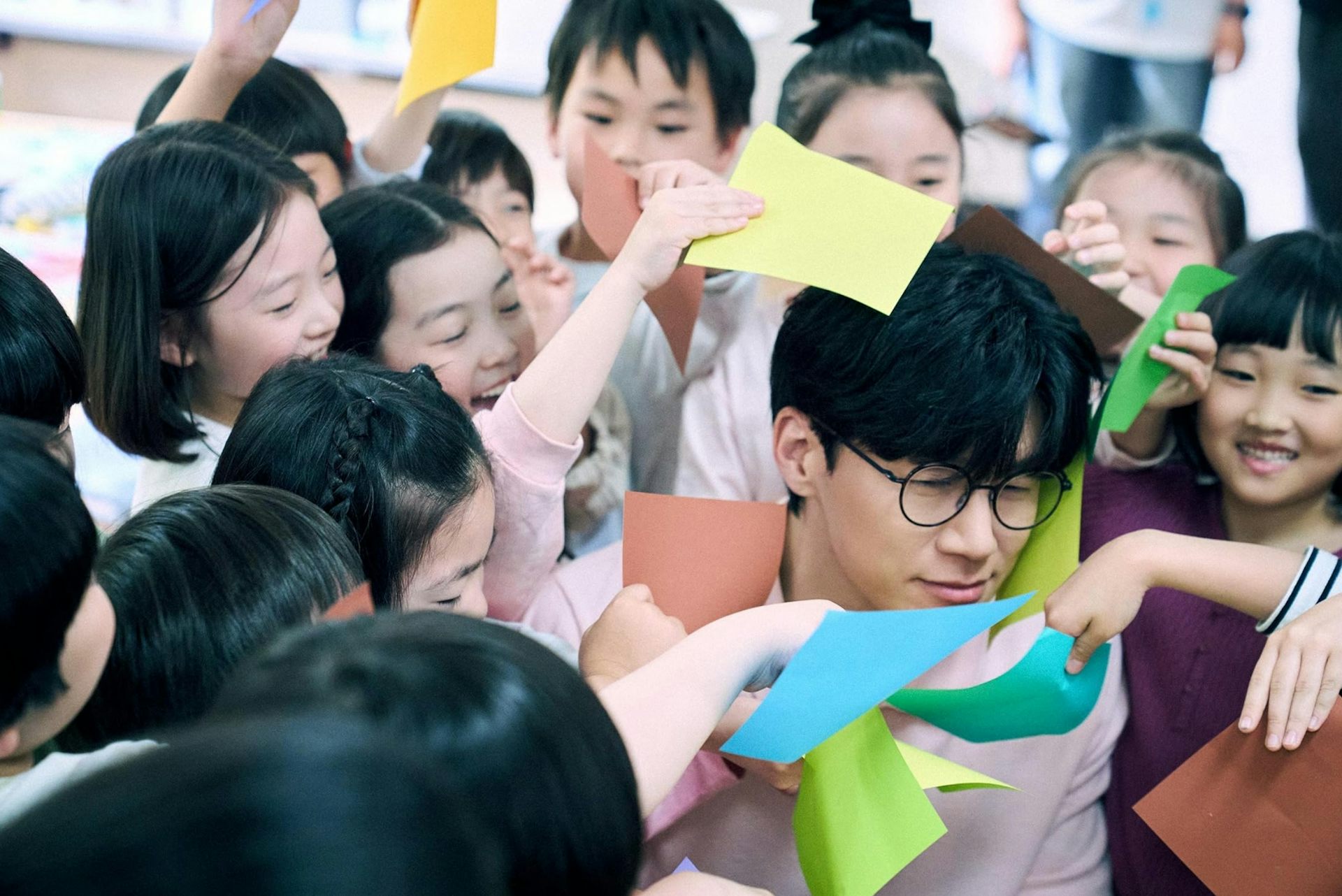
教育的意义是什么?为什么新韩剧《教你一课》登上榜首
What is education for? Why new Korean drama Teach You a…
The popular new show is resonating deeply beyond borders for its exploration of the challenges of modern schooling.
这部热门的新剧因其对现代学校挑战的探讨,在跨越国界后引起了深刻的反响。
Within a week of its release, Netflix’s new Korean drama Teach You a Lesson, directed by Hong Jong-chan, topped the platform’s global non-English rankings for the week of June 1-7.
Netflix的新韩剧《教你一课》,由洪宗灿执导,自发布以来一周内就登上了该平台2024年6月1日至7日这一周的全球非英语排名榜首。
Adapted from the popular webtoon Get Schooled (2020) , the 10-episode series about a government-backed vigilante unit trying to fix the wrongs in schools has quickly become a highly rated breakout hit.
该十集剧集改编自热门网络漫画《学规》(Get Schooled,2020),讲述了一个政府支持的义警小组试图纠正学校不公的故事,并迅速成为一部高评分爆款剧。
Described in a Forbes article as “one of the most addictive feel-good dramas of the year”, the series has exploded across Asia and beyond.
《福布斯》文章将其描述为“年度最具沉浸感的治愈系剧集之一”,该系列已在亚洲乃至全球范围内爆红。
Beneath its action, drama and satisfying takedowns lies a question troubling parents, educators and policymakers everywhere: what is education for, when the classroom itself is in crisis?
在其动作场面、戏剧冲突和令人过瘾的揭露之下,隐藏着一个困扰全球家长、教育工作者和政策制定者的疑问:当课堂本身陷入危机时,教育的意义究竟是什么?
Lessons worth learning
值得学习的教训
Teach You a Lesson depicts a version of Korean society in which rising school violence and declining teacher authority have pushed the educational system to breaking point.
《Teach You a Lesson》描绘了一个韩国社会版本,在这个版本中,日益严重的校园暴力和教师权威的衰退已将教育系统推向崩溃边缘。
South Korea’s education minister Choi Gang-seok, portrayed by Lee Sung-min, establishes the Educational Rights Protection Bureau (ERPB) after his daughter, a teacher, tragically dies at the hands of a student.
南韩教育部部长崔康石(Lee Sung-min 饰)在女儿——一位女教师——惨死于一名学生的暴行后,设立了“教育权利保护局”(ERPB)。
The ERPB unit is granted extraordinary legal powers to intervene in troubled schools.
该教育权利保护局获得了干预问题学校的超常法律权力。
Leading the unit is Na Hwa-jin, played by Kim Mu-yeol. He is the action hero, the minister’s son-in-law, and a former Special Forces captain turned inspector.
带领这个部门的是金武烈饰演的纳华珍。他是行动英雄、部长的女婿,也是一位从特种部队队长转职来的督察。
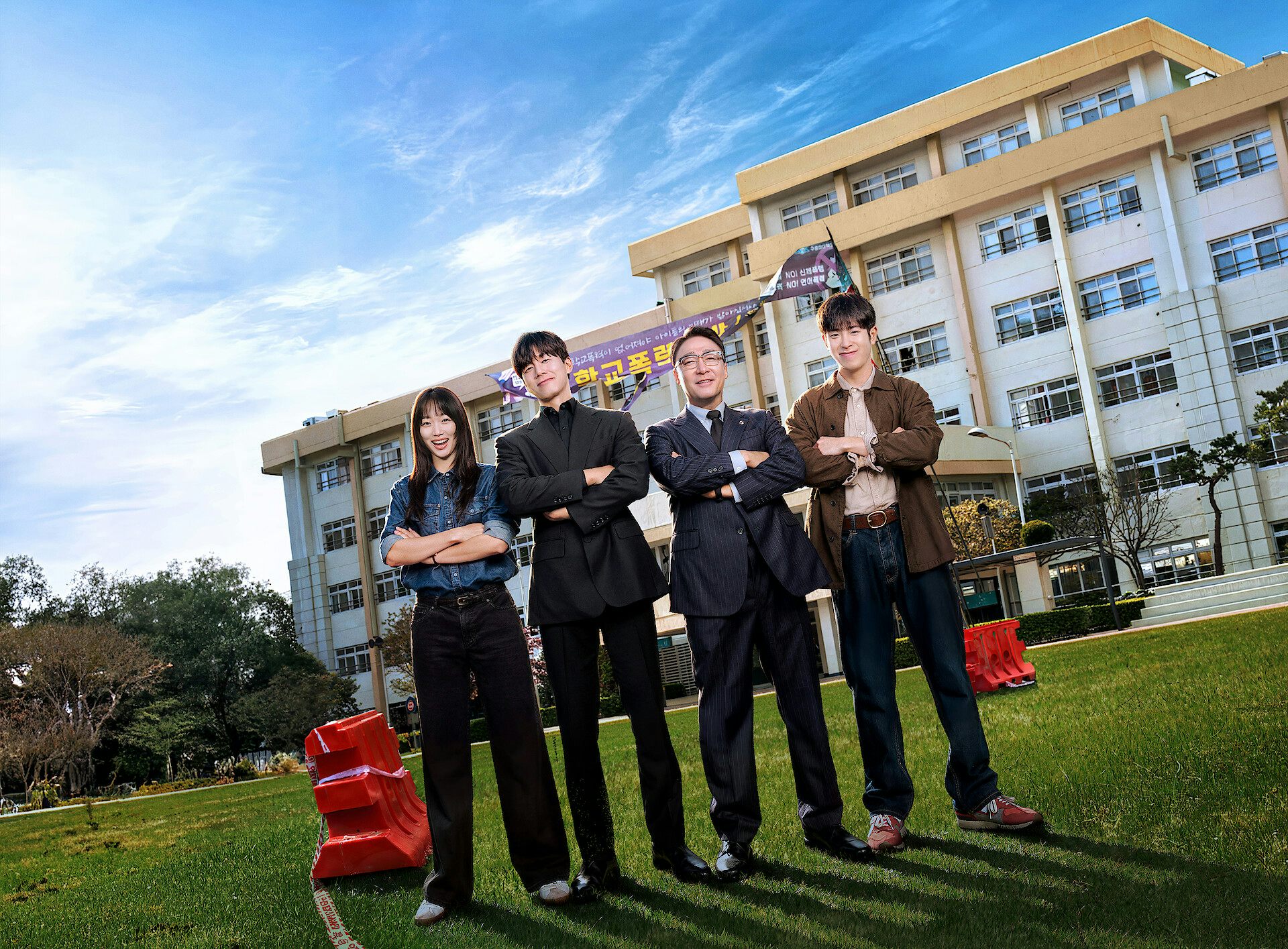
Hwa-jin teams up with the unhinged but fiercely trained Im Han-rim and the socially awkward yet technically gifted Bong Geun-dae.
华珍与精神状态不稳定的但训练有素的朴韩林,以及社交方面笨拙但技术天赋极高的奉根代组队。
Much like the popular K-drama Taxi Driver (2021) , but set in classrooms, each episode tackles a new case involving bullying, corruption, academic misconduct, juvenile crime, gambling, drug trafficking or exploitation.
这部剧集非常像热门韩剧《出租车司机》(2021),只是背景设定在教室里。每一集都会处理一起涉及霸凌、腐败、学术不端、青少年犯罪、赌博、贩毒或剥削的新案件。
Victims seek help when institutions fail them, and the ERPB steps in with swift, cathartic justice.
当制度无法保护他们时,受害者们寻求帮助,而教育权利保护局便以迅速、宣泄性的正义介入其中。
The cases range from the spoiled son of a powerful politician being shielded from the consequences of his bullying, to a vocational school where violence is valued, and a student influencer who weaponises social media against teachers (with tragic results) .
案例范围从富裕政客的儿子逃避霸凌后果,到将暴力视为价值的职业学校,再到利用社交媒体攻击老师的学生网红(结果往往是悲剧)。
Other episodes explore exam fraud, overbearing parents and the pressures of competition. Many even draw on real incidents, including 2023 case in Seoul in which a young teacher took her own life after parental harassment.
其他集数探讨了考试作弊、过度干预的父母以及竞争压力。许多情节甚至取材于真实事件,包括2023年首尔发生的一起案件,一名年轻教师在遭受家长骚扰后自杀身亡。
By centring these compelling personal stories, the drama spotlights educational crises through the eyes of those harmed.
通过聚焦这些引人入胜的个人故事,这部剧从受害者的视角突显了教育危机。
As Minister Choi responds to those who accuse the bureau of taking personal revenge: “We are not on the teachers’ side or the students’ side. We are on the victims’ side.”
当崔部长回应那些指责该局采取私人报复行为的人时说:“我们不站在老师那边,也不站在学生那边。我们站在受害者这边。”
The fantasy of solving the unsolvable
解决无法解决之事的幻想
In this series, if a politician’s child bullies others, the show topples the politician. If a teacher exploits an honest student, that teacher is held to account.
在这部剧里,如果一位政客的孩子欺负别人,节目就会扳倒这位政客。如果一位老师剥削了一个诚实的学生,这位老师就会受到追究。
Reality is hard, so this kind of fantasy helps.
现实很艰难,所以这种幻想有所帮助。
At the same time, Teach You a Lesson has been criticised by Korean educators for glorifying violence and corporal punishment through narratives in which problematic teenagers, abusive parents and corrupt educators are physically punished or publicly humiliated.
同时,《教你一课》因其叙事中描绘了问题青少年、虐待父母和腐败教育工作者遭受身体惩罚或公开羞辱的情节,而受到韩国教育工作者的批评,认为它美化了暴力和体罚。
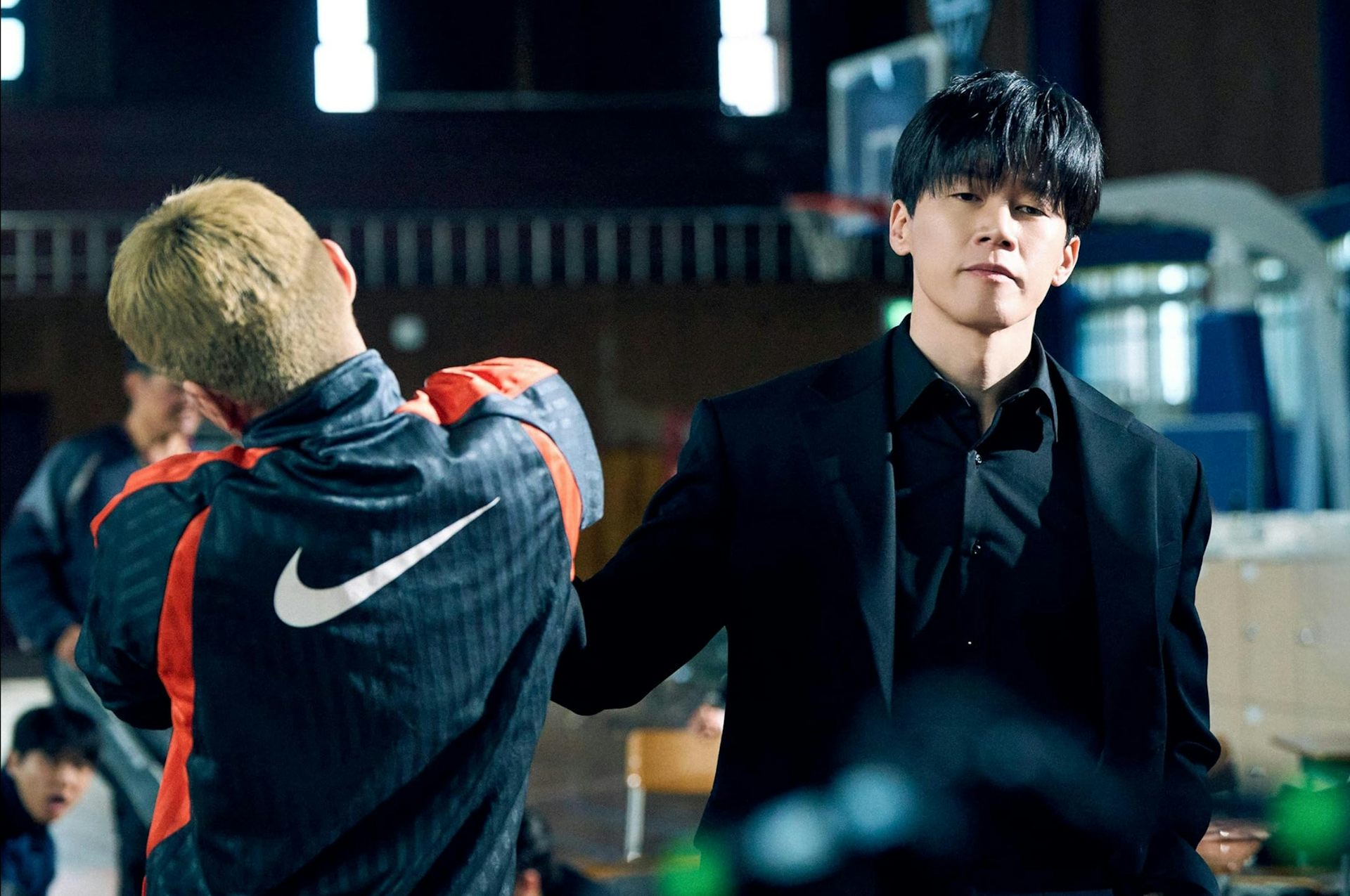
Yet its popularity suggests viewers are seeking more than vigilante satisfaction. The uplifting dialogue and vivid characters offer escapism, and spark reflections on the failures of real educational systems.
然而,它的受欢迎程度表明观众寻求的不仅仅是“私刑”式的满足感。振奋人心的对话和生动的角色提供了逃避现实的出口,并引发了对真实教育系统失败的反思。
At its heart, the series is about standing with victims. One of its most striking lines comes as Hwa-jin reflects on collapsing authority in schools: “If adults become afraid of children, the world is doomed.”
从本质上说,这部剧是关于与受害者站在一起。当华珍反思学校权威的崩塌时,她的一句台词尤为引人注目:“如果成年人开始害怕孩子,世界就完了。”
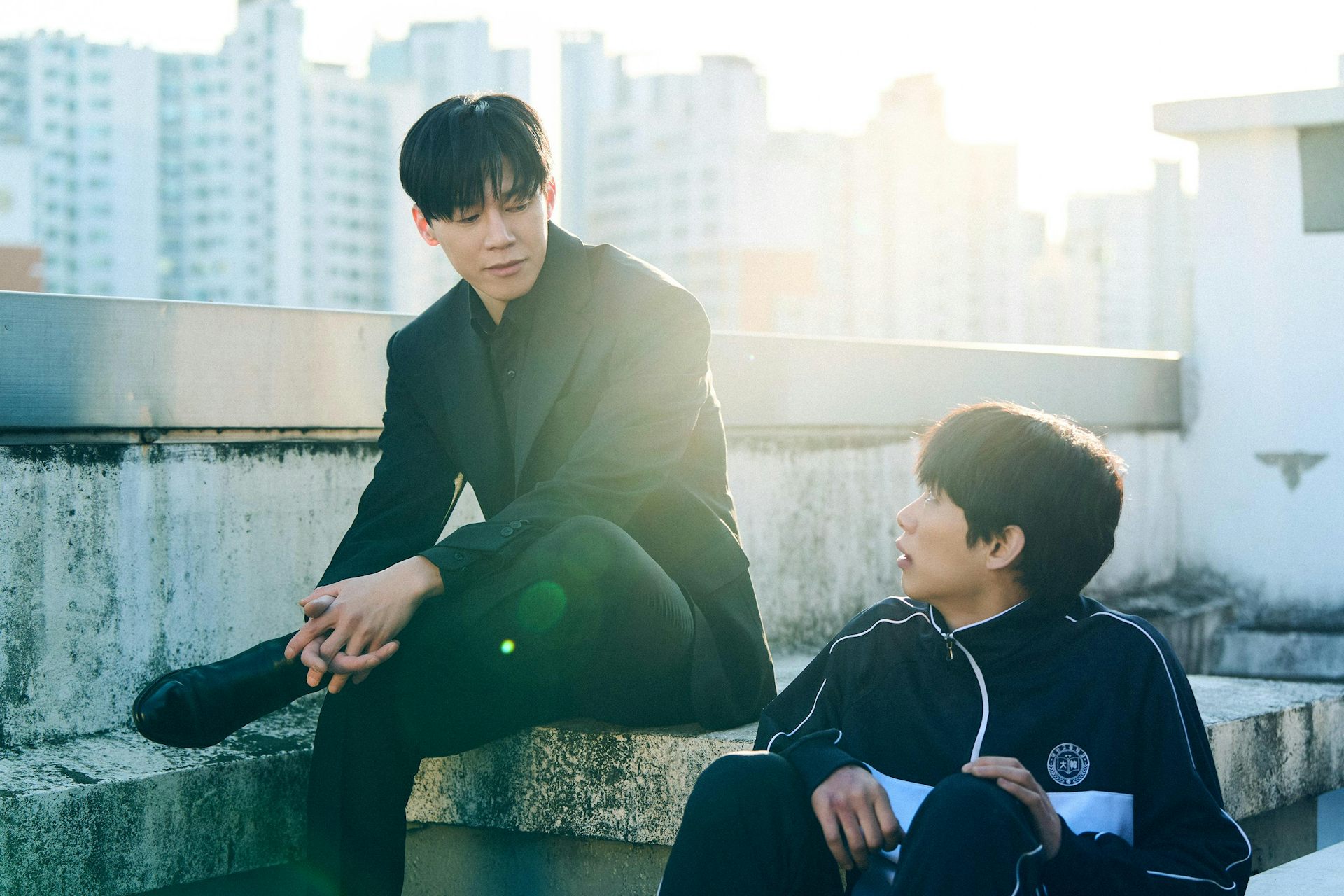
Again and again, the drama returns to the need to be seen and heard. Victims are urged to speak up. As Hwa-jin tells one bullied student, if pain remains hidden, no one will know help is needed.
反复地,这部剧都回归到“被看见”和“被听到”的需求。受害者被敦促说出自己的声音。华珍告诉一名遭受欺凌的学生,如果痛苦一直隐藏着,就没人知道需要帮助。
The show also resists the simplistic binary of heroes versus villains.
该剧也抵制了英雄与反派的简单二元对立。
One young offender in juvenile detention is revealed to have once been a victim himself, someone whose suffering went unnoticed until it curdled into violence. His plea to Hwa-jin – “Could you promise me just one thing? Can you make sure that no one turns out like me?” – feels directed as much at the audience as at the character.
一名少年拘留所的罪犯被揭示,他自己曾经也是一个受害者,他的痛苦一直未被察觉,直到它凝结成了暴力。他对华珍的恳求——“你能答应我一件事吗?你能确保没有人会像我一样吗?”——感觉既是针对角色,也像是对观众说的。
What, and who, is education really for?
教育到底是为了什么?谁能定义它?
This question, more than any fight scene or dramatic confrontation, helps explain why Teach You a Lesson has hooked global audiences.
这个问题,比起任何打斗场景或戏剧性的冲突,更能解释《教你一课》为何吸引了全球观众。
The appeal of its fantasy extends well beyond South Korea. The show notably went viral in China during “gaokao”, China’s fiercely competitive national university entrance exam season – tapping into widespread anxieties around pressure, fairness and opportunity.
这部剧的奇幻魅力远超韩国。该剧在中国的“高考”期间尤其爆火——这恰好触及了人们对于压力、公平和机会普遍存在的焦虑情绪。
Research suggests confidence in modern education is eroding across many countries, including Australia. Parents worry about bullying, teachers report unmanageable workloads and shrinking authority, and policymakers struggle to reconcile the competing demands placed on schools.
研究表明,包括澳大利亚在内的许多国家,对现代教育的信心正在减弱。家长担心校园霸凌,教师报告工作量过大且权威性下降,而政策制定者则难以调和学校面临的各种相互冲突的需求。
At the same time, Teach You A Lesson is also deeply rooted in South Korea’s high‑stakes educational culture, where academic achievement is closely tied to social mobility, and where schooling carries enormous emotional and economic weight.
与此同时,《教你一课》也深深植根于韩国高风险的教育文化中,在这一文化里,学业成就与社会流动紧密相连,教育承载着巨大的情感和经济重量。
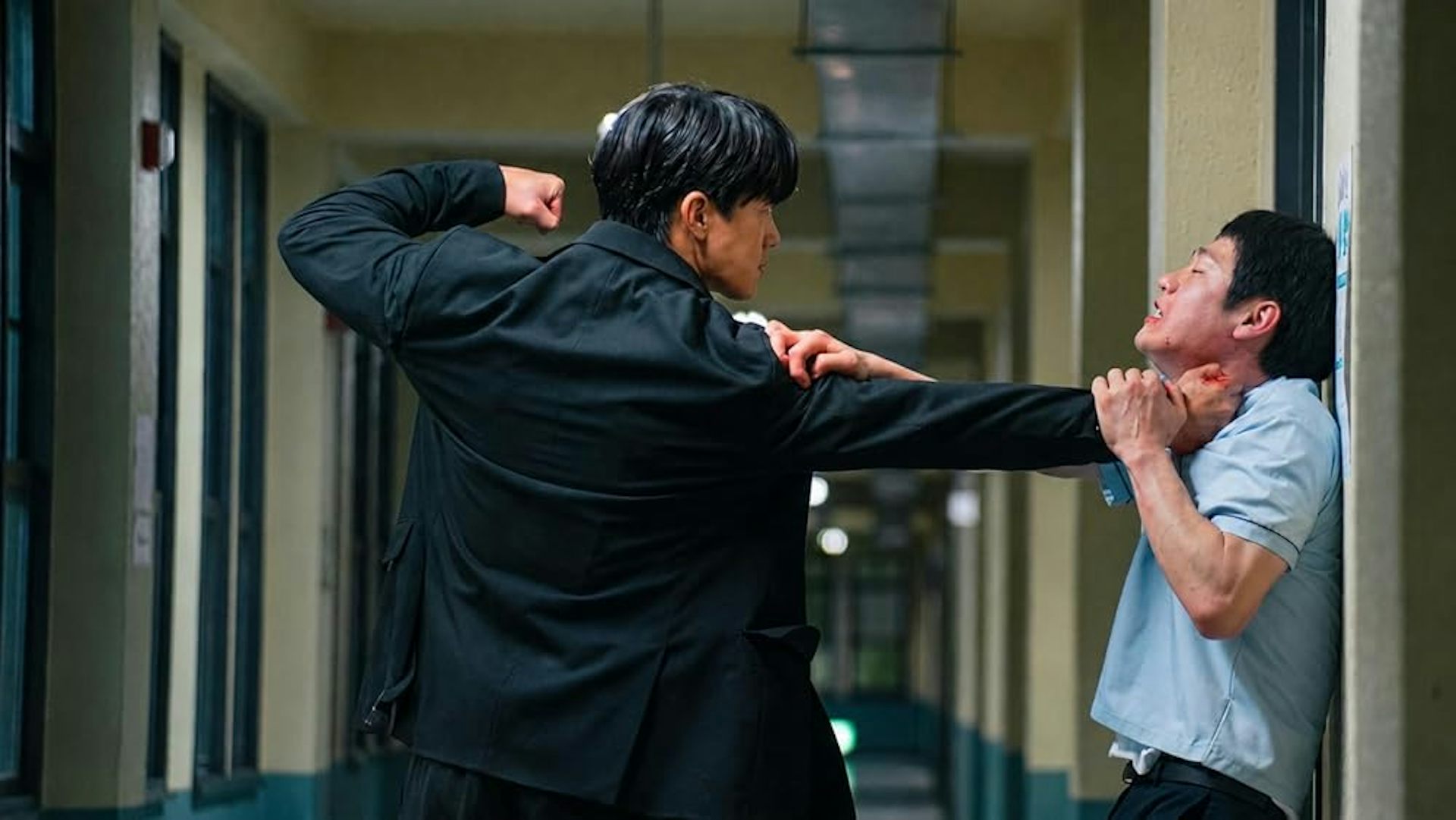
In the final episode, Hwa-jin tells the student responsible for his wife’s death “chances aren’t something you’re given, you earn them when you truly want them”. This line captures a belief that’s pervasive across East Asia and beyond: education is the best chance to earn a better life.
在最后一集中,华进告诉负责他妻子死亡的学生:“机会不是你被给予的,它们是在你真正想要的时候挣来的。”这句话捕捉到了一种遍布东亚乃至更广阔地区的信念:教育是获得更好生活的最佳机会。
But what happens when educators, parents and policymakers can’t access the adequate tools to deal with the problems in front of them – and certain people lose out as a result? What, then, is education really for?
但是,当教育工作者、家长和政策制定者无法获取足够的工具来应对眼前的难题时——而某些人因此失去了什么呢?那么,教育到底是为了什么?
Yanyan Hong does not work for, consult, own shares in or receive funding from any company or organisation that would benefit from this article, and has disclosed no relevant affiliations beyond their academic appointment.
韩艳(Yanyan Hong)不为任何可能从本文中受益的公司或组织工作、咨询、持有股份或接受资金,并且除了其学术任命之外,未披露任何相关隶属关系。