من المقرر أن تفشل دعوة ترامب لتوسيع اتفاقيات إبراهيم
Trump’s call to expand Abraham accords is destined to fail
Few Middle Eastern leaders can agree to Trump’s proposal for all Arab and Muslim states to sign the Abraham accords.
قليل من قادة الشرق الأوسط يمكنهم الاتفاق على اقتراح ترامب بأن توقع جميع الدول العربية والإسلامية اتفاقيات إبراهيم.
As negotiations to end the Iran war continued on May 25, Donald Trump made a series of phone calls in which he pressed key leaders from the Middle East to join the Abraham accords. Announced in 2020, these accords established diplomatic relations between Israel and several Arab states, beginning with the United Arab Emirates (UAE) and Bahrain.
استمرت المفاوضات لإنهاء الحرب الإيرانية في 25 مايو، وقام دونالد ترامب بسلسلة من المكالمات الهاتفية ضغط فيها على زعماء رئيسيين من الشرق الأوسط للانضمام إلى اتفاقيات إبراهيم. وقد أقامت هذه الاتفاقيات، التي أُعلنت في عام 2020، علاقات دبلوماسية بين إسرائيل والعديد من الدول العربية، بدءاً بالاتحاد الإماراتي وبحرين.
The US president reiterated his proposal in a social media post later that day: “After all the work done by the United States to try and pull this very complex puzzle together, it should be mandatory that all of these countries, at a minimum, simultaneously, sign the Abraham accords.”
وأعاد الرئيس الأمريكي تأكيد مقترحه في منشور على وسائل التواصل الاجتماعي في وقت لاحق من ذلك اليوم: “بعد كل العمل الذي قامت به الولايات المتحدة لمحاولة تجميع هذا اللغز المعقد للغاية، يجب أن يكون من الإلزامي أن توقع جميع هذه الدول، كحد أدنى، اتفاقيات إبراهيم بشكل متزامن.”
Trump’s post suggested that Iran could also join the accords. This really would be something, given that one motivation for signing the accords was to push back against Iranian influence in the region. Sadly for Trump, this is wishful thinking at best.
وأشار منشور ترامب إلى أن إيران يمكنها أيضاً الانضمام إلى الاتفاقيات. وهذا سيكون أمراً عظيماً، نظراً لأن أحد الدوافع وراء التوقيع على الاتفاقيات كان مواجهة النفوذ الإيراني في المنطقة. وللأسف بالنسبة لترامب، هذا لا يعدو كونه مجرد أمنيات.
Few Middle Eastern leaders can agree to Trump’s proposal. In comments published by Politico on May 26, one unnamed former US diplomat described Trump’s comments as a “poison pill”. They added he had created new “conditions for peace that neither Iran nor the states in question will accept”.
وقليل من زعماء الشرق الأوسط يمكنهم الاتفاق على مقترح ترامب. وفي تعليقات نشرها موقع “بوليتيكو” في 26 مايو، وصف دبلوماسي أمريكي سابق مجهول الاسم تعليقات ترامب بأنها “حبة سامة.” وأضاف أنه خلق “شروطاً للسلام لن تقبلها إيران ولا الدول المعنية.”
In advocating this approach, Trump misreads the vitriol held by many across the Middle East – and beyond – about Israel’s actions in Gaza and Lebanon. The official death toll in Gaza, where Israel has fought a military campaign since 2023, stands at over 70,000 people. A further 170,000 people have been injured amid what many are calling a “genocide”.
وفي الدعوة إلى هذا النهج، يسيء ترامب قراءة الاستياء الشديد الذي يحمله الكثيرون في جميع أنحاء الشرق الأوسط – وخارجه – تجاه تصرفات إسرائيل في غزة ولبنان. ويبلغ إجمالي الوفيات الرسمي في غزة، حيث خاضت إسرائيل حملة عسكرية منذ عام 2023، أكثر من 70 ألف شخص. كما أصيب 170 ألف شخص إضافي وسط ما يصفه الكثيرون بـ “الإبادة الجماعية.”
In southern Lebanon, Israel has used ground troops and a relentless campaign of air attacks since the beginning of the Iran war in what appears to be an attempt to secure a “buffer zone” against attacks from Hezbollah. More than 3,200 people there have been killed so far, with a further 7,500 injured and millions forced from their homes. This is despite the signing of a ceasefire between Israel and the Lebanese government in April.
وفي جنوب لبنان، استخدمت إسرائيل القوات البرية وحملة لا هوادة فيها من الهجمات الجوية منذ بداية الحرب الإيرانية، فيما يبدو أنه محاولة لتأمين “منطقة عازلة” ضد هجمات حزب الله. وقد قُتل أكثر من 3200 شخص هناك حتى الآن، وأصيب 7500 شخص إضافي، وأُجبر الملايين على مغادرة منازلهم. ويأتي هذا على الرغم من توقيع وقف لإطلاق النار بين إسرائيل والحكومة اللبنانية في أبريل.
Opposing Trump’s proposal
معارضة مقترح ترامب
The destruction of Gaza angered Bahrain and the UAE, with Manama recalling its ambassador to Israel shortly after the start of the war. But neither country withdrew from the Abraham accords. Instead, trade and security collaboration continued with both taking the stance that working more closely with Israel would be in the best interests of their states.
أغضب تدمير غزة البحرين والإمارات، حيث استدعت المنامة سفيرها في إسرائيل بعد وقت قصير من اندلاع الحرب. لكن لم تنسحب أي من الدولتين من اتفاقيات إبراهيم. بل استمر التعاون التجاري والأمني، حيث اتخذت الدولتان موقفاً مفاده أن العمل بشكل أوثق مع إسرائيل يصب في المصلحة العليا لدوليهما.
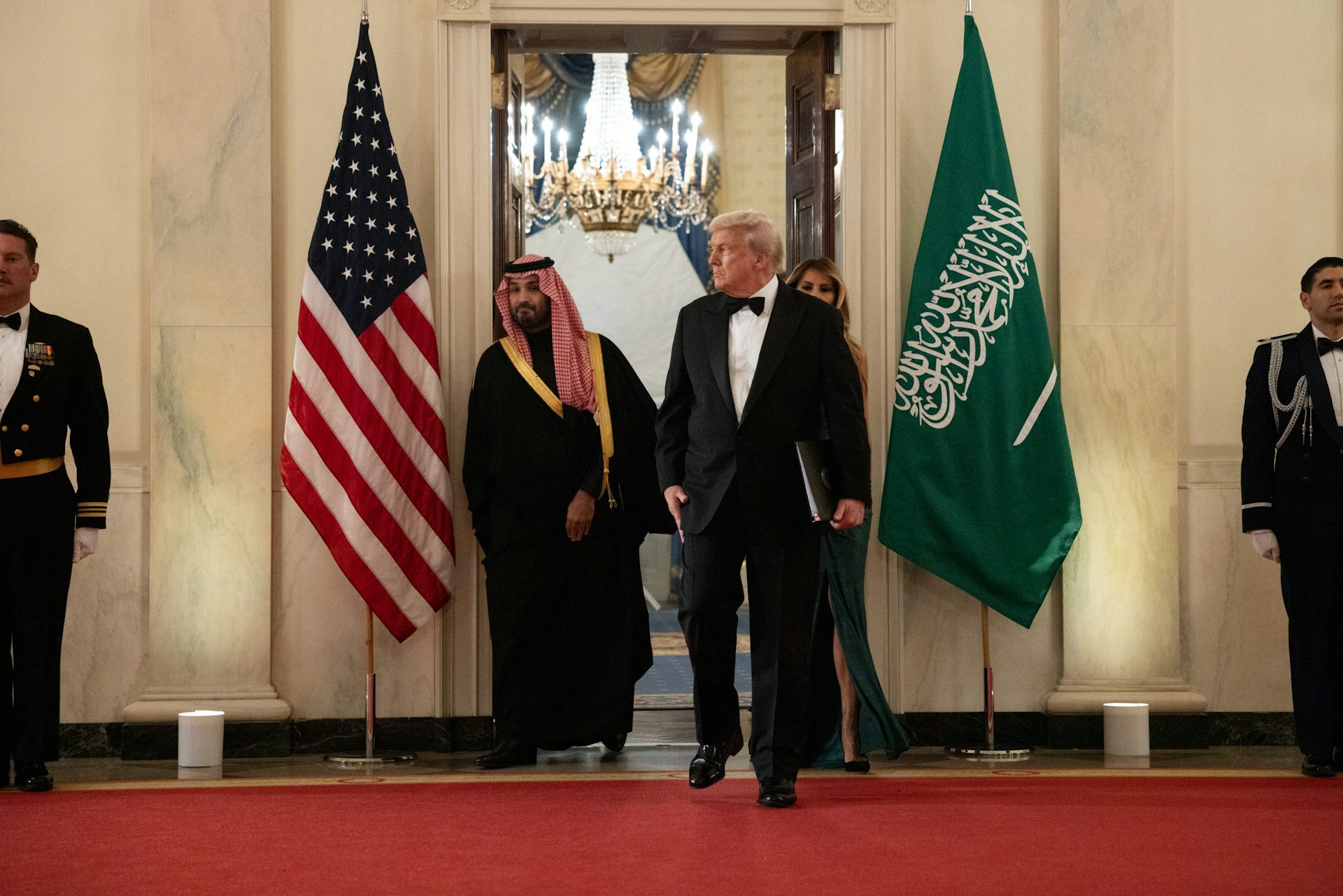
Yet Bahrain and the UAE are outliers in the Middle East. Other countries are far less willing, or able, to normalise with Israel. When US officials visited Saudi Arabia in 2024, four years after the signing of the accords, Crown Prince Mohammad bin Salman is said to have told them he feared being killed if he normalised relations with Israel.
ومع ذلك، تظل البحرين والإمارات استثناءات في الشرق الأوسط. فالدول الأخرى أقل استعداداً، أو أقل قدرة، على التطبيع مع إسرائيل. وعندما زار مسؤولون أمريكيون المملكة العربية السعودية في عام 2024، أي بعد أربع سنوات من توقيع الاتفاقيات، قيل إن ولي العهد محمد بن سلمان أخبرهم أنه يخشى أن يُقتل إذا طبعت العلاقات مع إسرائيل.
Though many have argued the Saudi Kingdom was close to normalising relations with Israel before the war in Gaza, this has been largely rejected by Saudi officials. And since the outbreak of the Gaza war, bin Salman and other Saudi officials have repeatedly stressed that normalisation of diplomatic relations with Israel will not happen without irrevocable steps being taken towards Palestinian statehood.
على الرغم من أن الكثيرين جادلوا بأن المملكة العربية السعودية كانت قريبة من تطبيع العلاقات مع إسرائيل قبل الحرب في غزة، فقد رفض هذا بشدة من قبل المسؤولين السعوديين. ومنذ اندلاع حرب غزة، أكد بن سلمان ومسؤولون سعوديون آخرون مراراً وتكراراً أن تطبيع العلاقات الدبلوماسية مع إسرائيل لن يحدث دون اتخاذ خطوات لا رجعة فيها نحو الدولة الفلسطينية.
Meanwhile, tensions between Israel and Turkey have been brewing for some time. In February, the former Israeli prime minister, Naftali Bennett, declared that Turkey was “the next Iran”. More recently, on May 20, Israel’s minister of culture and sports, Miki Zohar, declared that Turkey should be treated as “an enemy state”.
في غضون ذلك، كانت التوترات بين إسرائيل وتركيا تتصاعد منذ بعض الوقت. وفي فبراير، أعلن رئيس الوزراء الإسرائيلي السابق، نفتالي بينيت، أن تركيا هي “إيران التالية.” ومؤخراً، في 20 مايو، أعلنت وزيرة الثقافة والرياضة الإسرائيلية، ميكي زوهار، أنه يجب التعامل مع تركيا على أنها “دولة معادية.”
And in Qatar, state officials remain furious with Israel for launching strikes on Doha in 2025 in an attempt to kill key Hamas figures who were based there. Qatar said it had been hosting Hamas figures as part of broader mediation efforts requested by the US and Israel.
وفي قطر، لا يزال المسؤولون الحكوميون غاضبين من إسرائيل لإطلاق ضربات على الدوحة في عام 2025 في محاولة لقتل شخصيات حماس الرئيسية التي كانت مقيمة هناك. وقالت قطر إنها كانت تستضيف شخصيات حماس كجزء من جهود وساطة أوسع طُلبت من الولايات المتحدة وإسرائيل.
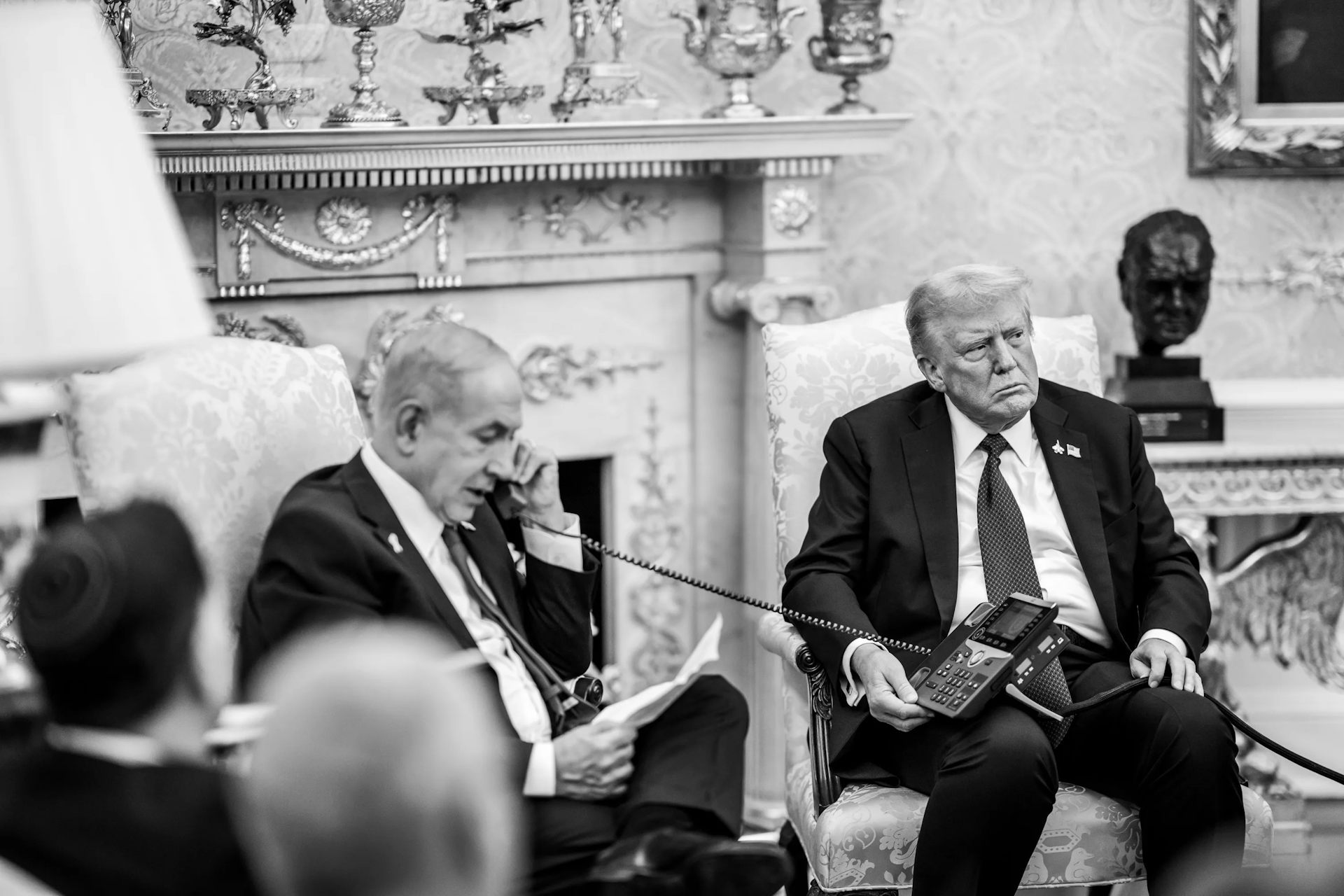
The strikes led to a now infamous photo released by the White House of Trump overseeing the Israeli prime minister, Benjamin Netanyahu, while he called Qatari prime minister Sheikh Mohammed bin Abdulrahman Al Thani to apologise.
أدت الضربات إلى صورة سيئة السمعة الآن نشرها البيت الأبيض لترامب وهو يشرف على رئيس الوزراء الإسرائيلي، بنيامين نتنياهو، بينما كان يتصل برئيس الوزراء القطري الشيخ محمد بن عبد الرحمن آل ثاني ليطلب منه الاعتذار.
The idea of Iran becoming a signatory of the Abraham accords in the immediate aftermath of a devastating war is also fanciful. Tensions between Israel and Iran can be traced back to 1979, when a revolution toppled the Iranian monarchy and led to the establishment of an Islamic republic.
إن فكرة أن تصبح إيران طرفاً موقعاً على اتفاقيات إبراهيم في أعقاب حرب مدمرة هي أيضاً خيالية. ويمكن تتبع التوترات بين إسرائيل وإيران إلى عام 1979، عندما أطاحت ثورة بالملكية الإيرانية وأدت إلى تأسيس جمهورية إسلامية.
Iran’s new leadership immediately provided support to the Palestinian cause and, in later years, to Hezbollah and other militias across the Middle East. In response, Israel has carried out military strikes on targets across Iran, assassinated key nuclear scientists and more. To suggest disregarding almost half a century of history with little to no efforts at reconciliation is farcical.
وقدمت القيادة الإيرانية الجديدة على الفور الدعم للقضية الفلسطينية، وفي السنوات اللاحقة، لحزب الله والميليشيات الأخرى في جميع أنحاء الشرق الأوسط. وردت إسرائيل على ذلك بتنفيذ ضربات عسكرية على أهداف في جميع أنحاء إيران، واغتيال علماء نوويين رئيسيين وغيرهم. واقتراح تجاهل ما يقرب من نصف قرن من التاريخ مع قليل أو لا جهود للمصالحة هو أمر هزلي.
Why, then, has Trump suggested such a move? Perhaps it speaks to a need to assuage domestic constituencies within the US, or those in Israel, pushing for wider normalisation between Tel Aviv and the Arab and Muslim worlds.
فلماذا اقترح ترامب مثل هذه الخطوة؟ ربما يشير ذلك إلى الحاجة إلى تهدئة قواعد محلية داخل الولايات المتحدة، أو تلك الموجودة في إسرائيل، للضغط من أجل تطبيع أوسع بين تل أبيب والعالم العربي والإسلامي.
A second reading is that it is an attempt to prevent diplomatic progress on resolving tensions with Iran by putting an insurmountable obstacle in the way in the form of the demand for normalisation with Israel, perhaps reflecting the plurality of positions on the war found in Washington.
تفسير ثانٍ هو أنها محاولة لمنع التقدم الدبلوماسي في حل التوترات مع إيران عن طريق وضع عقبة لا يمكن تجاوزها في شكل المطالبة بالتطبيع مع إسرائيل، ربما يعكس تعدد المواقف بشأن الحرب الموجودة في واشنطن.
A third view is that this is a move aimed at diminishing the scale of destruction and human suffering that has been wrought on Gaza, the West Bank and Lebanon, in the hope that a form of transactional politics – driven by trade and security – will prove sufficient. But, as Trump will find out, this is a longshot.
الرؤية الثالثة هي أن هذه خطوة تهدف إلى تقليل حجم الدمار والمعاناة الإنسانية التي لحقت بغزة والضفة الغربية ولبنان، على أمل أن يثبت شكل من أشكال السياسة التبادلية – المدفوعة بالتجارة والأمن – أنه كافٍ. ولكن، كما سيكتشف ترامب، فهذا أمر بعيد المنال.
Simon Mabon receives funding from Carnegie Corporation of New York and the Henry Luce Foundation.
يتلقى سايمون مابون تمويلاً من مؤسسة كارنيجي بنيويورك ومؤسسة هنري لوس.
Read more
-

بعد ثلاثين عامًا من ألبوم “Reasonable Doubt”، تجسد مسيرة جاي زي أكبر التناقضات في موسيقى الهيب هوب.
30 years after ‘Reasonable Doubt,’ Jay-Z’s career embodies hip-hop’s biggest contradictions
-

ماذا كان سيكون عليه الأمر أن نختبر نهاية العالم النيزكية التي قتلت الديناصورات: سرد تفصيلي خطوة بخطوة
What it would have been like to experience the dinosaur-killing asteroid armageddon: a blow-by-blow account