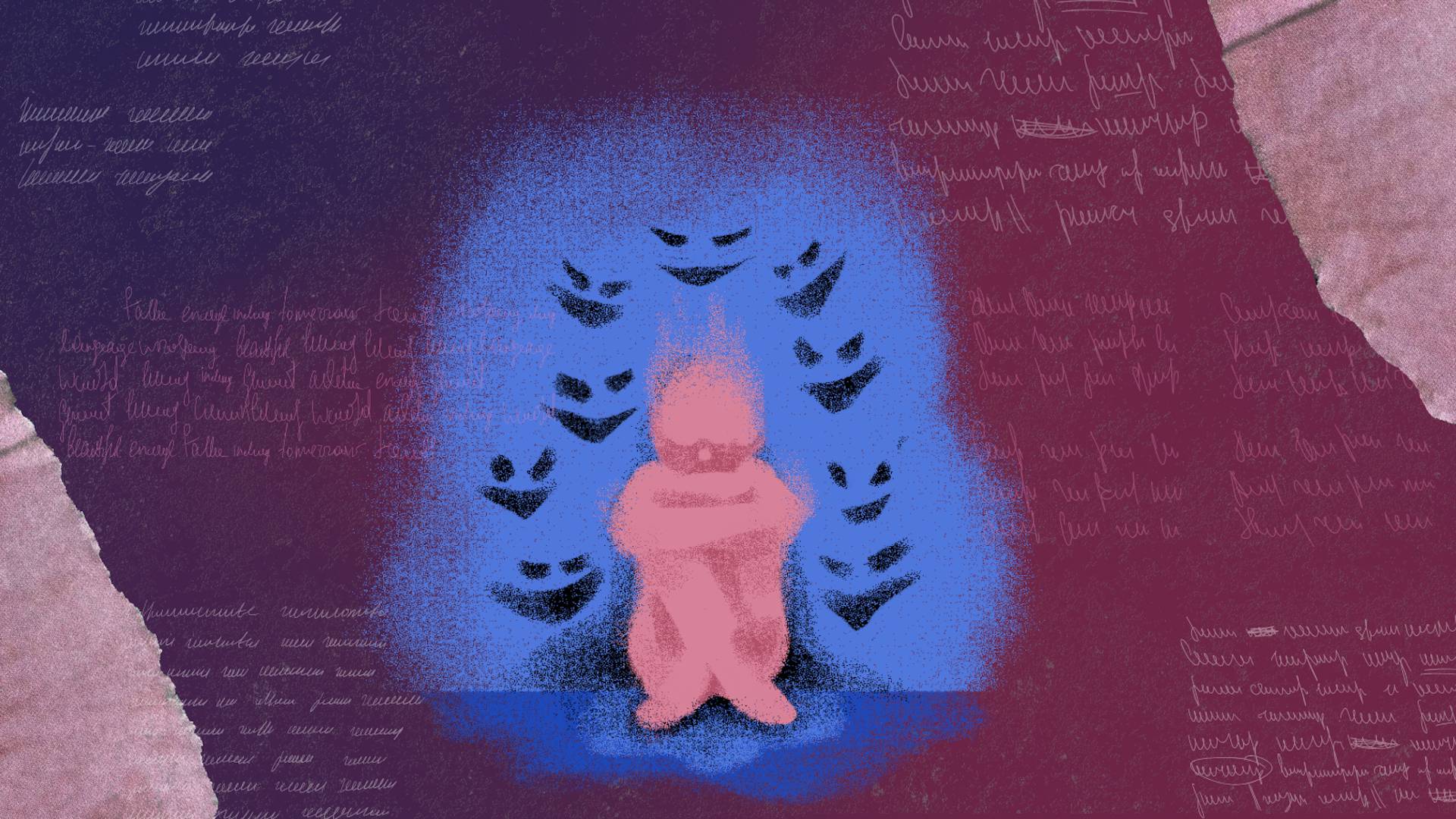
ट्रॉमा क्या है? हम इसके बारे में जितना अधिक बात करते हैं, इसका अर्थ उतना ही अधिक होता जाता है।
What is trauma? The more we talk about it, the more it means
Trauma is everywhere in mainstream vocabulary and online, but its meaning has never been hazier. Has the concept been de-stigmatised or diluted? And does it matter?
ट्रॉमा मुख्यधारा की शब्दावली और ऑनलाइन हर जगह है, लेकिन इसका अर्थ कभी इतना अस्पष्ट नहीं रहा। क्या इस अवधारणा को कलंकमुक्त किया गया है या पतला किया गया है? और क्या यह मायने रखता है?
It’s the word of the decade. “A major signifier of our age.” “The invisible force that shapes our lives.”
यह दशक का शब्द है। “हमारे युग का एक प्रमुख सूचक।” “वह अदृश्य शक्ति जो हमारे जीवन को आकार देती है।”
But what is “trauma”? Although it occupies the cultural spotlight, its meaning has never been hazier. Can we bring it into focus?
लेकिन “ट्रॉमा” क्या है? हालाँकि यह सांस्कृतिक केंद्र में है, लेकिन इसका अर्थ पहले कभी इतना अस्पष्ट नहीं रहा। क्या हम इसे स्पष्ट कर सकते हैं?
“Trauma” derives from the ancient Greek for wound. According to the Oxford English Dictionary, this external bodily injury meaning dates back to 1684.
“ट्रॉमा” शब्द प्राचीन ग्रीक भाषा के घाव (wound) से लिया गया है। ऑक्सफोर्ड इंग्लिश डिक्शनरी के अनुसार, बाहरी शारीरिक चोट का यह अर्थ 1684 से जुड़ा है।
Late in the 19th century, “trauma” acquired a second meaning as psychological injury. In 1894, for example, the US philosopher and psychologist William James wrote of “permanent ‘psychic traumata’”, likening them to “thorns in the spirit”.
19वीं शताब्दी के अंत में, “ट्रॉमा” ने मनोवैज्ञानिक चोट के रूप में एक दूसरा अर्थ प्राप्त किया। उदाहरण के लिए, 1894 में, अमेरिकी दार्शनिक और मनोवैज्ञानिक विलियम जेम्स ने “स्थायी ‘मानसिक ट्रॉमाटा'” के बारे में लिखा, जिनकी तुलना उन्होंने “आत्मा में काँटों” से की।
A third, figurative meaning emerged in the 1970s. “Trauma” now referred to suffering or adverse events in general. Just as “schizophrenia” and “hysteria” originated as clinical diagnoses and later picked up new, broader senses, trauma expanded and became a metaphor.
1970 के दशक में एक तीसरा, लाक्षणिक अर्थ उभरा। “ट्रॉमा” अब सामान्य रूप से पीड़ा या प्रतिकूल घटनाओं को संदर्भित करता था। जिस तरह “स्किज़ोफ्रेनिया” और “हिस्टीरिया” की शुरुआत नैदानिक निदान के रूप में हुई और बाद में उन्होंने नए, व्यापक अर्थ ग्रहण किए, उसी तरह ट्रॉमा भी विस्तारित हुआ और एक रूपक बन गया।
Everyone seems to be talking about trauma. Do we know more about it? Or has the meaning changed? In this five-part series, we explore the shifting definition of trauma, why talking about it doesn’t always help, and what else can work.
हर कोई ट्रॉमा के बारे में बात करता हुआ प्रतीत होता है। क्या हम इसके बारे में अधिक जानते हैं? या इसका अर्थ बदल गया है? इस पाँच-भाग की श्रृंखला में, हम ट्रॉमा की बदलती परिभाषा, यह क्यों हमेशा मदद नहीं करता, और और क्या काम कर सकता है, इसकी पड़ताल करते हैं।
Trauma in psychology and psychiatry
मनोविज्ञान और मनोचिकित्सा में आघात
In the mental health disciplines, the definition of trauma has followed a winding path. In 1952’s first edition of the Diagnostic and Statistical Manual of Mental Disorders (DSM) , it referred exclusively to physical injury.
मानसिक स्वास्थ्य के क्षेत्रों में, आघात की परिभाषा ने एक घुमावदार रास्ता अपनाया है। नैदानिक और सांख्यिकीय मानसिक विकार नियमावली (DSM) के 1952 के पहले संस्करण में, इसका संदर्भ विशेष रूप से शारीरिक चोट तक था।
No diagnosis corresponding to the psychological meaning of “trauma” appeared until 1980, when DSM-III introduced post-traumatic stress disorder (PTSD) .
“आघात” के मनोवैज्ञानिक अर्थ से मेल खाने वाला कोई निदान 1980 तक नहीं आया, जब DSM-III ने पोस्ट-ट्रॉमेटिक स्ट्रेस डिसऑर्डर (PTSD) पेश किया।
DSM-III listed an array of PTSD symptoms and a definition of the kind of traumatic events responsible for them. For a diagnosis to be made, the event would have to evoke significant distress in almost everyone and be “outside the range of usual human experience”.
DSM-III ने PTSD के लक्षणों की एक श्रृंखला और उन लक्षणों के लिए जिम्मेदार आघातकारी घटनाओं के प्रकार की परिभाषा सूचीबद्ध की। निदान किए जाने के लिए, घटना को लगभग हर किसी में महत्वपूर्ण संकट पैदा करना होगा और “सामान्य मानवीय अनुभव की सीमा से बाहर” होना होगा।
Controversially, later editions of the DSM loosened this criterion. For example, events that were indirectly witnessed – rather than directly experienced – came to be included. Emphasis shifted from an event’s objective severity to the subjective distress it caused. Consequently, a wider range of experiences became traumatic.
विवादास्पद रूप से, DSM के बाद के संस्करणों ने इस मानदंड को शिथिल किया। उदाहरण के लिए, ऐसी घटनाएँ जो सीधे अनुभव करने के बजाय अप्रत्यक्ष रूप से देखी गईं, शामिल की जाने लगीं। जोर किसी घटना की वस्तुनिष्ठ गंभीरता से हटकर इसके द्वारा उत्पन्न व्यक्तिपरक संकट पर चला गया। परिणामस्वरूप, अनुभवों की एक व्यापक श्रृंखला आघातकारी हो गई।
These changing rules for diagnosing PTSD point to a fundamental ambiguity in the psychiatric meaning of “trauma”. It can refer to a harmful event, as when a catastrophe is described as a trauma. But it can also name the event’s psychological impact, as when a person is said to suffer from trauma.
PTSD का निदान करने के ये बदलते नियम “आघात” के मनोचिकित्सकीय अर्थ में एक मौलिक अस्पष्टता की ओर इशारा करते हैं। यह एक हानिकारक घटना को संदर्भित कर सकता है, जैसा कि जब किसी आपदा का वर्णन आघात के रूप में किया जाता है। लेकिन यह घटना के मनोवैज्ञानिक प्रभाव का नाम भी हो सकता है, जैसा कि जब किसी व्यक्ति को आघात से पीड़ित कहा जाता है।
As a result, “trauma” awkwardly straddles the objective and the subjective, cause and effect.
परिणामस्वरूप, “आघात” वस्तुनिष्ठ और व्यक्तिपरक, कारण और प्रभाव के बीच अजीब तरह से झूलता है।
Concept creep
अवधारणा का विस्तार (Concept creep)
The relaxation of the DSM’s definition of a traumatic event is an example of “concept creep” – the gradual broadening of harm-related concepts. Studies have demonstrated this trend in large historical datasets.
DSM की किसी आघातजन्य घटना की परिभाषा में ढील “अवधारणा के विस्तार” का एक उदाहरण है – जो हानि-संबंधी अवधारणाओं का क्रमिक फैलाव है। अध्ययनों ने बड़े ऐतिहासिक डेटासेट में इस प्रवृत्ति को प्रदर्शित किया है।
For example, a study by my research group shows that “trauma” came to be used in a wider range of semantic contexts from 1970 to the late 2010s. That broadening is found in general text, such as news media and fiction, as well as academic articles.
उदाहरण के लिए, मेरे शोध समूह द्वारा किए गए एक अध्ययन से पता चलता है कि 1970 से लेकर 2010 के दशक के अंत तक “ट्रॉमा” का उपयोग व्यापक अर्थगत संदर्भों में किया जाने लगा। यह फैलाव सामान्य पाठ, जैसे समाचार मीडिया और काल्पनिक साहित्य के साथ-साथ अकादमिक लेखों में भी पाया जाता है।
“Trauma” is also increasingly used in less emotionally fraught contexts, implying that its connotations have become milder and normalised.
“ट्रॉमा” का उपयोग अब कम भावनात्मक रूप से तनावपूर्ण संदर्भों में भी तेजी से किया जा रहा है, जो यह दर्शाता है कि इसके भावार्थ हल्के और सामान्यीकृत हो गए हैं।
Interestingly, one driver of trauma’s broadening appears to be the growing cultural prominence of the concept. Books now mention it six times more often than they did half a century ago, and in psychology articles the factor is 25. The more we talk about trauma, the more it means.
दिलचस्प बात यह है कि ट्रॉमा के विस्तार का एक चालक इसकी अवधारणा की बढ़ती सांस्कृतिक प्रमुखता प्रतीत होती है। किताबें अब इसे आधे सदी पहले की तुलना में छह गुना अधिक बार उल्लेख करती हैं, और मनोविज्ञान के लेखों में यह कारक 25 गुना है। हम ट्रॉमा के बारे में जितना अधिक बात करते हैं, इसका अर्थ उतना ही अधिक होता जाता है।
The everyday uses of ‘trauma’
‘ट्रॉमा’ का रोज़मर्रा के उपयोग
The public has embraced “trauma” and run with it. As a recent review observed, “the definition of trauma is more restricted in clinical psychology and psychiatry than in common parlance”.
जनता ने “ट्रॉमा” को अपना लिया है और इसे आगे बढ़ा दिया है। जैसा कि एक हालिया समीक्षा में देखा गया, “ट्रॉमा की परिभाषा नैदानिक मनोविज्ञान और मनोरोग विज्ञान में आम बोलचाल की भाषा की तुलना में अधिक सीमित है”।
Studies find that people define a wider range of adversities as traumas than the DSM, stretching the concept from so-called “big-T” traumas to relatively “small-t” traumas. For example, they extend it to experiencing poor housing conditions and street harassment.
अध्ययन बताते हैं कि लोग डी.एस.एम. से अधिक व्यापक प्रकार की कठिनाइयों को ट्रॉमा मानते हैं, इस अवधारणा को कथित “बड़ी-T” ट्रॉमा से लेकर अपेक्षाकृत “छोटी-t” ट्रॉमा तक फैलाते हैं। उदाहरण के लिए, वे इसे खराब आवास की स्थिति और सड़क पर उत्पीड़न का अनुभव करने तक बढ़ाते हैं।
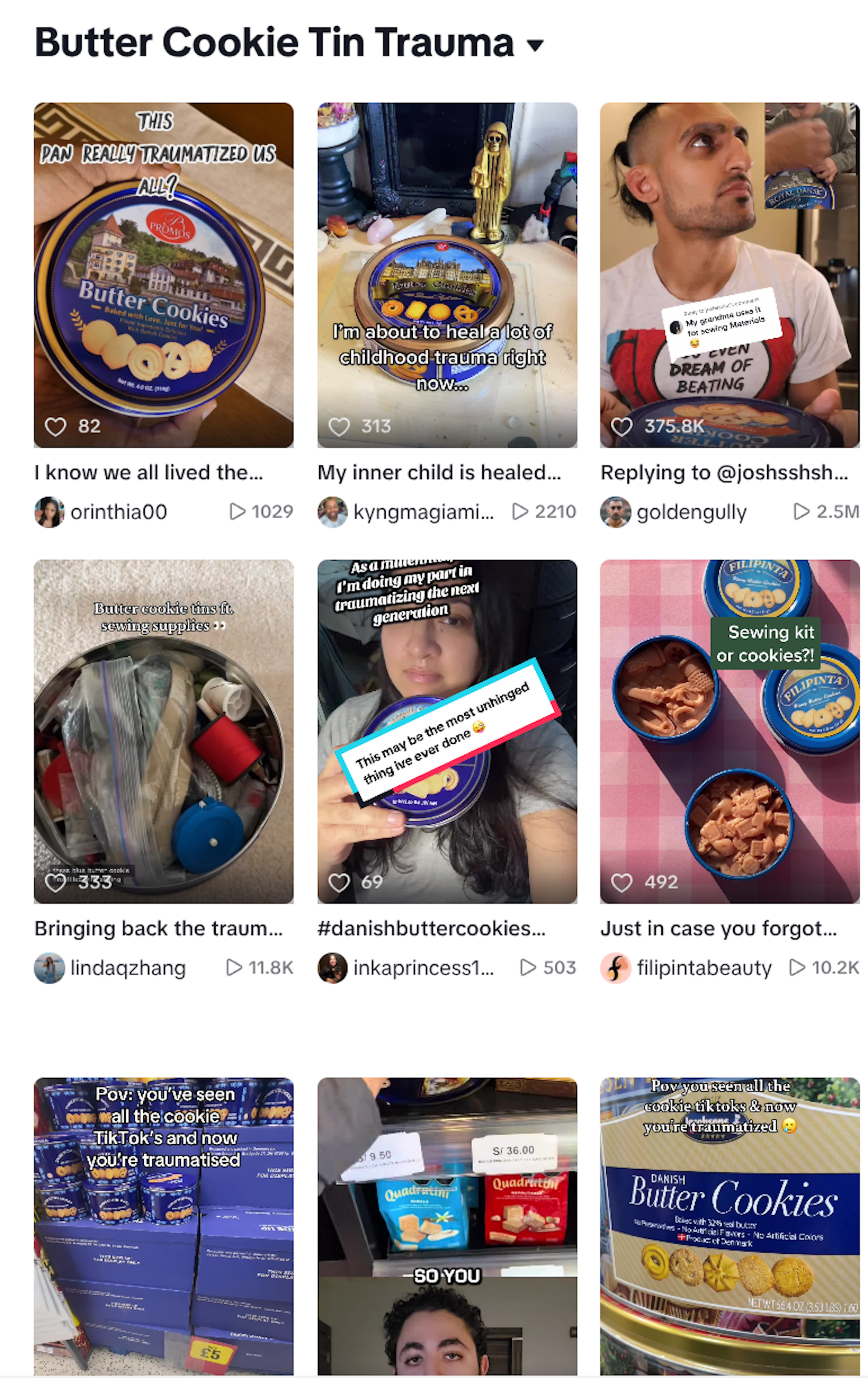
Social media is implicated in these broadened definitions. TikTok videos commonly describe minor embarrassments as traumas (for example, “I sat in chocolate and didn’t realise”) and innocuous experiences, such as mind-wandering, as signs of it.
सोशल मीडिया इन व्यापक परिभाषाओं में शामिल है। टिकटॉक वीडियो अक्सर छोटी शर्मिंदगी को ट्रॉमा के रूप में वर्णित करते हैं (उदाहरण के लिए, “मैं चॉकलेट में बैठ गया और मुझे एहसास नहीं हुआ”) और मन भटकने जैसे निर्दोष अनुभवों को इसके संकेत के रूप में बताते हैं।
Some of these uses are tongue-in-cheek and knowing. They poke fun at broad definitions (for example, “trauma is when you open the cookie tin to find sewing materials”) . In the same spirit, participants in a recent Irish study were ambivalent about such definitions, “welcoming trauma’s de-stigmatisation but deploring its potential trivialisation”.
इनमें से कुछ उपयोग व्यंग्यात्मक और जानबूझकर किए गए होते हैं। वे व्यापक परिभाषाओं का मज़ाक उड़ाते हैं (उदाहरण के लिए, “ट्रॉमा तब होता है जब आप कुकी का डिब्बा खोलते हैं और सिलाई का सामान पाते हैं”) । इसी भावना में, एक हालिया आयरिश अध्ययन में प्रतिभागियों ने ऐसी परिभाषाओं को लेकर द्विभाजित रुख अपनाया, “ट्रॉमा के कलंक हटने का स्वागत करते हुए लेकिन इसके संभावित तुच्छीकरण पर दुःख व्यक्त करते हुए”।
Benefits and costs of broad definitions
व्यापक परिभाषाओं के लाभ और लागतें
This ambivalence points to a backlash against expansive definitions, but that backlash carries risks. Trivialising trauma may be wrong, but people can be harmed by events that are not “big-T” traumatic. Those who have experienced adversity deserve compassion whether or not their experiences meet diagnostic benchmarks.
यह द्वंद्व व्यापक परिभाषाओं के विरुद्ध एक प्रतिक्रिया की ओर इशारा करता है, लेकिन उस प्रतिक्रिया में जोखिम शामिल हैं। आघात को तुच्छ समझना गलत हो सकता है, लेकिन लोग उन घटनाओं से भी आहत हो सकते हैं जो “बड़े-T” आघातकारी नहीं हैं। जिन्होंने विपत्ति का अनुभव किया है, वे करुणा के हकदार हैं, चाहे उनके अनुभव नैदानिक मानकों को पूरा करें या न करें।
People who question the concept creep of “trauma” are sometimes accused of lacking compassion, glossing over adversity and policing language. If someone wants to describe their experience as traumatic, who are you to invalidate them?
“ट्रॉमा” की अवधारणा के प्रसार पर सवाल उठाने वाले लोगों पर कभी-कभी करुणा की कमी, विपत्ति को हल्के में लेना और भाषा पर नियंत्रण करने का आरोप लगाया जाता है। यदि कोई व्यक्ति अपने अनुभव को दर्दनाक बताना चाहता है, तो आप उन्हें अमान्य करने के लिए कौन हैं?
However, some objections to the inflation of “trauma” are legitimate and grounded in compassionate concern. Holding a broad definition may harm people.
हालांकि, “ट्रॉमा” के अतिरंजित होने पर कुछ आपत्तियाँ वैध हैं और वे दयालु चिंता पर आधारित हैं। एक व्यापक परिभाषा रखना लोगों को नुकसान पहुंचा सकता है।
One study found that people induced to hold such a definition experienced more distress and intrusive thoughts after viewing a confronting video clip than those induced to hold a narrow one. Another showed that people who held broader trauma concepts were more distressed by an upsetting clip.
एक अध्ययन में पाया गया कि ऐसे लोग जिन्हें एक व्यापक परिभाषा रखने के लिए प्रेरित किया गया था, उन्हें एक चुनौतीपूर्ण वीडियो क्लिप देखने के बाद उन लोगों की तुलना में अधिक बेचैनी और दखल देने वाले विचारों का अनुभव हुआ जिन्हें एक संकीर्ण परिभाषा रखने के लिए प्रेरित किया गया था। एक अन्य अध्ययन ने दिखाया कि वे लोग जो व्यापक आघात अवधारणाएँ रखते थे, वे एक परेशान करने वाले क्लिप से अधिक बेचैन थे।
Perceiving something to be traumatic may contribute to making it so. Attributing distress to trauma implies that the injury we have suffered is enduring, indelible, overwhelming and identity-defining.
किसी चीज़ को आघातकारी समझना उसे आघातकारी बनाने में योगदान दे सकता है। पीड़ा का कारण आघात बताना यह दर्शाता है कि हमें जो चोट लगी है वह स्थायी, अमिट, अत्यधिक और पहचान को परिभाषित करने वाली है।
For the writer Will Self, trauma has become:
लेखक विल सेल्फ के लिए, आघात बन गया है:
the idea that certain species of experience have the ability to injure us in lasting ways, such that we carry the wound – and, indeed, the experience itself – forever with us, often without our even knowing.
यह विचार कि अनुभव की कुछ विशेष प्रकार की चीज़ों में हमें स्थायी रूप से चोट पहुँचाने की क्षमता होती है, इस तरह कि हम घाव – और वास्तव में, अनुभव को स्वयं – हमेशा अपने साथ लेकर चलते हैं, अक्सर हमारी जानकारी के बिना।
Understanding the cause of our suffering in this way – beyond our control, permanent and profoundly impactful – is the opposite of what is likely to promote recovery. It is a pattern associated with depression and hopelessness.
इस तरह से हमारे दुख के कारण को समझना – जो हमारे नियंत्रण से बाहर है, स्थायी है और गहरा प्रभाव डालता है – उस चीज़ के विपरीत है जो ठीक होने को बढ़ावा देने की संभावना है। यह अवसाद और निराशा से जुड़ा एक पैटर्न है।
Another reason to resist the expansion of “trauma” is conceptual clarity. If all adversities become trauma, and all distress is ascribed to it, the concept becomes a blunt instrument. “Big-T” trauma is already widespread – three quarters of Australian adults have experienced such an event, such as a life-threatening car crash or the unexpected death of a loved one – without diluting it with small-t troubles.
‘ट्रॉमा’ के विस्तार का विरोध करने का एक और कारण वैचारिक स्पष्टता है। यदि सभी विपत्तियाँ ट्रॉमा बन जाएँ, और सभी संकट को इसका कारण माना जाए, तो यह अवधारणा एक कुंद उपकरण बन जाती है। ‘बड़ी-T’ ट्रॉमा पहले से ही व्यापक है – ऑस्ट्रेलियाई वयस्कों का तीन-चौथाई हिस्सा ऐसे किसी घटना का अनुभव कर चुका है, जैसे जानलेवा कार दुर्घटना या किसी प्रियजन की अप्रत्याशित मृत्यु – इसे छोटे-t की परेशानियों से पतला किए बिना।
The expansive view of trauma promotes the increasingly popular view that distress can be explained by adverse life experiences alone. The idea we should move from asking what’s wrong with people to what happened to them sounds humane, but it can lead to simplistic trauma determinism.
आघात का व्यापक दृष्टिकोण एक तेजी से लोकप्रिय दृष्टिकोण को बढ़ावा देता है कि संकट को केवल प्रतिकूल जीवन अनुभवों से समझाया जा सकता है। यह विचार कि हमें लोगों में क्या गलत है पूछने से हटकर यह पूछना चाहिए कि उनके साथ क्या हुआ, मानवीय लगता है, लेकिन यह सरलीकृत आघात नियतिवाद की ओर ले जा सकता है।
Life experiences matter, but they’re not all that matters. Only 4% of people who experience a DSM traumatic event develop PTSD, for example. Many biological, psychological and cultural factors play a role in mental ill health, not just traumatic experiences.
जीवन के अनुभव मायने रखते हैं, लेकिन वे ही सब कुछ नहीं हैं जो मायने रखता है। उदाहरण के लिए, केवल 4% लोग जो एक DSM आघातजन्य घटना का अनुभव करते हैं, वे PTSD विकसित करते हैं। कई जैविक, मनोवैज्ञानिक और सांस्कृतिक कारक केवल आघातजन्य अनुभवों से नहीं, बल्कि मानसिक अस्वस्थता में भूमिका निभाते हैं।
Questioning the expansion of “trauma” is essential if we are to avoid diluting and misusing the concept. This expansion is driven by benevolent societal trends but it has a downside. At this cultural moment, when “trauma” is everywhere, we need to think clearly and critically about it.
यदि हमें इस अवधारणा को पतला होने और दुरुपयोग होने से बचाना है, तो “ट्रॉमा” के विस्तार पर सवाल उठाना आवश्यक है। यह विस्तार परोपकारी सामाजिक रुझानों से प्रेरित है, लेकिन इसका एक नकारात्मक पहलू भी है। इस सांस्कृतिक क्षण में, जब “ट्रॉमा” हर जगह है, हमें इसके बारे में स्पष्ट और आलोचनात्मक रूप से सोचने की आवश्यकता है।
Nick Haslam receives funding from the Australian Research Council.
निक हैस्लम को ऑस्ट्रेलियन रिसर्च काउंसिल से फंडिंग मिलती है।
Read more
-

Meta और Microsoft भी टेक छंटनी के सुनामी में शामिल हो गए हैं – लेकिन क्या AI वास्तव में दोषी है?
Meta and Microsoft have joined the tech layoff tsunami – but is AI really to blame?
-

डायनासोर को मारने वाले क्षुद्रग्रह के नरसंहार का अनुभव कैसा रहा होगा: एक चरण-दर-चरण विवरण
What it would have been like to experience the dinosaur-killing asteroid armageddon: a blow-by-blow account