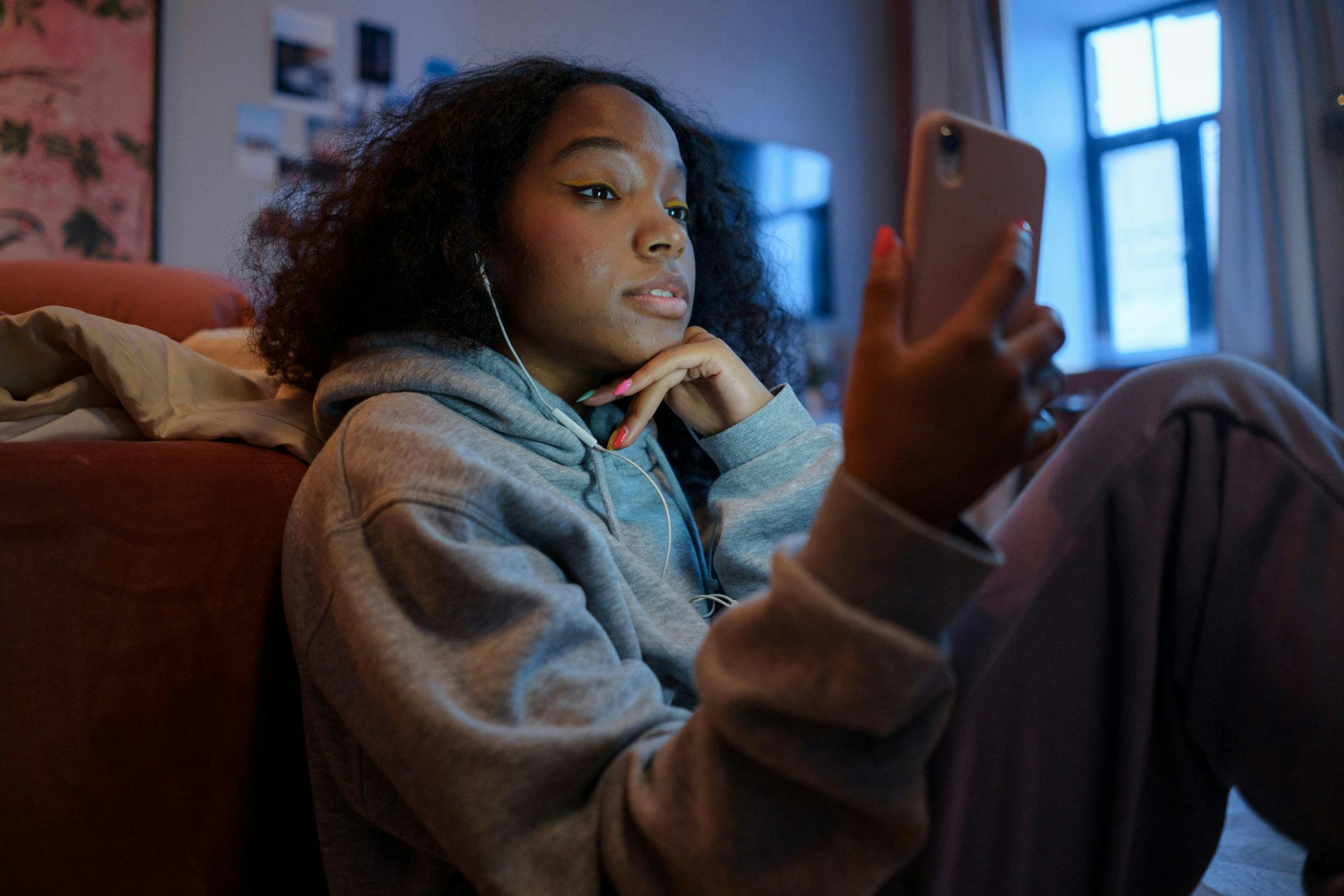
تسمح أدوات ميتا الجديدة للآباء بالإشراف بشكل أفضل على حسابات أطفالهم على وسائل التواصل الاجتماعي. فهل ستكون فعالة؟
Meta’s new tools allow parents to better supervise their kids’ social media accounts. Will they work?
Success will rely significantly on parents’ abilities – and children’s willingness – to engage with these new tools.
سيعتمد النجاح بشكل كبير على قدرات الآباء – واستعداد الأطفال – لاستخدام هذه الأدوات الجديدة.
Tech giant Meta recently announced a set of new features to give parents greater oversight of how their children use Facebook, Instagram, Messenger and Horizon.
أعلنت شركة التكنولوجيا العملاقة “ميتا” مؤخرًا عن مجموعة من الميزات الجديدة لمنح الآباء إشرافًا أكبر على كيفية استخدام أطفالهم لفيسبوك، وإنستغرام، وميسنجر، وهورايزون.
This follows the company’s announcement earlier this month that it is expanding age assurance checks to filter 13-to-17-year-old users into teen accounts in the United States and other countries, following Australia’s rollout in 2025. Meta is also implementing new age checks and easier reporting of underage users to support account removals.
ويأتي هذا بعد إعلان الشركة في وقت سابق من هذا الشهر عن توسيع فحوصات التأكد من العمر لتصنيف المستخدمين الذين تتراوح أعمارهم بين 13 و 17 عامًا في حسابات المراهقين في الولايات المتحدة ودول أخرى، وذلك بعد تطبيق أستراليا لذلك في عام 2025. وتنفذ “ميتا” أيضًا فحوصات عمرية جديدة وإبلاغًا أسهل عن المستخدمين دون السن القانونية لدعم إزالة الحسابات.
These changes come as Meta faces increasing pressure internationally to do more to keep kids safe on its platforms.
وتأتي هذه التغييرات في وقت تواجه فيه “ميتا” ضغوطًا متزايدة دوليًا للقيام بالمزيد من الإجراءات للحفاظ على سلامة الأطفال على منصاتها.
So what exactly are the changes? And will they likely work to reduce online harm?
فما هي هذه التغييرات بالضبط؟ وهل من المحتمل أن تنجح في تقليل الضرر عبر الإنترنت؟
Enlisting AI to search for clues
توظيف الذكاء الاصطناعي للبحث عن الأدلة
Meta’s new age checks will use “visual clues” about a user’s age, such as height and bone structure, alongside analysis of social media posts and interactions, to estimate a person’s age.
ستستخدم فحوصات العمر الجديدة من ميتا “أدلة بصرية” حول عمر المستخدم، مثل الطول وبنية العظام، إلى جانب تحليل منشورات وتفاعلات وسائل التواصل الاجتماعي، لتقدير عمر الشخص.
Using new techniques powered by artificial intelligence (AI) , the company will scan photos, videos and content on users’ profiles – including bios, captions, and comments – to estimate their age. By looking for clues such as mentions of birthday parties or school grades, Meta plans to deactivate accounts for those believed to be under 13.
باستخدام تقنيات جديدة مدعومة بالذكاء الاصطناعي (AI) ، ستقوم الشركة بمسح الصور ومقاطع الفيديو والمحتوى الموجود في ملفات المستخدمين – بما في ذلك السير الذاتية والتسميات التوضيحية والتعليقات – لتقدير أعمارهم. ومن خلال البحث عن أدلة مثل ذكر حفلات أعياد الميلاد أو درجات المدرسة، تخطط ميتا لتعطيل حسابات من يُعتقد أنهم دون سن 13 عامًا.
However, given the known limitations of age assurance technologies, and the compliance concerns raised with Australia’s social media ban, many underage children remain active on social media platforms. What is unclear about these new “clues” is whether and how teens may be able to circumvent these new controls by ensuring their platform content gives the appearance of older, adult material.
ومع ذلك، ونظرًا للقيود المعروفة لتقنيات التأكد من العمر، والمخاوف المتعلقة بالامتثال التي أثيرت بشأن حظر وسائل التواصل الاجتماعي في أستراليا، لا يزال العديد من الأطفال دون السن نشطين على منصات التواصل الاجتماعي. وما لا يزال غير واضح بشأن هذه “الأدلة” الجديدة هو ما إذا كان المراهقون وكيف يمكنهم التحايل على هذه الضوابط الجديدة من خلال ضمان أن محتوى منصتهم يعطي مظهر مواد للبالغين وأكثر نضجًا.
Meta’s new process for reporting underage accounts is likely intended to address this concern.
من المحتمل أن تكون عملية ميتا الجديدة للإبلاغ عن الحسابات دون السن تهدف إلى معالجة هذا القلق.
Easier reporting of underage accounts will augment content scanning, providing another avenue to identify underage accounts. This will also use AI, alongside human reviewers. Meta says this will ensure reports are “addressed with more speed and reliability”.
سيعزز الإبلاغ الأسهل عن الحسابات دون السن من مسح المحتوى، مما يوفر مسارًا آخر لتحديد الحسابات دون السن. سيستخدم هذا أيضًا الذكاء الاصطناعي، إلى جانب المراجعين البشريين. وتقول ميتا إن هذا سيضمن “معالجة البلاغات بسرعة وموثوقية أكبر.”
Meta explains that users who are reported to be underage, inaccurately, will be able to undergo age checks to retain their accounts.
تشرح ميتا أن المستخدمين الذين يتم الإبلاغ عنهم بأنهم دون السن، بشكل غير دقيق، سيكونون قادرين على الخضوع لفحوصات العمر للاحتفاظ بحساباتهم.
A consolidated ‘Family Centre’
مركز عائلي موحد
Meta’s new “Family Centre” will consolidate parental supervision tools for Facebook, Instagram, Horizon, and Messenger in one place.
سيقوم “المركز العائلي” الجديد من ميتا بتوحيد أدوات الإشراف الأبوي لمنصات فيسبوك وإنستغرام وهورايزون وميسنجر في مكان واحد.
Through the “Family Centre”, Meta will start sending parents notifications when their teens add new topics and interests across platforms – such as photography, sports, or beauty.
من خلال “المركز العائلي”، ستبدأ ميتا بإرسال إشعارات للآباء عندما يضيف المراهقون اهتمامات ومواضيع جديدة عبر المنصات – مثل التصوير الفوتوغرافي أو الرياضة أو الجمال.
Meta says this will enable parents to “stay informed” and have “meaningful conversations” with their children about the general topics they follow.
تقول ميتا إن هذا سيمكن الآباء من “البقاء على اطلاع” وإجراء “محادثات هادفة” مع أطفالهم حول المواضيع العامة التي يتابعونها.
However, under Australia’s social media restrictions, children under 16 are not allowed to hold social media accounts.
ومع ذلك، وبموجب قيود وسائل التواصل الاجتماعي في أستراليا، لا يُسمح للأطفال الذين تقل أعمارهم عن 16 عامًا بامتلاك حسابات على وسائل التواصل الاجتماعي.
This means, in Australia, topic access will only be available to parents of teens aged 16 and 17 on Instagram and Facebook. But this access will not be automatic. Parents will need to send an invitation to their teens, asking to supervise their accounts, which teens must accept.
وهذا يعني أنه في أستراليا، لن يكون الوصول إلى المواضيع متاحًا إلا لوالدي المراهقين الذين تتراوح أعمارهم بين 16 و 17 عامًا على إنستغرام وفيسبوك. لكن هذا الوصول لن يكون تلقائيًا. سيتعين على الآباء إرسال دعوة لمراهقيهم، يطلبون فيها الإشراف على حساباتهم، ويجب على المراهقين قبولها.
This means children can refuse to provide access and not provide topic visibility to their parents.
وهذا يعني أن الأطفال يمكنهم رفض منح الوصول وعدم توفير رؤية للمواضيع لوالديها.
This is an important limitation. It means children can retain privacy for their account content if they choose. Under article 16 of the United Nations’ Convention on the Rights of the Child, every child has the right to privacy and the right to get information from the internet and other sources.
هذا قيد مهم. ويعني أن الأطفال يمكنهم الاحتفاظ بخصوصية محتوى حساباتهم إذا اختاروا ذلك. وبموجب المادة 16 من اتفاقية الأمم المتحدة لحقوق الطفل، يحق لكل طفل الخصوصية والحق في الحصول على المعلومات من الإنترنت والمصادر الأخرى.
For those who accept a parent’s invitation, Meta’s changes may introduce some privacy risks. But limiting access to general topics does preserve some privacy, as specific conversations and materials cannot be accessed.
بالنسبة لأولئك الذين يقبلون دعوة الوالد، قد تُدخل تغييرات ميتا بعض المخاطر المتعلقة بالخصوصية. لكن الحد من الوصول إلى المواضيع العامة يحافظ على بعض الخصوصية، حيث لا يمكن الوصول إلى المحادثات والمواد المحددة.
Parents will need to be proactive
سيتعين على الآباء أن يكونوا استباقيين
This new parental supervision feature will only be successful if parents and teens choose to use it. Parents will need to be proactive, to request access and (if approved by the teen) review the topics. Parents will also need to start conversations with their children to determine the nature of the content within those general topics.
لن تكون ميزة الإشراف الأبوية الجديدة هذه ناجحة إلا إذا اختار الآباء والمراهقون استخدامها. سيتعين على الآباء أن يكونوا استباقيين، لطلب الوصول ومراجعة المواضيع (إذا وافق المراهق) . سيتعين على الآباء أيضًا بدء محادثات مع أطفالهم لتحديد طبيعة المحتوى ضمن تلك المواضيع العامة.
For example, a 2025 study showed a link between frequent social media use and negative body image. It highlighted the need for “support from parents […] to mitigate these effects”.
على سبيل المثال، أظهرت دراسة أجريت في عام 2025 وجود صلة بين الاستخدام المتكرر لوسائل التواصل الاجتماعي وصورة الجسم السلبية. وسلطت الضوء على الحاجة إلى “دعم الوالدين […] للتخفيف من هذه الآثار.”
But a general topic such as “beauty” cannot distinguish between helpful makeup tips and content promoting unrealistic beauty ideals. Similarly, a general topic such as “sports” cannot discern potentially harmful gender stereotypes affecting young athletes.
لكن موضوعًا عامًا مثل “الجمال” لا يمكنه التمييز بين نصائح المكياج المفيدة والمحتوى الذي يروج لمعايير جمال غير واقعية. وبالمثل، لا يمكن لموضوع عام مثل “الرياضة” أن يُميّز الصور النمطية الجندرية الضارة المحتملة التي تؤثر على الرياضيين الشباب.
Understanding the potential risks and harms of social media content requires parents to actively view – and discuss – that content with their teens.
يتطلب فهم المخاطر والأضرار المحتملة لمحتوى وسائل التواصل الاجتماعي أن يقوم الآباء بمشاهدة – ومناقشة – هذا المحتوى بنشاط مع مراهقيهم.
In 2024, Meta’s then global affairs chief Nick Clegg explained that “even when we build these controls, parents don’t use them”.
في عام 2024، أوضح نيك كليغ، رئيس الشؤون العالمية السابق في ميتا، أن “الآباء لا يستخدمون هذه الضوابط حتى عندما نقوم ببنائها.”
A 2023 evidence review showed that while parents with higher levels of digital literacy are more likely to use safety controls, the results of doing so are mixed. While some studies show beneficial outcomes when safety controls are used (for example, reducing risks such as cyberbullying) , others show no positive outcomes, or even adverse effects (for example, increasing family conflict) .
أظهرت مراجعة الأدلة لعام 2023 أنه في حين أن الآباء ذوي المستويات الأعلى من الثقافة الرقمية هم أكثر عرضة لاستخدام ضوابط الأمان، فإن نتائج القيام بذلك متباينة. فبينما تُظهر بعض الدراسات نتائج مفيدة عند استخدام ضوابط الأمان (على سبيل المثال، تقليل مخاطر مثل التنمر الإلكتروني) ، تُظهر دراسات أخرى عدم وجود نتائج إيجابية، أو حتى آثارًا سلبية (على سبيل المثال، زيادة النزاع الأسري) .
Given Australia’s eSafety Commissioner has put several social media companies on notice for compliance concerns with Australia’s social media ban, it may come as no surprise Meta is introducing these changes.
نظرًا لأن مفوضة السلامة الإلكترونية الأسترالية قد وجهت عدة شركات لوسائل التواصل الاجتماعي إلى التنبيه بسبب مخاوف الامتثال لحظر وسائل التواصل الاجتماعي في أستراليا، فقد لا يكون من المستغرب أن تقدم ميتا هذه التغييرات.
Yet, their success relies significantly on parents’ abilities – and children’s willingness – to engage with these controls. Given the technical limitations of age assurance technologies, and teens’ determination to remain on social media platforms, these are likely not foolproof solutions.
ومع ذلك، يعتمد نجاحها بشكل كبير على قدرات الآباء – واستعداد الأطفال – للانخراط في هذه الضوابط. ونظرًا للقيود التقنية لتقنيات التأكد من العمر، وإصرار المراهقين على البقاء في منصات التواصل الاجتماعي، فمن المحتمل أن هذه ليست حلولاً مضمونة.
Lisa M. Given receives funding from the Australian Research Council and the eSafety Commissioner. She is a Fellow of the Academy of the Social Sciences in Australia and a Fellow of the Association for Information Science and Technology.
تتلقى ليزا م. جيفن تمويلاً من المجلس الأسترالي للبحوث ومفوضة السلامة الإلكترونية. وهي زميلة في أكاديمية العلوم الاجتماعية في أستراليا وزميلة في جمعية علوم وتكنولوجيا المعلومات.
Read more
-

إن هوس وادي السيليكون بالذكاء الاصطناعي و”تعظيم الرموز” يواجه مشكلة كبيرة – وقد تنبأ بها الفلاسفة.
Silicon Valley’s AI ‘tokenmaxxing’ obsession has a big problem – and philosophers saw it coming
-
أوكرانيا تُقَابِل تأثير الحرب في إيران بمهاجمة منشآت الطاقة الروسية
Ukraine is countering the impact of the war in Iran by attacking Russian energy facilities