
ما الذي تكشفه قائمة ناجين من الموت الأسود عن طريقة تعافي الناس من الطاعون
What a list of Black Death survivors reveals about the way people recovered from plague
Despite the deadliness of the disease, it was possible to recover from plague, and medieval chroniclers mention the possibility – however unlikely – of survival.
على الرغم من فتك المرض، كان من الممكن التعافي من الطاعون، وذكر المؤرخون في العصور الوسطى إمكانية البقاء على قيد الحياة – رغم عدم احتمالية ذلك –
In our research in the British Library’s medieval collections, we have identified a previously unnoticed document that provides fresh insights into the survivors of the outbreak of plague known as the Black Death (1346–53) .
في أبحاثنا في المجموعات القروسطية بالمكتبة البريطانية، حددنا وثيقة لم يسبق أن لفتت الانتباه والتي تقدم رؤى جديدة حول الناجين من تفشي الطاعون المعروف باسم الموت الأسود (1346–53) .
The document – a scrap of parchment inserted into an account of the Ramsey Abbey manor of Warboys in Huntingdonshire – records how much time peasants were absent from work when struck down by the plague. It also reveals the names of those who survived and how long their employers believed recovery could take.
الوثيقة – وهي قطعة من الرق المضمنة في سجل لقصر رامسي في واربويس في هانتينغدونشاير – تسجل المدة التي تغيب فيها الفلاحون عن العمل عندما ضربهم الطاعون. كما تكشف عن أسماء الناجين وكم من الوقت اعتقد أصحاب عملهم أن التعافي قد يستغرق.
In our recent paper with Barney Sloane we shed new light on a group of 22 tenants who probably contracted plague, languished on their sickbeds for several weeks, and then recovered.
في ورقتنا الأخيرة مع بارني سلوان، ألقينا ضوءاً جديداً على مجموعة من 22 مستأجراً ربما أصابوا الطاعون، وعانوا في أسرهم لعدة أسابيع على أسرّتهم المريضة، ثم تعافوا.
As one of the deadliest pandemics in recorded history, it has been estimated that between a third and two-thirds of the population of medieval Europe died during the Black Death.
باعتبارها واحدة من أشد الأوبئة فتكاً في التاريخ المسجل، فقد قُدِّر أن ثلث السكان وثلثي السكان في أوروبا القروسطية ماتوا خلال الموت الأسود.
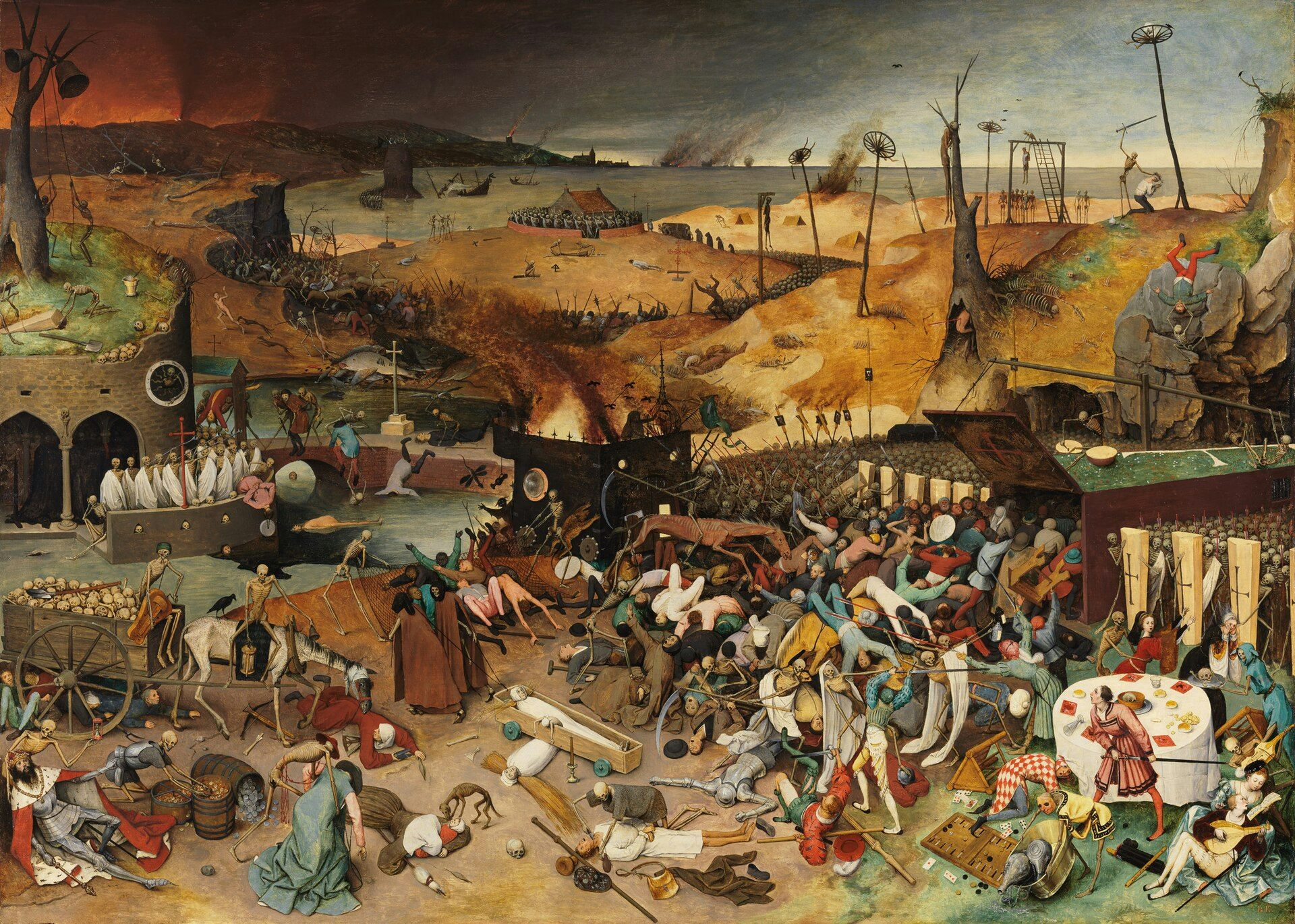
Given the sheer scale, many historians have focused on discovering details about those who died. Yet this has left the histories of those who contracted plague and recovered largely untold.
نظراً للحجم الهائل، ركز العديد من المؤرخين على اكتشاف تفاصيل عن أولئك الذين ماتوا. ومع ذلك، فقد تركت هذه الأبحاث تاريخ أولئك الذين أصيبوا بالطارئ وتعافوا غير مروي إلى حد كبير.
Despite the deadliness of the disease, it was possible to recover from plague, and medieval chroniclers mention the possibility – however unlikely – of survival. For example, Geoffrey le Baker, a clerk of Swinbrook in Oxfordshire, wrote in the following decade that he thought recovery depended on people’s symptoms:
على الرغم من فتك المرض، كان من الممكن التعافي من الطاعون، وذكر المؤرخون القروسطيون إمكانية البقاء على قيد الحياة – على الرغم من عدم احتمالية ذلك – للنجاة. على سبيل المثال، كتب جيفري ليك بيكر، وهو كاتب في سوينبروك في أكسفوردشاير، في العقد التالي أنه اعتقد أن التعافي يعتمد على أعراض الناس:
People who one day had been full of happiness, on the next were found dead. Some were tormented by boils which broke out suddenly in various parts of the body, and were so hard and dry that when they were lanced hardly any liquid flowed out. Many of these people escaped, by lancing the boils or by long suffering. Other victims had little black pustules scattered over the skin of the whole body. Of these people very few, indeed hardly any, recovered life and health.
الأشخاص الذين كانوا مليئين بالسعادة يوماً ما، وجدوا في اليوم التالي ميتين. عانى البعض من بثور انفجرت فجأة في أجزاء مختلفة من الجسم، وكانت صلبة وجافة لدرجة أنه عندما تم شقها، لم يتدفق سوى القليل من السائل. نجا الكثير من هؤلاء الأشخاص عن طريق شق الثورات أو المعاناة الطويلة. كان بعض الضحايا الآخرين لديهم بقع سوداء قليلة منتشرة على جلد الجسم بأكمله. من هؤلاء الأشخاص، لم يتعافَ سوى القليل جداً، بل بالكاد أي شيء، من الحياة والصحة.
But who recovered? Why did so many succumb to the disease when others survived? And just how long was this “long suffering”? Unfortunately, there is remarkably little documentary evidence because most medieval sources record information about mortality rather than ill health.
ولكن من الذي تعافى؟ لماذا استسلم الكثيرون للمرض بينما نجا آخرون؟ وكم من الوقت كانت هذه “المعاناة الطويلة”؟ للأسف، هناك أدلة وثائقية قليلة بشكل ملحوظ لأن معظم المصادر القروسطية تسجل معلومات عن الوفيات بدلاً من سوء الصحة.
Unique list of plague survivors
قائمة فريدة من الناجين من الطاعون
A unique inclusion in the account of the manor of Warboys details a group of people who fell ill between the end of April and the start of August 1349. The monks of Ramsey Abbey wrote a list of their tenants who had fallen sufficiently sick that they could not work on the lord’s lands and detailed the length of time that they were absent.
يُعد هذا الإدراج فريدًا في سجلات قصر واربويس، حيث يوضح مجموعة من الأشخاص الذين مرضوا بين نهاية أبريل وبداية أغسطس عام 1349. كتب رهبان دير رامسي قائمة من رعاياهم الذين أصابهم مرض كافٍ بحيث لم يتمكنوا من العمل في أراضي السيد، ووضحوا المدة التي كانوا غائبين فيها.
People were clearly affected differently by their experience of plague.
تأثر الناس بشكل مختلف بمرورهم بتجربة الطاعون.
The quickest recovery was that of Henry Broun who missed just a single week of work. By contrast, John Derworth and Agnes Mold had much more protracted illnesses and were both absent for nine weeks.
كان أسرع تعافٍ هو تعافٍ هنري براون الذي تغيب عن العمل لأسبوع واحد فقط. في المقابل، عانى جون ديروورث وأغنيس مولد من أمراض أطول وأكثر استمرارًا، وكان كلاهما غائبين لمدة تسع أسابيع.
The average length of illness was between three and four weeks, with three-quarters of people returning to work in under a month. The speed of their recoveries is all the more surprising given that they were entitled to up to a year and a day of sick leave from work.
كان متوسط مدة المرض بين ثلاثة وأربعة أسابيع، وعاد ثلاثة أرباع الناس إلى العمل في أقل من شهر. إن سرعة تعافيهم أكثر إثارة للدهشة بالنظر إلى أنهم كانوا يحق لهم إجازة مرضية تصل إلى عام ويوم من العمل.
This list of survivors includes a preponderance of tenants who occupied larger holdings on the manor. It has long been debated by historians and archaeologists whether the plague killed indiscriminately, with no regard to status, sex or age, or whether the poor and elderly were more vulnerable.
تتضمن قائمة الناجين غالبية من المستأجرين الذين شغلوا مساحات أكبر في القصر. وقد نوقش منذ فترة طويلة من قبل المؤرخين وعلماء الآثار ما إذا كان الطاعون قد قتل بلا تمييز، دون اعتبار للمكانة أو الجنس أو العمر، أو ما إذا كان الفقراء وكبار السن أكثر عرضة للخطر.
The survival of so many wealthier tenants could indicate that their higher living standards enabled them to recover more readily than their poorer neighbours, perhaps because they were able to stave off secondary infections and complications. We should not read any significance into the fact that 19 out of the 22 people were men: this reflects the gender bias of manorial landholding rather than any sex-selectivity of plague.
قد يشير بقاء العديد من المستأجرين الأكثر ثراءً إلى أن مستويات معيشتهم الأعلى مكنتهم من التعافي بشكل أسرع من جيرانهم الأفقر، ربما لأنهم تمكنوا من تفادي العدوى والمضاعفات الثانوية. لا ينبغي أن نأخذ أي دلالة من حقيقة أن 19 من أصل 22 شخصًا كانوا رجالًا: فهذا يعكس التحيز الجندري في حيازة الأراضي الإقطاعية بدلاً من أي انتقائية جنسية للطاعون.
Although 22 people may not seem like many, in a regular year during the 1340s, only two or three absences were recorded during the summer months. It, therefore, represents a tenfold increase in regular illnesses on the manor. Put another way, these sick tenants were absent for 91 weeks’ worth of labour services during just a 13-week period.
على الرغم من أن 22 شخصًا قد لا يبدون كثرًا، إلا أنه في سنة عادية خلال أربعينيات القرن الرابع عشر، تم تسجيل غياب شخصين أو ثلاثة فقط خلال أشهر الصيف. وبالتالي، يمثل هذا زيادة بعشرة أضعاف في الأمراض العادية في القصر. بعبارة أخرى، كان هؤلاء المستأجرون المرضى غائبين لمدة 91 أسبوعًا من خدمات العمل خلال فترة 13 أسبوعًا فقط.
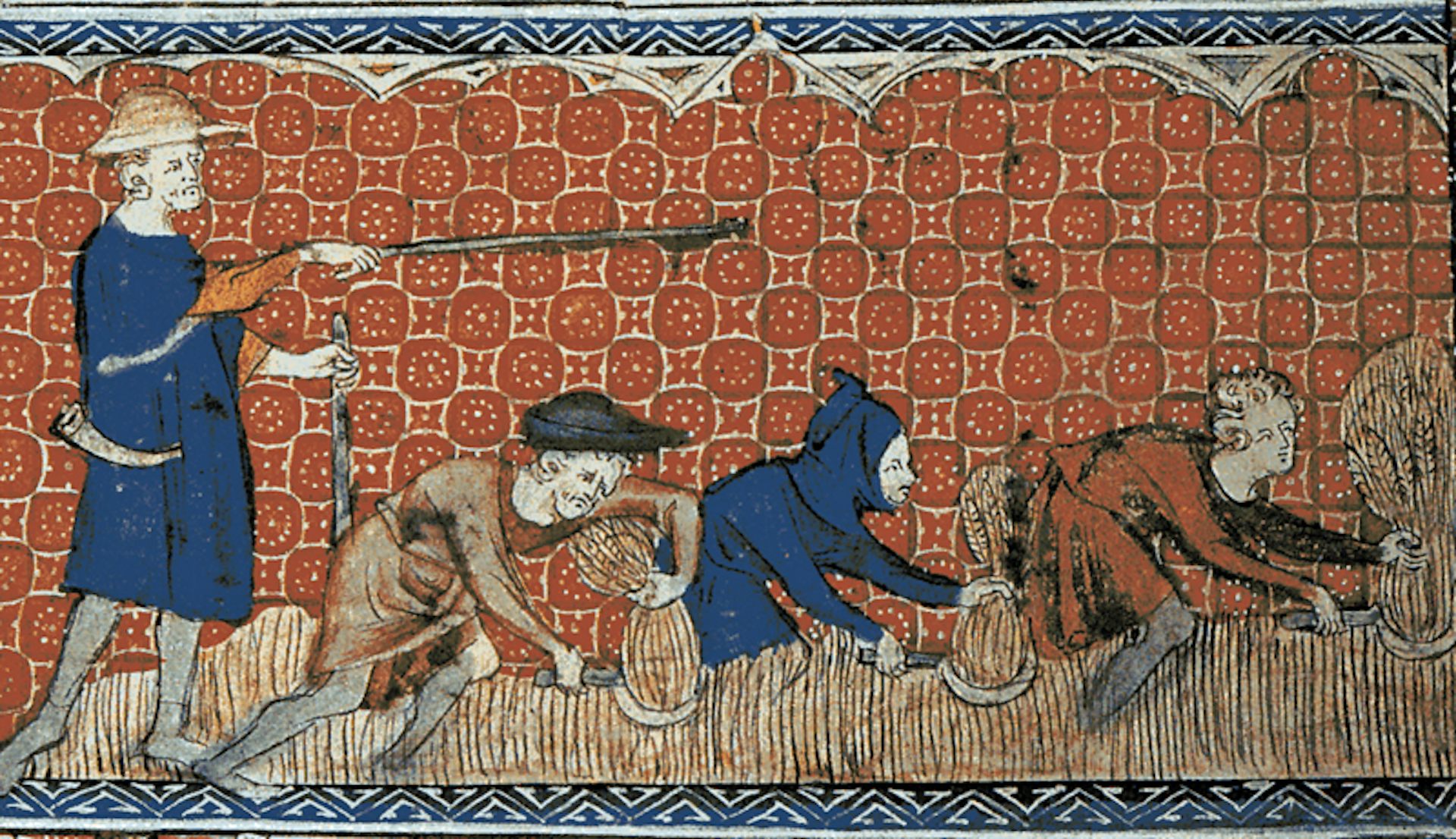
Our understanding of the impact of the Black Death has been influenced by the appalling scale of death. Yet it is only when we add those who fell ill and recovered back into the picture that we can truly understand the seismic shock the pandemic had on society. The dead, dying and sick must have considerably outnumbered the living in villages and cities across Europe.
لقد تأثر فهمنا لتأثير الموت الأسود بالنطاق المروع للوفيات. ومع ذلك، لا يمكننا أن نفهم حقًا الصدمة الزلزالية التي سببها الوباء إلا عندما نضيف أولئك الذين مرضوا وتعافوا مرة أخرى إلى الصورة. لا بد أن يكون الموتى والموتون والمرضى قد فاقوا عدد الأحياء بشكل كبير في القرى والمدن في جميع أنحاء أوروبا.
The consequences of this can be seen in medieval accounts and chronicles, one of which records that “there was so great a shortage of servants and labourers that there was no one who knew what needed to be done”. As a result of this combination of high mortality, unprecedented illness and abysmal weather, the two harvests of 1349 and 1350 have been described as the worst experienced in medieval England, worse even than those that caused the great famine of 1315-17.
يمكن رؤية عواقب ذلك في السجلات والكرونيكلات في العصور الوسطى، حيث يسجل أحدها أن “كان هناك نقص كبير في الخدم والعمال لدرجة أنه لم يكن هناك أحد يعرف ما يجب القيام به.” ونتيجة لهذا المزيج من الوفيات المرتفعة والمرض غير المسبوق والطقس الرهيب، وُصفت المحاصيل في عامي 1349 و 1350 بأنها الأسوأ التي شهدتها إنجلترا في العصور الوسطى، وأسوأ حتى من تلك التي تسببت في المجاعة الكبرى في الفترة 1315-17.
This archival discovery allows us to write the history of sickness and recovery back into the Black Death, demonstrating that recovery was possible even during one of the worst pandemics in recorded history.
يكشف هذا الاكتشاف الأرشيفي لنا عن إمكانية كتابة تاريخ المرض والتعافي داخل الموت الأسود، مما يدل على أن التعافي كان ممكنًا حتى خلال واحدة من أسوأ الأوبئة المسجلة في التاريخ.
This new evidence reveals the remarkable resilience of medieval peasants. Many of them lay languishing on their sickbeds, exhibiting buboes (the painful, swollen and inflamed lymph nodes on the groin and neck that were typical of the Black Death) , vomiting blood and wracked by fevers and not only survived but returned to work in just a few short weeks.
تكشف هذه الأدلة الجديدة عن المرونة المذهلة للفلاحين في العصور الوسطى. العديد منهم كانوا يتربصون على أسِرّتهم المريضة، ويظهرون عقدًا مؤلمة ومتورمة وملتهبة في الغربتين والرقبة كانت نموذجية للموت الأسود، ويتقيأون الدم ويتأثرون بالحمى، ولم ينجوا فحسب، بل عادوا إلى العمل في غضون بضعة أسابيع قصيرة فقط.
Research for this article was conducted thanks to funding from a Leverhulme Trust research project grant, ‘Modelling the Black Death and Social Connectivity in Medieval England’.
تم إجراء البحث لهذه المقالة بفضل التمويل من منحة مشروع بحثي من صندوق ليفرهولم، بعنوان “نمذجة الموت الأسود والترابط الاجتماعي في إنجلترا في العصور الوسطى.”
Dr Grace Owen is a postdoctoral research associate on the Leverhulme-Trust funded project, ‘Modelling the Black Death and Social Connectivity in Medieval England’.
الدكتورة غريس أوين هي باحثة ما بعد الدكتوراه في مشروع ليفرهولم-ترست الممول، “نمذجة الموت الأسود والترابط الاجتماعي في إنجلترا في العصور الوسطى.”
Read more
-
الكشف عن الإبادة الجماعية المنسية في ناميبيا عبر علم الآثار الجنائي
Unearthing Namibia’s forgotten genocide through forensic archaeology
-

الشعاب المرجانية متصلة سراً عبر المحيطات الشاسعة – وهذا أمر حيوي لبقائها.
Coral reefs are secretly connected across vast oceans – and that’s crucial for their survival