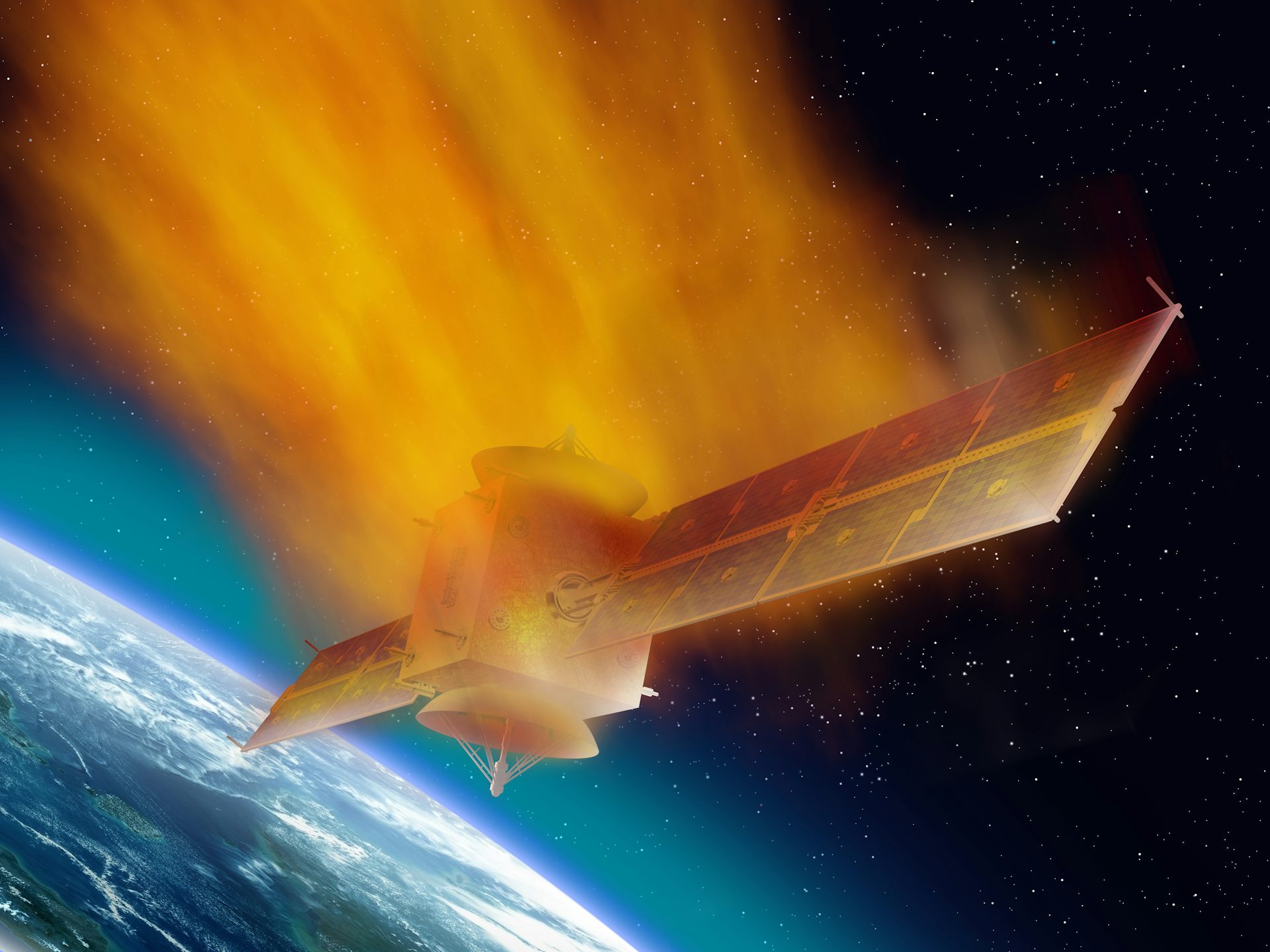
يشكل حطام الفضاء المتساقط خطراً متصاعداً مع تزايد قوة والمركبات الفضائية ومقاومتها للحرارة.
Falling space debris poses an escalating risk as spacecraft get stronger and more heat resistant
Some engineers are prioritizing ‘design for demise’ and planning satellites that are more likely to completely burn up in Earth’s atmosphere at the end of their lifespan.
يعطي بعض المهندسين الأولوية لـ “التصميم للزوال” ويخططون للأقمار الصناعية التي من المرجح أن تحترق بالكامل في الغلاف الجوي للأرض عند نهاية عمرها الافتراضي.
When it comes to space debris, what goes up is coming down more often – and not safely.
عندما يتعلق الأمر بحطام الفضاء، فإن ما يصعد ينزل بشكل متكرر – وليس بأمان.
When spacecraft launch, some components, including nonreusable rocket boosters, are jettisoned to decrease weight, leaving them to intentionally burn up as they reenter the atmosphere. Satellites also enter the atmosphere at the end of their life, supposedly burning up. But in many cases, they are not doing so as predicted.
عند إطلاق المركبات الفضائية، يتم التخلص من بعض المكونات، بما في ذلك دافعات الصواريخ غير القابلة لإعادة الاستخدام، لتقليل الوزن، وتركها لحرقها عمداً أثناء إعادة دخولها إلى الغلاف الجوي. كما تدخل الأقمار الصناعية الغلاف الجوي في نهاية عمرها، ويُفترض أنها تحترق. ولكن في العديد من الحالات، لا يحدث ذلك كما هو متوقع.
Debris from partially burned-up spacecraft components and satellites reentering Earth’s atmosphere can pose a risk to people and structures on the ground. The surge in launches, driven largely by private players such as SpaceX, is turning a once-remote risk into a growing threat.
يمكن أن يشكل الحطام الناتج عن المكونات وقطع غيار المركبات الفضائية المحترقة جزئياً والأقمار الصناعية التي تعود إلى الغلاف الجوي للأرض خطراً على الناس والمنشآت على الأرض. إن الزيادة في عمليات الإطلاق، التي تقودها إلى حد كبير الجهات الخاصة مثل سبيس إكس (SpaceX) ، تحوّل خطراً كان بعيد المنال في السابق إلى تهديد متنامٍ.
Our materials research group at the University of Wisconsin-Stout is studying the materials that allow reentry debris to survive. We look for ways to safely modify their exceptional heat-resistant qualities to make them safer for atmospheric reentry.
تبحث مجموعة أبحاث المواد لدينا في جامعة ويسكونسن-ستوت في المواد التي تسمح لحطام إعادة الدخول بالبقاء على قيد الحياة. نحن نبحث عن طرق لتعديل خصائصها الحرارية الاستثنائية بأمان لجعلها أكثر أماناً لإعادة الدخول الجوي.
Debris landing on Earth
الحطام يهبط على الأرض
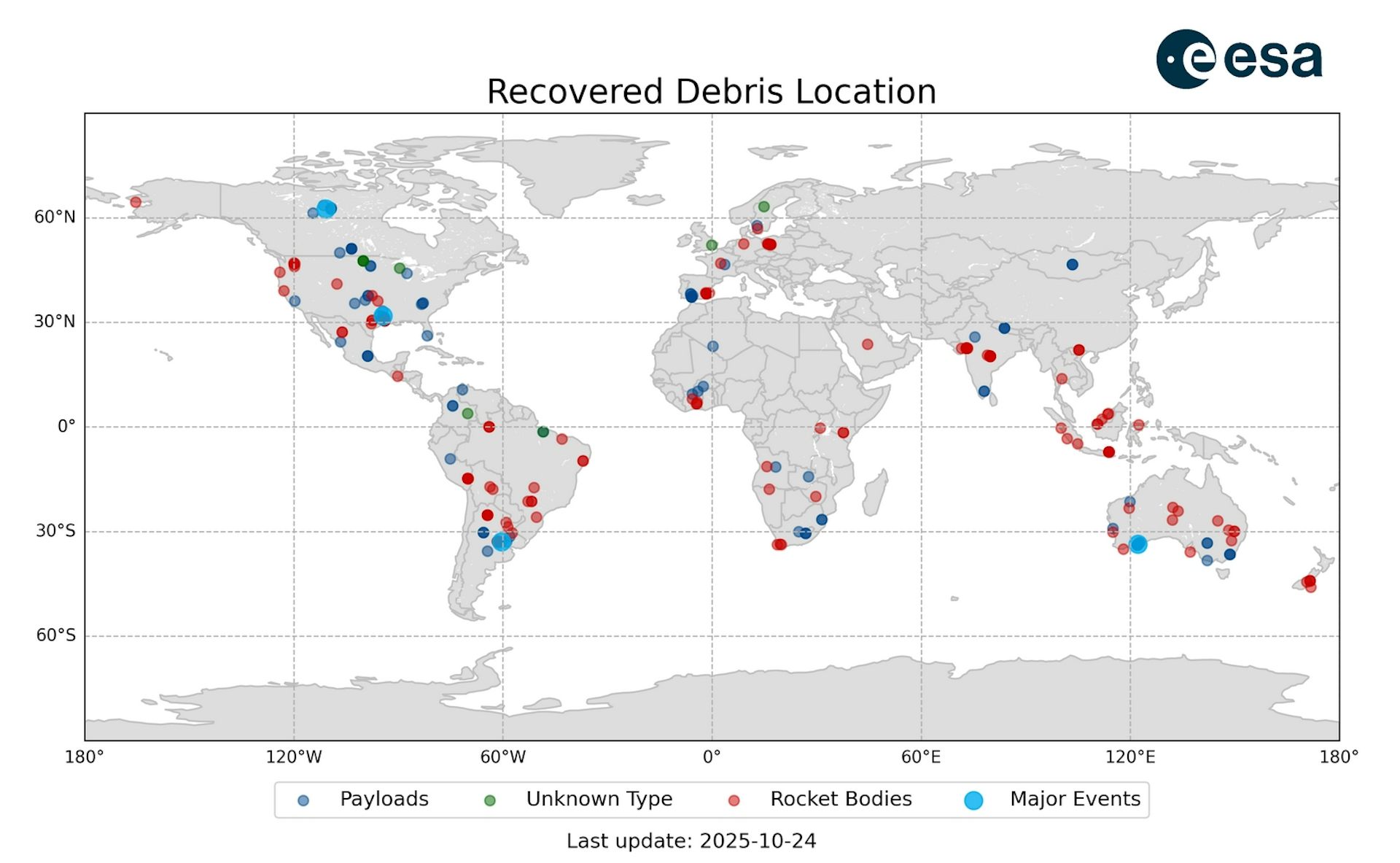
Reentry debris has fallen on both private and public property around the world multiple times since 2021. Some of the most notable events involve pieces from SpaceX Dragon’s carbon fiber trunk, which stays attached to the crewed capsule until just hours before its reentry. These trunks are larger than a 15-passenger van and used for storage.
لقد سقط حطام العودة على الغلاف الجوي على ممتلكات خاصة وعامة في جميع أنحاء العالم عدة مرات منذ عام 2021. تشمل بعض الأحداث الأكثر أهمية قطعًا من هيكل ألياف الكربون لمركبة دراجون التابعة لشركة SpaceX، والتي تظل ملتصقة بالكبسولة المأهولة حتى قبل ساعات فقط من إعادة دخولها إلى الغلاف الجوي. هذه الهياكل أكبر من شاحنة نقل ركاب تتسع لخمسة عشر راكب وتُستخدم للتخزين.
Trunk debris from the Crew 7 mission to the International Space Station has landed in North Carolina, and fragments from the Crew 1 mission landed in New South Wales, Australia. Similarly, debris from the Axiom 3 mission landed in Saskatchewan, Canada.
لقد هبطت حطام الهياكل من مهمة الطاقم 7 إلى محطة الفضاء الدولية في نورث كارولينا، والكسور من مهمة الطاقم 1 في نيو ساوث ويلز، أستراليا. وبالمثل، هبطت حطام مهمة أكسيوم 3 في ساسكاتشوان، كندا.
In addition to trunk debris, carbon fiber components that hold pressurized gases to adjust a spacecraft’s orientation also make up a lot of recovered reentry debris. Some of these most recent recoveries have been in Australia, Argentina and Poland.
بالإضافة إلى حطام الهياكل، فإن مكونات ألياف الكربون التي تحافظ على الغازات المضغوطة لتعديل اتجاه المركبة الفضائية تشكل أيضًا الكثير من حطام العودة المستعاد. كانت بعض هذه الاستردادات الأحدث في أستراليا والأرجنتين وبولندا.
Most of the debris that reenters the atmosphere burns up, so why are these pieces making it down to Earth’s surface?
يحترق معظم الحطام الذي يعود إلى الغلاف الجوي، فلماذا تصل هذه القطع إلى سطح الأرض؟
Atmospheric reentry
إعادة الدخول إلى الغلاف الجوي
Satellites such as SpaceX’s Starlink reside in low Earth orbit, typically between 190 and 1,240 miles (300 and 2000 kilometers) above the Earth’s surface. To stay there, they need to move really fast, at about 17,000 miles (27,000 km) per hour. To reach this speed, a rocket with a million pounds of fuel had to accelerate it, and part of this energy is still contained within the satellite’s momentum.
تقيم الأقمار الصناعية مثل ستارلينك التابعة لشركة SpaceX في مدار أرضي منخفض، وعادة ما يكون ذلك بين 190 و 1,240 ميل (300 و 2000 كيلومتر) فوق سطح الأرض. للبقاء هناك، تحتاج إلى التحرك بسرعة كبيرة، حوالي 17,000 ميل (27,000 كم) في الساعة. للوصول إلى هذه السرعة، كان على صاروخ يحمل مليون رطل من الوقود تسريعه، ولا تزال جزء من هذه الطاقة محتواة في زخم القمر الصناعي.
As an object in orbit drifts down, closer to Earth’s upper atmosphere, it starts to collide with air molecules, slowing the object down. The amount of heat generated from this interaction rapidly consumes the satellite, melting metal at over 3,000 degrees Fahrenheit (1,600 degrees Celsius) .
عندما ينجرف الجسم في المدار إلى الأسفل، أقرب إلى الغلاف الجوي العلوي للأرض، يبدأ في الاصطدام بجزيئات الهواء، مما يبطئ الجسم. الكمية من الحرارة الناتجة عن هذا التفاعل تستهلك القمر الصناعي بسرعة، وتذيب المعدن عند أكثر من 3,000 درجة فهرنهايت (1,600 درجة مئوية) .
More launches
إطلاقات أكثر
Countries around the world have been launching items into space since the 1950s, so why is reentry a concern now?
لقد كانت الدول في جميع أنحاء العالم تطلق مواد إلى الفضاء منذ الخمسينيات، فلماذا يُعد الدخول مجدداً مصدر قلق الآن؟
Starting in the 1960s, about 100 objects were launched into space every year – or at least that was the case until 2016. Since then, the number has been increasing exponentially. In 2016, 200 objects launched. But in 2025, that number was 4,500, meaning 20% of all objects launched into space since the 1950s were launched last year.
بدءاً من الستينيات، تم إطلاق حوالي 100 جسم كل عام إلى الفضاء – أو على الأقل كانت هذه هي الحالة حتى عام 2016. ومنذ ذلك الحين، كان العدد يزداد بشكل أُسّي. في عام 2016، تم إطلاق 200 جسم. ولكن في عام 2025، كان هذا العدد 4,500، مما يعني أنه تم إطلاق 20% من جميع الأجسام التي دخلت الفضاء منذ الخمسينيات في العام الماضي.
Most of these launches came from companies in the United States, such as SpaceX and Rocket Labs. Companies like these, along with those outside of the U.S., have plans for large satellite constellations composed of hundreds of thousands to a million satellites.
جاءت معظم هذه الإطلاقات من شركات في الولايات المتحدة، مثل سبيس إكس ومختبرات الصواريخ. لدى هذه الشركات، بالإضافة إلى تلك الموجودة خارج الولايات المتحدة، خطط لتكوين كوكبات ساتلية كبيرة تتكون من مئات الآلاف إلى مليون قمر صناعي.
The more objects and payloads launched, the more reentry events occur. Satellite operators are required to remove their decommissioned satellites from orbit after 25 years to comply with regulations set in place by international committees. Groups across the world, including the Federal Communications Commission in the U.S., have pushed to shorten the deorbit window to five years. Because of these guidelines, the full influx of reentry debris events from these recent launches will not be felt for another 10 or more years.
كلما زادت الأجسام والأحمال التي يتم إطلاقها، زادت أحداث الدخول مجدداً. يُطلب من مشغلي الأقمار الصناعية إزالة أقمارهم الصناعية التي تم إيقاف تشغيلها من المدار بعد 25 عاماً للامتثال للوائح التي وضعتها اللجان الدولية. دفعت مجموعات في جميع أنحاء العالم، بما في ذلك لجنة الاتصالات الفيدرالية في الولايات المتحدة، إلى تقصير نافذة الإخراج إلى خمس سنوات. وبسبب هذه الإرشادات، لن تُشعر بالتدفق الكامل لأحداث حطام الدخول مجدداً من هذه الإطلاقات الأخيرة لمدة 10 سنوات أو أكثر.
The objects launched and policy decisions made today will have a lasting effect on future safety.
الأجسام التي تم إطلاقها وقرارات السياسة المتخذة اليوم سيكون لها تأثير دائم على السلامة المستقبلية.
Carbon fiber
ألياف الكربون
As the world has progressed technologically, efficiency for launching items into space has too.
مع تقدم العالم تكنولوجياً، تحسنت أيضاً كفاءة إطلاق الأشياء إلى الفضاء.
Satellites and spacecraft are becoming lighter, stronger and more heat resistant because of materials such as carbon fiber-reinforced plastics and new metals. These strong materials are sought after because they’re lightweight, but they can also cause deorbiting debris to withstand reentry temperatures.
أصبحت الأقمار الصناعية والمركبات الفضائية أخف وزناً وأقوى ومقاومة للحرارة بسبب مواد مثل البلاستيك المقوى بألياف الكربون والمعادن الجديدة. هذه المواد القوية مرغوبة لأنها خفيفة الوزن، ولكن يمكنها أيضاً أن تجعل الحطام الخارج من المدار يتحمل درجات حرارة إعادة الدخول.
Carbon fiber, once used exclusively in space technology, is now found in common items such as bicycle frames and racing car bodies. It is still the gold standard for fabricating high-strength, low-weight materials for spacecraft components such as rocket fuselages, interstaging – the protective housing found between the rocket stages – and pressure vessels that experience extreme temperatures and high mechanical stress and strain.
ألياف الكربون، التي كانت تستخدم حصرياً في تكنولوجيا الفضاء، توجد الآن في مواد شائعة مثل هياكل الدراجات وأجسام السيارات السباقية. ولا تزال المعيار الذهبي لتصنيع المواد عالية القوة وذات الوزن المنخفض لمكونات المركبات الفضائية مثل جسم الصواريخ، والمراحل الوسيطة – الغلاف الواقي الموجود بين مراحل الصاروخ – ووعاءات الضغط التي تتعرض لدرجات حرارة قصوى وإجهاد وضغط ميكانيكي عالٍ.
Simple metals such as aluminum and steel melt and burn away, while complex materials such as carbon fiber, which is manufactured at up to 5,000 F (3,000 C) , burn away unpredictably, changing the way jettisoned components break up upon reentry.
تذوب وتشتعل المعادن البسيطة مثل الألومنيوم والصلب، بينما تحترق المواد المعقدة مثل ألياف الكربون، التي يتم تصنيعها في درجات حرارة تصل إلى 5000 درجة فهرنهايت (3000 درجة مئوية) ، بطريقة غير متوقعة، مما يغير طريقة تفتت المكونات عند إعادة الدخول.
Since the early 2000s, a majority of recovered space debris contains either carbon fiber-reinforced plastic sections or metal components wrapped with carbon fiber. The carbon fiber can act as an unintentional heat shield for heavier, more harmful debris.
منذ أوائل العقد الأول من القرن الحادي والعشرين، يحتوي معظم الحطام الفضائي المستعاد إما على أقسام من البلاستيك المقوى بألياف الكربون أو مكونات معدنية ملفوفة بألياف الكربون. يمكن أن تعمل ألياف الكربون كدرع حراري غير مقصود للحطام الأثقل والأكثر ضرراً.
Design For demise
التصميم من أجل الزوال
Design for demise is a major area of research focused on mitigating the risk of reentry debris. Instead of relying on controlled and meticulously timed deorbits that send components that survive reentry into the ocean at the end of their lives, spacecraft components are engineered to ensure they completely disintegrate while deorbiting through the atmosphere.
التصميم من أجل الزوال هو مجال بحث رئيسي يركز على تخفيف خطر حطام إعادة الدخول. بدلاً من الاعتماد على عمليات خفض المدار المتحكم بها والموقوتة بدقة التي ترسل المكونات التي تنجو من إعادة الدخول إلى المحيط في نهاية حياتها، يتم تصميم مكونات المركبات الفضائية لضمان تفككها بالكامل أثناء خفض المدار عبر الغلاف الجوي.
Design for demise can take many forms. These range from changing to more heat-susceptible materials to relocating harder-to-burn components to areas of the spacecraft that will be hotter during reentry, or using linkages that break apart at high temperatures to separate structures into smaller components to help them burn up.
يمكن أن يتخذ التصميم من أجل الزوال أشكالاً عديدة. تتراوح هذه الأشكال من تغيير المواد إلى مواد أكثر حساسية للحرارة، أو نقل المكونات التي يصعب حرقها إلى مناطق في المركبة الفضائية ستكون أكثر سخونة أثناء إعادة الدخول، أو استخدام وصلات تنكسر عند درجات الحرارة العالية لفصل الهياكل إلى مكونات أصغر للمساعدة في احتراقها.
With so much focus historically on spacecraft being made from the lightest, strongest and most heat-resistant materials available, it may seem counterintuitive to intentionally make some materials weaker. The key is making materials smarter, so they maintain their strength during their mission but weaken under the heat of reentry.
مع التركيز التاريخي الكبير على أن المركبات الفضائية تُصنع من أخف وأقوى وأكثر المواد مقاومة للحرارة المتاحة، قد يبدو من غير البديهي جعل بعض المواد أضعف عمداً. المفتاح هو جعل المواد أذكى، بحيث تحافظ على قوتها أثناء مهمتها ولكن تضعف تحت حرارة إعادة الدخول.
Matthew Ray’s lab is developing and working toward patenting a system to decrease risk from future carbon fiber based reentry debris.
يعمل مختبر ماتيو راي على تطوير وبذل الجهود للحصول على براءة اختراع لنظام لتقليل المخاطر من حطام إعادة الدخول المستقبلي القائم على ألياف الكربون.
Reese Hufnagel conducts research on space debris and is developing ways to make future carbon composites safer for use in orbit.
يجري ريس هوفناجيل أبحاثاً حول حطام الفضاء ويطور طرقاً لجعل المركبات المركبة من الكربون المستقبلية أكثر أماناً للاستخدام في المدار.
Read more
-
فيروس الهانتال (Hantavirus) يختلف كثيراً عن كوفيد (COVID). وإليك سبب عدم تسبب “فيروس الأنديز” في الوباء القادم.
Hantavirus is very different to COVID. Here’s why the ‘Andes virus’ won’t cause the next pandemic
-
أبولونيا: قصة مملكة أفريقية قاومت تجارة الرقيق الأطلسية
Appolonia: the story of an African kingdom that resisted the Atlantic slave trade