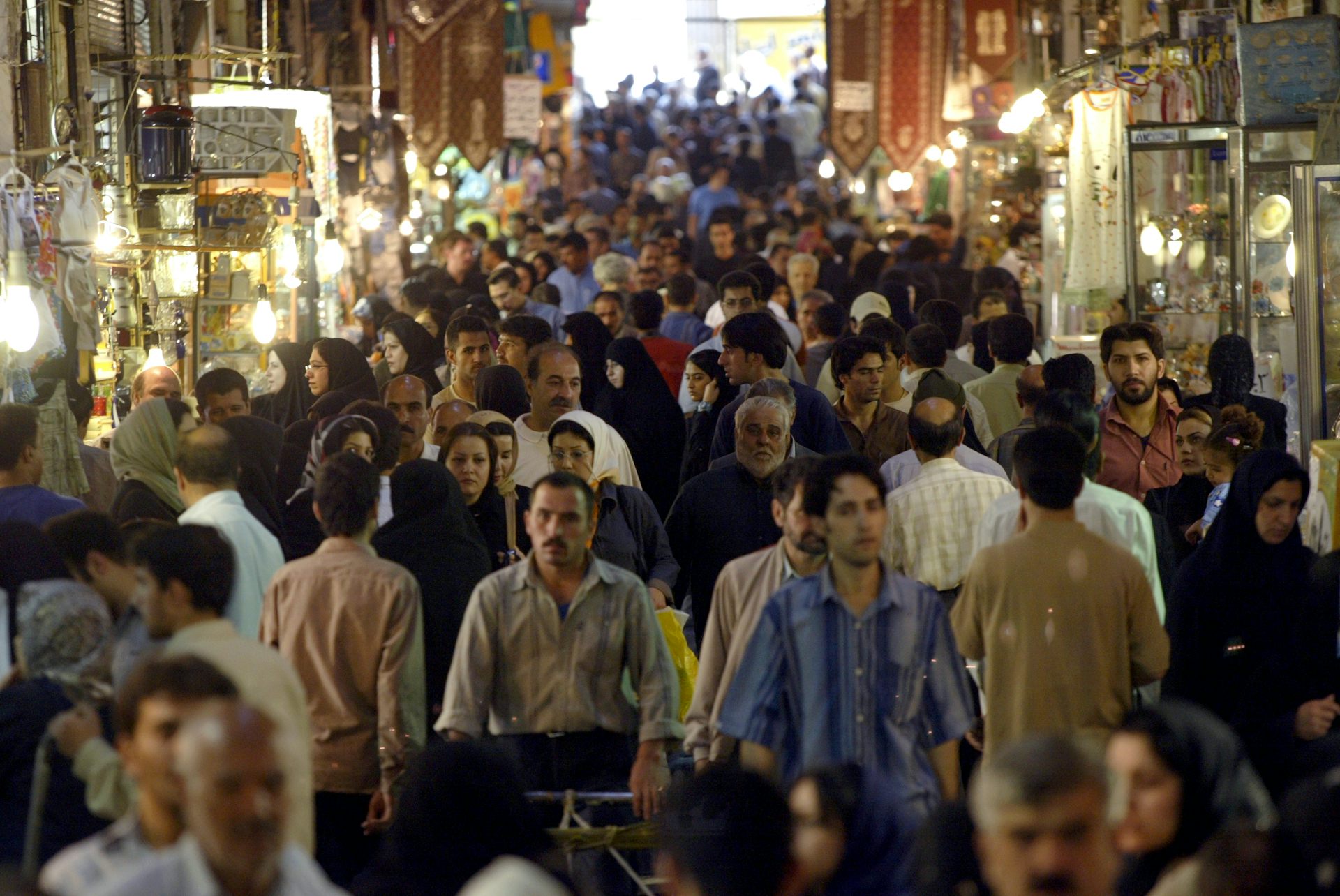
‘Sin miedo a leones rugientes’: Irán tiene una larga historia de mantenerse firme contra agresores externos
‘No fear of roaring lions’: Iran has a long history of standing firm against outside aggressors
At every difficult moment in their long history, the Persian people have fought to preserve what is theirs. The Trump administration may have underestimated this.
En cada momento difícil de su larga historia, el pueblo persa ha luchado para preservar lo que es suyo. La administración Trump pudo haber subestimado esto.
US President Donald Trump’s threats against Iran since the war began have targeted not just the country’s military capabilities, but its entire civilisation.
Las amenazas del presidente estadounidense Donald Trump contra Irán desde que comenzó la guerra han apuntado no solo a las capacidades militares del país, sino a toda su civilización.
In recent days, he has threatened that Iran would be “blown off the face of the earth” if it attacks US ships trying to reopen the Strait of Hormuz.
En días recientes, ha amenazado que Irán sería «barrido de la faz de la Tierra» si ataca a buques estadounidenses que intentan reabrir el estrecho de Ormuz.
He’s previously pledged to send Iran back to the “Stone Age”, and warned that “a whole civilisation will die tonight, never to be brought back again”.
Anteriormente se ha comprometido a devolver a Irán a la «Edad de Piedra», y advirtió que «toda una civilización morirá esta noche, sin nunca poder recuperarse.»
These statements show not only extreme belligerence, but Trump’s complete lack of understanding of Iran’s long, resilient culture and civilisation and the fortitude of its people.
Estas declaraciones muestran no solo una extrema beligerancia, sino también la completa falta de comprensión de Trump sobre la larga y resiliente cultura y civilización de Irán, y la fortaleza de su gente.
Iran has been subjected to much internal strife and foreign power intervention, but it has never been colonised or subjugated. At every difficult moment in their history, Iranians have fought to preserve what is theirs.
Irán ha sido sometido a muchas luchas internas y a la intervención de potencias extranjeras, pero nunca ha sido colonizado ni subyugado. En cada momento difícil de su historia, los iraníes han luchado para preservar lo que es suyo.
Persian influence in ancient Greece and Rome
Influencia persa en la antigua Grecia y Roma
Since the Greco-Persian Wars (499 BCE) , Persia has served as the West’s ultimate “other”: a dark and despotic oriental villain menacing an enlightened West.
Desde las Guerras Greco-Persas (499 a.C.) , Persia ha servido como el «otro» definitivo de Occidente: un villano oriental oscuro y despotico que amenaza a un Occidente ilustrado.
This is despite Persia’s return of exiled Jews in Babylon to Jerusalem to rebuild their temple in 538 BCE, and its tolerance of diversity in the world’s first truly multicultural empire.
Esto a pesar del regreso de Persia de judíos exiliados en Babilonia a Jerusalén para reconstruir su templo en el 538 a.C., y su tolerancia a la diversidad en el primer imperio verdaderamente multicultural del mundo.
The victories of a coalition of Greek city-states over the Achaemenid Persian imperial forces at Salamis (480 BCE) and Marathon (490 BCE) are considered pivotal moments in the history of Western civilisation.
Las victorias de una coalición de ciudades-estado griegas sobre las fuerzas imperiales persas aqueménidas en Salamina (480 a.C.) y Maratón (490 a.C.) son consideradas momentos cruciales en la historia de la civilización occidental.
Yet this was just a minor setback for Persia. In fact, Persia continued to play a decisive role in Greek affairs. Persian gold helped Sparta defeat Athens in the Peloponnesian War (431–404 BCE) , and Persia was often the most important mediator in Greek affairs.
Sin embargo, este fue solo un revés menor para Persia. De hecho, Persia continuó desempeñando un papel decisivo en los asuntos griegos. El oro persa ayudó a Esparta a derrotar a Atenas en la Guerra del Peloponeso (431-404 a.C.) , y Persia fue a menudo el mediador más importante en los asuntos griegos.
The Parthian and Sasanian Empires that followed the Achaemenids in Persia then challenged the Romans.
Los imperios Parto y Sasánida que siguieron a los aqueménidas en Persia desafiaron entonces a los romanos.
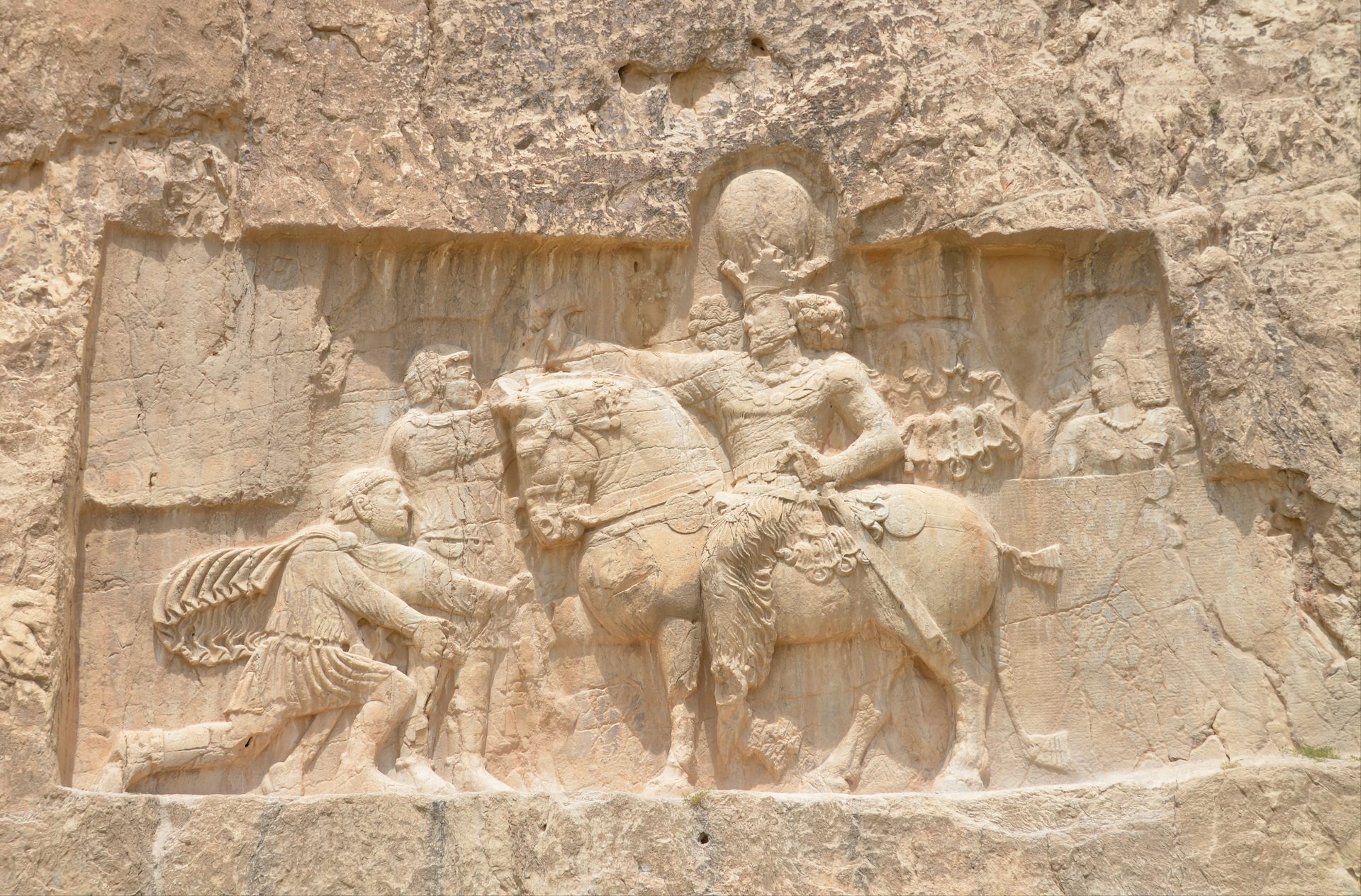
In 260 CE, Sasanian Emperor Shapur I captured Roman Emperor Valerian in battle – an unprecedented act. A century later, Shapur II’s army fought off an attempted invasion by Emperor Julian, killing him in the process.
En el 260 d.C., el emperador sasánida Shapur I capturó al emperador romano Valeriano en batalla, un acto sin precedentes. Un siglo después, el ejército de Shapur II repelió un intento de invasión del emperador Juliano, matándolo en el proceso.
Western triumphal narratives tend to forget that Persia repeatedly humbled the greatest Western empire in ancient times.
Las narrativas triunfales occidentales tienden a olvidar que Persia humilló repetidamente al mayor imperio occidental en la antigüedad.
Surviving invasions from the east and west
Supervivencia de invasiones desde el este y el oeste
Alexander the Great conquered Persia militarily. However, he embraced Persian culture, which outlasted Greek influence in the region.
Alejandro Magno conquistó Persia militarmente. Sin embargo, adoptó la cultura persa, la cual superó la influencia griega en la región.
The advent of Islam did not extinguish Persia’s civilisation or resilience, either. Islamic leaders preserved Persian language and culture, kept pre-Islamic festivals such as Nowruz (the 3,000-year-old Persian New Year) , and adapted Zoroastrian concepts into Shiite Islam’s emphasis on resistance to tyranny.
El advenimiento del Islam tampoco extinguió la civilización o la resiliencia de Persia. Los líderes islámicos preservaron el idioma y la cultura persa, mantuvieron festivales preislámicos como Nowruz (el Año Nuevo persa de 3.000 años) , y adaptaron conceptos zoroastrianos al énfasis del Islam chií en la resistencia a la tiranía.
The Mongols’ multiple invasions (between 1219 and 1258) devastated Iran, yet core elements of Persian civilisation survived. Persian power flourished again, especially under the Safavid dynasty (1501–1736) .
Las múltiples invasiones de los mongoles (entre 1219 y 1258) devastaron Irán, sin embargo, elementos centrales de la civilización persa sobrevivieron. El poder persa floreció de nuevo, especialmente bajo la dinastía Safávida (1501–1736) .
During the Qajar dynasty (1789–1925) , Persia was squeezed by the Anglo-Russian rivalry of Great Game era, but was not subdued.
Durante la dinastía Qajar (1789–1925) , Persia fue apretada por la rivalidad anglo-rusa de la era del Gran Juego, pero no fue subyugada.
During the second world war, Iran was occupied by the British in the oil-rich south and the Soviets in the north. However, both powers pledged, along with the United States, to respect Iran’s sovereignty and withdraw at the end of the war.
Durante la segunda guerra mundial, Irán fue ocupado por los británicos en el sur rico en petróleo y por los soviéticos en el norte. Sin embargo, ambas potencias prometieron, junto con Estados Unidos, respetar la soberanía de Irán y retirarse al final de la guerra.
A turbulent 20th century
Un turbulento siglo XX
This episode rejuvenated Iranian nationalism and prompted a movement to free Iran from traditional major power rivalries and gain control over its own resources. This especially pertained to oil, since the British had controlled Iran’s oil reserves through the Anglo-Iranian Oil Company (AIOC) from the early 19th century.
Este episodio rejuveneció el nacionalismo iraní y propició un movimiento para liberar a Irán de las rivalidades tradicionales de las grandes potencias y obtener el control de sus propios recursos. Esto se refería especialmente al petróleo, ya que los británicos habían controlado las reservas de petróleo de Irán a través de la Anglo-Iranian Oil Company (AIOC) desde principios del siglo XIX.
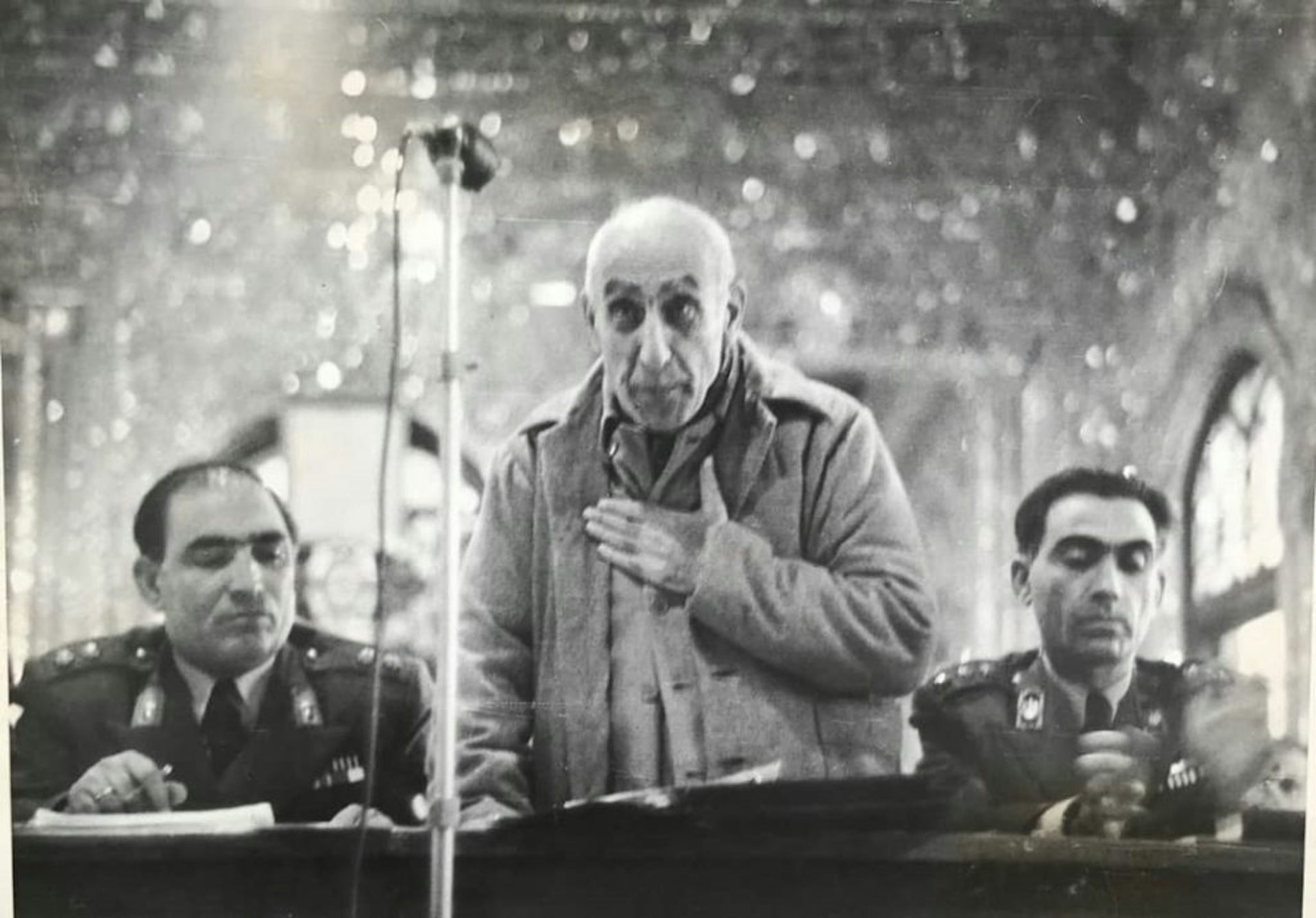
In 1951, a long-time nationalist-reformist, Mohammad Mossadegh, was elected prime minister and promptly nationalised the AIOC, sparking a major dispute with London.
En 1951, Mohammad Mossadegh, un nacionalista-reformista de larga trayectoria, fue elegido primer ministro y nacionalizó rápidamente la AIOC, lo que desató una gran disputa con Londres.
Mossadegh also sought to limit the power of Iran’s monarchy in favour of democratic reforms, causing a conflict with the young, pro-Western Mohammad Reza Shah, who was still the country’s reigning monarch.
Mossadegh también buscó limitar el poder de la monarquía iraní en favor de reformas democráticas, lo que provocó un conflicto con el joven y prooccidental Mohammad Reza Shah, quien seguía siendo el monarca reinante del país.
The shah was forced into exile in 1953, only to be returned to the throne days later when Mossadegh was overthrown in a covert operation by the US Central Intelligence Agency, with MI6’s help. (Fifty years later, US President Barack Obama acknowledged the CIA’s role in the coup.)
El shah fue forzado al exilio en 1953, para ser devuelto al trono días después cuando Mossadegh fue derrocado en una operación encubierta de la Agencia Central de Inteligencia de EE. UU. (CIA) , con la ayuda de MI6. (Cincuenta años después, el presidente estadounidense Barack Obama reconoció el papel de la CIA en el golpe) .
The US backed the shah as a pillar of American hegemony in the Middle East. In return, US oil companies received a 40% share of Iran’s oil industry.
Estados Unidos respaldó al shah como un pilar de la hegemonía estadounidense en Oriente Medio. A cambio, las compañías petroleras estadounidenses recibieron una cuota del 40% de la industria petrolera de Irán.
Yet the shah was able to transform his dependent relationship with the US into one of interdependence. Iran became a pivotal player in the Organisation of Petroleum Exporting Countries (OPEC) , and in the region.
Sin embargo, el shah fue capaz de transformar su relación de dependencia con EE. UU. en una de interdependencia. Irán se convirtió en un actor fundamental en la Organización de Países Exportadores de Petróleo (OPEP) y en la región.
In the wake of the 1973–74 energy crisis, then-US Secretary of State Henry Kissinger warned the United States would react with force if it was “strangled” by a cut in oil deliveries – a veiled message to the shah.
Tras la crisis energética de 1973-74, el entonces Secretario de Estado estadounidense, Henry Kissinger, advirtió que Estados Unidos reaccionaría con fuerza si era «estrangulado» por un recorte en las entregas de petróleo, un mensaje velado para el shah.
The Iranian revolution of 1978–79 then toppled the shah and enabled his chief religious and political opponent, Ayatollah Ruhollah Khomeini, to assume power. Khomeini declared Iran an Islamic Republic with an anti-US and anti-Israel posture.
La revolución iraní de 1978-79 derrocó entonces al shah y permitió que su principal oponente religioso y político, el ayatolá Ruhollah Khomeini, asumiera el poder. Khomeini declaró a Irán como una República Islámica con una postura antiestadounidense y antisionista.
He essentially based his rule in the historic pride Iranians held as a people in charge of their destiny.
Esencialmente, basó su gobierno en el orgullo histórico que los iraníes sentían como pueblo encargado de su propio destino.
Khomeini and his successor, Ayatollah Ali Khamenei sought to entrench Shia political Islamism as the ideological guide and legitimate foundation of the state. But they sought to blend this with the Iranians’ sense of civilisational, cultural and nationalist identity, especially in the face of outside aggression.
Khomeini y su sucesor, el ayatolá Ali Khamenei, buscaron afianzar el islamismo político chií como guía ideológica y fundamento legítimo del estado. Pero buscaron combinar esto con el sentido de identidad civilizatoria, cultural y nacionalista de los iraníes, especialmente ante la agresión externa.
‘Iran is my land’
‘Irán es mi tierra’
The celebrated Persian-speaking poet Abul-Qasim Ferdowsi (940–1020 CE) once said:
El célebre poeta persa Abul-Qasim Ferdowsi (940–1020 EC) dijo una vez:
Iran is my land, and the whole world is under my feet. The people of this land are the possessors of virtue, art and bravery. They have no fear of roaring lions.
Irán es mi tierra, y el mundo entero está bajo mis pies. El pueblo de esta tierra es poseedor de virtud, arte y valentía. No tienen miedo a los leones rugientes.
As Iran’s standoff with the US continues, it appears the regime is prepared for the long haul against yet another military foe.
A medida que continúa el enfrentamiento de Irán con EE. UU., parece que el régimen está preparado para el largo plazo contra otro enemigo militar.
But there is no military solution to the conflict. Diplomacy within the framework of mutual respect and trust is the best way forward. Otherwise, the region and the world may remain captive to an energy and economic crisis that could have been resolved through negotiations, rather than war.
Pero no hay solución militar al conflicto. La diplomacia dentro del marco de respeto y confianza mutuos es el mejor camino a seguir. De lo contrario, la región y el mundo pueden permanecer cautivos de una crisis energética y económica que podría haberse resuelto mediante negociaciones, en lugar de guerra.
As for the future of the Islamic government, that needs to be determined by the Iranian people.
En cuanto al futuro del gobierno islámico, eso debe ser determinado por el pueblo iraní.
The authors do not work for, consult, own shares in or receive funding from any company or organisation that would benefit from this article, and have disclosed no relevant affiliations beyond their academic appointment.
Los autores no trabajan para, consultan, poseen acciones ni reciben financiación de ninguna empresa u organización que se beneficiaría de este artículo, y no han revelado afiliaciones relevantes más allá de su nombramiento académico.
Read more
-
Por qué la cumbre de Nairobi entre África y Francia refleja las prioridades de Macron y Ruto
Why Nairobi Africa-France summit bears the hallmarks of Macron and Ruto priorities
-
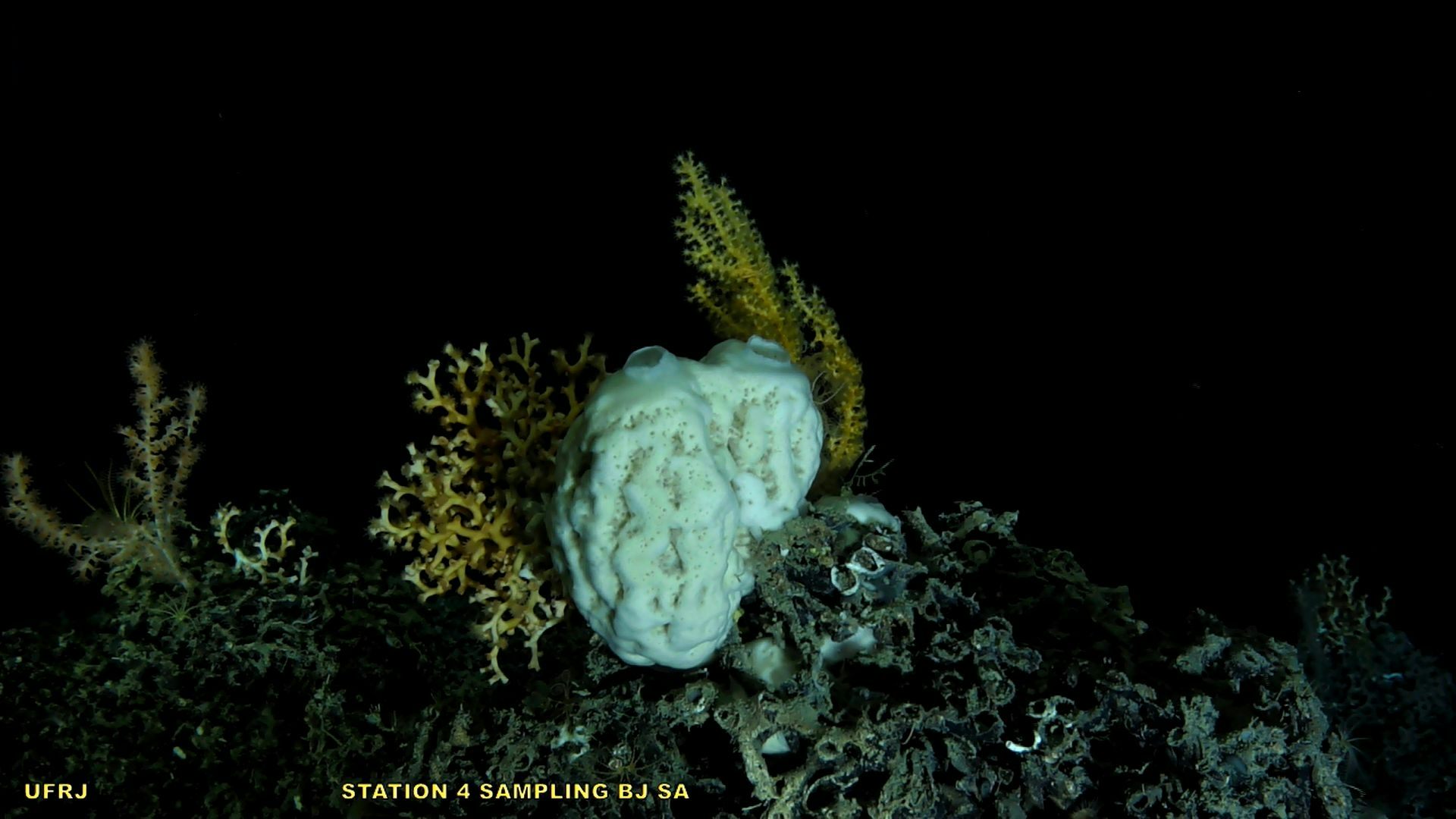
Las esponjas de aguas profundas sobreviven en completa oscuridad de maneras que antes no sabíamos
Deep-sea sponges survive in complete darkness in ways we didn’t know before