“不惧咆哮的狮子”:伊朗在历史上长期以来一直坚守阵地,抵御外部侵略者
‘No fear of roaring lions’: Iran has a long history of …
At every difficult moment in their long history, the Persian people have fought to preserve what is theirs. The Trump administration may have underestimated this.
在其漫长的历史中,波斯人民在每一个艰难的时刻都为维护自己的利益而奋斗。特朗普政府可能低估了这一点。
US President Donald Trump’s threats against Iran since the war began have targeted not just the country’s military capabilities, but its entire civilisation.
美国总统唐纳德·特朗普自战争开始以来对伊朗的威胁,不仅针对该国的军事能力,还针对其整个文明。
In recent days, he has threatened that Iran would be “blown off the face of the earth” if it attacks US ships trying to reopen the Strait of Hormuz.
近日来,他威胁说,如果伊朗攻击试图重新开放霍尔木兹海峡的美国船只,伊朗将被“从地球上抹去”。
He’s previously pledged to send Iran back to the “Stone Age”, and warned that “a whole civilisation will die tonight, never to be brought back again”.
他此前曾承诺将伊朗送回“石器时代”,并警告说“整个文明今晚将会消亡,再也无法恢复”。
These statements show not only extreme belligerence, but Trump’s complete lack of understanding of Iran’s long, resilient culture and civilisation and the fortitude of its people.
这些言论不仅显示出极度的好战性,更显示出特朗普对伊朗悠久、坚韧的文化和文明,以及其人民坚毅精神的完全缺乏了解。
Iran has been subjected to much internal strife and foreign power intervention, but it has never been colonised or subjugated. At every difficult moment in their history, Iranians have fought to preserve what is theirs.
伊朗曾遭受过许多内部动荡和外国干预,但从未被殖民或征服。在其历史的每一个艰难时刻,伊朗人都曾为维护属于自己的东西而奋斗。
Persian influence in ancient Greece and Rome
波斯对古希腊和古罗马的影响
Since the Greco-Persian Wars (499 BCE) , Persia has served as the West’s ultimate “other”: a dark and despotic oriental villain menacing an enlightened West.
自从希波战争(公元前499年)以来,波斯一直充当着西方终极的“他者”:一个威胁着开明西方的黑暗、专制的东方恶棍。
This is despite Persia’s return of exiled Jews in Babylon to Jerusalem to rebuild their temple in 538 BCE, and its tolerance of diversity in the world’s first truly multicultural empire.
尽管波斯曾在公元前538年将流放于巴比伦的犹太人送回耶路撒冷重建他们的圣殿,并且它容忍了世界上第一个真正多元文化的帝国。
The victories of a coalition of Greek city-states over the Achaemenid Persian imperial forces at Salamis (480 BCE) and Marathon (490 BCE) are considered pivotal moments in the history of Western civilisation.
希腊城邦联盟在萨拉米斯(公元前480年)和马拉松(公元前490年)战胜阿契美尼德波斯帝国军队的胜利,被认为是西方文明史上关键的时刻。
Yet this was just a minor setback for Persia. In fact, Persia continued to play a decisive role in Greek affairs. Persian gold helped Sparta defeat Athens in the Peloponnesian War (431–404 BCE) , and Persia was often the most important mediator in Greek affairs.
然而,这对波斯来说只是一个小挫折。事实上,波斯继续在希腊事务中发挥着决定性的作用。波斯黄金帮助斯巴达在伯罗奔尼撒战争(公元前431-404年)中击败了雅典,而波斯经常是希腊事务中最重要的调解人。
The Parthian and Sasanian Empires that followed the Achaemenids in Persia then challenged the Romans.
随后在波斯兴起的帕提亚和萨珊帝国挑战了罗马人。
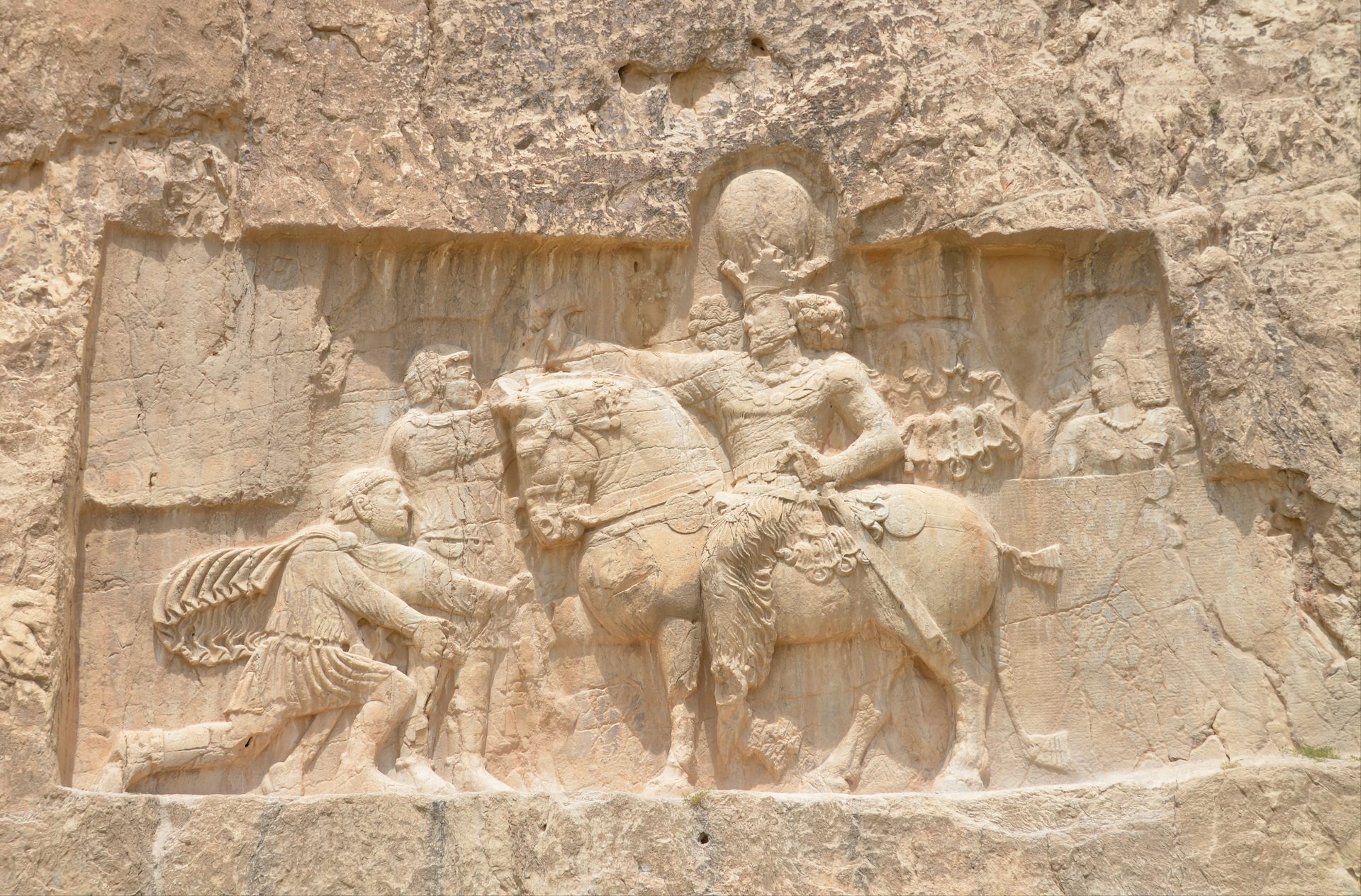
In 260 CE, Sasanian Emperor Shapur I captured Roman Emperor Valerian in battle – an unprecedented act. A century later, Shapur II’s army fought off an attempted invasion by Emperor Julian, killing him in the process.
公元260年,萨珊皇帝沙普尔一世在战役中俘虏了罗马皇帝瓦莱里安——这是史无前例的举动。一个世纪后,沙普尔二世的军队击退了朱利安皇帝的入侵企图,并过程中杀死了他。
Western triumphal narratives tend to forget that Persia repeatedly humbled the greatest Western empire in ancient times.
西方的凯旋叙事往往忘记了波斯多次让古时最伟大的西方帝国俯首称臣。
Surviving invasions from the east and west
抵御来自东西的入侵
Alexander the Great conquered Persia militarily. However, he embraced Persian culture, which outlasted Greek influence in the region.
亚历山大大帝在军事上征服了波斯。然而,他接受了波斯文化,这种文化在当地超越了希腊的影响。
The advent of Islam did not extinguish Persia’s civilisation or resilience, either. Islamic leaders preserved Persian language and culture, kept pre-Islamic festivals such as Nowruz (the 3,000-year-old Persian New Year) , and adapted Zoroastrian concepts into Shiite Islam’s emphasis on resistance to tyranny.
伊斯兰教的到来也没有熄灭波斯的文明或韧性。伊斯兰领袖们保护了波斯语言和文化,保留了诺鲁孜节等前伊斯兰节日(波斯人有三千年历史的新年),并将琐罗亚斯德教的概念融入了什叶派伊斯兰教对抵抗暴政的强调中。
The Mongols’ multiple invasions (between 1219 and 1258) devastated Iran, yet core elements of Persian civilisation survived. Persian power flourished again, especially under the Safavid dynasty (1501–1736) .
蒙古多次入侵(1219年至1258年间)使伊朗饱受破坏,但波斯文明的核心元素得以幸存。波斯力量再次蓬勃发展,特别是在萨法维王朝(1501–1736年)时期。
During the Qajar dynasty (1789–1925) , Persia was squeezed by the Anglo-Russian rivalry of Great Game era, but was not subdued.
在卡扎尔王朝(1789–1925年)期间,波斯受到“大博弈”时代英俄竞争的挤压,但并未屈服。
During the second world war, Iran was occupied by the British in the oil-rich south and the Soviets in the north. However, both powers pledged, along with the United States, to respect Iran’s sovereignty and withdraw at the end of the war.
第二次世界大战期间,伊朗南部富油地区被英国占领,北部被苏联占领。然而,这两个大国与美国一起承诺,将在战争结束时尊重伊朗的主权并撤军。
A turbulent 20th century
动荡的20世纪
This episode rejuvenated Iranian nationalism and prompted a movement to free Iran from traditional major power rivalries and gain control over its own resources. This especially pertained to oil, since the British had controlled Iran’s oil reserves through the Anglo-Iranian Oil Company (AIOC) from the early 19th century.
这一事件重振了伊朗民族主义,并促使一场运动,旨在使伊朗摆脱传统大国竞争的束缚,并掌握自身的资源。这尤其体现在石油上,因为自19世纪初以来,英国一直通过英伊石油公司(AIOC)控制着伊朗的石油储备。
In 1951, a long-time nationalist-reformist, Mohammad Mossadegh, was elected prime minister and promptly nationalised the AIOC, sparking a major dispute with London.
1951年,一位长期奉行民族主义和改革路线的政治家穆罕默德·莫萨德格(Mohammad Mossadegh)当选为总理,并迅速将英伊石油公司国有化,从而与伦敦爆发了重大争端。
Mossadegh also sought to limit the power of Iran’s monarchy in favour of democratic reforms, causing a conflict with the young, pro-Western Mohammad Reza Shah, who was still the country’s reigning monarch.
莫萨德格还试图限制伊朗君主制的权力,转而支持民主改革,这与当时仍是国家君主的年轻的亲西方人物穆罕默德·雷扎·沙阿(Mohammad Reza Shah)产生了冲突。
The shah was forced into exile in 1953, only to be returned to the throne days later when Mossadegh was overthrown in a covert operation by the US Central Intelligence Agency, with MI6’s help. (Fifty years later, US President Barack Obama acknowledged the CIA’s role in the coup.)
沙阿于1953年被迫流亡,但几天后,在美国中央情报局(CIA)和英国军情六处(MI6)的帮助下,莫萨德格被推翻,沙阿又回到了王位。 (五十年后,美国总统奥巴马承认了中央情报局在政变中的作用。)
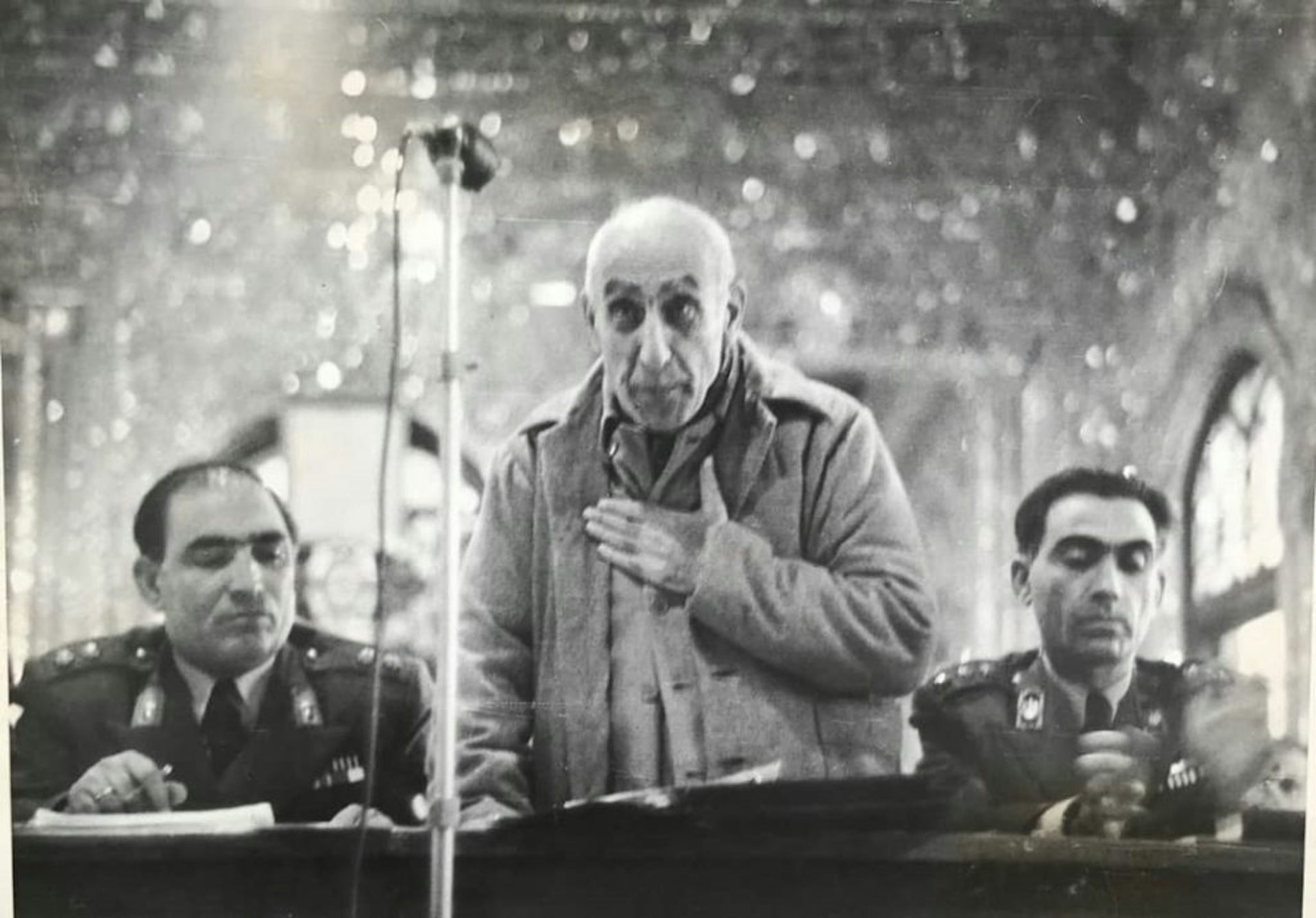
The US backed the shah as a pillar of American hegemony in the Middle East. In return, US oil companies received a 40% share of Iran’s oil industry.
美国将沙阿视为其在中东霸权的重要支柱。作为回报,美国石油公司获得了伊朗石油产业40%的份额。
Yet the shah was able to transform his dependent relationship with the US into one of interdependence. Iran became a pivotal player in the Organisation of Petroleum Exporting Countries (OPEC) , and in the region.
然而,沙阿成功地将与美国的从属关系转变为相互依赖关系。伊朗成为了石油输出国组织(OPEC)乃至整个地区的关键参与者。
In the wake of the 1973–74 energy crisis, then-US Secretary of State Henry Kissinger warned the United States would react with force if it was “strangled” by a cut in oil deliveries – a veiled message to the shah.
在1973-74年能源危机之后,时任美国国务卿亨利·基辛格警告说,如果美国因石油供应的削减而“窒息”,它将采取武力反击——这是对沙阿的一则含蓄警告。
The Iranian revolution of 1978–79 then toppled the shah and enabled his chief religious and political opponent, Ayatollah Ruhollah Khomeini, to assume power. Khomeini declared Iran an Islamic Republic with an anti-US and anti-Israel posture.
随后,1978-79年的伊朗革命推翻了沙阿,并使他主要的宗教和政治对手——鲁霍拉·霍梅尼(Ayatollah Ruhollah Khomeini)上台。霍梅尼宣布伊朗成为一个反美、反以的伊斯兰共和国。
He essentially based his rule in the historic pride Iranians held as a people in charge of their destiny.
他基本上将自己的统治建立在伊朗人作为一个民族掌握自己命运的历史自豪感之上。
Khomeini and his successor, Ayatollah Ali Khamenei sought to entrench Shia political Islamism as the ideological guide and legitimate foundation of the state. But they sought to blend this with the Iranians’ sense of civilisational, cultural and nationalist identity, especially in the face of outside aggression.
霍梅尼和他的继任者阿里·哈梅内伊(Ayatollah Ali Khamenei)试图将什叶派政治伊斯兰主义确立为国家的意识形态指导和合法基础。但他们也试图将此与伊朗人文明、文化和民族认同感相结合,尤其是在面对外部侵略时。
‘Iran is my land’
“伊朗是我的土地”
The celebrated Persian-speaking poet Abul-Qasim Ferdowsi (940–1020 CE) once said:
著名波斯诗人阿布勒-卡西姆·费尔德乌西(Abul-Qasim Ferdowsi,公元940-1020年)曾说:
Iran is my land, and the whole world is under my feet. The people of this land are the possessors of virtue, art and bravery. They have no fear of roaring lions.
伊朗是我的土地,整个世界都在我的脚下。这片土地的人民拥有美德、艺术和勇气。他们不惧怕咆哮的狮子。
As Iran’s standoff with the US continues, it appears the regime is prepared for the long haul against yet another military foe.
随着伊朗与美国的对峙持续,该政权似乎已为应对又一个军事敌人做好了长期准备。
But there is no military solution to the conflict. Diplomacy within the framework of mutual respect and trust is the best way forward. Otherwise, the region and the world may remain captive to an energy and economic crisis that could have been resolved through negotiations, rather than war.
但冲突没有军事解决方案。在相互尊重和信任的框架内进行外交才是最佳的出路。否则,该地区和世界可能会陷入一场能源和经济危机,而这场危机本可以通过谈判而非战争来解决。
As for the future of the Islamic government, that needs to be determined by the Iranian people.
至于伊斯兰政府的未来,需要由伊朗人民来决定。
The authors do not work for, consult, own shares in or receive funding from any company or organisation that would benefit from this article, and have disclosed no relevant affiliations beyond their academic appointment.
作者不为任何从本文中受益的公司或组织工作、提供咨询、拥有股份或接受资金,并且除了其学术任职之外,未披露任何相关隶属关系。