‘Noirvember’ là cái cớ hoàn hảo để khám phá phong cách yêu thích của các nhà phê bình điện ảnh
‘Noirvember is the perfect excuse to discover film critics’ favourite style
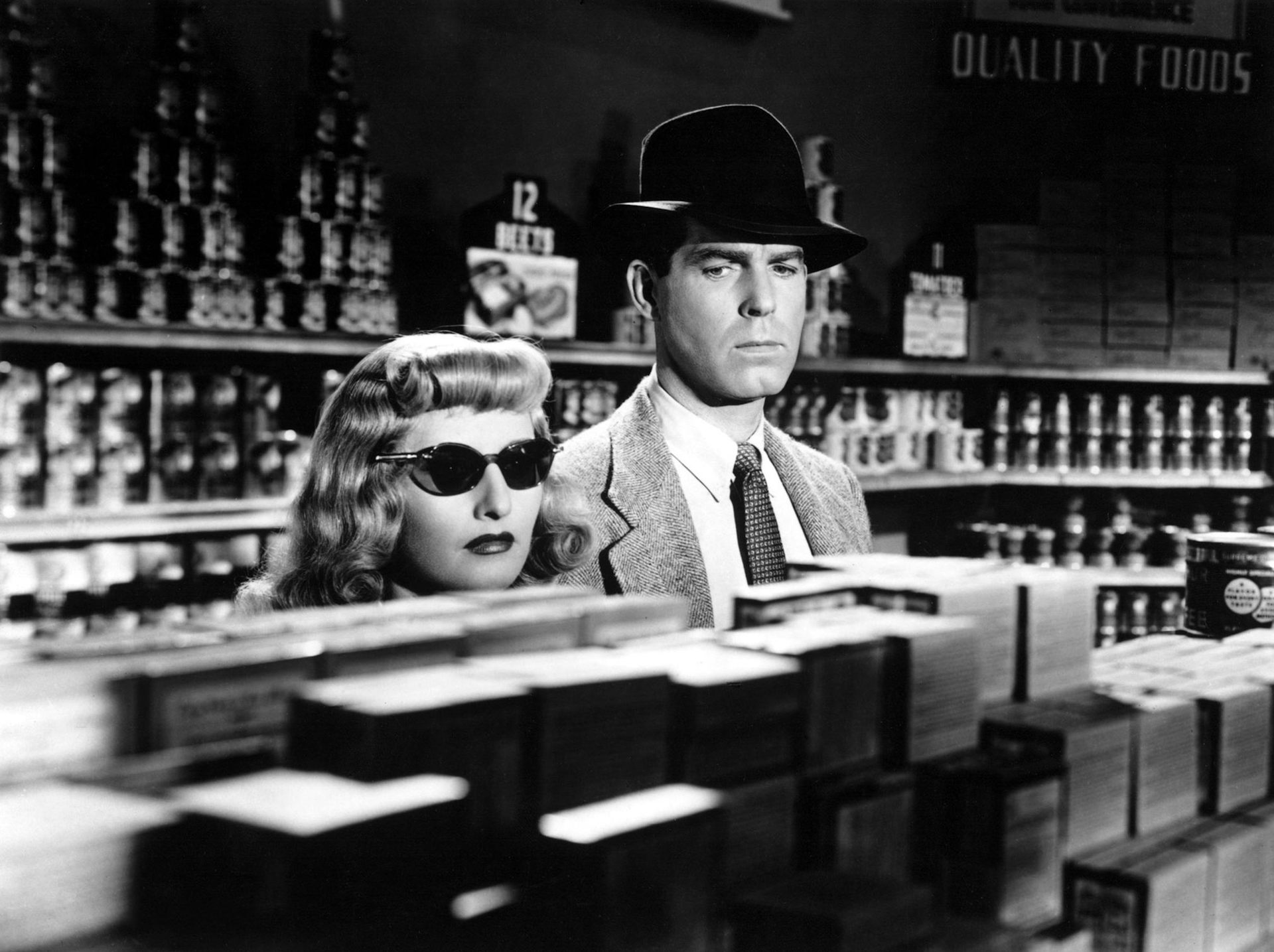
Đối với những người yêu điện ảnh, đây là thời điểm để đón “Noirvember”: tháng lễ hội được sáng lập bởi nhà phê bình phim Marya E. Gates vào năm 2010 như một cái cớ để những người yêu phim kéo dài truyền thống xem phim kinh dị của lễ hội Halloween sang tháng 11, thay thế phim kinh dị bằng phim noir.
Ngày lễ này hiện đang được kỷ niệm trên toàn cầu tại các rạp chiếu phim kinh điển, thư viện và nền tảng phát trực tuyến.
Đối với những người mới bắt đầu, đây là cái cớ hoàn hảo để khám phá thể loại đầy sức hút này.
What is film noir?
Phim noir là gì?
Theo định nghĩa đơn giản nhất, thuật ngữ phim noir chỉ một bộ phim tội phạm của Hollywood từ những năm 1940 và 1950, đặc trưng bởi một thế giới quan tăm tối, bi quan và một phong cách ánh sáng còn tăm tối hơn mang hơi hướng chiaroscuro, với sự tương phản mạnh mẽ giữa ánh sáng và bóng tối.
Recurring tropes –
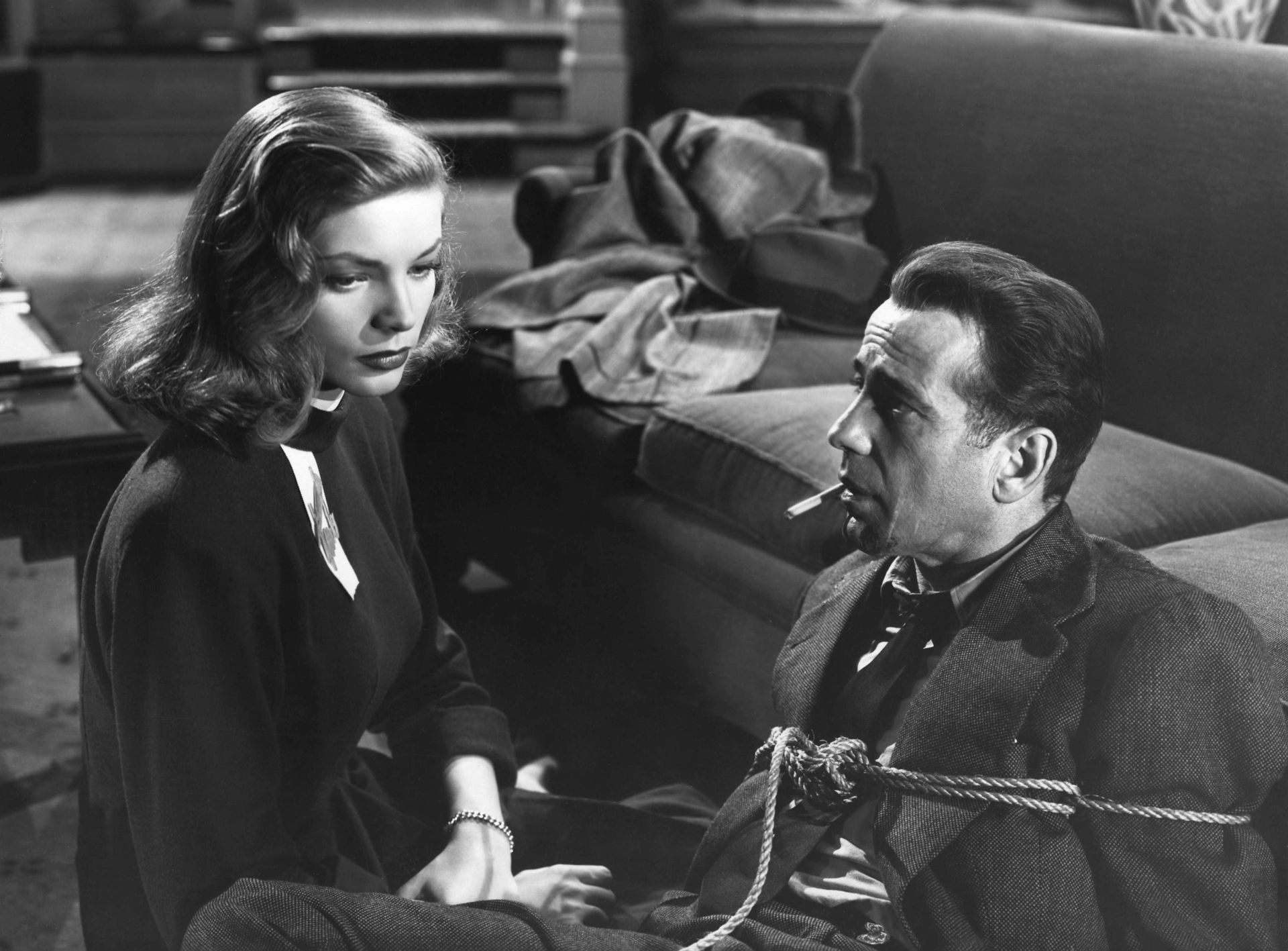
Các mô típ lặp đi lặp lại – được thấy trong các tác phẩm kinh điển như The Maltese Falcon (1941) , The Big Sleep (1946) và Double Indemnity (1944) – bao gồm các thám tử tư hoài nghi, những người phụ nữ quyến rũ chết người và ngôn ngữ bình dân gai góc.
Nhiều bộ phim noir nổi tiếng nhất của Hollywood là chuyển thể từ tiểu thuyết giật gân (pulp fiction) của các tác giả như Dashiell Hammett, Raymond Chandler và James M. Cain.
Nhưng noir cũng giao thoa với các thể loại khác. Ví dụ, Gilda (1946) là một bộ phim ca nhạc kịch tính, The Big Heat (1953) là một bộ phim điều tra phá án của cảnh sát và Criss-Cross (1949) là một bộ phim về trộm cắp.
French origins
Nguồn gốc từ Pháp
Không giống như các thể loại khác của Hollywood, phim noir là phát minh của các nhà phê bình điện ảnh.
Thuật ngữ này bắt nguồn từ những năm 1930 tại Pháp, trong thời kỳ biến động chính trị. Ban đầu, nó được báo chí phổ thông sử dụng để chỉ trích một xu hướng phim mà sau này được phân loại là Chủ nghĩa Hiện thực Thơ ca Pháp (French Poetic Realism) , bao gồm Pepé Le Moko (1937) , La Bête Humaine (1938) và Port of Shadows (1938) .
Tờ báo bảo thủ Le Petit Journal đã sử dụng thuật ngữ film noir để chê bai Port of Shadows, gọi bộ phim là “vô đạo đức và làm suy đồi đạo đức”.
Ngay cả tờ tạp chí thiên tả Marianne cũng miêu tả noir là những bộ phim “ảm đạm” và “chỉ thể hiện sự bất lực của con người”.
Mọi thứ trở thành vấn đề tranh cãi: với sự trỗi dậy của chủ nghĩa phát xít và dưới chính phủ bù nhìn Vichy, ngành công nghiệp điện ảnh Pháp đã bị trưng dụng để phục vụ cho tuyên truyền của Đức Quốc xã.
Post –war France
Nước Pháp hậu chiến
Thuật ngữ film noir xuất hiện trở lại sau chiến tranh thế giới thứ hai, được áp dụng cho một loạt phim mới của Hollywood vốn từng bị cấm chiếu tại các rạp phim Pháp dưới thời Đức Quốc xã chiếm đóng.
Năm 1946, nhà phê bình Nino Frank đã viết về “một loại phim trinh thám cảnh sát mới”, điểm tên các tác phẩm The Maltese Falcon, Double Indemnity, Laura (1944) và Murder, My Sweet (1944) .
Frank nhận thấy những điểm tương đồng giữa các bộ phim này với Chủ nghĩa Hiện thực Thơ ca, và đã sử dụng lại thuật ngữ film noir để phân loại chúng – lần này là như một lời khen ngợi.
“
Ông viết: “Những bộ phim ‘noir’ này không còn điểm chung nào với những bộ phim trinh thám cảnh sát tầm thường nữa.” Thay vào đó, chúng ôm ấp “động lực học của cái chết bạo lực” mang lại cảm giác “đúng với thực tế hơn” trong thời kỳ hậu chiến.
Một thập kỷ sau, phim noir được hệ thống hóa như một hiện tượng đặc trưng với sự xuất hiện của ấn phẩm A Panorama of American Film Noir: 1941-1953 của Raymond Borde và Etienne Chaumeton, trong đó vạch ra các đặc điểm nổi bật nhất và thiết lập một nền tảng cơ bản.
Counter –cultural America
Nước Mỹ phản văn hóa
Thuật ngữ này vẫn còn khá mơ hồ, không vượt đại dương cho đến cuối những năm 60 và đầu những năm 70, cùng với sự thể chế hóa của ngành nghiên cứu điện ảnh hàn lâm.
Nó bắt đầu xuất hiện trên các tạp chí điện ảnh như Sight and Sound, Movie và – nổi bật nhất là – Film Comment.
Paul Schrader’s 1972
Bài báo năm 1972 của Paul Schrader viết cho tờ Film Comment, Notes on Film Noir, có ảnh hưởng đặc biệt lớn. Trong đó, Schrader tiếp tục các lập luận cốt lõi của Borde và Chaumeton, đồng thời khẳng định rằng phim noir “không phải là một thể loại” vì nó được định nghĩa bởi “những phẩm chất tinh tế hơn về sắc thái và tâm trạng”.
Schrader
Schrader cũng nhận xét rằng chủ nghĩa yếm thế mang tính định mệnh của phim noir rất tương đồng với một góc nhìn tương tự đang nổi lên như một phần của điện ảnh Tân Hollywood thập niên 70.
“American
Ông viết: “Các bộ phim Mỹ lại một lần nữa nhìn vào mặt tối của tính cách con người Mỹ. Khi bầu không khí chính trị hiện tại trở nên gay gắt hơn, khán giả và các nhà làm phim sẽ thấy dòng phim noir cuối thập niên 40 ngày càng trở nên hấp dẫn.”
Ông đã chứng minh mình hoàn toàn đúng. Các bộ phim như Chinatown (1974) và The Long Goodbye (1973) đã làm mới các mô típ cho khán giả thời hậu Watergate, và sau đó mang biệt danh neo-noir (phim noir mới) .
Schrader
Bản thân Schrader cũng đóng góp cho xu hướng này với tư cách là biên kịch của Taxi Driver (1976) và đạo diễn của Hardcore (1979) cùng American Gigolo (1980) .
Noir and the global ‘mediascape’
Phim noir và “bức tranh truyền thông” toàn cầu
Trong những thập kỷ tiếp theo, phim noir đã trở thành một thuật ngữ quen thuộc hơn rất nhiều.
Trong cuốn sách mang tính nền tảng của mình về chủ đề này, More than Night: Film Noir in its Context, James Naremore đã mượn khái niệm “mediascape” (bức tranh truyền thông) của nhà lý luận văn hóa Arjun Appadurai để mô tả cách thức phim noir tồn tại ở dạng thức hiện tại của nó.
[Noiris now ]a looselyrelated collection of perverselymysterious motifsor scenarios that circulatethrough all the information technologies .
[Noir hiện nay là] một tập hợp có liên quan lỏng lẻo gồm các mô típ hoặc kịch bản mang tính kỳ quái, bí ẩn lưu hành qua tất cả các công nghệ thông tin.
Ý nghĩa của thuật ngữ này sẽ dần được mở rộng để giải thích cho hàng loạt sản phẩm văn hóa mang hơi hướng thẩm mỹ noir.
Trong điện ảnh, điều này bao gồm sci-fi noir (Blade Runner, Dark City) , Western noir (Lone Star, No Country for Old Men) và superhero noir (The Batman, Spider-Noir) .
Nhưng thuật ngữ này cũng bao gồm các phương tiện truyền thông khác, bao gồm văn học của Paul Auster và James Ellroy; các chương trình truyền hình như Twin Peaks và Better Call Saul; và các trò chơi điện tử như L.A. Noire và Disco Elysium.
Biên giới bản đồ của phim noir cũng đã được mở rộng, nổi tiếng nhất là với dòng phim Nordic noir (noir Bắc Âu) , và còn vươn tới Nhật Bản, Hy Lạp, Ấn Độ và Mexico.
Thật dễ dàng để tỏ ra hoài nghi. Nhà phê bình phim nổi tiếng người Mỹ Jonathan Rosenbaum từng phàn nàn rằng thuật ngữ film noir
changes meaning today just about every time an academic or a mainstream merchandiserthinks up a new reason for using it .
ngày nay thay đổi ý nghĩa hầu như mỗi khi một học giả hoặc một nhà kinh doanh đại chúng nghĩ ra một lý do mới để sử dụng nó.
Tuy nhiên, điều này cũng cho thấy sức sống mãnh liệt của thuật ngữ này. Nó có thể được thay đổi, cập nhật và hiện đại hóa. Chừng nào thế giới của chúng ta vẫn còn những góc tối tiềm ẩn, thì phim noir vẫn có khả năng trường tồn.
Kristian Ramsden
Kristian Ramsden nhận được khoản tài trợ từ Đại học Adelaide dưới dạng học bổng nghiên cứu.
có thể bạn cũng quan tâm
-

Con người đang kết hôn với ảnh hologram và kết bạn với chatbot. Nhưng liệu AI có mang lại hạnh phúc đích thực?
People are marrying holograms and making friends with chatbots. But can AI bring true happiness?
-

Không phải loại thuốc kháng histamine nào cũng giống nhau – và một số loại có thể ảnh hưởng đến não bộ của bạn nhiều hơn bạn nghĩ
Not all antihistamines are the same – and some may affect your brain more than you think