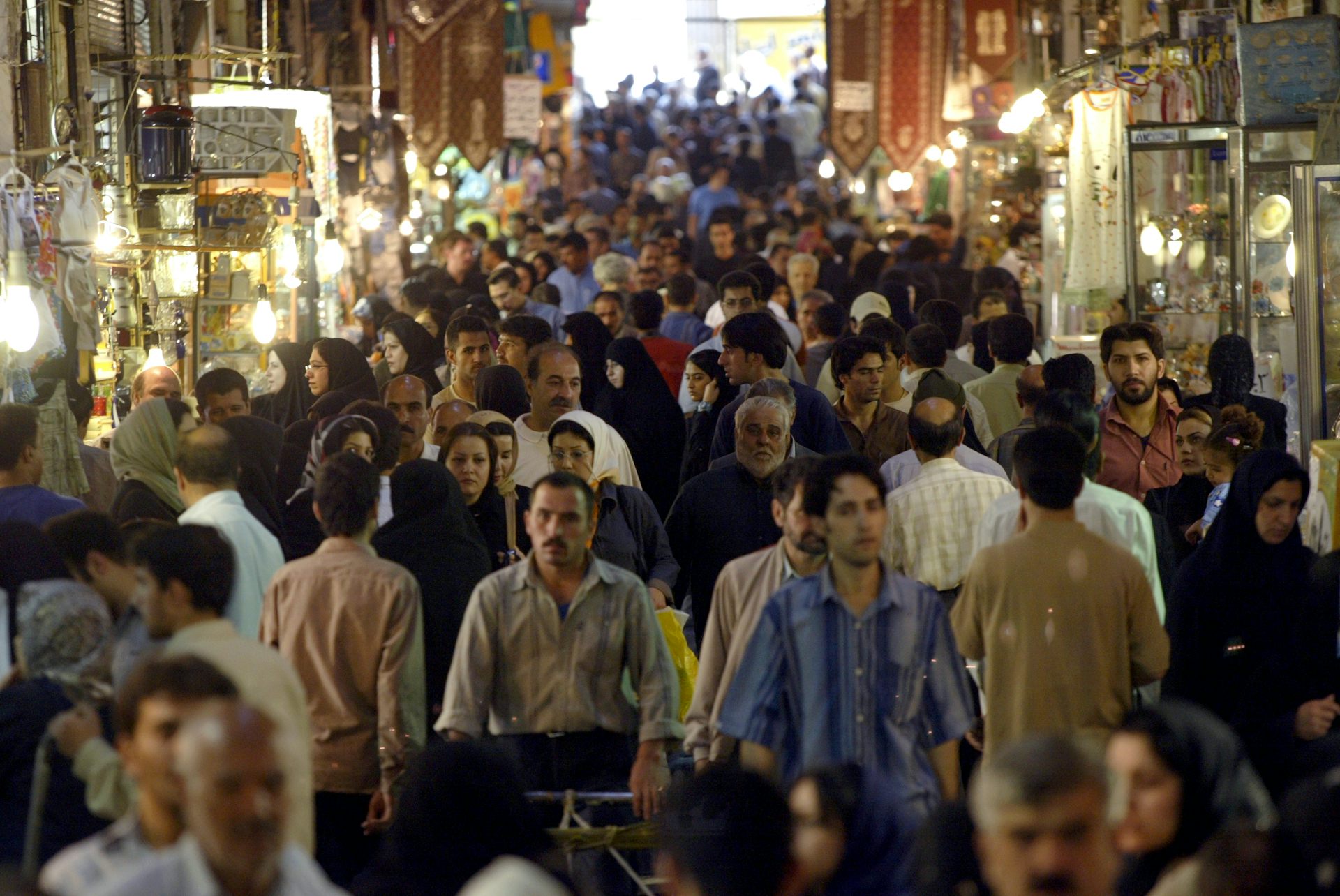
‘दहाड़ते शेरों से कोई डर नहीं’: ईरान का बाहर के आक्रामक शक्तियों के खिलाफ मजबूती से खड़े रहने का लंबा इतिहास रहा है
‘No fear of roaring lions’: Iran has a long history of standing firm against outside aggressors
At every difficult moment in their long history, the Persian people have fought to preserve what is theirs. The Trump administration may have underestimated this.
अपने लंबे इतिहास के हर कठिन क्षण में, फारसी लोगों ने जो उनका है, उसे बचाने के लिए संघर्ष किया है। ट्रम्प प्रशासन ने शायद इसका कम आंकलन किया होगा।
US President Donald Trump’s threats against Iran since the war began have targeted not just the country’s military capabilities, but its entire civilisation.
अमेरिकी राष्ट्रपति डोनाल्ड ट्रम्प की युद्ध शुरू होने के बाद से ईरान के खिलाफ की गई धमकियों ने न केवल देश की सैन्य क्षमताओं को निशाना बनाया है, बल्कि उसकी पूरी सभ्यता को भी निशाना बनाया है।
In recent days, he has threatened that Iran would be “blown off the face of the earth” if it attacks US ships trying to reopen the Strait of Hormuz.
हाल के दिनों में, उन्होंने धमकी दी है कि यदि ईरान ने हॉर्मुज जलडमरूमध्य को फिर से खोलने की कोशिश कर रहे अमेरिकी जहाजों पर हमला किया तो उसे “पृथ्वी से उड़ा दिया जाएगा”।
He’s previously pledged to send Iran back to the “Stone Age”, and warned that “a whole civilisation will die tonight, never to be brought back again”.
इससे पहले उन्होंने ईरान को “पाषाण युग” में वापस भेजने का वादा किया है, और चेतावनी दी है कि “आज रात एक पूरी सभ्यता मर जाएगी, जिसे कभी वापस नहीं लाया जा सकेगा”।
These statements show not only extreme belligerence, but Trump’s complete lack of understanding of Iran’s long, resilient culture and civilisation and the fortitude of its people.
ये बयान न केवल अत्यधिक आक्रामकता दिखाते हैं, बल्कि ईरान की लंबी, लचीली संस्कृति और सभ्यता और उसके लोगों के साहस की ट्रम्प की पूर्ण समझ की कमी भी दर्शाते हैं।
Iran has been subjected to much internal strife and foreign power intervention, but it has never been colonised or subjugated. At every difficult moment in their history, Iranians have fought to preserve what is theirs.
ईरान आंतरिक कलह और विदेशी शक्तियों के हस्तक्षेप का शिकार रहा है, लेकिन इसे कभी उपनिवेश नहीं बनाया गया या वश में नहीं किया गया। अपने इतिहास के हर कठिन क्षण में, ईरानियों ने जो उनका है, उसे संरक्षित करने के लिए लड़ाई लड़ी है।
Persian influence in ancient Greece and Rome
प्राचीन ग्रीस और रोम में फारसी प्रभाव
Since the Greco-Persian Wars (499 BCE) , Persia has served as the West’s ultimate “other”: a dark and despotic oriental villain menacing an enlightened West.
ग्रीको-फारसी युद्धों (499 ईसा पूर्व) के बाद से, फारस पश्चिम के अंतिम “अन्य” के रूप में रहा है: एक अंधेरा और निरंकुश पूर्वी खलनायक जो एक प्रबुद्ध पश्चिम को खतरा पहुँचाता है।
This is despite Persia’s return of exiled Jews in Babylon to Jerusalem to rebuild their temple in 538 BCE, and its tolerance of diversity in the world’s first truly multicultural empire.
यह तथ्य के बावजूद है कि फारस ने 538 ईसा पूर्व में बेबीलोन में निर्वासित यहूदियों को उनके मंदिर के पुनर्निर्माण के लिए यरूशलेम वापस भेजा था, और दुनिया के पहले वास्तव में बहुसांस्कृतिक साम्राज्य में विविधता के प्रति इसकी सहिष्णुता भी रही है।
The victories of a coalition of Greek city-states over the Achaemenid Persian imperial forces at Salamis (480 BCE) and Marathon (490 BCE) are considered pivotal moments in the history of Western civilisation.
सलामिस (480 ईसा पूर्व) और मैराथन (490 ईसा पूर्व) में यूनानी नगर-राज्यों के एक गठबंधन की अकेमेनिड फारसी शाही सेनाओं पर जीत को पश्चिमी सभ्यता के इतिहास में महत्वपूर्ण क्षण माना जाता है।
Yet this was just a minor setback for Persia. In fact, Persia continued to play a decisive role in Greek affairs. Persian gold helped Sparta defeat Athens in the Peloponnesian War (431–404 BCE) , and Persia was often the most important mediator in Greek affairs.
फिर भी, यह फारस के लिए केवल एक छोटी सी बाधा थी। वास्तव में, फारस ने ग्रीक मामलों में निर्णायक भूमिका निभाना जारी रखा। फारसी सोने ने स्पार्टा को पेलोपोनिसियन युद्ध (431-404 ईसा पूर्व) में एथेंस को हराने में मदद की, और फारस अक्सर ग्रीक मामलों में सबसे महत्वपूर्ण मध्यस्थ था।
The Parthian and Sasanian Empires that followed the Achaemenids in Persia then challenged the Romans.
अकेमेनिडों के बाद फारस में पार्थियन और ससानियन साम्राज्य ने फिर रोमनों को चुनौती दी।
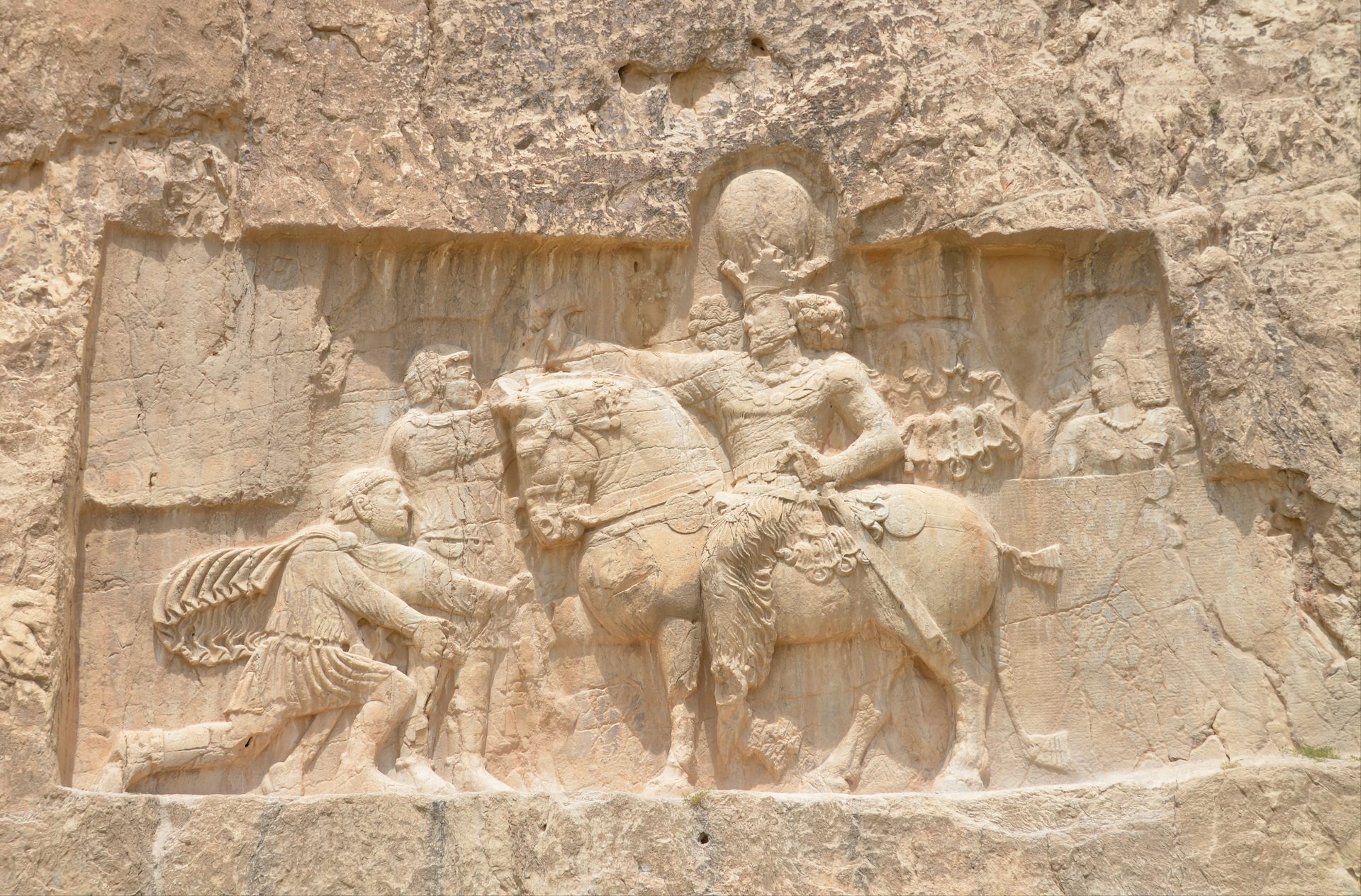
In 260 CE, Sasanian Emperor Shapur I captured Roman Emperor Valerian in battle – an unprecedented act. A century later, Shapur II’s army fought off an attempted invasion by Emperor Julian, killing him in the process.
260 ईस्वी में, ससानियन सम्राट शापुर I ने युद्ध में रोमन सम्राट वैलेरियन को बंदी बना लिया – एक अभूतपूर्व कार्य। एक सदी बाद, शापुर II की सेना ने सम्राट जूलियन के प्रयास किए गए आक्रमण को विफल कर दिया, और इस प्रक्रिया में उसकी मृत्यु हो गई।
Western triumphal narratives tend to forget that Persia repeatedly humbled the greatest Western empire in ancient times.
पश्चिमी विजय गाथाएं यह भूलने की प्रवृत्ति रखती हैं कि फारस ने प्राचीन काल में सबसे बड़े पश्चिमी साम्राज्य को बार-बार नीचा दिखाया।
Surviving invasions from the east and west
पूर्व और पश्चिम से आक्रमणों से जीवित रहना
Alexander the Great conquered Persia militarily. However, he embraced Persian culture, which outlasted Greek influence in the region.
सिकंदर महान ने सैन्य रूप से फ़ारस पर विजय प्राप्त की। हालांकि, उन्होंने फ़ारसी संस्कृति को अपनाया, जो क्षेत्र में यूनानी प्रभाव से अधिक समय तक चली।
The advent of Islam did not extinguish Persia’s civilisation or resilience, either. Islamic leaders preserved Persian language and culture, kept pre-Islamic festivals such as Nowruz (the 3,000-year-old Persian New Year) , and adapted Zoroastrian concepts into Shiite Islam’s emphasis on resistance to tyranny.
इस्लाम के आगमन ने फ़ारस की सभ्यता या लचीलापन भी नहीं बुझाया। इस्लामी नेताओं ने फ़ारसी भाषा और संस्कृति को संरक्षित किया, अबी-इस्लामी त्योहार जैसे नोरुज़ (3,000 साल पुराना फ़ारसी नव वर्ष) को बनाए रखा, और ज़ोरोएस्ट्रियन अवधारणाओं को अत्याचार के प्रतिरोध पर शिया इस्लाम के जोर में अनुकूलित किया।
The Mongols’ multiple invasions (between 1219 and 1258) devastated Iran, yet core elements of Persian civilisation survived. Persian power flourished again, especially under the Safavid dynasty (1501–1736) .
मंगोलों के कई आक्रमणों (1219 और 1258 के बीच) ने ईरान को तबाह कर दिया, फिर भी फ़ारसी सभ्यता के मूल तत्व जीवित रहे। फ़ारसी शक्ति फिर से फली-फूली, खासकर सफ़ाविद राजवंश (1501–1736) के तहत।
During the Qajar dynasty (1789–1925) , Persia was squeezed by the Anglo-Russian rivalry of Great Game era, but was not subdued.
काजार राजवंश (1789–1925) के दौरान, फ़ारस को ग्रेट गेम युग की एंग्लो-रूसी प्रतिद्वंद्विता से निचोड़ा गया, लेकिन यह वश में नहीं किया गया।
During the second world war, Iran was occupied by the British in the oil-rich south and the Soviets in the north. However, both powers pledged, along with the United States, to respect Iran’s sovereignty and withdraw at the end of the war.
द्वितीय विश्व युद्ध के दौरान, ईरान पर दक्षिण में ब्रिटिश और उत्तर में सोवियत कब्ज़ा था। हालांकि, दोनों शक्तियों ने, संयुक्त राज्य अमेरिका के साथ, ईरान की संप्रभुता का सम्मान करने और युद्ध के अंत में वापस लेने का वादा किया।
A turbulent 20th century
एक उथल-पुथल भरा बीसवीं शताब्दी
This episode rejuvenated Iranian nationalism and prompted a movement to free Iran from traditional major power rivalries and gain control over its own resources. This especially pertained to oil, since the British had controlled Iran’s oil reserves through the Anglo-Iranian Oil Company (AIOC) from the early 19th century.
इस घटना ने ईरानी राष्ट्रवाद को पुनर्जीवित किया और ईरान को पारंपरिक प्रमुख शक्तियों की प्रतिद्वंद्विता से मुक्त करने तथा अपने संसाधनों पर नियंत्रण पाने के लिए एक आंदोलन को प्रेरित किया। यह विशेष रूप से तेल से संबंधित था, क्योंकि ब्रिटिश १९वीं शताब्दी की शुरुआत से एंग्लो-ईरानी तेल कंपनी (AIOC) के माध्यम से ईरान के तेल भंडार को नियंत्रित कर रहे थे।
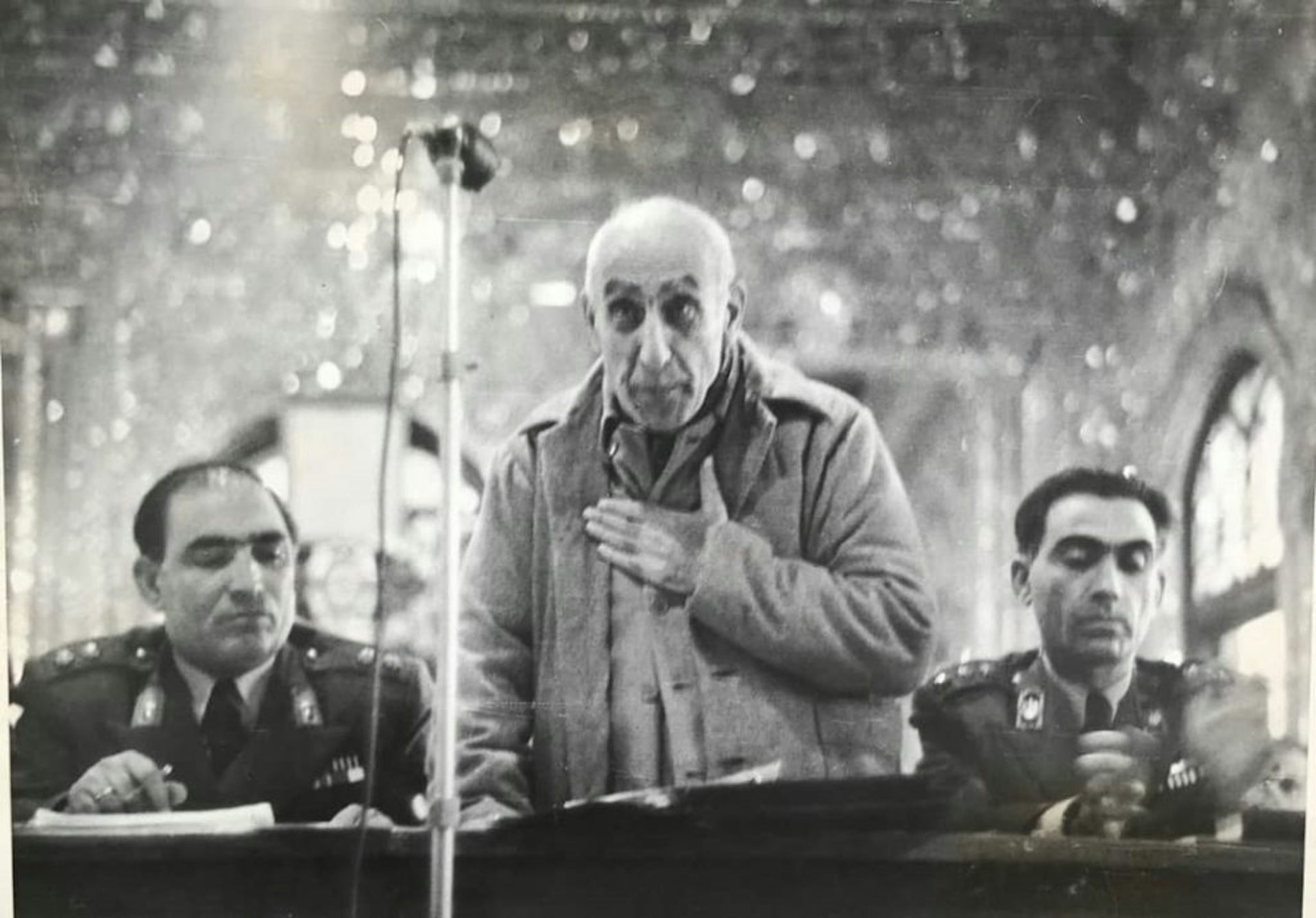
In 1951, a long-time nationalist-reformist, Mohammad Mossadegh, was elected prime minister and promptly nationalised the AIOC, sparking a major dispute with London.
सन् १९५१ में, एक लंबे समय से राष्ट्रवादी-सुधारक, मोहम्मद मोसादेघ, को प्रधानमंत्री चुना गया और उन्होंने तुरंत AIOC का राष्ट्रीयकरण कर दिया, जिससे लंदन के साथ एक बड़ा विवाद छिड़ गया।
Mossadegh also sought to limit the power of Iran’s monarchy in favour of democratic reforms, causing a conflict with the young, pro-Western Mohammad Reza Shah, who was still the country’s reigning monarch.
मोसादेघ ने लोकतांत्रिक सुधारों के पक्ष में ईरान की राजशाही की शक्ति को सीमित करने की भी मांग की, जिससे युवा, पश्चिमी समर्थक मोहम्मद रजा शाह के साथ संघर्ष हुआ, जो अभी भी देश के शासी सम्राट थे।
The shah was forced into exile in 1953, only to be returned to the throne days later when Mossadegh was overthrown in a covert operation by the US Central Intelligence Agency, with MI6’s help. (Fifty years later, US President Barack Obama acknowledged the CIA’s role in the coup.)
शाह को १९५३ में निर्वासित होने के लिए मजबूर किया गया, लेकिन कुछ ही दिनों बाद उन्हें सिंहासन पर वापस भेज दिया गया जब मोसादेघ को अमेरिकी सेंट्रल इंटेलिजेंस एजेंसी द्वारा, MI6 की मदद से, एक गुप्त ऑपरेशन में अपदस्थ कर दिया गया। (पचास साल बाद, अमेरिकी राष्ट्रपति बराक ओबामा ने तख्तापलट में CIA की भूमिका को स्वीकार किया।)
The US backed the shah as a pillar of American hegemony in the Middle East. In return, US oil companies received a 40% share of Iran’s oil industry.
अमेरिका ने मध्य पूर्व में अमेरिकी वर्चस्व के स्तंभ के रूप में शाह का समर्थन किया। बदले में, अमेरिकी तेल कंपनियों को ईरान के तेल उद्योग का ४०% हिस्सा मिला।
Yet the shah was able to transform his dependent relationship with the US into one of interdependence. Iran became a pivotal player in the Organisation of Petroleum Exporting Countries (OPEC) , and in the region.
फिर भी शाह अमेरिकी निर्भरता के अपने संबंध को अंतर-निर्भरता में बदलने में सक्षम थे। ईरान पेट्रोलियम निर्यातक देशों के संगठन (OPEC) में, और क्षेत्र में एक महत्वपूर्ण खिलाड़ी बन गया।
In the wake of the 1973–74 energy crisis, then-US Secretary of State Henry Kissinger warned the United States would react with force if it was “strangled” by a cut in oil deliveries – a veiled message to the shah.
१९७३–७४ के ऊर्जा संकट के बाद, तत्कालीन अमेरिकी विदेश सचिव हेनरी किसिंजर ने चेतावनी दी थी कि यदि तेल आपूर्ति में कटौती करके उसे “दम घोंटा” गया तो संयुक्त राज्य अमेरिका बल के साथ प्रतिक्रिया करेगा – यह शाह के लिए एक सांकेतिक संदेश था।
The Iranian revolution of 1978–79 then toppled the shah and enabled his chief religious and political opponent, Ayatollah Ruhollah Khomeini, to assume power. Khomeini declared Iran an Islamic Republic with an anti-US and anti-Israel posture.
इसके बाद १९७८–७९ की ईरानी क्रांति ने शाह को अपदस्थ कर दिया और उनके प्रमुख धार्मिक और राजनीतिक विरोधी, आयतल्ला रुहल्ला खूमेनी, को सत्ता संभालने में सक्षम बनाया। खूमेनी ने ईरान को एक इस्लामी गणराज्य घोषित किया जिसमें अमेरिका और इज़राइल विरोधी रुख था।
He essentially based his rule in the historic pride Iranians held as a people in charge of their destiny.
उन्होंने अनिवार्य रूप से अपने शासन का आधार ईरानी लोगों के रूप में अपने भाग्य को नियंत्रित करने के ऐतिहासिक गौरव में रखा।
Khomeini and his successor, Ayatollah Ali Khamenei sought to entrench Shia political Islamism as the ideological guide and legitimate foundation of the state. But they sought to blend this with the Iranians’ sense of civilisational, cultural and nationalist identity, especially in the face of outside aggression.
खूमेनी और उनके उत्तराधिकारी, आयतल्ला अली खमेनेई ने शिया राजनीतिक इस्लामवाद को राज्य के वैचारिक मार्गदर्शक और वैध आधार के रूप में स्थापित करने की मांग की। लेकिन उन्होंने इसे ईरानी सभ्यतागत, सांस्कृतिक और राष्ट्रवादी पहचान की भावना के साथ मिश्रित करने की मांग की, खासकर बाहरी आक्रामकता के सामने।
‘Iran is my land’
‘ईरान मेरी भूमि है’
The celebrated Persian-speaking poet Abul-Qasim Ferdowsi (940–1020 CE) once said:
प्रसिद्ध फ़ारसी भाषी कवि अबुल-क़ासिम फ़िरदौसी (940–1020 ई.) ने एक बार कहा था:
Iran is my land, and the whole world is under my feet. The people of this land are the possessors of virtue, art and bravery. They have no fear of roaring lions.
ईरान मेरी भूमि है, और पूरी दुनिया मेरे पैरों के नीचे है। इस भूमि के लोग सद्गुण, कला और बहादुरी के स्वामी हैं। उन्हें दहाड़ते शेरों से कोई डर नहीं है।
As Iran’s standoff with the US continues, it appears the regime is prepared for the long haul against yet another military foe.
जैसे-जैसे अमेरिका के साथ ईरान का गतिरोध जारी है, ऐसा प्रतीत होता है कि शासन किसी और सैन्य शत्रु के खिलाफ भी लंबे समय तक लड़ने के लिए तैयार है।
But there is no military solution to the conflict. Diplomacy within the framework of mutual respect and trust is the best way forward. Otherwise, the region and the world may remain captive to an energy and economic crisis that could have been resolved through negotiations, rather than war.
लेकिन संघर्ष का कोई सैन्य समाधान नहीं है। आपसी सम्मान और विश्वास के ढांचे के भीतर कूटनीति ही आगे बढ़ने का सबसे अच्छा तरीका है। अन्यथा, क्षेत्र और दुनिया एक ऊर्जा और आर्थिक संकट के बंधक बने रह सकते हैं, जिसे युद्ध के बजाय बातचीत के माध्यम से हल किया जा सकता था।
As for the future of the Islamic government, that needs to be determined by the Iranian people.
इस्लामी सरकार के भविष्य के लिए, यह ईरानी लोगों द्वारा निर्धारित किया जाना चाहिए।
The authors do not work for, consult, own shares in or receive funding from any company or organisation that would benefit from this article, and have disclosed no relevant affiliations beyond their academic appointment.
लेखक किसी भी कंपनी या संगठन के लिए काम नहीं करते हैं, न ही वे सलाहकार हैं, न ही उनके पास उनमें हिस्सेदारी है, और न ही उन्हें किसी ऐसे संगठन से धन प्राप्त होता है जिससे इस लेख से लाभ होगा, और उन्होंने अपनी शैक्षणिक नियुक्ति से परे कोई प्रासंगिक जुड़ाव नहीं बताया है।
Read more
-
शांति और मानवीय गरिमा के विषय पोप लियो के लिए केंद्रीय रहे हैं क्योंकि वह अपने पद पर पहले वर्ष में हैं
Themes of peace and human dignity have been central to Pope Leo as he marks his first year in office
-
राजा चार्ल्स ने ट्रम्प पर कटाक्ष करते हुए अमेरिका को कैसे मोहित किया
How King Charles charmed the US while taking digs at Trump