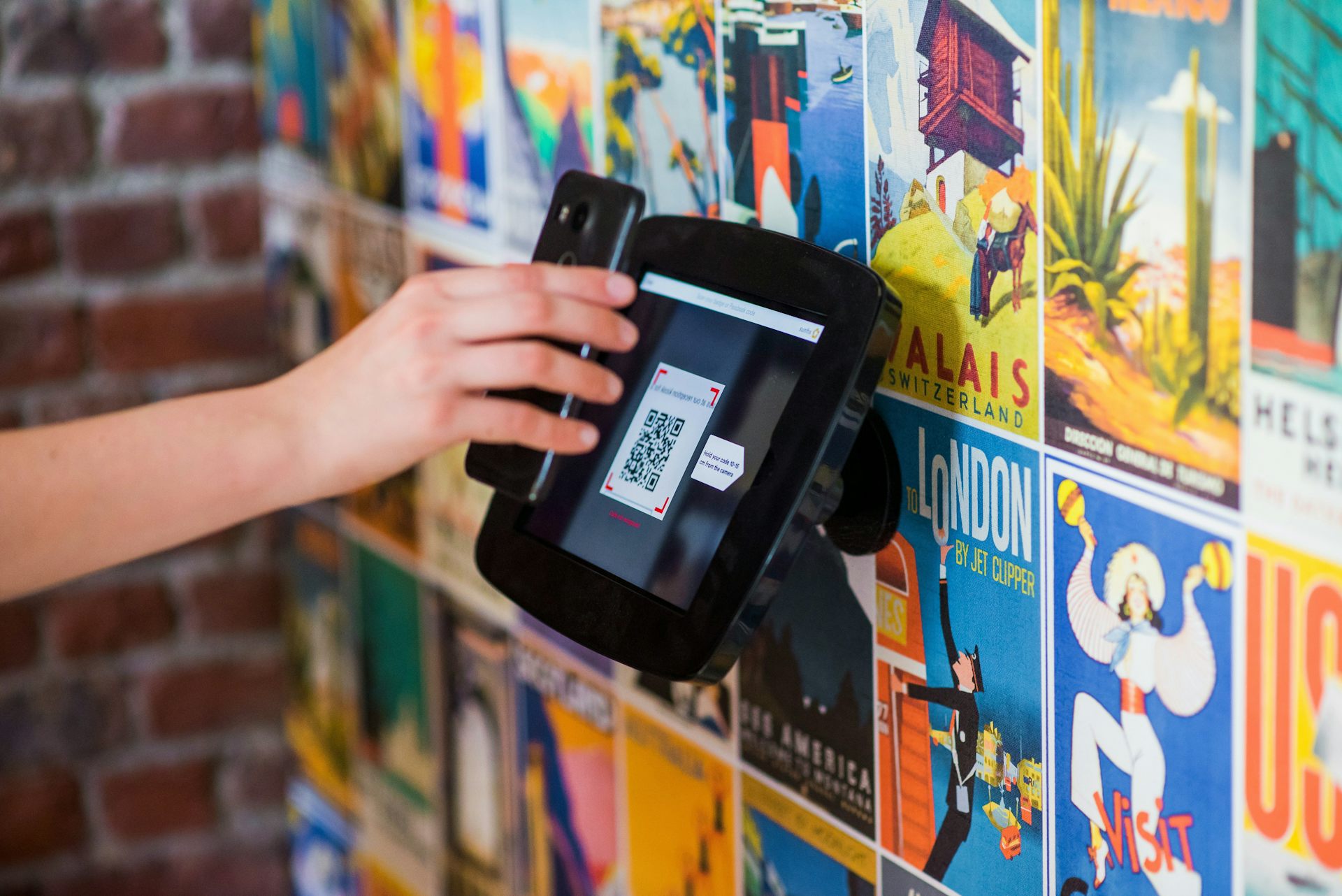
Kode QR palsu sangat mudah digunakan untuk penipuan – berhati-hatilah dengan apa yang Anda pindai di luar sana
Fake QR codes make for easy scams – be careful what you scan out there
QR codes are so familiar and widespread, we tend to trust them without question. That’s exactly what scammers rely on.
Kode QR sangat akrab dan tersebar luas, sehingga kita cenderung mempercayainya tanpa pertanyaan. Itulah yang dimanfaatkan oleh para penipu.
It’s a simple thing we encounter many times every single week – often while in a hurry. You pull up at a parking spot, scan a QR code and pay within seconds. Or you sit down at a cafe, scan a code to view the menu and order your meal.
Ini adalah hal sederhana yang kita temui berkali-kali setiap minggu – seringkali saat terburu-buru. Anda tiba di tempat parkir, memindai kode QR, dan membayar dalam hitungan detik. Atau Anda duduk di kafe, memindai kode untuk melihat menu dan memesan makanan Anda.
At the train station, you scan the code on the poster for timetable updates. QR codes are increasingly used in public transport systems worldwide for ticketing, payments and accessing real-time information.
Di stasiun kereta, Anda memindai kode pada poster untuk pembaruan jadwal. Kode QR semakin banyak digunakan dalam sistem transportasi umum di seluruh dunia untuk tiket, pembayaran, dan mengakses informasi waktu nyata.
Because QR codes are so widespread, scammers naturally find them appealing too. Here’s what you need to know to stay safe.
Karena kode QR sangat tersebar luas, penipu secara alami juga menganggapnya menarik. Berikut adalah hal yang perlu Anda ketahui untuk tetap aman.
What are QR codes?
Apa itu kode QR?
A QR (quick response) code is a type of barcode that stores information and encoded data in a square pattern of black and white pixels. They were first developed in 1994 by Japanese company Denso Wave for labelling automotive parts.
Kode QR (quick response) adalah jenis barcode yang menyimpan informasi dan data terenkode dalam pola kotak piksel hitam dan putih. Kode ini pertama kali dikembangkan pada tahun 1994 oleh perusahaan Jepang Denso Wave untuk pelabelan suku cadang otomotif.
Today QR codes are widely used because they’re quick to create and easy to scan without needing a specialised scanner – a smartphone camera will do. They’re designed to remove friction: you scan, and something happens instantly.
Saat ini, kode QR banyak digunakan karena cepat dibuat dan mudah dipindai tanpa memerlukan pemindai khusus – kamera ponsel pintar sudah cukup. Kode ini dirancang untuk menghilangkan gesekan: Anda memindai, dan sesuatu terjadi secara instan.
However, a QR code doesn’t show you where it leads until after it’s scanned. Your device can perform a range of functions after scanning a QR code: open up a web page, check you in to a location, or even connect your device to a wireless network without needing to type anything.
Namun, kode QR tidak menunjukkan ke mana ia mengarah sampai setelah dipindai. Perangkat Anda dapat menjalankan berbagai fungsi setelah memindai kode QR: membuka halaman web, melakukan check-in di suatu lokasi, atau bahkan menghubungkan perangkat Anda ke jaringan nirkabel tanpa perlu mengetik apa pun.
That’s what makes it so useful, but also potentially risky. Malicious QR codes can redirect users to fake websites or prompt them to download harmful content. QR codes are so familiar and widespread, we tend to trust them without question. That’s exactly what scammers rely on.
Itulah yang membuatnya sangat berguna, tetapi juga berpotensi berisiko. Kode QR berbahaya dapat mengalihkan pengguna ke situs web palsu atau mendorong mereka untuk mengunduh konten berbahaya. Kode QR sangat akrab dan tersebar luas, sehingga kita cenderung mempercayainya tanpa pertanyaan. Itulah yang dimanfaatkan oleh penipu.
What to look out for
Apa yang perlu diwaspadai
Phishing – where cyber criminals “fish” for sensitive information – is the most common type of cyber crime, typically sent by email or text. When a QR code is involved, that becomes “quishing” – short for QR phishing.
Phishing – di mana penjahat siber “memancing” informasi sensitif – adalah jenis kejahatan siber yang paling umum, biasanya dikirim melalui email atau pesan teks. Ketika kode QR terlibat, itu menjadi “quishing” – singkatan dari QR phishing.
Scammers now include QR codes in emails or text messages instead of clickable links. When scanned, the code directs users to fake login pages or payment sites. Because there’s no visible link, these messages can seem more trustworthy and can even bypass some email security filters.
Penipu kini menyertakan kode QR dalam email atau pesan teks alih-alih tautan yang dapat diklik. Ketika dipindai, kode tersebut mengarahkan pengguna ke halaman login palsu atau situs pembayaran. Karena tidak ada tautan yang terlihat, pesan-pesan ini dapat tampak lebih tepercaya dan bahkan dapat melewati beberapa filter keamanan email.
Malicious downloads
Unduhan berbahaya
Some QR codes don’t just take you to a website – they trigger an app or file download, which could contain malware. This can give attackers access to your device, data or accounts. Because the action happens quickly, you may not have time to question whether the download is legitimate.
Beberapa kode QR tidak hanya membawa Anda ke situs web – kode tersebut memicu pengunduhan aplikasi atau file, yang mungkin berisi malware. Hal ini dapat memberikan akses kepada penyerang ke perangkat, data, atau akun Anda. Karena tindakan ini terjadi dengan cepat, Anda mungkin tidak punya waktu untuk mempertanyakan apakah pengunduhan itu sah.
Fake QR codes in public places
Kode QR palsu di tempat umum
One of the simplest methods to trick people involves placing a sticker with a fake QR code over a legitimate one. For example, scammers have been caught sticking fraudulent QR codes on parking meters. When drivers scan the code, they are taken to a fake payment page and asked to enter their card details. Posters, flyers and other signs in public places may also contain malicious QR codes.
Salah satu metode paling sederhana untuk menipu orang adalah dengan menempelkan stiker dengan kode QR palsu di atas kode QR yang sah. Misalnya, penipu tertangkap menempelkan kode QR palsu pada meteran parkir. Ketika pengemudi memindai kode tersebut, mereka diarahkan ke halaman pembayaran palsu dan diminta memasukkan detail kartu mereka. Poster, selebaran, dan tanda lain di tempat umum juga dapat berisi kode QR berbahaya.
Redirect scams
Skema pengalihan (Redirect scams)
Even when a QR code looks legitimate, it may redirect you through multiple websites before landing on a fake page. This makes it harder to detect suspicious activity. By the time you see the final page, it may look convincing enough to trust.
Bahkan ketika kode QR terlihat sah, kode tersebut dapat mengalihkan Anda melalui beberapa situs web sebelum mendarat di halaman palsu. Hal ini membuat deteksi aktivitas mencurigakan menjadi lebih sulit. Pada saat Anda melihat halaman terakhir, halaman itu mungkin terlihat cukup meyakinkan untuk dipercaya.
How to stay safe
Cara tetap aman
The good news is you don’t need to stop using QR codes. You just need to use them more carefully.
Kabar baiknya adalah Anda tidak perlu berhenti menggunakan kode QR. Anda hanya perlu menggunakannya dengan lebih hati-hati.
Treat QR codes like unknown links. If you wouldn’t click a random link, don’t scan a random QR code.
Anggap kode QR seperti tautan yang tidak dikenal. Jika Anda tidak akan mengklik tautan acak, jangan memindai kode QR acak.
Check for signs of tampering. In public places, look closely at the code. Is it a sticker placed over another one? Does anything look out of place?
Periksa tanda-tanda manipulasi. Di tempat umum, lihat kode tersebut dengan saksama. Apakah itu stiker yang ditempelkan di atas kode lain? Apakah ada sesuatu yang terlihat aneh?
Look at the web address before proceeding. Many phones now show a preview of the hyperlink retrieved via the QR code before opening it. Don’t just hit “go”, take a moment to check it looks legitimate.
Lihat alamat web sebelum melanjutkan. Banyak ponsel sekarang menampilkan pratinjau hyperlink yang diambil melalui kode QR sebelum membukanya. Jangan hanya menekan “lanjutkan”, luangkan waktu sejenak untuk memeriksa apakah itu terlihat sah.
Avoid scanning codes from unsolicited messages. If you receive a QR code via email or text asking you to log in or make a payment, don’t use it. Go directly to the official website instead.
Hindari memindai kode dari pesan yang tidak diminta. Jika Anda menerima kode QR melalui email atau teks yang meminta Anda masuk atau melakukan pembayaran, jangan gunakan itu. Langsung kunjungi situs web resmi saja.
Don’t rush to enter personal details. If a site asks for sensitive information, pause. Double-check you’re on the correct website.
Jangan terburu-buru memasukkan detail pribadi. Jika sebuah situs meminta informasi sensitif, berhentilah sejenak. Periksa kembali apakah Anda berada di situs web yang benar.
Keep your phone updated. Security updates may sometimes feel like a nuisance, but they do help protect your device against malicious sites and downloads.
Selalu perbarui ponsel Anda. Pembaruan keamanan terkadang mungkin terasa merepotkan, tetapi pembaruan tersebut memang membantu melindungi perangkat Anda dari situs dan unduhan berbahaya.
QR codes are not dangerous by themselves. They are useful tools that make everyday tasks easier. But they remove a key safety step: the ability to see where you’re going before you get there.
Kode QR itu sendiri tidak berbahaya. Kode QR adalah alat berguna yang mempermudah tugas sehari-hari. Namun, kode QR menghilangkan langkah keamanan penting: kemampuan untuk melihat ke mana Anda akan pergi sebelum Anda sampai di sana.
The next time you scan a QR code, take a second to think. In a world where scams are getting smarter, the safest habit is simple – don’t trust the code and verify where it leads.
Lain kali Anda memindai kode QR, luangkan waktu sejenak untuk berpikir. Di dunia di mana penipuan semakin pintar, kebiasaan teraman adalah sederhana – jangan percaya pada kode tersebut dan verifikasi ke mana kode itu mengarah.
Meena Jha does not work for, consult, own shares in or receive funding from any company or organisation that would benefit from this article, and has disclosed no relevant affiliations beyond their academic appointment.
Meena Jha tidak bekerja untuk, berkonsultasi, memiliki saham di, atau menerima pendanaan dari perusahaan atau organisasi mana pun yang akan mendapat manfaat dari artikel ini, dan tidak mengungkapkan afiliasi relevan selain jabatan akademiknya.
Read more
-

Famesick: Lena Dunham membuat kita tertawa tentang pekerjaan impian yang berubah menjadi mimpi buruk brutal
Famesick: Lena Dunham makes us laugh about a dream job turned brutal nightmare
-

Cadangan emas bank sentral berada di level tertinggi dalam 50 tahun. Apa yang menyebabkan lonjakan cadangan tersebut?
Central bank gold holdings are at a 50-year high. What’s behind the jump in reserves?